
Hear from Our Customers

North Caldwell sees 40% more freeze-thaw cycles than Central Jersey. Water gets into cracks, expands when it freezes, and can exert up to 30,000 psi of pressure. That’s how you get potholes overnight and why cheap paving jobs fail fast.
When asphalt is installed right, you’re looking at 15 to 20 years of use with basic maintenance. Push that to 25 or 30 years if you stay on top of sealcoating. The difference comes down to proper grading, the right materials, and contractors who know how Morris County terrain drains.
Your driveway is one of the first things people see. It also represents a real chunk of your property value in a market where homes average well over $600,000. You don’t want to redo it in five years because someone skipped steps or used subpar blacktop.
We’re a family-owned asphalt and concrete company based in Morris County. We’ve worked in North Caldwell long enough to know what fails here and what lasts.
We’re licensed in New Jersey (License #13VH08981600), fully insured, and BBB accredited. We use high-grade hot mix asphalt applied at the right temperature, and our concrete work includes Portland cement mixes with rebar reinforcement when the job calls for it.
You’ll get a clear estimate upfront. No surprise fees. We guarantee a callback within 24 to 48 hours when you request a quote online, and we show up when we say we will.

First, we assess your property. That means looking at drainage, slope, soil conditions, and any existing damage. North Caldwell’s terrain requires specific grading to handle runoff, especially during heavy rain and snowmelt.
Next, we remove old asphalt or prep the base if it’s new construction. A solid base is everything. If the foundation isn’t stable, your driveway will crack no matter how good the top layer is.
Then we apply hot mix asphalt at the proper temperature. Timing matters here because asphalt needs to bond correctly and cure without interruption. We don’t cut corners on material quality or application standards.
After installation, we walk you through maintenance. Sealcoating every few years protects against UV damage, water infiltration, and surface wear. It’s a small step that adds years to your pavement and keeps it looking clean.
Ready to get started?
You’re getting more than just asphalt. Every job includes a site assessment, drainage evaluation, and a paving plan designed for your specific property. We don’t use generic approaches because every driveway in North Caldwell has different challenges.
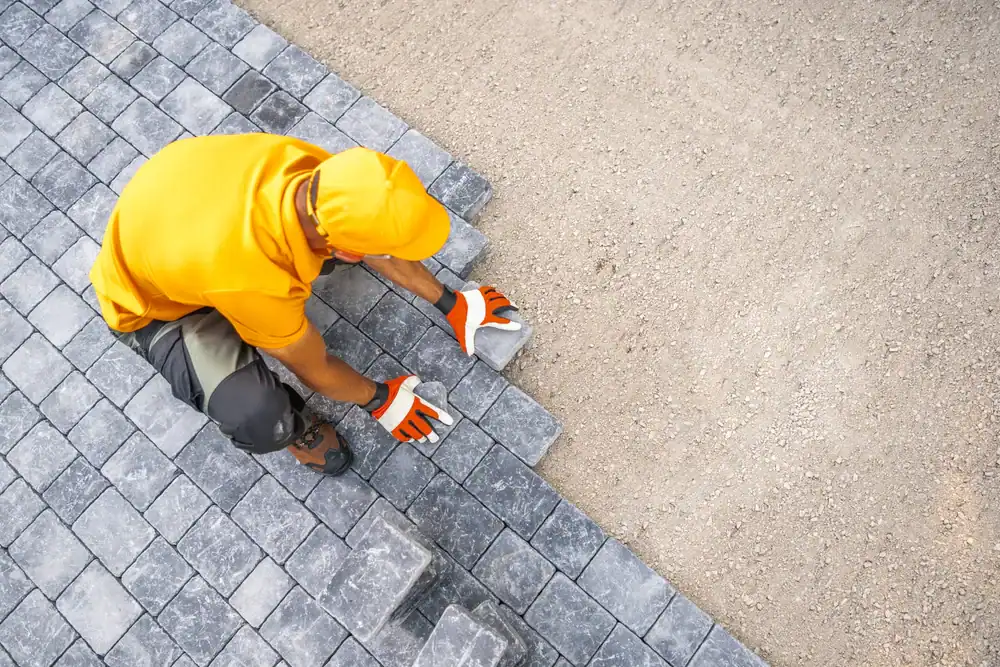
We handle residential driveways, commercial parking lots, and municipal projects across Morris, Sussex, and Somerset counties. That includes new installations, full replacements, and major repairs. If you need decorative stamped concrete or paver patios, we do that too.
Our crews are experienced with North Jersey’s climate. We know you can’t pave when temperatures drop below 50°F because the asphalt won’t bond right. We also know that fall is ideal for sealcoating as long as you get 24 to 48 hours of dry weather before winter hits.
Pricing is straightforward. Asphalt paving in New Jersey typically runs $3 to $7 per square foot depending on the scope. You’ll know what you’re paying before we start, and we’ll explain why certain steps matter for longevity.
A properly installed asphalt driveway lasts 15 to 20 years with minimal maintenance. If you sealcoat every two to three years and address small cracks early, you can push that to 25 or even 30 years.
The key is installation quality and how well the pavement handles freeze-thaw cycles. North Caldwell gets hit harder than southern parts of New Jersey, so drainage and base prep matter more here. Water is the enemy. If it pools or seeps under the asphalt, you’ll see damage fast.
Sealcoating protects the surface from UV rays, water infiltration, and everyday wear. It’s not optional if you want your driveway to last. Think of it like changing the oil in your car. Skipping it costs you more down the road.
Potholes form when water gets into cracks, freezes, and expands. Ice can exert up to 30,000 psi of pressure, which breaks apart asphalt from the inside. When temperatures rise and the ice melts, you’re left with a void under the surface.
Traffic and snowplows finish the job. Once the structure is compromised, the top layer collapses and you’ve got a pothole. This happens faster in areas with poor drainage or where the base wasn’t compacted correctly during installation.
North Caldwell sees more freeze-thaw cycles than most of New Jersey, which is why we need to account for water management and use materials that hold up under stress. Cheap asphalt or rushed installation will fail within a few seasons.
Not safely. Asphalt needs to be applied and compacted at temperatures above 50°F to bond and cure properly. When it’s too cold, the material hardens before it can be compacted, which leads to a weak surface that cracks and crumbles.
Most paving companies in New Jersey work from late spring through fall. Winter paving is risky and usually results in poor quality work that won’t last. If a contractor offers to pave your driveway in January, that’s a red flag.
The best time to pave is late spring or early fall when temperatures are stable and there’s less chance of rain interrupting the curing process. Sealcoating should be done in fall before the first freeze, as long as you get a couple of dry days for it to set.
Asphalt paving costs between $3 and $7 per square foot in New Jersey. A typical residential driveway runs anywhere from $3,000 to $6,000 depending on size, site conditions, and whether you need grading or drainage work.
Commercial paving in Northern New Jersey averages $2.25 to $3.25 per square foot. Larger projects cost less per square foot because of economies of scale, but you’re still looking at significant investment for parking lots or municipal work.
Price varies based on prep work. If your existing driveway has drainage issues or the base needs rebuilding, that adds to the cost. But skipping those steps to save money upfront means you’ll be repaving sooner than you should. It’s worth doing it right the first time, especially in a market where property values are as high as they are in North Caldwell.
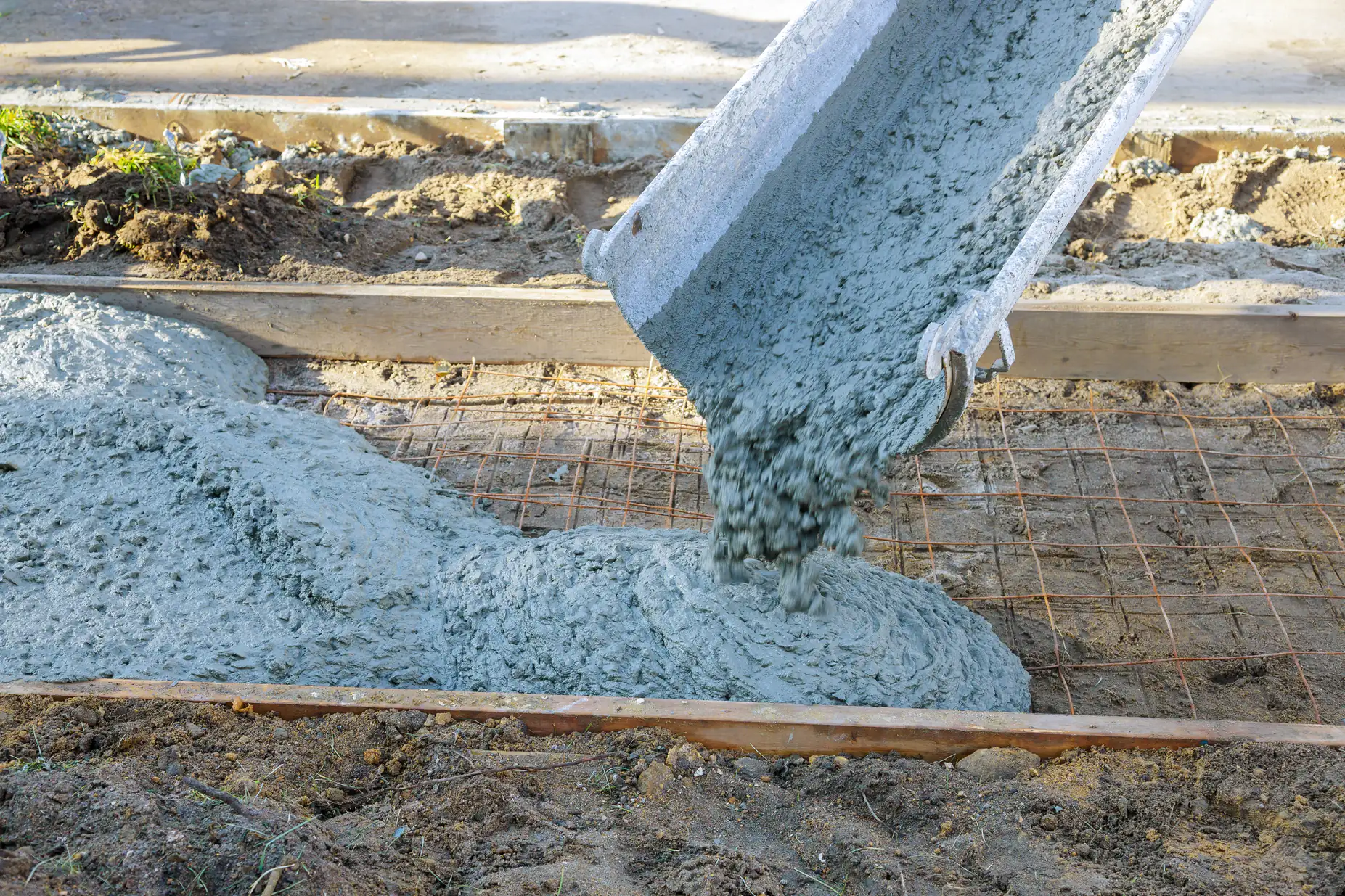
Asphalt is more flexible, which helps it handle freeze-thaw cycles better than concrete. It’s also faster to install and costs less upfront. Concrete is more rigid and can crack under pressure from ice expansion, but it lasts longer if installed correctly and requires less maintenance.
In North Caldwell, most homeowners choose asphalt because it performs better in cold climates and is easier to repair. Concrete works well for decorative applications like paver patios or stamped designs, but it’s not always the best choice for driveways that see heavy winter weather.
Both materials need proper base preparation and drainage. The real difference comes down to how you plan to use the space and what kind of maintenance you’re willing to do. Asphalt needs sealcoating every few years. Concrete needs occasional sealing but won’t require as much ongoing care.
No. Sealcoating every two to three years is enough for most driveways. Doing it more often doesn’t add much benefit and can actually cause buildup that leads to surface issues.
Sealcoating protects asphalt from UV damage, water infiltration, and surface oxidation. It also makes your driveway look clean and well-maintained, which matters if you’re thinking about resale value. In North Caldwell’s real estate market, curb appeal counts.
The best time to sealcoat is in the fall before winter hits. You need at least 24 to 48 hours of dry weather for it to cure properly. If you wait until spring, you’ve already exposed your driveway to a full season of freeze-thaw damage without protection.