
Hear from Our Customers

A properly installed driveway in Mount Hope, NJ doesn’t buckle after the first winter. Water drains away instead of pooling near your foundation. You’re not calling someone back in 18 months because the surface is already falling apart.
That’s what happens when the base is excavated to the right depth for local clay soil, when the grading accounts for drainage before the first layer goes down, and when the asphalt is applied at the correct temperature. Not when someone shows up with a discount and shortcuts the prep work.
Mount Hope gets 40 to 50 freeze-thaw cycles every year. Your pavement expands and contracts constantly. If the installation doesn’t account for that, you’ll see cracks by spring. If it does, you’re looking at 15 to 20 years of use instead of 3.
We’ve been handling residential and commercial paving projects across Morris County for over 20 years. We’re not new to Mount Hope’s soil conditions, drainage challenges, or weather patterns.
We’re licensed, insured, and we use professional-grade equipment designed for New Jersey’s climate. That means hot mix asphalt applied at proper temperature and Portland cement with rebar reinforcement when concrete makes more sense for your project.
You’ll get a detailed quote that explains what we’re doing and why. No surprise charges. No vague timelines. Just clear communication from the moment you reach out to the day we finish.

First, we look at your property. That means checking drainage, soil type, and how water moves across the area. In Mount Hope, clay soil is common, and it doesn’t absorb water quickly. If we don’t account for that during excavation and grading, your pavement won’t last.
Next, we prep the base. This is where most shortcuts happen, and it’s also where most failures start. We excavate to the right depth, compact the base properly, and make sure the grade directs water away from your home or building. If your property needs additional drainage solutions like a French drain, we’ll tell you before we start.
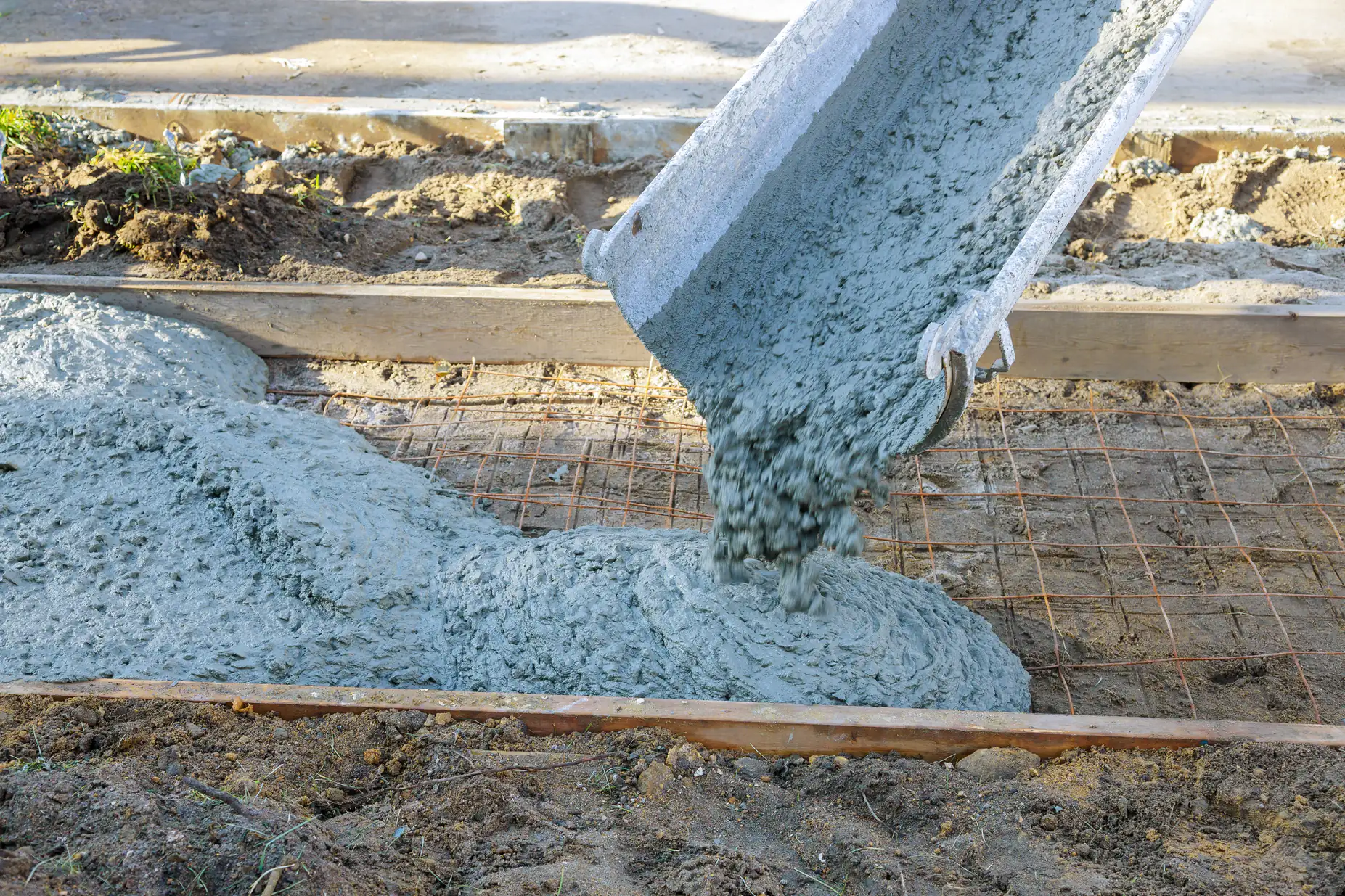
Then we install the surface. For asphalt, that means applying hot mix at the right temperature and compacting it correctly. For concrete, it means using Portland cement with rebar reinforcement and giving it time to cure. We don’t rush this part.
After installation, you’ll get a warranty on workmanship. That covers defects in installation and materials, including base failure and improper compaction. We’ll also walk you through maintenance so you know what to expect over the next 15 to 20 years.
Ready to get started?
We handle new installations, resurfacing, repairs, and maintenance for both residential driveways and commercial parking lots. That includes blacktop driveways, asphalt parking lots, concrete surfaces, and decorative options like paver patios or stamped concrete if that’s what your project needs.
For driveways in Mount Hope, we’re dealing with properties that often have newer construction and specific drainage requirements. We adjust our approach based on your lot’s grade, soil composition, and how water currently moves across the surface. If you’re dealing with standing water or erosion, we address that during the prep phase.
For commercial properties, we focus on durability and proper drainage across larger surfaces. Parking lots take more abuse than driveways, and they need a base that can handle constant traffic and North Jersey weather. We also coordinate timelines so your business isn’t disrupted longer than necessary.
Every project gets a detailed quote that outlines the scope, materials, timeline, and cost. No hidden fees. No vague language. You’ll know exactly what you’re paying for before we start.
A properly installed asphalt driveway in Mount Hope should last 15 to 20 years. That timeline assumes correct base preparation, proper drainage, and basic maintenance like sealcoating every few years.
The biggest factor is installation quality. If the base isn’t excavated deep enough or compacted correctly, you’ll see premature failure regardless of the asphalt quality. Mount Hope’s clay soil expands and contracts with moisture and temperature changes, so the base needs to account for that movement.
Weather also plays a role. North Jersey gets 40 to 50 freeze-thaw cycles annually, which means your driveway is constantly expanding and contracting. Properly installed asphalt with the right thickness and compaction handles that stress. Shortcuts during installation don’t.
Poor drainage is the number one cause of driveway failure in New Jersey. When water sits on or under the pavement, it weakens the base and accelerates deterioration. Freeze-thaw cycles make it worse because trapped water expands when it freezes, creating cracks and holes.
Inadequate base preparation is the second biggest issue. If the excavation isn’t deep enough or the base isn’t compacted properly, the asphalt will buckle and crack under normal use. This is where a lot of discount contractors cut corners because proper base work takes time and equipment.
Clay soil in Mount Hope adds another layer of complexity. Clay doesn’t drain well, so if the grading doesn’t direct water away from the pavement, you’ll have problems. Some properties need additional drainage solutions like French drains to keep water from pooling under the surface.
Most driveway paving projects in Mount Hope require a permit, especially if you’re changing the size, grade, or drainage pattern. Local building codes exist to make sure water runoff doesn’t create problems for neighboring properties or municipal drainage systems.
We handle the permit process or at least tell you what’s required before starting work. If someone tells you a permit isn’t necessary without checking your specific project, that’s a red flag.
Permit requirements vary based on property size, lot grade, and proximity to wetlands or flood zones. The process usually involves submitting a site plan that shows existing and proposed drainage patterns. It’s not complicated, but it does need to be done correctly to avoid issues down the line.
Driveway paving costs in Mount Hope typically range from $3 to $7 per square foot for asphalt, depending on the project’s complexity. A standard two-car driveway runs between $3,000 and $7,000, but that number changes based on excavation depth, drainage needs, and site access.
Concrete costs more upfront, usually $6 to $12 per square foot, but it lasts longer and requires less maintenance. Decorative options like stamped concrete or paver stones increase the cost but also add curb appeal and property value.
The biggest cost variables are base preparation and drainage solutions. If your property has poor drainage or unstable soil, you’ll need more excavation and possibly additional drainage infrastructure. That adds to the cost, but it also prevents premature failure. Paying less upfront usually means paying more later when you’re dealing with repairs or full replacement.
Asphalt costs less upfront and handles freeze-thaw cycles better because it’s more flexible. It expands and contracts with temperature changes without cracking as easily as concrete. The tradeoff is that asphalt needs sealcoating every 2 to 3 years and typically lasts 15 to 20 years with proper maintenance.
Concrete costs more initially but lasts 25 to 30 years or longer with minimal maintenance. It doesn’t need sealcoating, and it holds up better in high-heat conditions. The downside is that concrete cracks more easily during freeze-thaw cycles if it’s not installed with proper reinforcement and control joints.
For Mount Hope’s climate, both materials work if they’re installed correctly. Asphalt makes sense if you want lower upfront costs and don’t mind periodic maintenance. Concrete makes sense if you want a longer-lasting surface and prefer less ongoing upkeep. Either way, the installation quality matters more than the material choice.
Watch for contractors who don’t talk about base preparation or drainage during the estimate. If someone gives you a price without asking about soil conditions, current drainage issues, or how water moves across your property, they’re probably planning to skip important steps.
Ask about excavation depth and base compaction. A proper installation in Mount Hope requires excavating deep enough to account for clay soil and compacting the base in layers. If the contractor can’t explain their process or gives vague answers, that’s a warning sign.
Check for proper licensing and insurance, and ask about warranties. Legitimate paving companies carry insurance and offer warranties on workmanship. If someone offers a steep discount but won’t provide proof of insurance or a written warranty, you’re taking on significant risk. Most installation shortcuts don’t show up until a year or two later, and by then, that contractor is long gone.