
Hear from Our Customers

Your driveway stops being a problem. No more standing water after rainstorms. No more worrying whether that crack will turn into a pothole before winter ends.
The surface drains properly because we grade it that way from the start. It handles the weight of your vehicles without sinking or rutting because the base is compacted to spec, not just eyeballed.
You’re not calling someone back in two years for repairs that shouldn’t be necessary yet. The asphalt we lay down is hot mix applied at the right temperature, and if you’re going with concrete, it’s Portland cement with rebar reinforcement. Both options are built to handle what North Jersey throws at them—40 to 50 freeze-thaw cycles every winter, heavy summer humidity, and everything in between.
We’ve worked in Morris, Essex, Somerset, and Sussex Counties long enough to know what fails and why. We’ve seen what happens when contractors skip proper drainage planning or don’t compact the base correctly. We’ve also seen what lasts.
The Montclair State University area sits in a part of New Jersey where winter does real damage. Water gets into pavement, freezes, expands, and cracks everything that wasn’t installed with that cycle in mind. We account for it on every job.
You’ll get a quote within 24 to 48 hours of reaching out. No runaround. No surprise charges later. Just clear pricing and a timeline we actually stick to.

We start by looking at your property. That means checking drainage, soil stability, and the condition of any existing pavement. If there’s a problem with how water moves across your driveway or parking lot, we catch it now, not after the asphalt is down.
Next comes site prep. We excavate to the right depth, bring in quality base material, and compact it in layers. This part matters more than most people realize—your pavement is only as good as what’s underneath it.
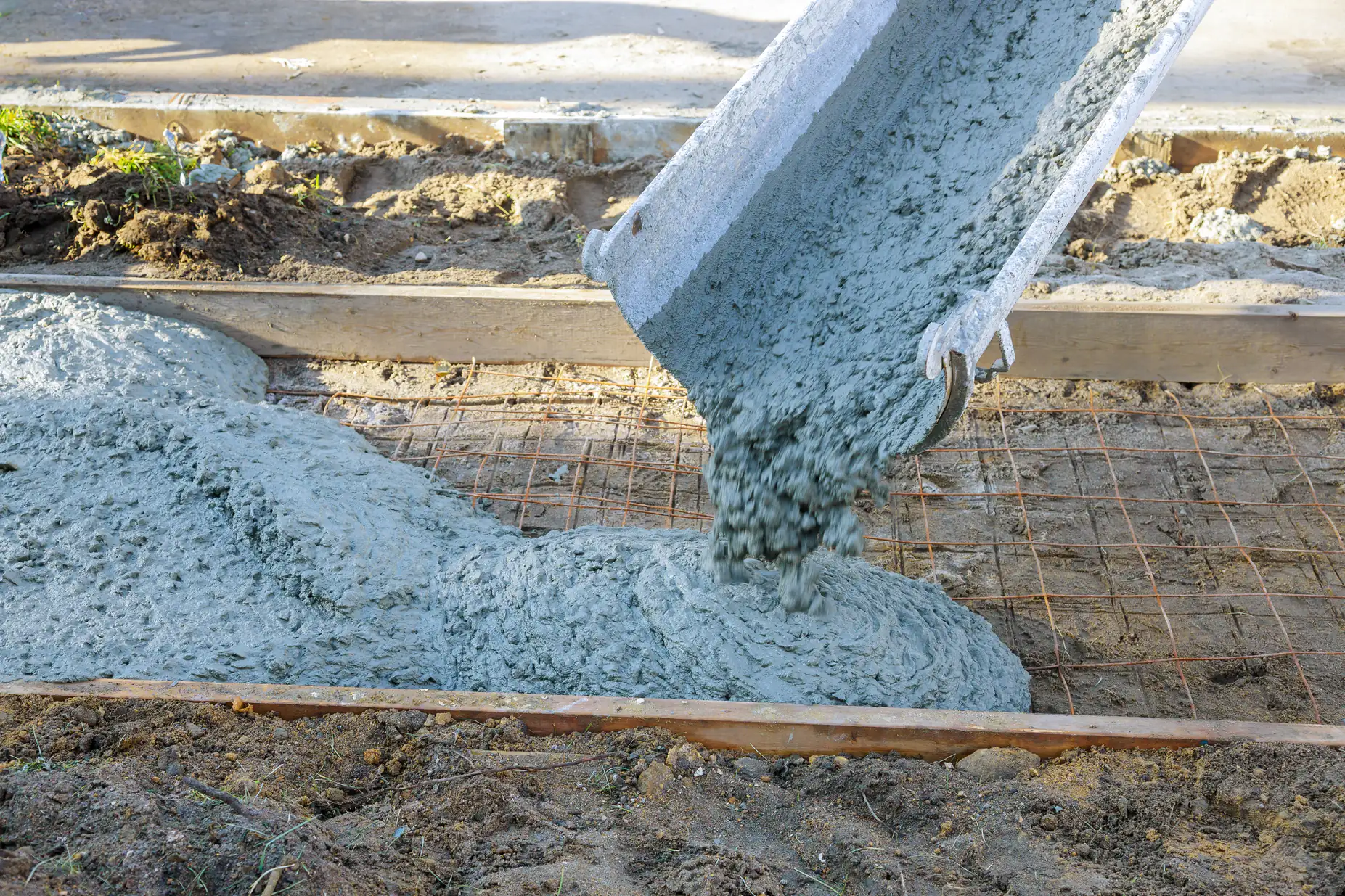
Then we pave. For asphalt, that’s hot mix asphalt applied at proper temperature and rolled to the right density. For concrete, it’s a Portland cement mix with rebar reinforcement, finished however you want it—standard broom finish or decorative stamped patterns if that’s your preference.
After that, you let it cure. We’ll tell you exactly how long to stay off it. Then it’s done, and you’ve got a surface that works the way it should.
Ready to get started?
You’re getting a full-service paving contractor. That means driveways, parking lots, roadways, patching, resurfacing—whatever the project calls for. Residential or commercial, the process is the same: proper prep, quality materials, no shortcuts.
Around Montclair State University and the surrounding Essex County areas, drainage is critical. Properties here deal with runoff from storms and snowmelt that can destroy a poorly planned driveway in just a few seasons. We design grading and drainage into every job so water goes where it’s supposed to.
We also handle sealcoating and striping. Sealcoating extends the life of asphalt by protecting it from UV damage, water infiltration, and chemicals. Striping keeps your parking lot functional and compliant. Both services are part of long-term pavement management, not just aesthetics.
If you’re near campus or in surrounding towns like Clifton, Bloomfield, or Little Falls, you’re in our service area. We know the local soil conditions, the permit requirements, and what the climate does to pavement over time.
A properly installed asphalt driveway in New Jersey typically lasts 15 to 25 years, sometimes longer with regular maintenance. The wide range comes down to installation quality and how well you maintain it.
New Jersey’s climate is tough on pavement. You’re looking at 40 to 50 freeze-thaw cycles each winter in Morris and Essex Counties. Water seeps into small cracks, freezes, expands, and makes those cracks bigger. Do that 40 times a season and minor damage becomes major fast.
If the base wasn’t compacted right or the drainage wasn’t planned properly, you’ll see failure much sooner—sometimes within five to seven years. That’s why the prep work matters more than the asphalt itself. Sealcoating every two to three years adds protection and can push your driveway into that 20 to 25-year range without needing major repairs.
Yes, most driveway paving projects in Montclair and surrounding towns require a permit. Skipping this step can result in fines, work stoppages, or being forced to remove the new pavement entirely.
Local municipalities want to make sure your driveway meets zoning requirements, doesn’t create drainage problems for neighboring properties, and follows setback rules. Some towns also have stormwater management regulations that apply to paving projects over a certain square footage.
We handle permit coordination as part of the process, so you’re not stuck figuring out what forms to file or which department to contact. Requirements vary by town—what’s needed in Montclair might be different from what’s required in Bloomfield or Verona—but we’ve worked in all of them and know what each municipality expects. It’s one less thing for you to manage, and it keeps the project moving without delays.
Asphalt costs less upfront, handles freeze-thaw cycles better, and is easier to repair. Concrete costs more initially, lasts longer if installed correctly, and offers more design options like stamped patterns or decorative finishes.
In New Jersey, asphalt is the more common choice for driveways because it flexes slightly during freeze-thaw cycles instead of cracking. Concrete is rigid, so if water gets underneath and freezes, it can crack the slab. That said, a well-installed concrete driveway with proper rebar reinforcement and control joints can last 30 years or more.
Maintenance differs too. Asphalt needs sealcoating every few years to protect it from water and UV damage. Concrete doesn’t need sealing as often, but when it cracks, repairs are more visible and harder to blend in. If you want a decorative look or a surface that stays lighter in color, concrete makes sense. If you want something durable and cost-effective that’s easy to patch, asphalt is usually the better call.
Most residential asphalt driveways in the Montclair area run between $3,000 and $8,000 depending on size, site conditions, and how much prep work is needed. Concrete driveways typically cost more, often in the $5,000 to $12,000 range for similar-sized projects.
Price depends on square footage, the condition of the existing base, drainage issues, and whether we’re tearing out old pavement or starting fresh. A straightforward 600-square-foot driveway with good drainage and stable soil costs less than a 1,200-square-foot project on a slope with poor runoff and clay soil that needs extra base material.
We give you a clear estimate upfront with no surprise charges. That includes excavation, base material, compaction, paving, and cleanup. If your property needs additional drainage work or grading adjustments, we’ll tell you that during the site visit, not after we’ve already started. You’ll know what you’re paying for and why before any work begins.
Late spring through early fall—roughly May through October—is the best window for paving in New Jersey. Asphalt needs warm temperatures to cure properly, and concrete needs consistent conditions without the risk of freezing overnight.
Asphalt plants typically close or reduce production during winter months because the material has to be applied hot and compacted before it cools too much. If the ground temperature is too cold, the asphalt won’t bond correctly to the base, and you’ll end up with premature failure.
Concrete can crack if it freezes before it’s fully cured, which takes about a week under good conditions. Even if daytime temperatures are warm in late fall, overnight freezes can ruin a fresh pour. Summer works, but extreme heat can cause concrete to cure too fast and crack, so mid-temperature months like May, June, September, and early October are ideal. If you’re planning a project, reaching out in early spring gets you on the schedule before the busy season fills up.
If you’ve got a few small cracks and the surface is still mostly intact, repair usually makes sense. If you’re seeing widespread cracking, potholes, standing water, or sections that have sunk, replacement is probably the better move.
Small cracks—anything under a quarter-inch wide—can be filled and sealed before they turn into bigger problems. Potholes can be patched if they’re isolated and the surrounding pavement is still solid. But if more than 30% of your driveway is damaged, or if the base has failed and sections are sinking, patching becomes a waste of money. You’re just delaying the inevitable.
Standing water is a red flag. It means the driveway isn’t draining properly, which usually points to a base problem or poor grading. That’s not something you can fix with sealcoating or crack filling. We’ll assess the damage during a site visit and tell you honestly whether repair makes sense or if you’re better off replacing it. There’s no point in spending money on a fix that won’t last.