
Hear from Our Customers

Your driveway stops turning into a maintenance nightmare every spring. No more watching cracks spread after winter or dealing with potholes that appear overnight when temperatures swing.
Proper installation means the base gets graded correctly, water drains where it should, and the asphalt gets compacted to the right density. That’s the difference between pavement that lasts 15-20 years and pavement that starts failing in three.
You’re not just getting a smooth surface. You’re getting drainage solutions that prevent water from pooling near your foundation, materials engineered for New Jersey’s climate, and installation techniques that account for the clay soils common around Somerset County.
We handle residential driveways and commercial parking lots across Morris, Sussex, and Somerset County. We’re fully licensed, insured, and BBB accredited because your peace of mind matters as much as the quality of work.
When you call, you’re talking to people who know what works in Millington specifically. The drainage challenges that come with the terrain here, the way winter weather tests every installation, the soil conditions that require proper base preparation.
We’re a family-owned company, which means Dominick and his crew treat every project like it’s going in their own driveway. You’ll get clear pricing upfront, no surprises, and a 24-48 hour callback guarantee when you request a quote online.

First, we evaluate your property for drainage issues and base conditions. This isn’t a quick glance—it’s checking for potential water problems, measuring grades, and identifying weak soil that needs excavation before any asphalt goes down.
Next comes base preparation, which determines whether your pavement lasts or fails. We remove old asphalt if needed, excavate weak soil, and install compacted aggregate layers. The grading gets adjusted so water flows away from your foundation, not toward it.
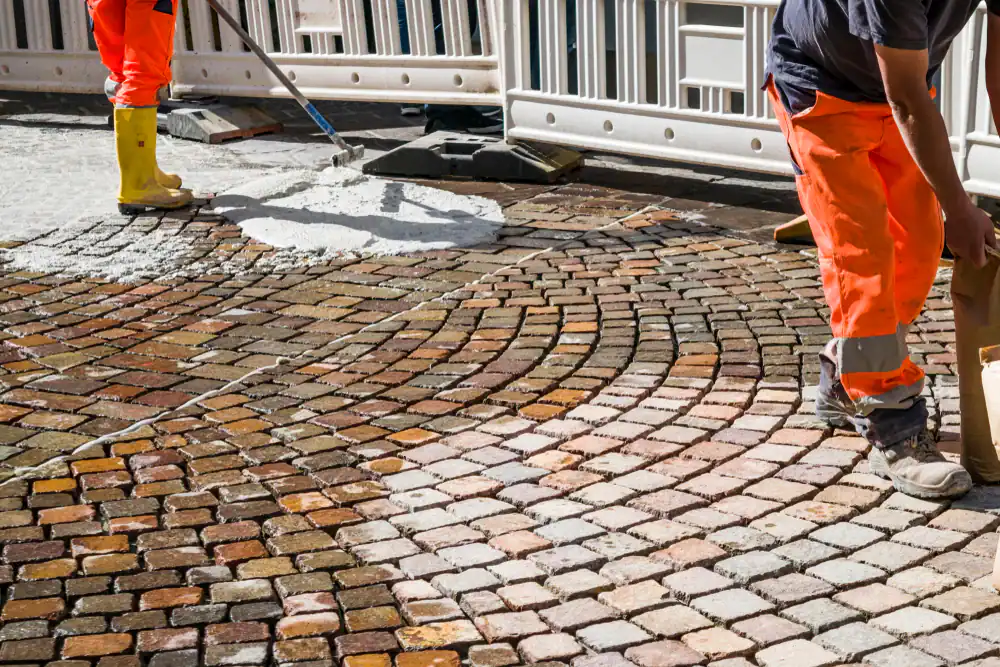
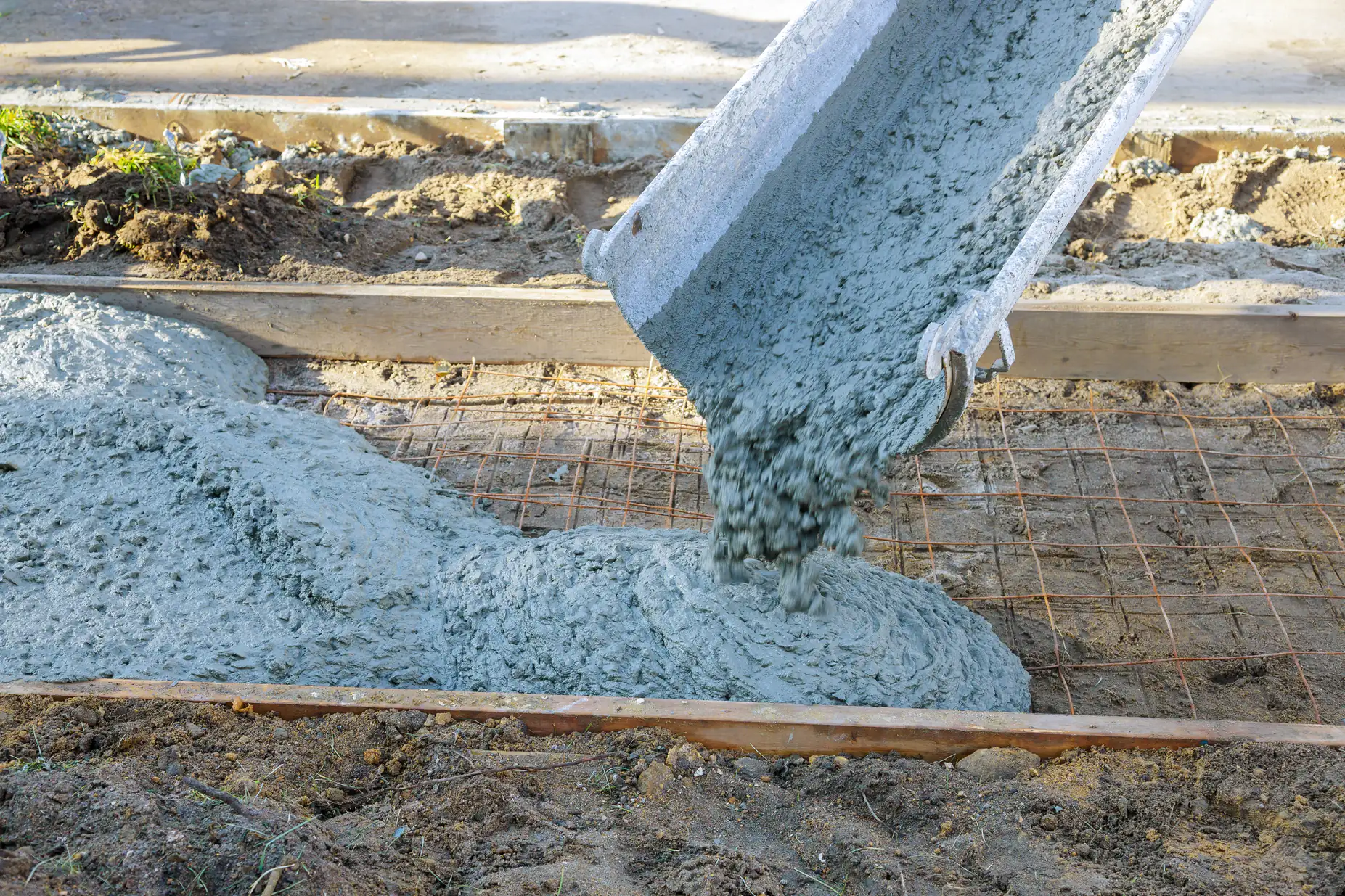
Then we apply hot mix asphalt at the proper temperature using commercial-grade equipment. The material gets compacted with heavy rollers to the right density—not rushed, not skipped. For concrete work, we use Portland cement mixes with rebar reinforcement designed to handle freeze-thaw cycles.
You’ll know the timeline before we start, and we stick to it. Most residential driveways take 2-3 days depending on size and base work needed. Commercial projects vary, but you’ll get a realistic schedule upfront.
Ready to get started?
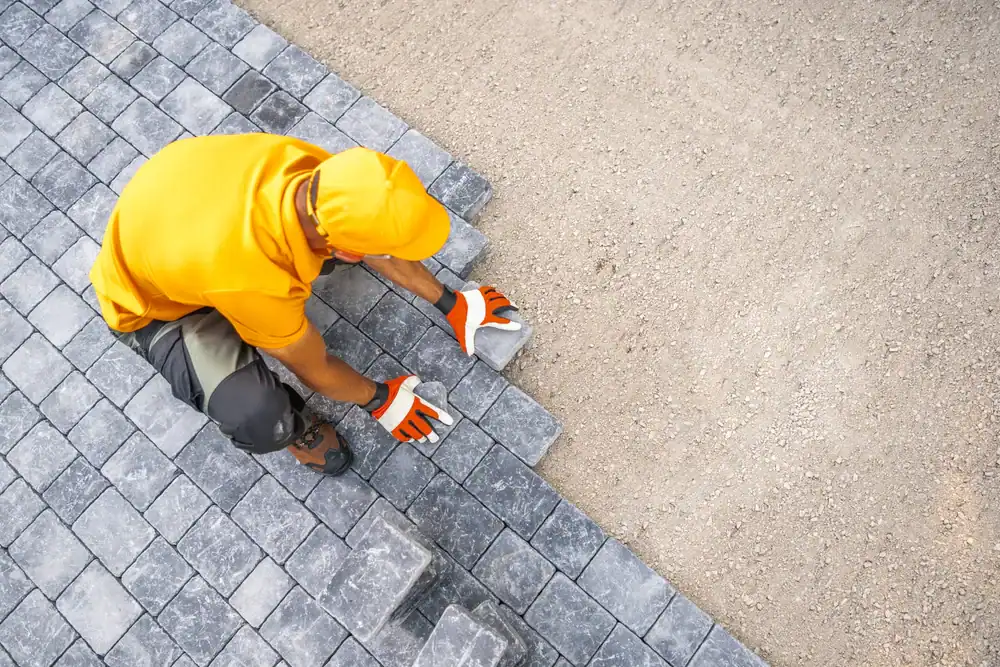
Every paving project includes proper site preparation—the step cheap contractors skip. That means excavating weak soil, installing compacted stone base, and grading for correct water runoff. Without this, your pavement fails early no matter how good the asphalt looks on top.
You’re getting materials chosen for North New Jersey’s climate. Hot mix asphalt that stays flexible through seasonal expansion and contraction. Concrete mixes engineered to resist the freeze-thaw cycles that hit this area harder than Central or South Jersey—about 40% more cycles per winter.
Drainage solutions get built into the installation, not added later as an expensive fix. This might involve adjusting grades, installing French drains, or redirecting water flow. Water is what destroys driveways faster than anything else in this region.
For commercial properties in Millington, you’re getting parking lot paving that meets municipal requirements, includes proper striping, and accounts for the heavier loads and traffic patterns your lot handles. The installation follows industry standards for thickness and compaction based on your specific use.
Properly installed asphalt driveways last 15-20 years with regular maintenance. The key factors are correct installation techniques, climate-appropriate materials, and sealcoating every 2-3 years.
North New Jersey gets hit with more freeze-thaw cycles than most property owners realize—about 40% more than Central Jersey. When water freezes, it expands with up to 30,000 psi of pressure against pavement. That’s why proper base preparation and drainage matter so much here.
Cheap installations that skip base work or use insufficient thickness start showing cracks and potholes within 3-5 years. You’ll spend more fixing problems than you saved on the initial install. The determining factor isn’t the asphalt itself—it’s what happens before the asphalt goes down.
Asphalt costs less upfront and handles freeze-thaw cycles better because it’s flexible. Concrete costs more initially but lasts longer and offers decorative options like stamped patterns.
For Millington’s climate, asphalt’s flexibility is an advantage. It expands and contracts with temperature changes without cracking when installed correctly. Concrete is rigid, so it requires control joints and proper reinforcement to prevent cracking during winter.
Asphalt needs sealcoating every 2-3 years to maintain protection. Concrete requires less maintenance but shows stains more easily and costs significantly more to repair if it does crack. Most residential driveways in this area use asphalt because it delivers better value for the climate conditions you’re dealing with.
Low bids usually mean skipped steps. Proper paving requires excavation, stone base installation, correct grading, adequate asphalt thickness, and proper compaction. Each step costs money, and cutting corners shows up fast.
A contractor charging 30-40% less is either using thinner asphalt, skipping base preparation, rushing compaction, or not carrying proper insurance. You might not see the difference for a year or two, but then cracks appear, drainage problems develop, and you’re paying to fix it.
Asphalt material costs have increased significantly—liquid asphalt went from $299 per ton in 2016 to $460 per ton in 2021. That’s a real cost every legitimate paving company faces. When someone’s price seems too good to be true, they’re cutting something you’ll pay for later.
If you’re seeing widespread cracking, multiple potholes, or significant settling, replacement usually makes more sense than patching. Surface cracks and minor damage can be repaired, but base failure requires starting over.
Look at the drainage. If water pools on the surface or you’re getting frost heaving every winter, the base wasn’t installed correctly. Patching won’t fix that—you need proper grading and base work, which means replacement.
Age matters too. If your asphalt is 15+ years old and showing multiple problems, you’re past the point where repairs extend its life meaningfully. A proper evaluation looks at the base condition, not just surface damage. We’ll tell you honestly whether repair or replacement makes sense for your specific situation.
Verify they’re licensed, insured, and actually local to North New Jersey. Ask about their base preparation process specifically—that’s where quality separates from cheap work.
Get details on material specs. What thickness of asphalt are they installing? What type of base material and how many inches? How do they handle drainage? Vague answers or contractors who can’t explain their process are red flags.
Check how long they’ve been working in this area. North Jersey’s climate requires specific knowledge—proper compaction techniques for clay soils, drainage solutions for rolling terrain, materials that handle freeze-thaw cycles. A contractor from out of the area won’t know what works here. References from recent local projects tell you more than any marketing claims.
Late spring through early fall gives you the best results. Asphalt needs warm temperatures to stay pliable during installation and cure correctly for maximum durability.
We can work in cooler weather, but hot mix asphalt performs best when ambient temperatures are consistently above 50°F. The heat helps with compaction and allows the material to bond properly. Cold weather installations require special techniques and don’t cure as well.
Plan ahead if you’re targeting summer months. That’s peak season for paving companies near Millington, and schedules fill up. Calling in early spring for a late spring or summer installation gives you better scheduling flexibility. Fall works too, but you’re racing against temperature drops that end the paving season.