
Hear from Our Customers

A well-installed driveway doesn’t crack after the first winter. It doesn’t pool water near your foundation. It doesn’t need patching every spring because the base wasn’t done right.
When you’re comparing paving contractors, most focus on the top layer. The real difference is what happens before any asphalt gets laid. Proper excavation depth, the right base material for local soil conditions, and grading that moves water away from your property.
That’s what determines whether your driveway lasts five years or twenty. In Middlebush and throughout Somerset County, the soil and weather patterns demand specific installation techniques. Water needs somewhere to go during heavy rain. The base needs to handle freeze-thaw cycles without shifting.
A quality paving job returns 50-75% of your investment when you sell. A poor one costs you twice—once for the initial install, again for premature replacement.
We’ve been handling residential and commercial paving across Morris, Somerset, and Sussex Counties for over 20 years. We’re not a crew that shows up, lays blacktop, and disappears.
We’re licensed, insured, and equipped to handle everything from residential driveways to commercial parking lots. Our work comes with warranty coverage because we use high-grade hot mix asphalt applied at proper temperature and Portland cement mixes reinforced with rebar when the project calls for it.
Middlebush properties—especially the 45% that are attached rowhomes—often have unique drainage challenges and space constraints. We’ve handled enough local jobs to know what works and what fails after a few seasons.

Most residential driveways take one to two days. Day one is excavation and base prep. We remove old material, excavate to proper depth based on your soil conditions, and install the base layer. This is where drainage gets addressed—grading the surface so water flows away from your home.
Day two is asphalt installation. The material arrives hot and gets spread, graded, and compacted while it’s still at optimal temperature. Proper compaction is what prevents premature cracking and settling.
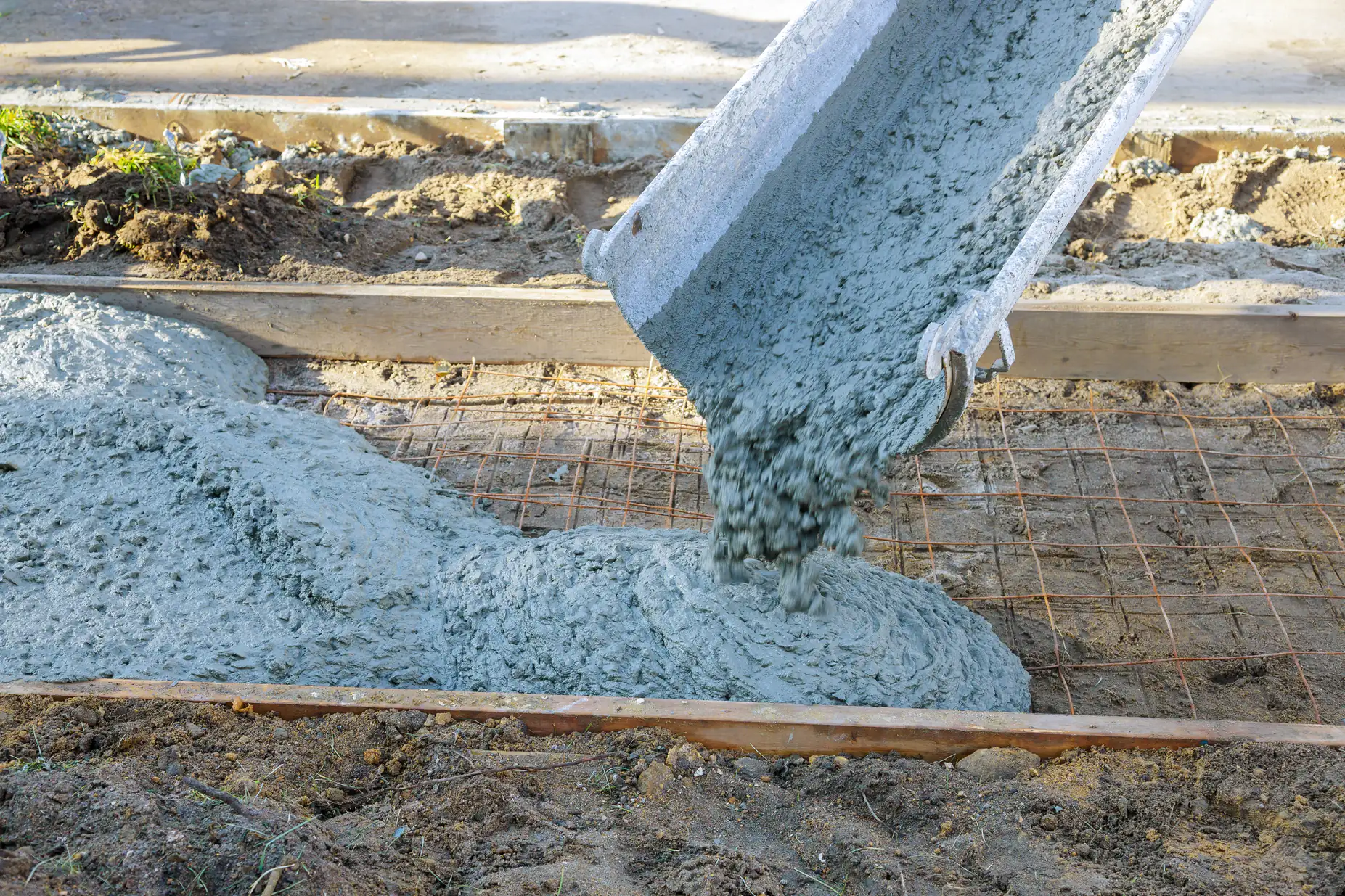
For concrete work, the timeline extends because concrete needs time to cure. We form the area, install rebar reinforcement, pour the mix, and finish the surface. If you’re getting decorative stamped concrete, that patterning happens before the concrete fully sets.
Larger commercial projects like parking lots follow the same principles but scale up. We’re talking heavier equipment, thicker base layers, and coordination around your business hours so we’re not blocking customer access.
You’ll get a detailed estimate upfront that breaks down materials, labor, and site prep. No surprise charges. We also provide a 24-48 hour callback guarantee when you request a quote online.
Ready to get started?
Every paving project starts with site assessment. We look at drainage patterns, existing damage, soil conditions, and how the surface connects to other structures. This determines excavation depth and base requirements.
For asphalt work, that means removing old pavement if it’s beyond repair—usually when more than 30% shows cracking, potholes, or drainage problems. We excavate to the right depth, install a compacted aggregate base, and ensure proper slope for water runoff. Then we apply hot mix asphalt at the correct temperature and compact it for a dense, weather-resistant finish.
Concrete projects get similar attention to base prep, plus the addition of rebar reinforcement for strength. We offer standard concrete finishes and decorative stamped patterns if you want something beyond basic gray.
In Middlebush specifically, we see a lot of properties where water management is critical. The area’s housing density and soil composition mean poor drainage doesn’t just damage your pavement—it can affect neighboring properties. We grade everything to direct water appropriately, whether that’s toward street drains or designated runoff areas.
Both asphalt and concrete services include cleanup and proper curing time before you can use the surface. Asphalt is typically ready for light traffic within 24 hours. Concrete needs several days before it can handle vehicle weight.
Properly installed asphalt lasts 15-25 years in New Jersey, but that lifespan depends entirely on installation quality and maintenance. The freeze-thaw cycles here are brutal on pavement. Water seeps into small cracks, freezes, expands, and breaks apart the asphalt from the inside.
The key is starting with adequate base depth and proper compaction. If the base shifts or settles, the asphalt above it cracks. We excavate deeper than minimum requirements because local soil conditions demand it. A solid base doesn’t move when the ground freezes.
Maintenance matters too. Sealcoating every 2-3 years protects the surface from water penetration and UV damage. Small cracks should get filled before they spread. Neglected asphalt might only last 8-10 years before it needs replacement.
Asphalt costs less upfront—typically $3-7 per square foot versus $4-8 for concrete. It’s ready to use faster, handles freeze-thaw cycles well when installed correctly, and repairs are simpler. The tradeoff is more frequent maintenance. You’ll need to sealcoat asphalt every few years.
Concrete lasts longer with less maintenance but costs more initially and takes longer to install. It can crack in cold weather if not properly reinforced, and repairs are more visible. Concrete also offers decorative options like stamped patterns and color that asphalt doesn’t.
For most Middlebush residential driveways, asphalt makes sense financially. It performs well in our climate and the maintenance requirements aren’t excessive. Concrete is worth considering if you want a specific aesthetic or plan to stay in the property long-term. The higher upfront cost spreads out over a longer lifespan.
When more than 30% of the surface shows damage—cracks, potholes, or significant settling—replacement usually makes more financial sense than patching. Repairs work for isolated problems, but widespread damage means the base layer has likely failed.
Look for these signs: multiple potholes, large cracked areas, edges crumbling away, or water pooling in the same spots after rain. If your driveway is over 20 years old and showing any of these issues, the base has probably deteriorated beyond what surface repairs can fix.
Patching might buy you a year or two, but you’re putting new material over a failing foundation. It’ll crack again quickly. We’ll assess your specific situation and tell you honestly whether repair or replacement makes sense. Sometimes a section can be cut out and replaced while the rest stays. Other times, starting fresh is the only way to get a driveway that actually lasts.
Verify they’re licensed and insured—both liability and workers compensation. This protects you if someone gets hurt on your property or if the work damages something. Ask to see current certificates.
Get a detailed written estimate that breaks down materials, labor, site prep, and disposal costs. Vague quotes that just list a total price are a red flag. You should understand exactly what you’re paying for.
Ask about their process for base preparation and drainage. This is where inexperienced contractors cut corners. If they can’t explain how they’ll handle water runoff or what base depth they’ll use for your soil type, keep looking.
Check how long they’ve been working in your area. Local experience matters because soil conditions, drainage requirements, and weather patterns vary. A paving company that understands Somerset County won’t make the same mistakes as one that’s new to the region. References from nearby projects tell you more than generic reviews.
Light vehicle traffic is usually fine after 24 hours, but the asphalt continues curing for several months. Avoid parking in the same spot repeatedly during the first week—tires can leave impressions in asphalt that hasn’t fully hardened.
Heavy vehicles or equipment should stay off for at least three days. Hot weather extends curing time because the asphalt stays softer longer. If we pave your driveway in July, be extra cautious that first week.
Don’t turn your steering wheel while the vehicle is stationary for the first month. That twisting motion can scuff the surface. Edge support takes time to develop, so avoid driving right along the sides initially.
We’ll give you specific guidance based on weather conditions when we finish your project. Asphalt installed in cooler months firms up faster than summer paving. The material needs time to reach full strength, but you’re not looking at weeks of being unable to use your driveway—just some common-sense precautions those first few days.
Yes, we handle commercial paving throughout Somerset County, including parking lots, loading areas, and access roads. Commercial work requires heavier base layers and thicker asphalt to handle constant traffic and heavy vehicles.
We coordinate around your business hours to minimize disruption. Depending on the project size, we can work in phases so you don’t lose all your parking at once. Striping, curbing, and ADA-compliant access are all part of the scope.
Poor drainage is the main reason commercial parking lots fail early. We design grading that directs water to catch basins or designated runoff areas. Pooling water accelerates pavement deterioration and creates liability issues.
Commercial projects get the same attention to base prep and material quality as residential work—just scaled up. We’ll provide a detailed timeline and work plan before starting so you know exactly what to expect and when different areas will be accessible again.