
Hear from Our Customers

Your pavement takes a beating. Water seeps into cracks, freezes overnight, expands, and pushes everything outward. By spring, you’re looking at potholes, crumbling edges, and a surface that’s deteriorating faster than it should.
Most paving companies near me skip the steps that matter. They rush the base prep, use subpar materials, or ignore drainage entirely. You end up paying twice—once for the install, again for the repair.
Proper pavement work starts below the surface. That means excavating to the right depth, grading for water runoff, and laying a compacted aggregate base that won’t shift when temperatures drop. The asphalt or concrete that goes on top is only as good as what’s underneath it. When the base fails, everything fails.
You’re not looking for the cheapest option. You’re looking for pavement that lasts, drains properly, and doesn’t turn into a maintenance nightmare every spring.
We’ve been working in Morris, Somerset, and Sussex Counties for over 20 years. We’ve paved driveways in Lyons, parking lots in Morristown, and commercial surfaces across towns that deal with the same weather patterns, soil conditions, and drainage challenges.
We’re not a crew that shows up, lays blacktop, and disappears. Every job gets proper site prep, high-grade hot mix asphalt applied at the right temperature, and attention to the details that prevent callbacks. If you request a quote online, you’ll hear back within 24 to 48 hours with clear pricing and no surprise charges later.
You’ll find us throughout the area—from Newark and East Orange to Newton and Vernon Valley. We’ve seen what works and what doesn’t when it comes to pavement in North Jersey.

It starts with an assessment of your site. We look at drainage, existing base conditions, and how water moves across your property. If the ground slopes toward your foundation or pools in low spots, that gets addressed before any paving happens.
Next comes excavation and grading. We remove old pavement or unsuitable soil, then build up a compacted aggregate base. This layer is what keeps your driveway or parking lot from sinking or shifting over time. Skipping this step is why so many asphalt companies near me end up redoing jobs within a few years.
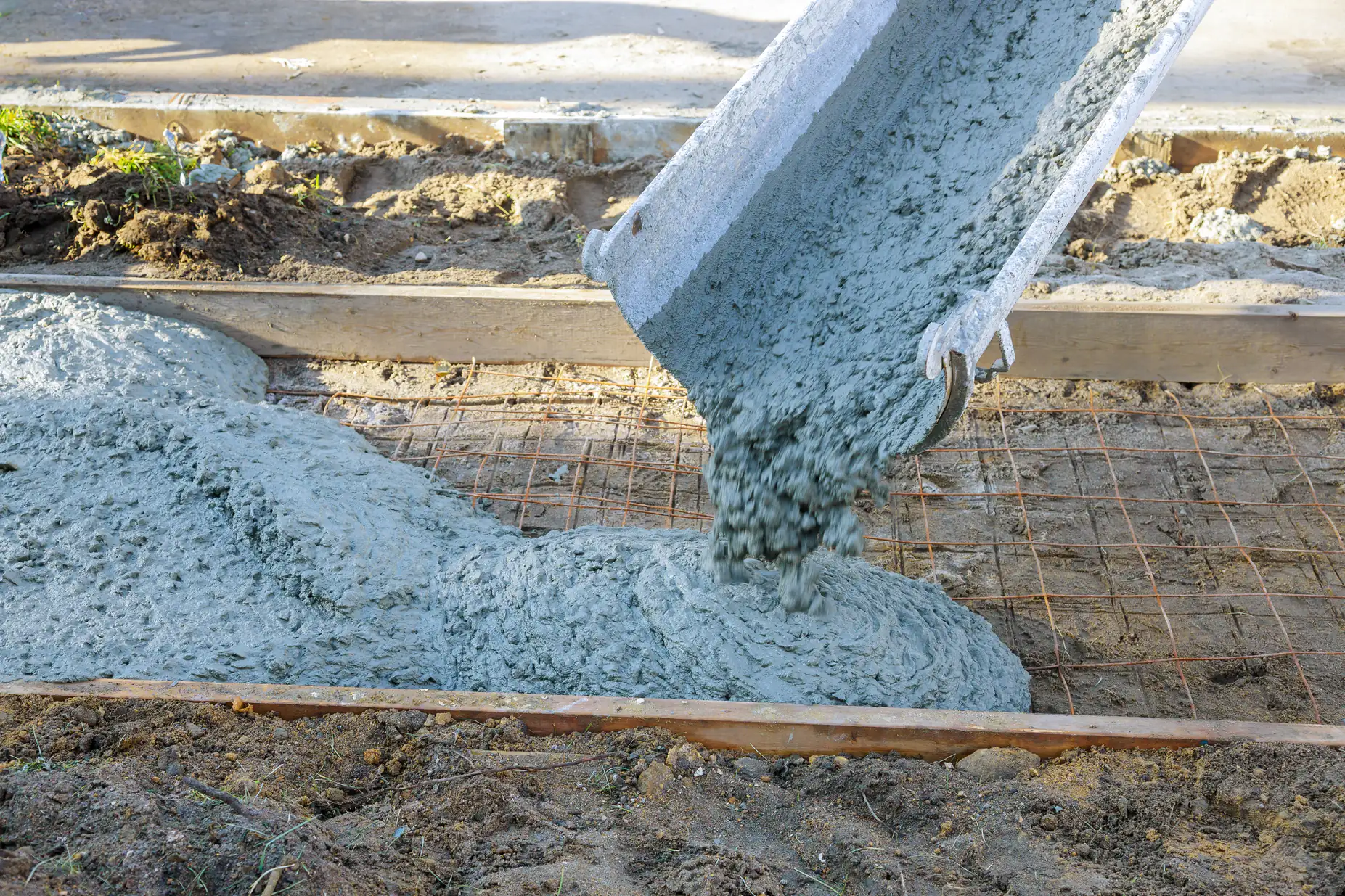
Once the base is set, we bring in the asphalt or pour the concrete. For asphalt, that means high-grade HMA applied while it’s hot and compacted immediately. For concrete, we use Portland cement mixes with rebar reinforcement to handle load stress and temperature swings. If you want decorative stamped patterns, that’s an option too.
After installation, we walk you through maintenance basics. Sealcoating every few years, crack filling when needed, and keeping water from sitting on the surface. Pavement doesn’t maintain itself, but it also doesn’t need constant repairs if it’s done right from the start.
Ready to get started?
You’re getting more than just a layer of asphalt or concrete. Every project includes site evaluation, proper grading for drainage, and a base that’s built to last. We handle driveways, parking lots, walkways, and paver patios—residential and commercial.
Morris County’s infrastructure demands are only increasing. With construction spending up 13% in 2025 and another 5% projected for 2026, property owners are investing in surfaces that won’t need replacement in five years. That means using materials that meet commercial-grade standards, even on residential jobs.
If you’re comparing paving companies near me, ask about their base prep process. Most failures trace back to shortcuts during excavation or using the wrong aggregate. We don’t skip steps to save time. You get a compacted base, proper thickness, and attention to how water drains off your property.
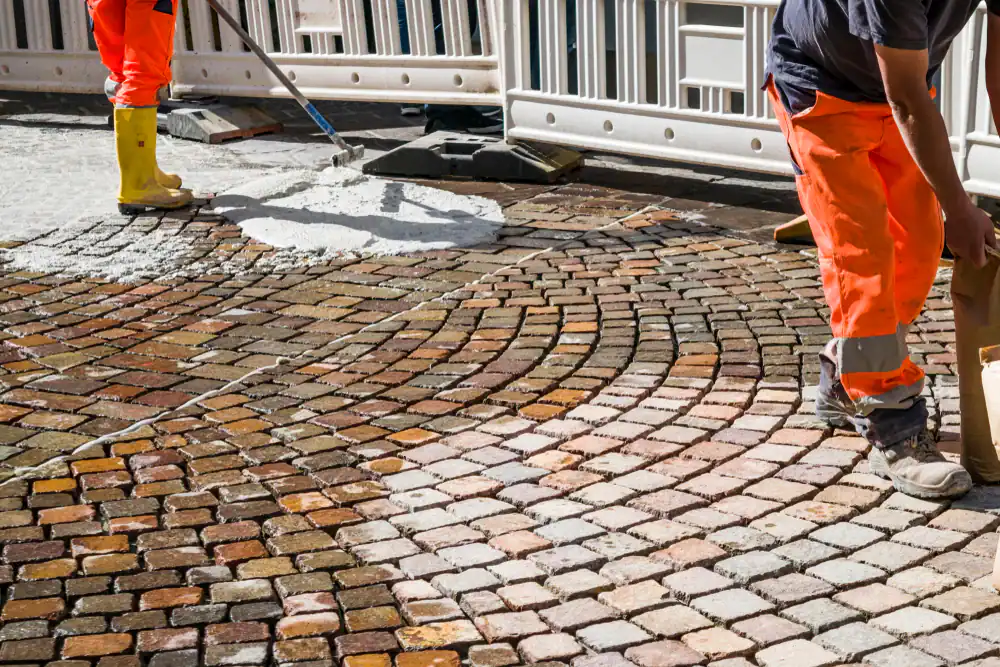
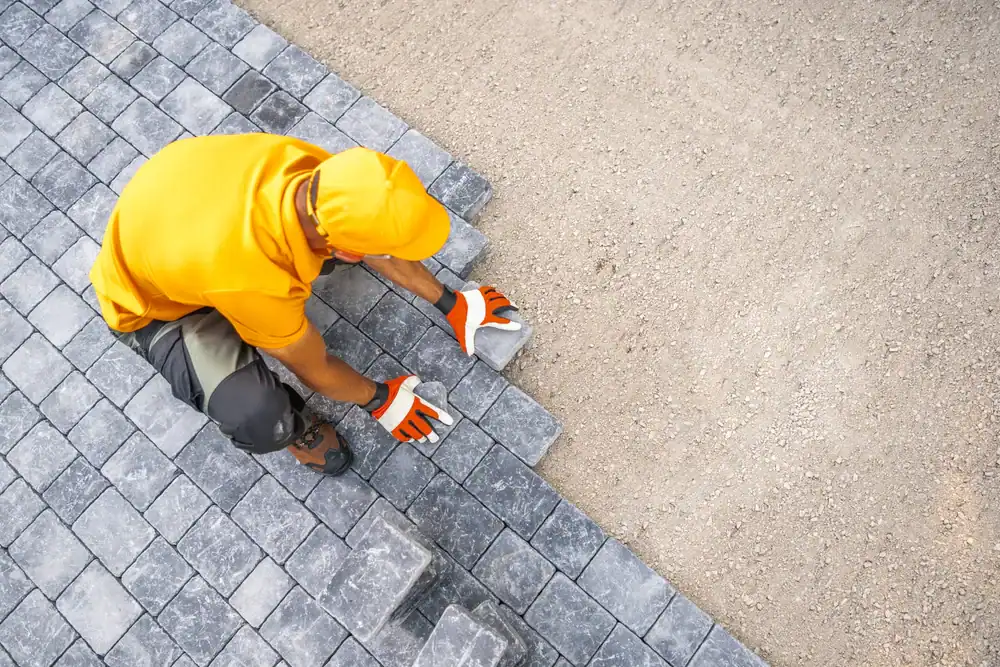
For decorative work, paver stones and stamped concrete give you design flexibility without sacrificing durability. These options work well for patios, walkways, and areas where you want something beyond standard blacktop. The installation process is more detailed, but the result holds up to traffic and weather just like traditional paving.
Lyons sits in an area where freeze-thaw cycles are constant. Your pavement contractor needs to account for that. We do.
Asphalt typically lasts 15 to 25 years in New Jersey if it’s installed correctly and maintained. The wide range comes down to base quality, drainage, and how well you stay on top of sealcoating and crack repair.
New Jersey’s freeze-thaw cycles are brutal on pavement. Water gets into small cracks, freezes overnight, expands, and creates bigger cracks. If you ignore maintenance, that 25-year lifespan drops to 10 or less. Sealcoating every two to three years protects the surface from water infiltration and UV damage.
The base matters more than most people realize. If your paving contractor cuts corners on excavation or uses poor-quality aggregate, the asphalt will start cracking and settling within a few years no matter how good the top layer is. Proper installation costs more upfront but saves you from repaving too soon.
Asphalt is faster to install, costs less upfront, and handles freeze-thaw cycles better because it flexes slightly. Concrete lasts longer, requires less maintenance, and gives you more design options, but it’s more expensive and takes longer to cure.
If you’re in an area with heavy snow and regular salting, asphalt tends to perform better. It’s easier to repair when cracks do appear, and sealcoating keeps it looking good for years. Concrete can crack from freeze-thaw stress, and repairs are more visible.
Concrete makes sense if you want decorative finishes, stamped patterns, or a surface that won’t need sealcoating. It also holds up better under extremely heavy loads, which is why you see it more often in commercial settings. For most residential driveways in Morris County, asphalt is the practical choice. It’s durable, cost-effective, and easier to maintain through New Jersey winters.
Most residential driveways in the Lyons area run between $3,000 and $10,000 depending on size, material, and site conditions. A standard two-car asphalt driveway averages around $4,500 to $6,500. Concrete costs more—usually 30% to 50% higher than asphalt.
The price depends on what’s already there. If we’re removing old pavement, dealing with drainage issues, or excavating deeper because the base is failing, that adds to the cost. Properties with steep grades or limited access also take more time and equipment.
Material costs have been volatile lately. Asphalt prices fluctuate with oil and diesel costs, and concrete has seen increases due to supply chain issues. That’s why getting an upfront quote matters. We give you a clear breakdown of what’s included so there’s no confusion when the job’s done. If you’re comparing paving contractors, make sure you’re comparing the same scope of work—not just the bottom-line number.
Yes, if you want it to last. Sealcoating protects asphalt from water, UV rays, and chemicals like oil or salt. Without it, the surface oxidizes, turns gray and brittle, and starts cracking much sooner than it should.
You should sealcoat every two to three years depending on traffic and weather exposure. New asphalt needs six to twelve months to cure before the first sealcoat application. After that, it’s regular maintenance that extends the life of your driveway by years.
Sealcoating isn’t expensive compared to repaving. It’s a few hundred dollars for most driveways versus several thousand to replace the whole surface. The process takes a day, and you can drive on it within 24 to 48 hours. If you skip it, you’ll end up with cracks that let water reach the base, and that’s when real damage starts. It’s not optional if you want your pavement to make it past the 15-year mark.
Check for proper licensing and insurance first. In New Jersey, paving contractors need to be registered with the Division of Consumer Affairs and carry at least $500,000 in liability coverage. If they can’t provide proof, walk away.
Ask about their base preparation process. Most paving failures come from poor base work, not bad asphalt. A legitimate contractor will explain how they handle excavation, grading, and compaction. If they gloss over those details or just talk about the top layer, that’s a red flag.
Get everything in writing—scope of work, materials, timeline, and total cost. Avoid contractors who only give verbal estimates or pressure you to decide on the spot. You should also ask for references or examples of recent work in your area. Companies that have been around Morris County for years will have plenty of local projects to show you. If they’re vague about where they’ve worked or how long they’ve been in business, keep looking.
Sometimes, but not always. If your existing driveway has a solid base and only surface-level damage, an overlay can work. If the base is failing, water is pooling, or there are deep cracks and settling, you need full removal and replacement.
An overlay adds two to three inches of new asphalt over the old surface. It’s cheaper and faster than tearing everything out, but it only makes sense if the underlying structure is sound. If water has already compromised the base, paving over it just hides the problem temporarily. You’ll end up with the same cracks and settling within a year or two.
We assess the condition of your current pavement before recommending an overlay. If the base is unstable or drainage is an issue, removal and proper reinstallation is the only option that makes financial sense long-term. Paying less now to overlay a failing driveway means paying more later to fix it twice. Most homeowners in Lyons are better off doing it right the first time.