
Hear from Our Customers

You’re not just getting a smooth black surface. You’re getting a driveway that doesn’t crack apart by spring because the base was compacted correctly and the drainage was planned before the first truck arrived.
When we finish, water flows where it should. Your foundation stays dry. The surface holds up through temperature swings that would destroy cheaper work.
Most asphalt companies near me skip the prep work because it’s expensive and invisible. That’s exactly why driveways fail in three years instead of twenty. We do the boring, expensive part right so you don’t pay twice.
The difference shows up in February when your neighbor’s driveway looks like a war zone and yours doesn’t. That’s not luck—it’s proper grading, the right asphalt mix for New Jersey winters, and a base that won’t shift when the ground freezes.
We focus exclusively on Morris, Sussex, and Somerset Counties because local soil conditions and drainage patterns determine whether your pavement lasts or fails. Long Valley sits in an area where clay-heavy soil and elevation changes create specific challenges that contractors from outside the region don’t understand.
We’ve been handling driveways and parking lots in this area long enough to know which base materials work in your neighborhood and which ones settle. We know how water moves across Long Valley properties during spring thaw.
That local knowledge means we’re not guessing about your site. We’ve worked on dozens of properties within a few miles of yours, and we know what holds up.

We start with a site assessment where we check drainage, soil stability, and your existing pavement if you’re replacing something. This isn’t a five-minute walkthrough—we’re looking for problems that will cause failures later.
Once you approve the quote, we excavate to the proper depth and grade for drainage. This is where most paving companies near me cut corners. We don’t. The base gets compacted in layers using proper equipment, not a hand tamper that barely does anything.
For asphalt work, we use hot mix asphalt applied at the right temperature and compacted while it’s still workable. For concrete, we’re using Portland cement mixes with rebar reinforcement where it makes sense. The mix and the process both matter.
After installation, we give you a clear timeline for when you can drive on it. Asphalt needs time to cure properly. Rushing that step is how you end up with ruts and impressions that never go away.
Ready to get started?
You’re getting full site preparation with proper grading and a compacted aggregate base that won’t shift. We handle drainage planning so water doesn’t pool against your foundation or create ice patches in winter.
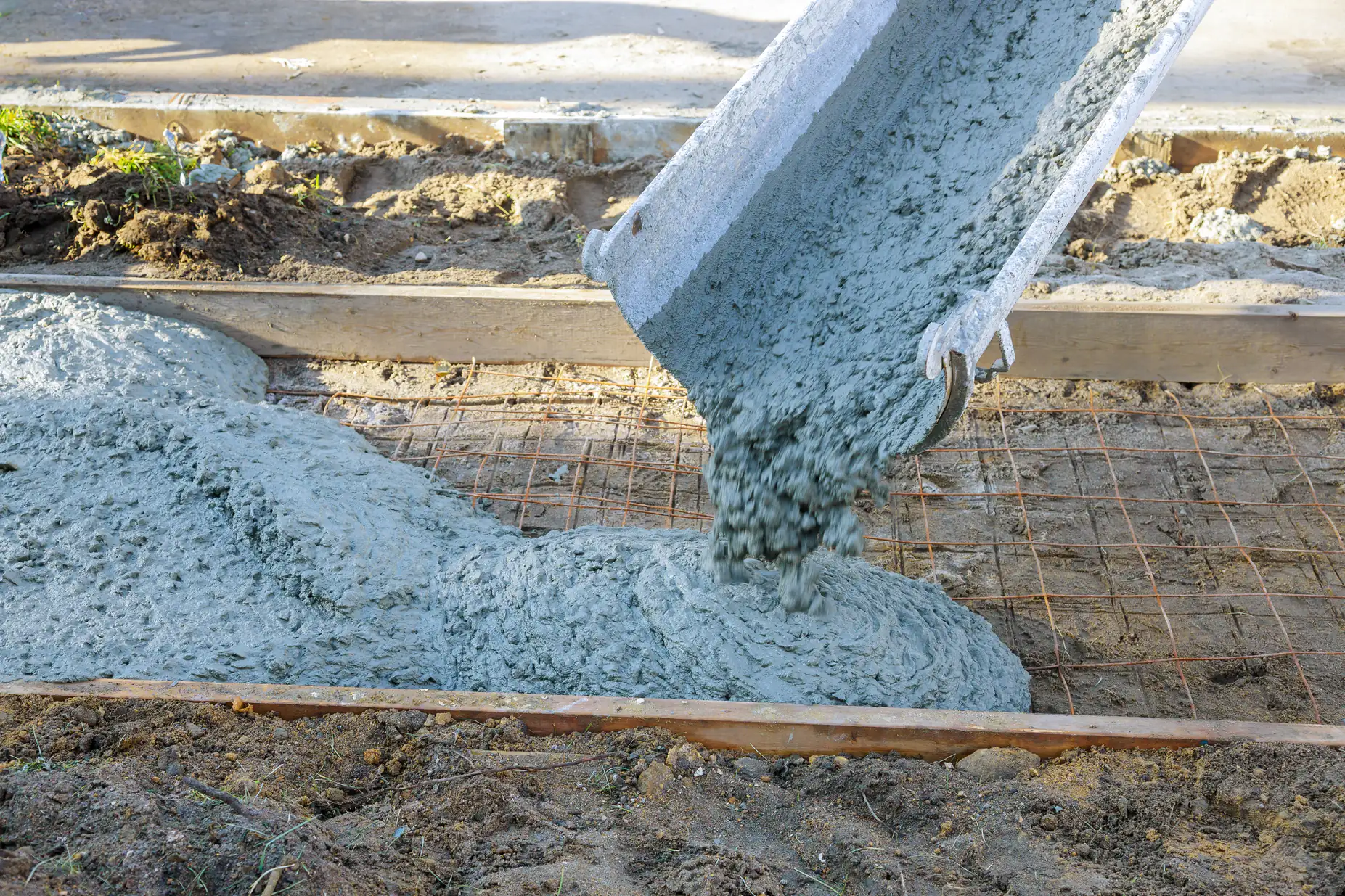
For asphalt driveways, we’re using high-grade hot mix asphalt suited for Morris County temperature swings. For concrete work, you’re getting strong Portland cement mixes with rebar reinforcement and your choice of finishes—standard broom, exposed aggregate, or decorative stamped patterns if that’s what you want.
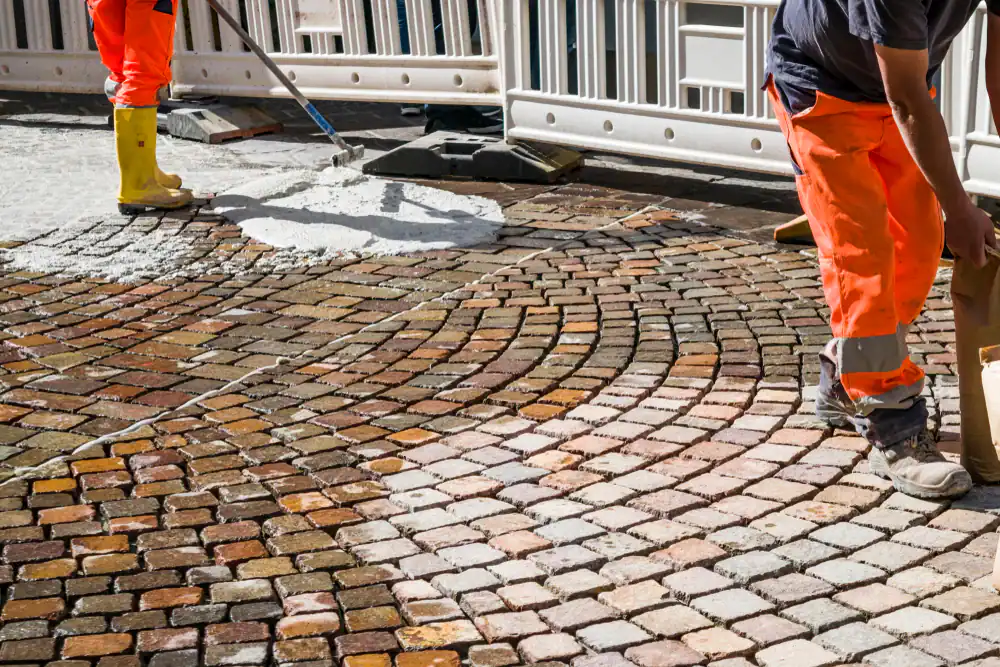
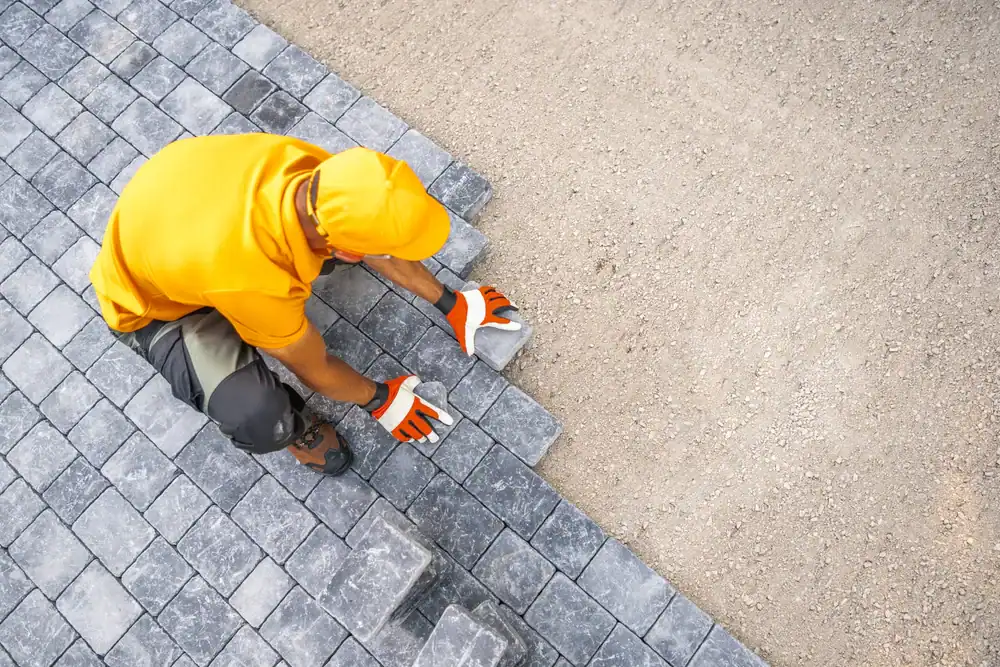
We also handle commercial paving for parking lots, walkways, and business surfaces. Same process, larger scale. And if you’re looking at paver stones for patios or walkways, we install those with the same attention to base preparation.
Long Valley properties deal with specific drainage challenges because of elevation changes and soil composition in this area. We account for that in every project. Your driveway isn’t just getting paved—it’s getting engineered for the conditions it’ll face here.
A properly installed asphalt driveway in Long Valley should last 20 to 30 years if the base work was done correctly and you keep up with basic maintenance like sealcoating every few years.
The lifespan depends almost entirely on what happens before the asphalt goes down. If the base wasn’t compacted properly or the grading doesn’t handle drainage, you’ll see failures in under five years no matter how good the asphalt is.
Morris County freeze-thaw cycles are brutal. Water gets into small cracks, freezes overnight, expands, and turns hairline cracks into major damage. Proper installation with the right asphalt mix and a solid base prevents that water from getting where it can cause problems. That’s the difference between a driveway that lasts three years and one that lasts thirty.
Asphalt is more flexible and handles freeze-thaw cycles better, which matters in New Jersey. Concrete is more rigid and can crack if the ground shifts, but it lasts longer if installed correctly and doesn’t need sealcoating.
Asphalt costs less upfront and can be installed faster. It needs sealcoating every 3-5 years to protect it from UV damage and water penetration. Concrete costs more initially but requires less maintenance over time—mostly just occasional cleaning and sealing joints.
For Long Valley properties, both work if the base preparation is done right. Asphalt makes more sense if you want lower upfront costs and don’t mind periodic maintenance. Concrete makes sense if you want a longer-lasting surface and prefer decorative options like stamped patterns. Either way, the base work and drainage matter more than which material you choose.
Most residential driveways in Long Valley run between $3,000 and $10,000 depending on size, material, site conditions, and how much prep work is needed. A standard two-car asphalt driveway usually falls in the $4,000 to $6,000 range.
Concrete costs more—typically $6 to $12 per square foot installed compared to $3 to $7 for asphalt. But those numbers don’t mean much without seeing your property. If your site has drainage problems or needs significant excavation, costs go up regardless of material.
The cheapest quote isn’t the best value. A paving contractor who’s charging significantly less is either skipping the base work, using thinner asphalt, or planning to add charges later. We give you upfront pricing that includes proper site prep, quality materials, and work that lasts. You’ll get a detailed quote after we assess your property—no surprises later.
Late spring through early fall is ideal for asphalt paving in New Jersey. Asphalt needs warm temperatures to be applied and compacted correctly—ideally above 50 degrees, though we can work in cooler weather if conditions are right.
Concrete is less temperature-sensitive but still works best in moderate weather. Extreme heat causes it to cure too fast, and cold temperatures slow curing and can cause strength problems.
We don’t recommend paving in winter unless it’s an emergency repair. The materials don’t perform correctly in freezing temperatures, and you won’t get the lifespan you’re paying for. If your driveway is failing and winter is coming, we can do temporary repairs to get you through until spring when we can do the job properly. Waiting a few months is better than paying for work that won’t last.
Yes, sealcoating protects asphalt from UV damage, water penetration, and chemical spills like oil or gas. You should sealcoat every 3-5 years depending on traffic and weather exposure.
New asphalt shouldn’t be sealed immediately—it needs 6-12 months to cure fully before the first sealcoat application. After that, regular sealcoating extends the life of your driveway significantly by preventing water from seeping into small cracks where it can freeze and cause damage.
Sealcoating isn’t just cosmetic. It’s a protective layer that keeps your asphalt from oxidizing and becoming brittle. In Morris County, where temperature swings and freeze-thaw cycles are constant, that protection matters. Skipping sealcoating means you’ll be replacing your driveway years earlier than necessary. It’s cheap insurance compared to repaving.
Look for a paving contractor who explains the base preparation process in detail, gives you a written quote that breaks down materials and labor, and has verifiable local experience in Morris County.
Ask how they handle drainage and what thickness of asphalt or concrete they’re planning to install. If they can’t answer those questions clearly or they’re vague about the base work, walk away. The base determines whether your pavement lasts or fails.
Check that they’re properly licensed and insured for New Jersey. Ask for references from recent projects in your area—not just names, but addresses you can drive by and see the actual work. A good paving company will have dozens of driveways within a few miles that they’re proud to show you. We do.