
Hear from Our Customers

You’re not just getting fresh blacktop. You’re getting a surface that drains properly, doesn’t settle into low spots, and holds up when temperatures swing forty degrees in a week.
That means no more standing water that turns into ice patches. No more calling around for emergency pothole repairs every spring. No more wondering if you should’ve spent more upfront.
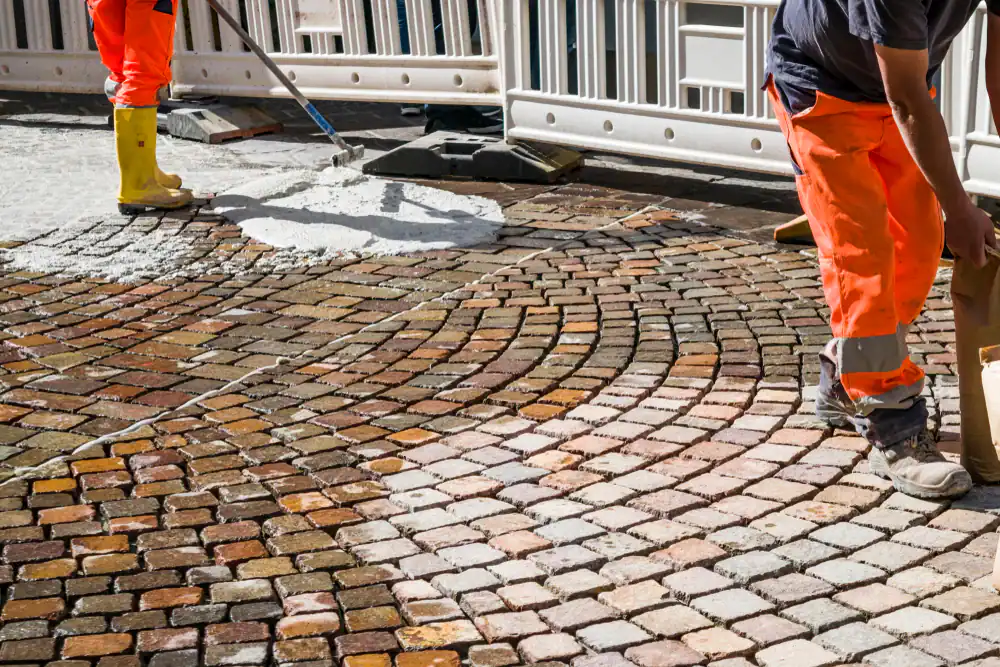
The difference shows up in year three, year five, year ten. Properly compacted base. High-grade hot mix asphalt applied at the right temperature. Drainage that actually moves water away from your foundation. That’s what keeps pavement intact when your neighbor’s driveway is crumbling.
We’ve been installing and repairing asphalt across Morris County since before most paving companies near me had websites. That’s over twenty years of dealing with Lincoln Park’s soil conditions, drainage patterns, and weather extremes.
You’ll talk to the same people who show up to do the work. The owner’s on every job site. We’re licensed, insured, and we don’t disappear after you pay the deposit.
When you call, you’ll get a callback within 24 to 48 hours. When we give you a quote, it includes everything—no surprise charges for “extra” base material or drainage work that should’ve been included from the start.

First, we excavate to proper depth. Most driveways need 8-12 inches of base depending on soil conditions and what’s there now. Skipping this step is why you see driveways sinking and cracking within two years.
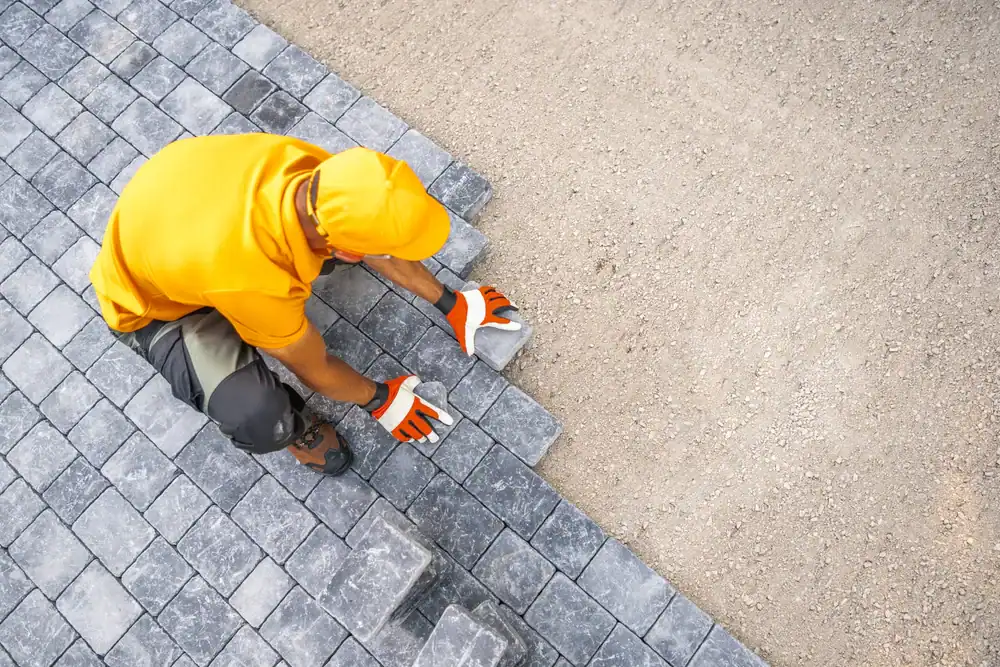
Next comes base material—crushed stone that gets compacted in layers. This is what supports the asphalt. If the base isn’t compacted right, nothing above it matters. We use commercial-grade equipment, not a hand tamper.
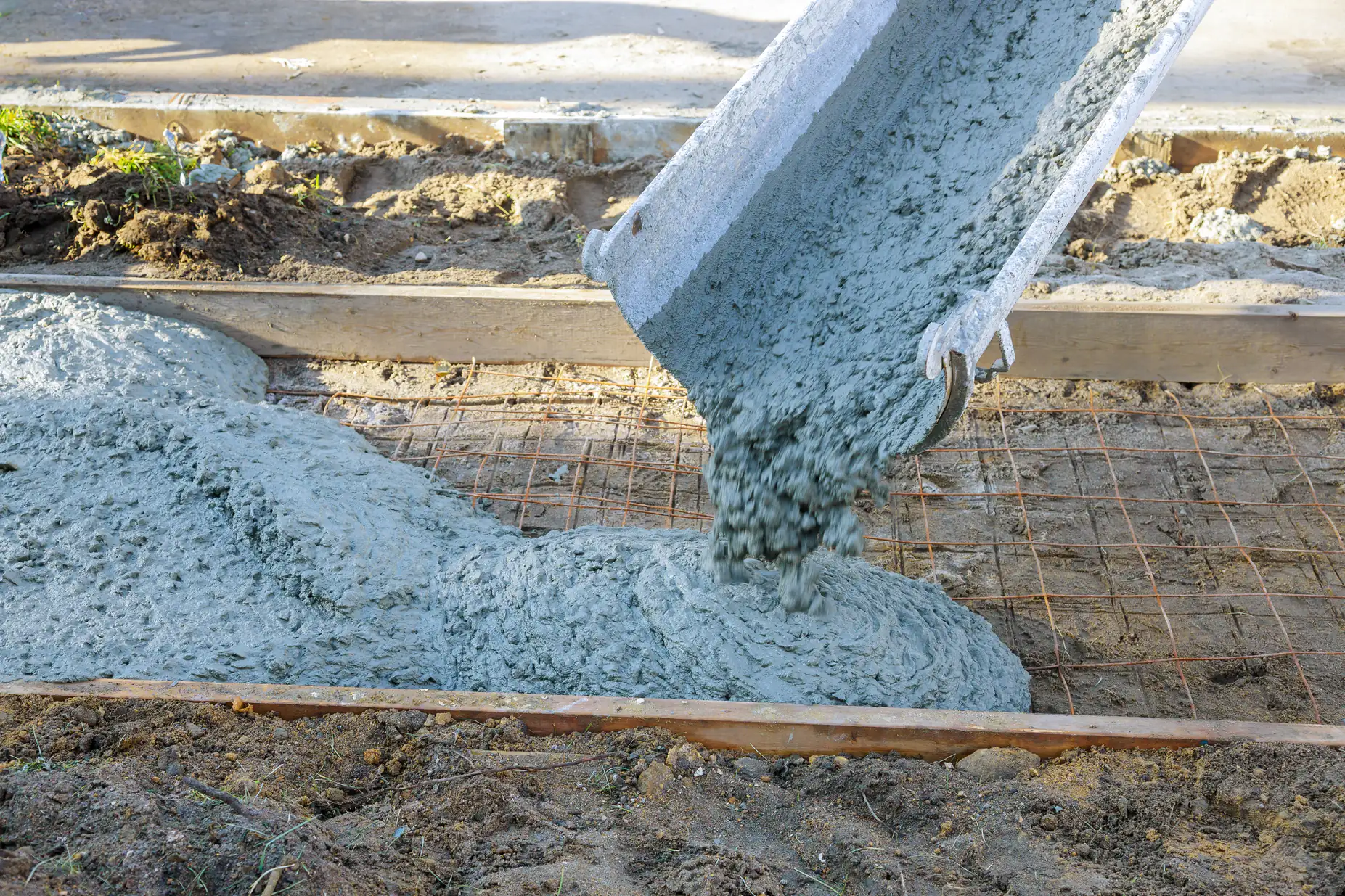
Then we install the asphalt. High-grade hot mix applied at proper temperature, typically 2-3 inches thick for residential driveways. We grade for drainage so water moves away from your house and garage. For concrete work, we use Portland cement mixes with rebar reinforcement, not just a thin slab poured over dirt.
Final step is compaction and finishing. The surface gets rolled while the asphalt is still hot to proper density. You’ll need to stay off it for 24-48 hours, then it’s ready.
Ready to get started?
Every job includes proper excavation, base preparation, and drainage grading. We’re not just resurfacing over whatever’s there and hoping it holds.
For asphalt work, that means removing failed pavement, installing and compacting base material, and applying hot mix asphalt at the thickness your project needs. For concrete, it means forming, rebar placement, proper mix design, and finishing techniques that prevent premature cracking.
Lincoln Park’s freeze-thaw cycles are brutal. Water gets into cracks in fall, freezes in winter, expands, and destroys pavement from the inside. That’s why drainage matters as much as the pavement itself. We design slope and grade to move water away before it becomes a problem.
You’ll get upfront pricing that covers the actual work required. If we find something during excavation that changes the scope, we talk to you before proceeding. No surprise invoices for “unforeseen conditions” that any experienced paving contractor should’ve anticipated.
Properly installed asphalt lasts 15-20 years in this area. That assumes correct base preparation, adequate thickness, and reasonable maintenance like sealcoating every few years.
The failures you see in 3-5 years usually trace back to shortcuts during installation. Thin asphalt over poorly compacted base. No attention to drainage. Wrong mix design or application temperature.
New Jersey’s climate is tough on pavement, but it’s predictable. We know what works here because we’ve been doing it for over two decades. The driveways we installed fifteen years ago are still in service.
Asphalt costs less upfront and handles freeze-thaw cycles better because it flexes slightly. Concrete lasts longer if installed correctly but cracks more easily when water gets underneath and freezes.
For most residential driveways in Lincoln Park, asphalt makes more sense. It’s easier to repair if you do get damage, and it doesn’t show salt staining the way concrete does.
Concrete works well for decorative applications or when you want a specific look. We install both, so the recommendation depends on your priorities—budget, appearance, expected lifespan, and how much maintenance you want to deal with.
Most residential driveways run between $3,000 and $8,000 depending on size, current condition, and how much base work is needed. A standard two-car driveway is typically in the $4,500-$6,000 range.
That includes excavation, base material, asphalt installation, and proper grading. If your existing driveway is completely failed and needs full-depth removal, costs go up. If we’re just resurfacing over a solid base, costs come down.
The only way to give you an accurate number is to look at your specific situation. We provide detailed quotes that break down what you’re paying for. Call or submit a request online and you’ll hear back within 24-48 hours.
Late spring through early fall—basically May through October. Asphalt needs warm temperatures for proper installation and compaction. Once it gets consistently cold, the material doesn’t work right.
We can do repairs in cooler weather if necessary, but full installations should happen when temperatures are reliably above 50 degrees. That gives the asphalt time to cure properly before winter.
If you’re planning a project, reach out in early spring. That gets you on the schedule before the busy season. Waiting until July or August means you might be looking at September or October installation dates.
Yes, but not immediately. Wait at least six months to a year after installation to let the asphalt cure fully. After that, sealcoating every 2-3 years extends the life of your pavement.
Sealcoating protects against UV damage, water penetration, and chemical spills like oil or gas. It’s not mandatory, but it’s cheap insurance compared to repaving. Think of it like painting your house—you do it to protect the underlying structure.
The driveways that last 20+ years get sealcoated regularly. The ones that fail in 10-12 years usually don’t. It’s one of the easiest things you can do to protect your investment.
Look for contractors who’ve been around for more than a few years, carry proper licensing and insurance, and can show you examples of past work. Ask specific questions about base preparation, asphalt thickness, and drainage—how they answer tells you a lot.
Get detailed written quotes, not ballpark estimates. The quote should specify excavation depth, base material type and thickness, asphalt thickness, and what’s included. If it’s vague, that’s a red flag.
Check that they’re actually local. Some asphalt companies near me are just lead generation sites that subcontract to whoever’s available. You want a crew that knows Morris County soil conditions and has a reputation to protect in the area.