
Hear from Our Customers

When pavement is installed right, it stops being a problem. No more standing water after storms. No more explaining away cracks to customers or guests. No more patching the same spots every year because the base was never done correctly.
Franklin’s clay soils and brutal winters destroy shortcuts. That’s why proper site prep matters—grading that moves water away from the surface, a compacted aggregate base that won’t shift, and hot mix asphalt applied at the right temperature so it bonds and flexes instead of crumbling.
The result is a driveway or parking lot that looks clean, drains properly, and holds up under real conditions. It’s not about perfection. It’s about function and durability that actually match what you paid for.
Platinum Paving has been handling residential and commercial paving across Morris, Sussex, and Somerset Counties for over 20 years. We’re a family-owned operation based in Morris County, and we’ve completed hundreds of projects throughout Franklin and surrounding towns like Somerville, Bound Brook, Bernardsville, and Basking Ridge.
We know what works here because we’ve seen what fails. Franklin’s freeze-thaw cycles are unforgiving. The soil composition requires specific base prep. Drainage isn’t optional—it’s the difference between pavement that lasts 15 years and pavement that needs repair in three.
We’re not the cheapest option, and we won’t pretend to be. But if you’re looking for a paving company near me that shows up when scheduled, uses proper materials, and doesn’t disappear after the job, that’s what we do.

First, we assess your property—existing pavement condition, drainage patterns, soil type, and how the surface will be used. If there’s standing water or visible settling, we address it in the plan. You’ll get a written estimate that breaks down prep, materials, and labor with no surprise charges later.
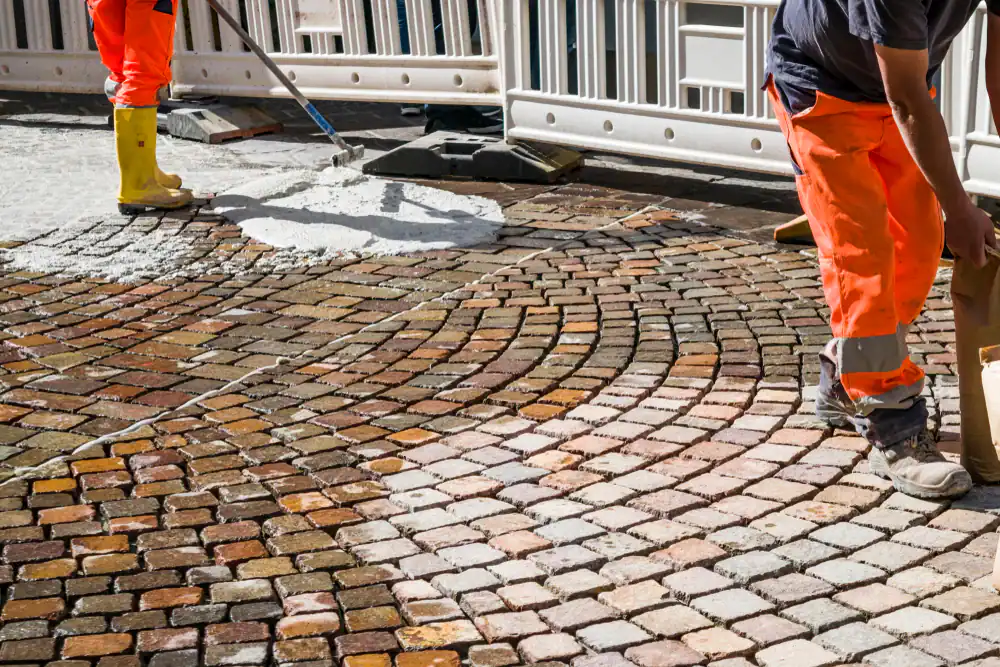
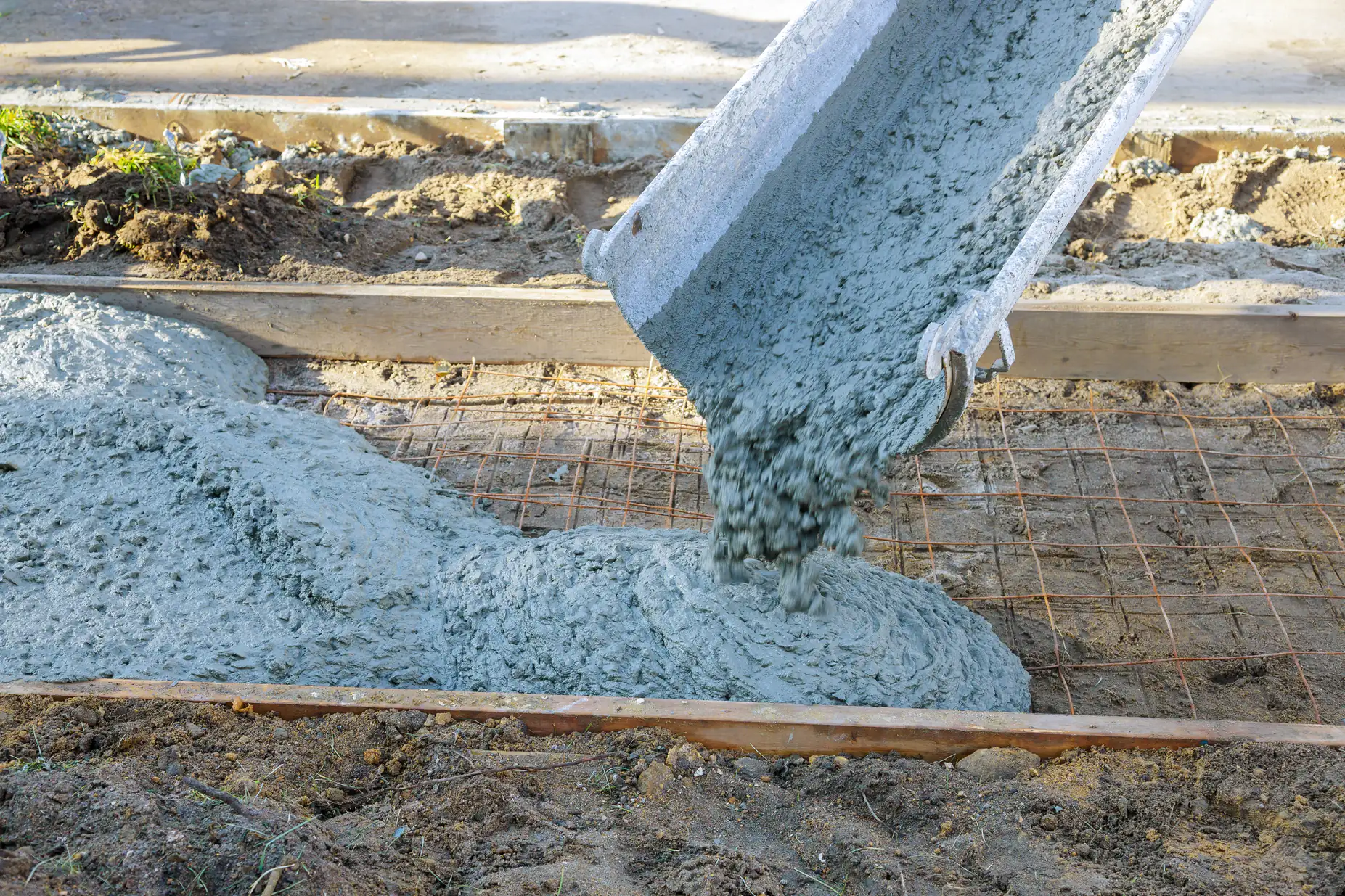
Once you approve, we start with excavation and grading. This is where most cheap jobs fall apart. We remove failed material, grade for proper water flow, and compact a stone base that won’t shift under weight or weather. For asphalt, we use high-grade hot mix applied at the correct temperature. For concrete, we use Portland cement mixes with rebar reinforcement and can add decorative stamped patterns if that’s what the project calls for.
After installation, we clean up completely and walk you through any maintenance basics. Most clients don’t need much—sealcoating every few years for asphalt, occasional cleaning for concrete. If you submit a quote request online, we guarantee a callback within 24 to 48 hours. No chasing us down for answers.
Ready to get started?
Every job starts with proper site preparation—excavation, grading for drainage, and a compacted aggregate base. We don’t skip steps to save time. For asphalt paving, we use hot mix asphalt suited to New Jersey’s climate and apply it at temperatures that ensure proper compaction and bonding. For concrete work, we use reinforced mixes and offer decorative stamping if you want something beyond a standard gray slab.
Franklin properties deal with specific challenges. The township spans diverse neighborhoods with varying soil conditions, and the area’s weather patterns—especially winter freeze-thaw cycles—require pavement that’s built to flex and drain. We’ve worked on everything from residential driveways in Franklin Park to commercial parking lots in Somerset and know how to adjust our approach based on what the site actually needs.
You’ll also get transparent pricing with no hidden fees, a realistic timeline we actually stick to, and a finished surface that’s smooth, even, and built to handle traffic and weather without constant repairs. We’re licensed, insured, and equipped with modern tools that make the work faster and more precise than outdated methods.
Properly installed asphalt should last 15 to 20 years in this area, sometimes longer with routine maintenance. The key word is “properly.” If the base isn’t compacted correctly or drainage isn’t addressed upfront, you’ll see premature cracking and settling within a few years.
Franklin’s freeze-thaw cycles are tough on pavement. Water seeps into small cracks, freezes, expands, and breaks the surface apart. That’s why we focus on grading that moves water off the pavement and a stone base that stays stable through temperature swings. Sealcoating every three to five years adds a protective layer and extends the life of the asphalt.
If your current driveway or parking lot is failing early, it’s usually a base or drainage issue—not the asphalt itself. Repaving over a bad foundation just means you’ll be dealing with the same problems again in a few years.
Asphalt is more flexible, which helps it handle freeze-thaw cycles without cracking as easily. It’s also faster to install and typically costs less upfront. Concrete is more rigid and can last longer if installed correctly, but it’s more prone to cracking in cold climates if the base shifts or water gets underneath.
For Franklin properties, both can work well depending on your priorities. Asphalt needs sealcoating every few years to maintain its appearance and protection. Concrete requires less maintenance but costs more initially and takes longer to cure before you can use it.
If you’re looking at a high-traffic commercial area or want decorative options like stamped patterns, concrete might make more sense. For residential driveways where cost and durability are the main concerns, asphalt is usually the better choice. We can walk through both options during the estimate and show you what makes sense for your specific property and budget.
If you’re seeing widespread cracking, large potholes, or areas where the pavement has sunken or shifted, replacement is usually the smarter move. Patching might buy you a year or two, but if the base has failed or drainage is causing ongoing damage, repairs are just temporary bandaids.
Minor surface cracks or small isolated damage can often be repaired, especially if the rest of the pavement is still in good shape. But if more than 30% of the surface is compromised, or if you’re patching the same spots repeatedly, you’re throwing money away. Replacement costs more upfront but eliminates the cycle of constant repairs.
During an estimate, we’ll tell you honestly what makes sense. If repair will actually solve the problem, we’ll say so. If the base is shot and you’re better off starting fresh, we’ll explain why. Franklin’s soil and weather conditions mean that poor drainage or inadequate base prep will keep causing problems no matter how many times you patch the surface.
Standing water usually means the pavement wasn’t graded properly during installation, or the base has settled unevenly over time. Water should always flow off the surface and away from your home or building. When it doesn’t, it sits there, seeps into cracks, and accelerates damage—especially during freeze-thaw cycles.
Franklin’s clay soils can shift and settle, which makes proper compaction and grading critical from the start. If the contractor didn’t account for drainage during the original install, you’re left with low spots that collect water. Over time, that water weakens the base, creates more settling, and the problem gets worse.
Fixing drainage issues usually requires regrading the surface or adjusting the base during a repaving project. Sometimes it means adding catch basins or adjusting the slope to direct water where it needs to go. It’s not a quick patch job, but it’s the only way to actually solve the problem instead of just living with puddles every time it rains.
Most residential driveways in Franklin run between $3,000 and $7,000 depending on size, condition of the existing surface, and how much prep work is needed. If we’re tearing out old pavement, regrading for drainage, or dealing with poor soil conditions, costs go up. If it’s a straightforward overlay on a solid base, costs stay on the lower end.
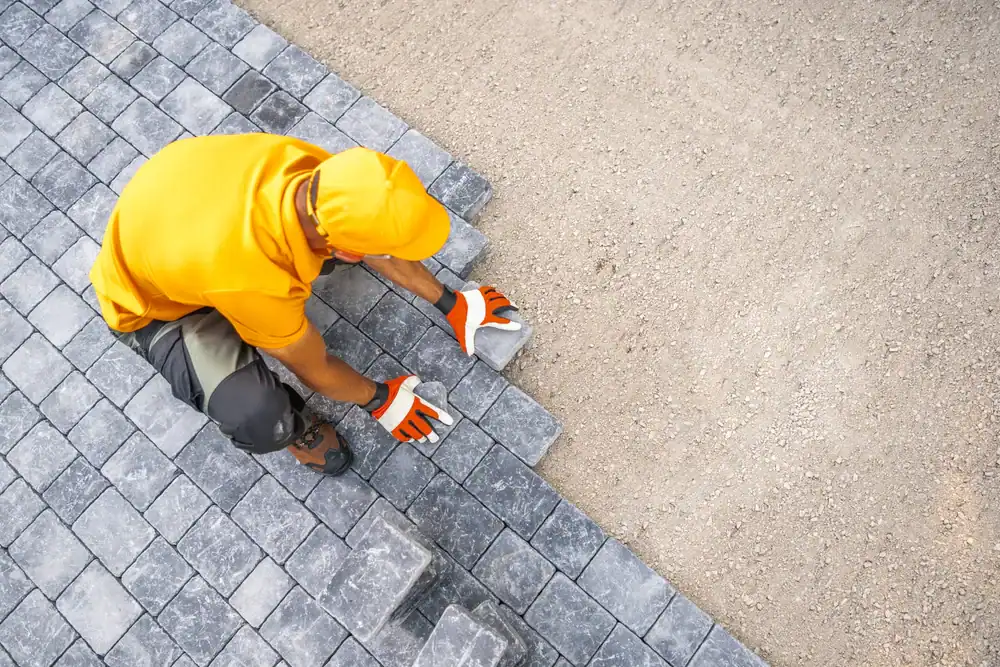
Concrete costs more than asphalt—usually 40% to 60% higher for the same area. Decorative options like stamped concrete or paver stones add to the price but also add curb appeal if that’s important for your property.
We give written estimates that break down every cost—demo, grading, base material, paving, and cleanup. No vague line items or surprise charges when the job’s done. If your property has specific challenges like steep slopes, tight access, or drainage issues, we’ll identify those upfront so you know exactly what you’re paying for and why. The goal is a number you can actually plan around, not a lowball estimate that doubles once work starts.
Yes. We’ve handled commercial projects throughout Morris and Somerset Counties, including parking lots, access roads, and loading areas. Commercial paving has different requirements than residential—heavier traffic loads, ADA compliance for striping and accessibility, and often tighter timelines to minimize business disruption.
Franklin’s commercial properties range from small office parks to larger retail and industrial sites. We adjust our approach based on traffic patterns, drainage needs, and how quickly you need the space back in service. Asphalt can typically be driven on within 24 to 48 hours after installation. Concrete takes longer to cure but handles heavy loads better over time.
We also handle maintenance work like sealcoating, crack filling, and patching if you’re not ready for a full replacement but need to extend the life of your current pavement. For commercial clients in Franklin, Somerville, Bernardsville, and surrounding towns, we provide clear timelines, upfront pricing, and scheduling that works around your business hours when possible. If you’re dealing with cracked pavement, drainage problems, or a parking lot that’s becoming a liability, we can assess it and give you a realistic plan.