
Hear from Our Customers

You’re looking at your cracked driveway or that parking lot with three new potholes wondering how much this is going to cost. The answer depends on whether you want a quick patch job that fails in two years or a properly engineered surface that actually lasts.
Proper paving means water moves off your property instead of pooling near your foundation. It means a base that won’t shift when the ground freezes. It means materials applied at the right temperature so they bond correctly and don’t separate the first time a snowplow scrapes across them.
When your pavement is done right, you’re not calling someone back next season. You’re not explaining to customers why your parking lot looks terrible. You’re not worrying about liability from someone tripping on uneven concrete. The surface just works.
We’ve worked in Franklin Park, NJ and throughout Morris, Sussex, and Somerset Counties for over two decades. That’s twenty years of watching how North Jersey weather destroys shortcuts and rewards proper installation.
We’ve seen what happens when contractors skip the base work or use cold asphalt. We’ve repaired the failures. The driveways that crack after one winter because someone didn’t account for drainage. The parking lots that develop ruts because the base wasn’t compacted correctly.
Franklin Park sits in an area where temperature swings are brutal on pavement. Summer heat expands asphalt. Winter cold contracts it. Spring rain tests every weak point in your drainage. You need someone who understands how these conditions affect different materials and knows how to build surfaces that handle all of it.

First, we assess your property. Not just measurements—we’re looking at drainage patterns, soil stability, existing damage, and how water currently moves across your site. This determines whether you need regrading and what base depth makes sense for your specific situation.
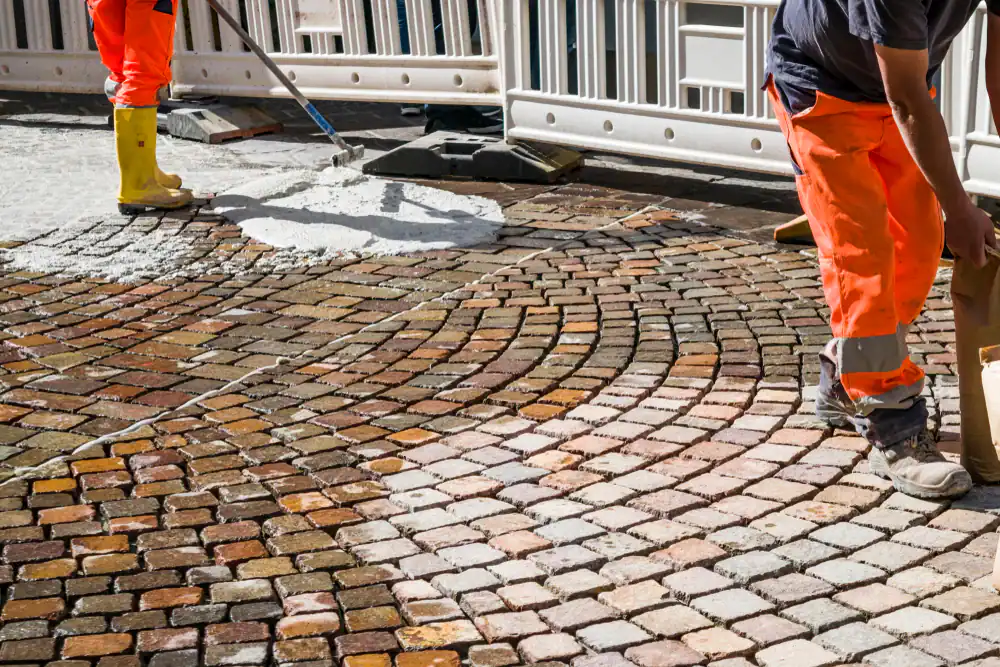
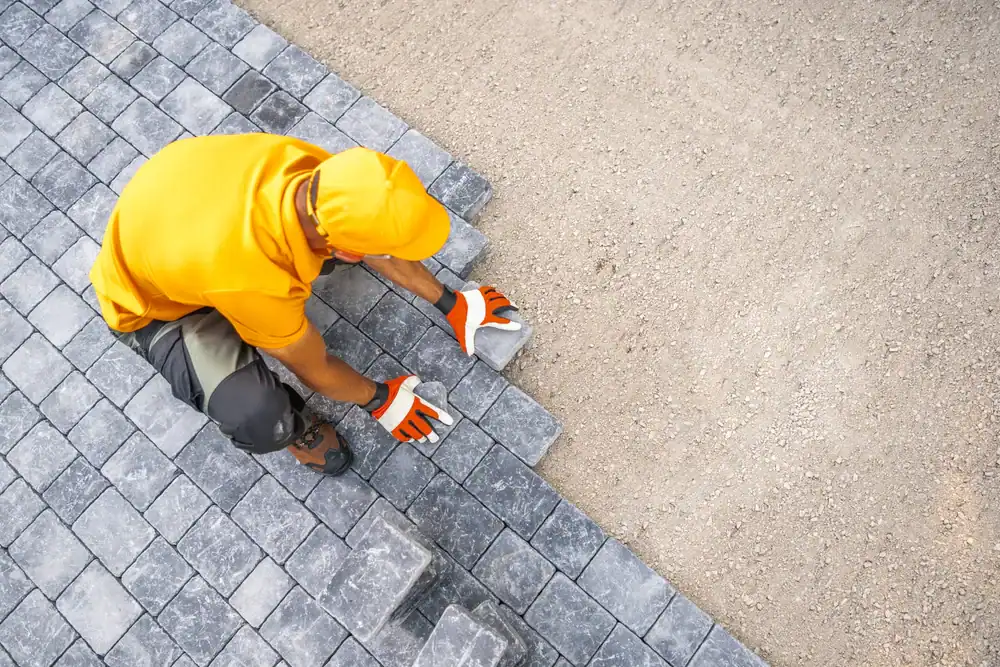
Next comes site prep. We remove failed pavement, excavate to proper depth, and address any drainage issues before new material goes down. If water doesn’t have somewhere to go, your new pavement won’t last regardless of material quality. We install proper base material—compacted aggregate that won’t shift or settle—and grade everything so water moves away from structures.
Then we install your surface. Hot mix asphalt gets applied at the right temperature and compacted while it’s still workable. Concrete gets poured with proper reinforcement and finished to your specs. We’re not rushing to the next job. We’re making sure this one is done correctly so you’re not calling us back next year with problems.
Ready to get started?
You get a thorough site assessment that identifies problems before they become expensive surprises. We measure everything, evaluate your current pavement condition, test drainage, and provide upfront pricing with no hidden charges that appear later.
You get proper materials for Franklin Park, NJ conditions. High-grade hot mix asphalt applied at correct temperature. Portland cement concrete with rebar reinforcement where needed. Decorative stamped patterns if you want them. We source from quality suppliers because cheap materials cost more when they fail early.
You get installation that follows engineering standards, not shortcuts. Proper excavation depth. Compacted aggregate base. Correct grading for drainage. Materials applied according to manufacturer specs. We guarantee callbacks within 24-48 hours for quote requests because we know you’re comparing paving companies near me and trying to make a decision.
Franklin Park properties face specific challenges. Heavy clay soils that hold water. Freeze-thaw cycles that crack weak pavement. Salt damage from winter maintenance. Our installations account for these local factors instead of using the same approach everywhere.
Properly installed asphalt in Franklin Park, NJ typically lasts 15-20 years with basic maintenance, but that number means nothing if the installation is done wrong. You can have premium asphalt fail in three years if the base isn’t right or drainage wasn’t addressed.
The lifespan depends on several factors you control. Base quality matters most—a properly compacted aggregate base prevents settling and cracking. Drainage design determines whether water undermines your pavement or moves away harmlessly. Material quality affects how well your surface handles temperature swings and traffic loads.
Maintenance extends life significantly. Sealcoating every 2-3 years protects asphalt from oxidation, water penetration, and salt damage. Crack filling prevents small issues from becoming major failures. Most pavement doesn’t fail from age—it fails from deferred maintenance and installation shortcuts that catch up eventually.
Asphalt costs less upfront and handles freeze-thaw cycles better because it flexes slightly with temperature changes. Concrete costs more initially but lasts longer and offers decorative options like stamped patterns or colored finishes. Your choice depends on budget, aesthetics, and how you’ll use the surface.
Asphalt works well for driveways in Franklin Park, NJ because our temperature swings favor flexible materials. It’s ready to use in 24-48 hours, repairs blend in better than concrete patches, and sealcoating keeps it looking good. The tradeoff is you’ll need that sealcoating maintenance and it won’t have the finished look of decorative concrete.
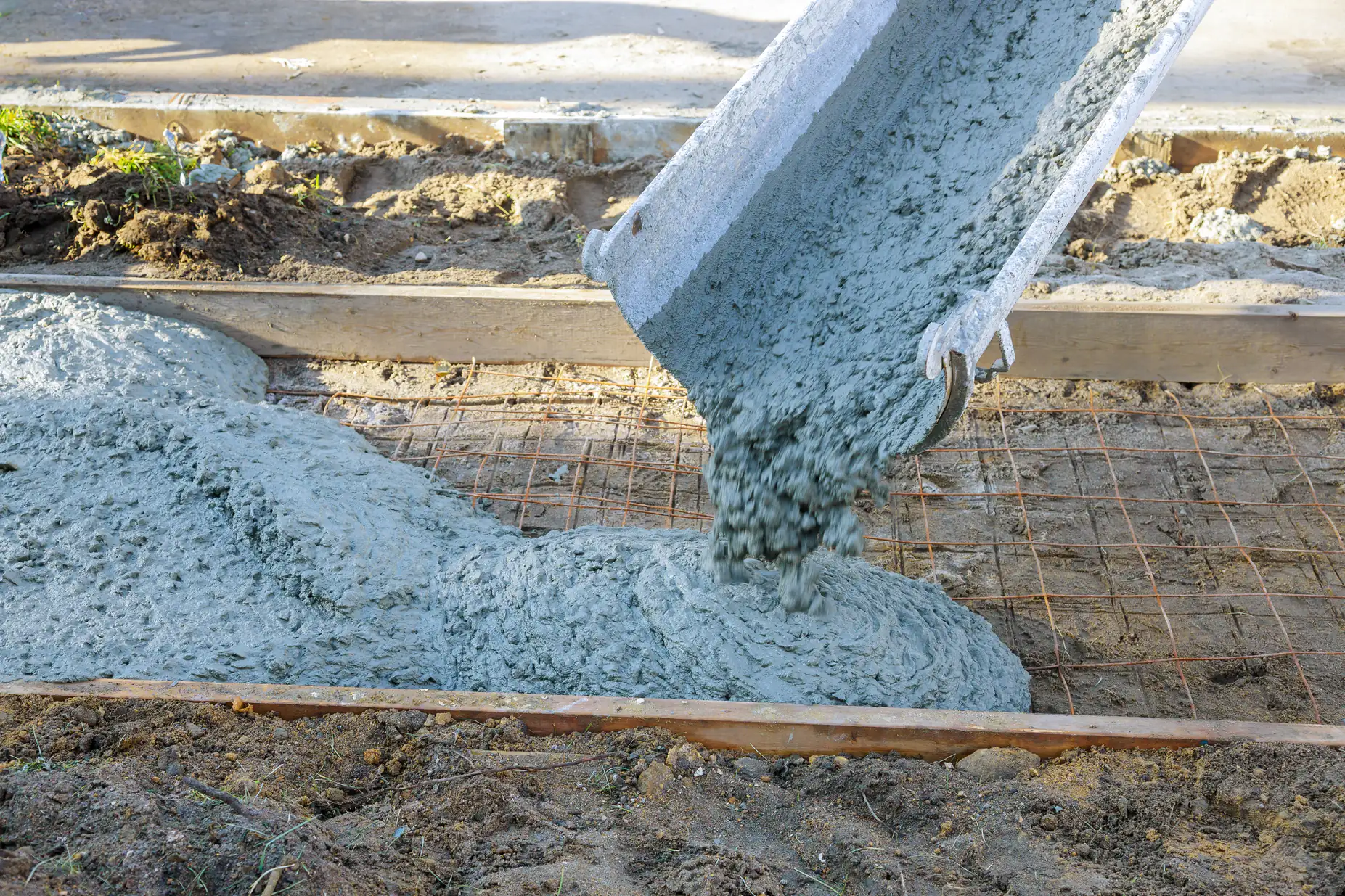
Concrete handles heavy loads better and doesn’t need sealcoating, but it’s more prone to cracking in our climate if not installed with proper joints and reinforcement. Repairs are more visible. It takes longer to cure before you can drive on it. But it offers design flexibility asphalt can’t match and typically lasts 25-30 years with minimal maintenance beyond occasional cleaning.
Commercial asphalt paving in North Jersey typically runs $2.25 to $3.25 per square foot, meaning a standard 10,000 square foot parking lot costs $22,500 to $32,500 for complete replacement. But that’s a rough range—your actual cost depends on site conditions, access, drainage requirements, and whether you need base repair or just surface work.
Overlay costs less than full-depth replacement if your existing base is solid. You’re looking at $1.50 to $2.50 per square foot for a new asphalt layer over good foundation. But if the base has failed, an overlay just delays the inevitable. You’ll pay for that parking lot twice—once for the overlay that fails early, then again for the full replacement you should have done initially.
Site-specific factors change pricing significantly. Poor drainage requires correction before paving. Soft subgrade needs stabilization. Limited access means smaller equipment and more labor. We provide detailed quotes after site assessment because guessing costs based on square footage alone leads to change orders and surprises nobody wants.
Late spring through early fall gives you the best conditions for paving in Franklin Park, NJ. Asphalt needs warm temperatures to compact properly—ideally above 50°F at night and 70°F during the day. Concrete can be poured in cooler weather but cures better when temperatures are moderate and stable.
Summer offers the longest working window and fastest cure times, but extreme heat can make asphalt too soft during installation. Early fall is often ideal—warm enough for proper installation, cool enough that materials aren’t too soft, and less chance of rain delays than spring. We can work into late fall if weather cooperates, but cold temperatures limit asphalt workability.
Winter paving is possible for emergency repairs but not recommended for planned projects. Cold asphalt doesn’t compact correctly. Frozen ground prevents proper base preparation. Concrete requires heating and special admixtures. You’re paying more for worse results. If you’re planning ahead, schedule for late April through October and you’ll get better installation conditions and better long-term performance.
Most residential driveway replacements in Franklin Park, NJ don’t require permits if you’re repaving within your existing footprint and not changing drainage patterns. But expanding your driveway, altering grades, or affecting stormwater runoff typically requires approval from local authorities.
Commercial paving projects almost always need permits. You’re dealing with larger areas, ADA compliance requirements, stormwater management regulations, and site plan approvals. The permit process takes time—sometimes weeks—so factor that into your project timeline. Starting without proper permits leads to stop-work orders and potential fines.
We handle permit requirements as part of our service because we know what Franklin Park requires and how to navigate the approval process. If your project needs permits, we’ll tell you upfront and include that in our timeline. If it doesn’t, we’ll confirm that so you’re not worried about compliance issues down the road.
Surface cracks and minor damage usually mean repair is enough. Deep cracks, widespread deterioration, drainage problems, or base failure mean you’re looking at replacement. The test is whether the foundation is still solid or if the damage goes deeper than the surface layer.
If you have isolated cracks less than a quarter-inch wide, sealcoating and crack filling extends life for years. Potholes can be patched if they’re not widespread. Fading and minor surface wear respond well to sealcoating. But if you’re seeing alligator cracking—that interconnected pattern that looks like reptile skin—the base has failed and repairs won’t hold.
Standing water after rain indicates drainage problems or base settlement. Multiple potholes suggest widespread failure. Large cracks that return shortly after repair mean underlying issues. When damage is extensive or keeps recurring, replacement costs less long-term than repeated repairs that don’t address root causes. We’ll assess your specific situation and tell you honestly whether repair makes sense or if you’re throwing money at a surface that needs replacement.