
Hear from Our Customers

A cracked, pitted driveway doesn’t just look bad. It tells potential buyers your property hasn’t been maintained. In Morris County, where the average home sells for $696,000, even a 1% hit to perceived value costs you over $6,900.
Professional paving fixes that. A smooth asphalt driveway or well-maintained parking lot signals that everything else has been taken care of too. It’s the first thing people see when they pull up and the last thing they remember when they leave.
Morris County gets hit harder by winter than most of New Jersey. More freeze-thaw cycles mean water seeps into small cracks, freezes, expands, and splits your pavement from the inside out. That’s why the asphalt mix and installation method matter more here than in Central or South Jersey. You need pavement contractors who account for local conditions, not just follow a generic playbook.
We’ve been handling driveways, parking lots, and pavement repairs across Morris, Sussex, and Somerset Counties for over two decades. We’re locally owned, fully licensed and insured, and we’ve seen what works in this climate and what fails by spring.
Florham Park sits in the heart of Morris County, where soil conditions and drainage patterns affect how asphalt performs. We’re not a paving company near me that showed up last year. We’ve been here through dozens of brutal winters, and we know exactly how to build surfaces that handle them.
You’ll work directly with people who understand the difference between a quick patch and a long-term fix. No surprises, no runarounds, just clear pricing and work that shows up on schedule.

First, we assess your existing pavement or site. That means checking drainage, looking at base stability, and identifying any issues that need fixing before new asphalt or concrete goes down. Skipping this step is how you end up with a driveway that looks great in October and cracks apart by March.
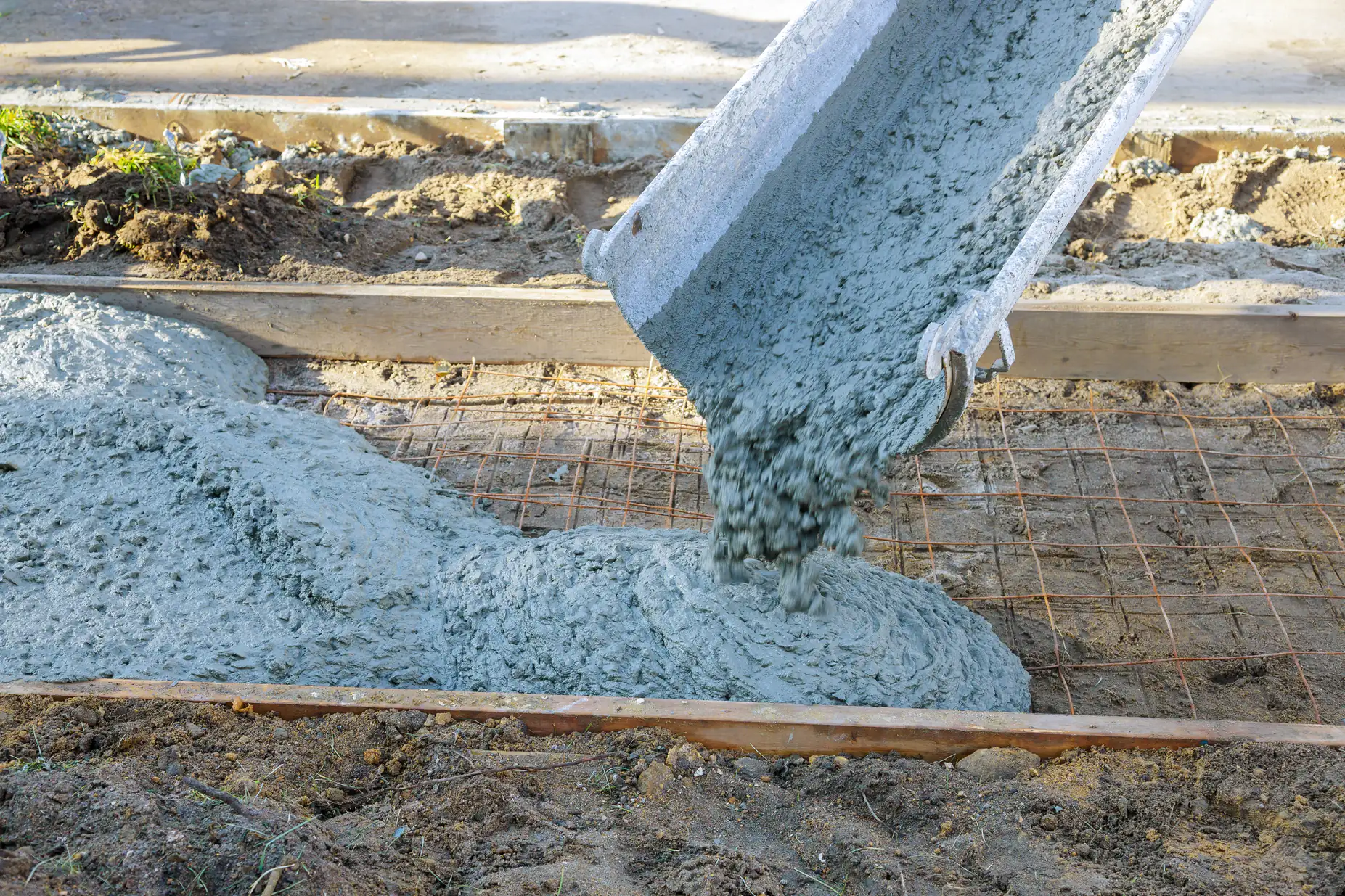
Next comes prep work. For asphalt paving, that means grading and compacting the base, making sure water drains away from your foundation, and using the right materials for Morris County conditions. We use high-grade hot mix asphalt applied at proper temperature because that’s what bonds correctly and lasts. For concrete work, we use Portland cement mixes with rebar reinforcement, not the thin pours that crack under pressure.
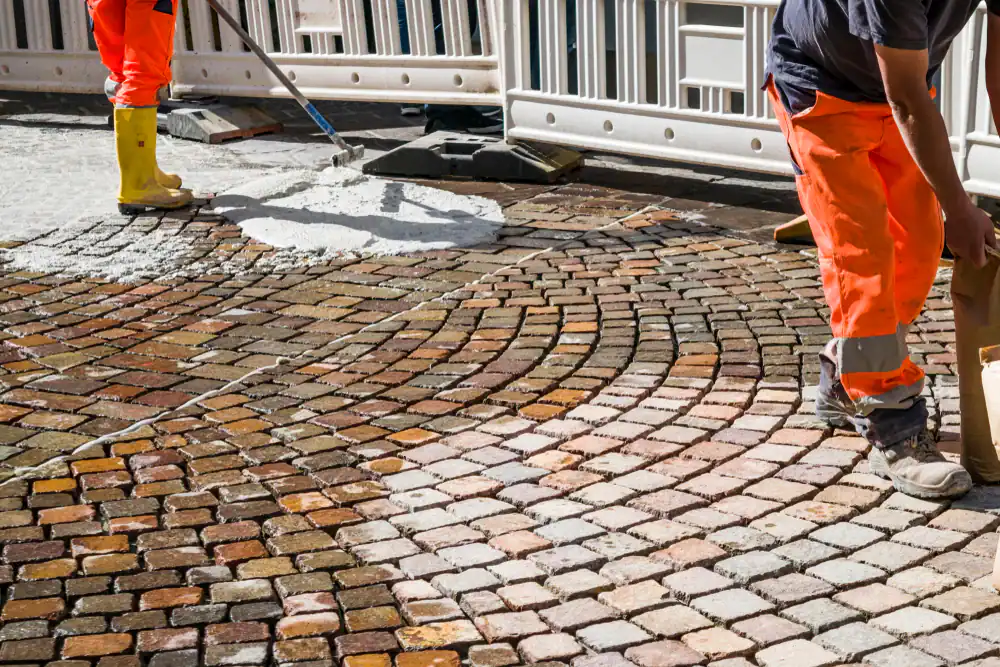
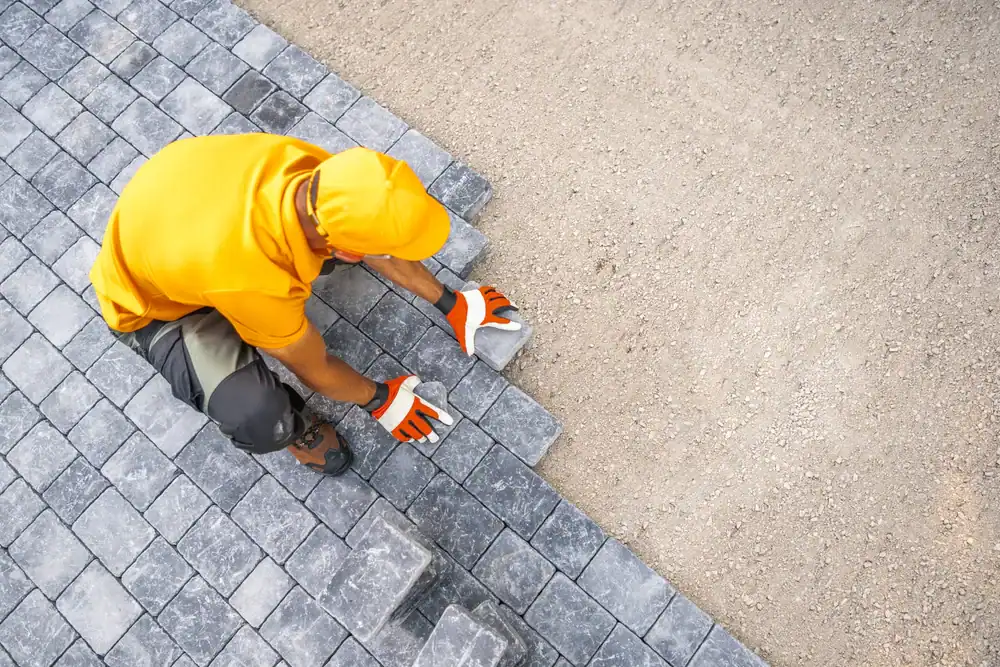
Then we pave. Our equipment is commercial-grade, our crew knows what they’re doing, and the job gets finished on the timeline we gave you. Once it’s cured, you’ve got a surface built to handle traffic, weather, and the daily wear that comes with New Jersey winters. If you want decorative stamped concrete or specific finishes, we handle that too.
Ready to get started?
You’re getting more than just blacktop. Residential customers get new driveway installation, resurfacing, crack repair, sealcoating, and full replacements when the base is too far gone. Commercial clients get parking lot paving, ADA-compliant striping, pothole repair, and maintenance plans that extend pavement life by 10 to 15 years.
Florham Park properties deal with specific challenges. The area’s higher elevation means more temperature swings, and that puts extra stress on pavement. We account for that in our mix design and installation process. Proper drainage is critical here because standing water accelerates freeze-thaw damage. We grade everything to move water away from structures and prevent pooling.
Sealcoating isn’t optional if you want your asphalt to last. Studies show that well-maintained asphalt lasts 15 to 20 years, while neglected pavement breaks down in 8 to 12. A few hundred dollars in preventive maintenance beats thousands in reconstruction. We also handle concrete patios, walkways, and decorative work if you’re looking to upgrade outdoor spaces. Every project gets the same attention to base prep, material quality, and proper curing time.
A properly installed asphalt driveway in Florham Park should last 15 to 20 years with regular maintenance. That means sealcoating every two to three years and addressing cracks before they turn into potholes. Without maintenance, you’re looking at 8 to 12 years before major repairs are needed.
Morris County’s freeze-thaw cycles are the biggest threat to pavement longevity. Water gets into small cracks, freezes overnight, expands by 9%, and splits the asphalt. This happens dozens of times each winter. The key is using the right asphalt mix for local temperatures and making sure the base is properly compacted and graded for drainage.
Cheap installations skip steps. They use thinner asphalt layers, don’t compact the base correctly, or pave when temperatures are too low for proper bonding. Those driveways might look fine initially, but they fail faster. You’re better off paying for quality work once than redoing a budget job in five years.
Late spring through early fall is ideal for asphalt paving in Northern New Jersey. You need consistent temperatures above 50°F for asphalt to bond properly and cure correctly. That typically means late April through October, with late spring and early fall being the sweet spots.
Summer works, but extreme heat can make asphalt too soft during installation. Winter is out of the question for new paving, though emergency repairs can be done with cold-weather materials. The problem is those repairs are temporary fixes, not permanent solutions.
By spring, every asphalt company near me is booked solid because everyone’s dealing with winter damage at once. If you wait until you see cracks, you’re competing for schedule slots with dozens of other property owners. Smart move is to schedule in late winter for spring installation or plan ahead for fall work. You’ll get better availability and avoid the rush.
Driveway paving costs in Morris County typically run $3 to $7 per square foot for asphalt and $8 to $15 per square foot for concrete, depending on site conditions, material choices, and project complexity. A standard two-car driveway averages 600 square feet, putting asphalt costs between $1,800 and $4,200.
Those ranges shift based on what your property needs. If the existing base is unstable, we’re excavating and rebuilding it. If drainage is poor, we’re regrading. If access is tight, equipment costs go up. Decorative concrete or stamped patterns add to the price but also add significant curb appeal.
The cheapest quote isn’t always the best value. Some paving contractors near me lowball estimates, then cut corners on base prep or asphalt thickness. You end up with a driveway that needs major repairs in three years instead of lasting fifteen. We give you clear upfront pricing with no surprise charges, and we explain exactly what you’re paying for. The goal is a driveway that protects your investment, not one that needs constant fixes.
It depends on how much of the surface is damaged and whether the base is still stable. If you’ve got a few isolated cracks and the rest of the driveway is solid, crack sealing and sealcoating will extend its life for years. If more than 30% of the surface is cracked, pitted, or showing alligator patterns, replacement makes more sense.
Here’s the math: professional crack repair costs a few hundred dollars. Full replacement costs thousands. But if the base has failed, patching surface cracks is just delaying the inevitable. Water’s already getting underneath, and freeze-thaw damage is happening below the surface. You’ll spend money on repairs this year, then more next year, and eventually you’re replacing it anyway.
We’ll tell you honestly what your driveway needs. Sometimes resurfacing works, where we mill off the top layer and pave over the existing base. That’s cheaper than full replacement and buys you another 10 to 15 years if the foundation is sound. Other times, the whole thing needs to come out. Either way, you’ll know what you’re dealing with before we start.
Most residential driveway paving projects in Florham Park don’t require permits if you’re repaving an existing driveway within the same footprint. If you’re expanding the driveway, changing drainage patterns, or altering the curb cut, you’ll likely need approval from the borough.
Commercial paving projects almost always require permits, especially for parking lots or site work that affects stormwater management. Morris County has specific regulations about impervious surfaces and drainage, and Florham Park enforces them. Skipping permits can result in fines and having to rip out non-compliant work.
We handle this regularly and can tell you upfront whether your project needs permits. For commercial work, we coordinate with local inspectors and make sure everything meets code. For residential projects, we’ll let you know if your plans trigger permit requirements. The last thing you want is to finish a beautiful new driveway and then get a violation notice from the borough.
Sealcoating is preventive maintenance. It’s a protective layer applied over existing asphalt to block UV damage, prevent water penetration, and extend pavement life. Repaving means removing and replacing the asphalt surface because it’s too damaged to save. Think of sealcoating as changing your oil and repaving as replacing the engine.
Sealcoating should happen every two to three years on residential driveways and more frequently on commercial parking lots with heavy traffic. It costs a fraction of what repaving costs and can extend asphalt life by 10 to 15 years. The catch is it only works if the underlying asphalt is still in decent shape. You can’t sealcoat over major cracks, potholes, or failed pavement and expect it to hold up.
Repaving becomes necessary when the surface is too far gone or when the base has failed. At that point, sealcoating is like putting a band-aid on a broken bone. We’ll assess your pavement and tell you which approach makes sense. If sealcoating will buy you years of life, we’ll recommend that. If the pavement’s done, we’ll explain why replacement is the better investment.