
Hear from Our Customers

Morris County sees 40% more freeze-thaw cycles than Central or South Jersey. That means water gets into cracks, freezes, expands with up to 30,000 psi of pressure, and tears your pavement apart from the inside. By spring, what looked like a small crack in October is now a pothole that costs thousands to fix.
You need paving that accounts for this. That means proper drainage so water doesn’t sit against the asphalt and soften the binder. It means high-grade hot mix asphalt applied at the right temperature, not rushed or cooled too early. And it means a compacted aggregate base that won’t shift when the ground freezes and thaws repeatedly between November and March.
When the work is done right, your driveway or parking lot doesn’t just look good in June. It holds up through February. That’s what matters in Finderne, Basking Ridge, Bernardsville, and everywhere else in Morris and Somerset County where winter actually shows up.
We’ve been working in Morris, Sussex, and Somerset County for over 20 years. We’re based in Dover, so we’re not guessing what winter does to pavement here—we see it every year. We know which asphalt mixes hold up and which drainage solutions actually work when you’re dealing with Finderne’s soil conditions and weather patterns.
We’re licensed, insured, and BBB-accredited. That’s not just paperwork—it means if something goes wrong on your property, you’re covered. A lot of paving contractors near me offer lower prices because they’re cutting corners on insurance or materials. You’ll pay for that later, either in repairs or liability.
We give you an upfront quote that details what’s included. No surprise charges after the job starts. And we guarantee a callback within 24 to 48 hours when you request a quote online, because we know you’re comparing options and don’t want to wait a week for a response.

First, we look at your site. That means checking the existing surface, drainage patterns, and base condition. If water’s pooling or the base has settled, we need to address that before any new asphalt or concrete goes down. Skipping this step is how you end up with a driveway that cracks in the first year.
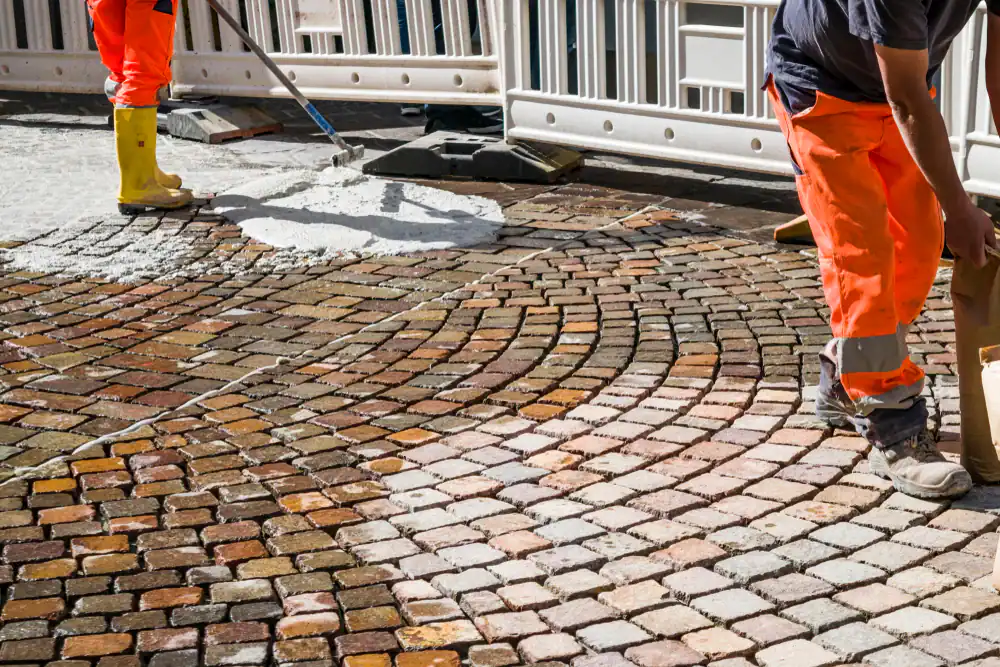
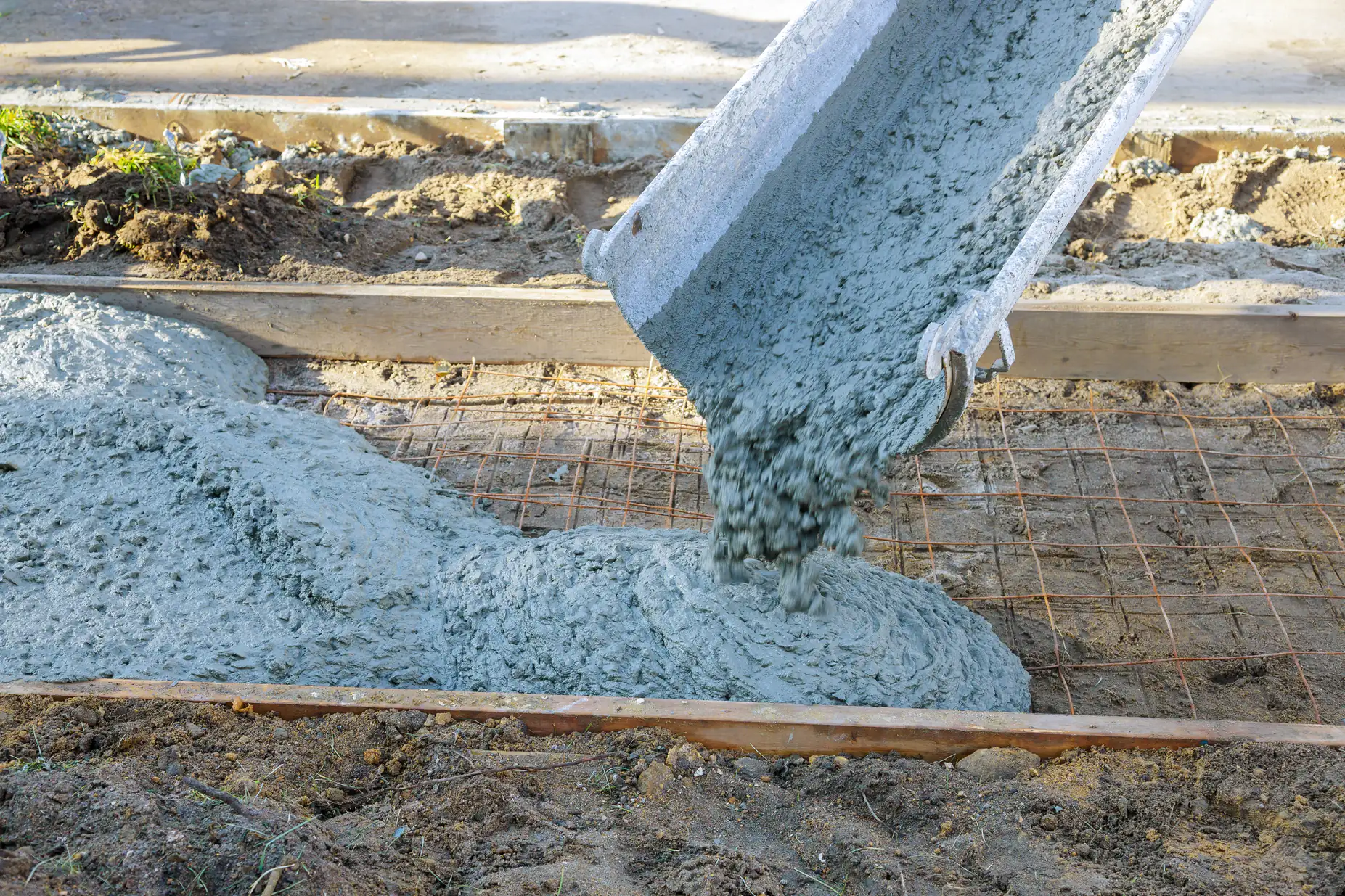
Next, we prep the site. For asphalt, that includes grading for proper drainage and compacting a robust aggregate base. For concrete, we use Portland cement mixes with rebar reinforcement—not the thin pours that crack under freeze-thaw pressure. If you want decorative options like stamped concrete or paver patios, we walk through those choices before we start.
Then we install. Hot mix asphalt gets applied at the right temperature and compacted while it’s still workable. Concrete gets poured, finished (standard broom or decorative), and cured properly. We don’t rush the timeline just to move to the next job. You get a finish date, and we stick to it.
After it’s done, we explain what maintenance looks like. Sealcoating every few years for asphalt. Crack sealing before winter. Small steps that add years to the surface and save you from paying for a full replacement down the road.
Ready to get started?
We handle driveway paving for homes in Finderne, Somerville, Bridgewater Center, and throughout Somerset County. That includes full installations, resurfacing over existing asphalt that’s still structurally sound, and repairs for driveways damaged by winter or settling. If your driveway has drainage issues, we regrade and install proper slope before any new material goes down.
For commercial properties, we do parking lot paving and maintenance. That means new asphalt parking areas for warehouses, retail centers, and office buildings in Morristown, Parsippany, and Dover. We also handle parking lot resurfacing when the surface layer is worn but the base is still good—a more cost-effective option than full removal and replacement.
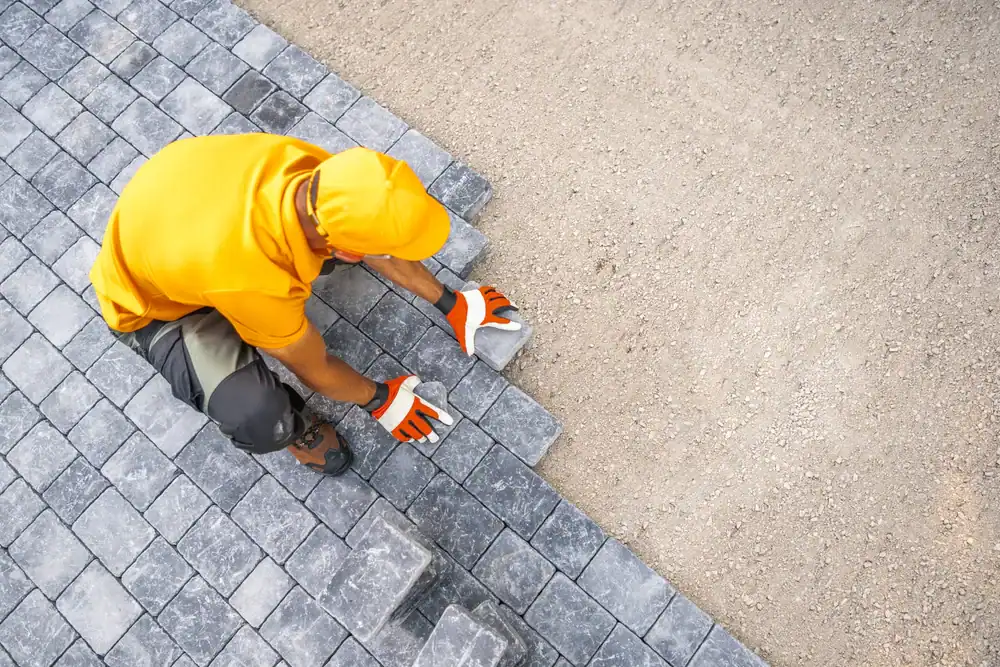
Concrete work includes sidewalks, paver patios, and decorative stamped concrete. If you’re in Bernardsville, Basking Ridge, or Chatham and want a patio that doesn’t look like every other slab, we offer patterns and finishes that add detail without sacrificing durability. All concrete gets rebar reinforcement because decorative or not, it still needs to survive Morris County winters.
We also do repairs and maintenance: pothole filling, crack sealing, sealcoating. A lot of homeowners wait until damage is severe, but catching it early—especially before winter—saves money. A crack sealed in October doesn’t become a pothole by March.
Late spring through early fall—roughly late April to early October—is the ideal window for asphalt paving in North Jersey. Asphalt needs consistent temperatures above 50°F to cure properly. If it’s too cold, the material doesn’t compact right, and you’ll get a surface that deteriorates faster.
Late spring and early fall are actually better than mid-summer. When it’s extremely hot, asphalt can stay too soft during installation, which makes it harder to achieve proper compaction. You also want to avoid paving right before winter because any small imperfections won’t have time to settle before freeze-thaw cycles start.
If you’re planning a driveway project, reach out in early spring. Paving companies near me get busy fast once the weather warms up, and waiting until June or July often means delays. Getting on the schedule early also gives you more flexibility if weather pushes the timeline.
A properly installed asphalt driveway should last 20 to 30 years in Morris County—but that depends entirely on the installation quality and how well you maintain it. North Jersey’s freeze-thaw cycles and heavy winter salt usage can reduce that lifespan by 20% to 30% if the base wasn’t compacted correctly or drainage wasn’t addressed.
The base is the most important part. If water gets trapped under the asphalt and freezes, it lifts and cracks the surface. That’s why proper grading and a compacted aggregate base matter more than the thickness of the asphalt itself. Skipping that step is how you end up with a driveway that needs major repairs in five years instead of twenty.
Maintenance extends the lifespan. Sealcoating every two to three years protects the surface from UV damage and water intrusion. Crack sealing before winter prevents small cracks from turning into potholes. These aren’t expensive services, and they add years to your driveway. Most people skip them and then wonder why their asphalt deteriorates faster than their neighbor’s.
Usually because they’re cutting corners on materials, insurance, or labor. A significantly lower bid often means thinner asphalt, no base prep, or uninsured workers. If someone gets hurt on your property and the contractor isn’t insured, your homeowner’s policy becomes liable. That’s a risk most people don’t realize they’re taking when they go with the cheapest quote.
Material quality also varies. High-grade hot mix asphalt costs more than recycled or improperly mixed material. Cheaper asphalt breaks down faster, especially under freeze-thaw conditions. You’ll save money upfront and then pay more in repairs within a few years. It’s not actually a better deal—it just looks like one on paper.
Labor matters too. Proper compaction, grading, and drainage work take time. Contractors who rush through jobs or skip steps like base preparation can finish faster and charge less, but the driveway won’t last. When you’re comparing estimates, ask what’s included: base depth, material grade, drainage work, and whether the crew is insured. If a contractor won’t give you specifics, that’s a red flag.
It depends on the condition of the existing driveway. If the base is still solid and the surface damage is mostly cosmetic—like fading, minor cracking, or surface wear—you can usually overlay new asphalt on top. That’s called resurfacing, and it’s less expensive than full removal and replacement.
But if the driveway has deep cracks, potholes, or areas where the base has settled or shifted, resurfacing won’t fix the underlying problem. You’ll just be putting new asphalt over a failing base, and the same issues will show up again within a year or two. In those cases, removal and reinstallation is the better option.
We assess the existing surface before recommending a solution. If the base is compromised or drainage is causing water to pool under the asphalt, we’ll tell you. Resurfacing works well when it’s appropriate, but it’s not a universal fix. A lot of homeowners want the cheaper option, and we get that—but if it’s not going to last, we’re upfront about it.
Asphalt is more flexible, which helps it handle freeze-thaw cycles better than concrete. It’s also less expensive upfront and easier to repair. If a section cracks, you can patch or resurface asphalt without replacing the whole driveway. It does require maintenance—sealcoating every few years—but it’s a straightforward process.
Concrete lasts longer and doesn’t need sealcoating, but it’s more prone to cracking in cold climates if it’s not installed correctly. That’s why we use Portland cement mixes with rebar reinforcement for concrete driveways in Morris County. It costs more upfront, but it holds up better under freeze-thaw pressure. Concrete also offers more design options—stamped patterns, decorative finishes—if aesthetics matter to you.
For most homeowners in Finderne, Bernardsville, or Morristown, asphalt makes sense. It’s durable, cost-effective, and handles North Jersey winters well. Concrete works better for decorative applications like paver patios or walkways, or if you want a driveway that doesn’t need regular maintenance. Both are solid choices if they’re installed right—it just depends on your priorities and budget.
Yes, if you want it to last. Sealcoating protects asphalt from UV damage, water intrusion, and the chemicals in road salt. Without it, the surface oxidizes—turns gray and brittle—and small cracks start forming. Once water gets into those cracks and freezes, the damage accelerates fast.
Sealcoating every two to three years keeps the asphalt flexible and prevents water from penetrating the surface. It’s not expensive compared to the cost of resurfacing or replacing a driveway that’s deteriorated prematurely. Most people skip it because the driveway still looks okay, but by the time the damage is visible, it’s already deeper than the surface layer.
The best time to sealcoat is late spring or early fall, when temperatures are mild and the asphalt has had time to cure fully. If your driveway is new, wait at least six months to a year before the first sealcoat. After that, every two to three years is the standard. It’s a small investment that adds years to your driveway and keeps it looking clean instead of faded and cracked.