
Hear from Our Customers

When asphalt paving is done right in Dover, you’re looking at 15 to 20 years before you need to think about replacement. That’s not marketing talk—that’s what happens when the base is prepared correctly, drainage is handled from the start, and the asphalt goes down at the right temperature with proper compaction.
Most pavement problems don’t start at the surface. They start underneath, where you can’t see them. Poor drainage turns Dover’s clay soil into a sponge that shifts and settles. Freeze-thaw cycles do the rest, cracking apart anything that wasn’t built to handle the expansion and contraction.
You end up with a driveway that looks fine for a year, maybe two. Then the cracks start. Then the potholes. Then you’re calling someone else to fix what should’ve been done right the first time. Proper installation costs more upfront because it takes more time, better materials, and crews who know what they’re doing. But it saves you from repaving in five years when the whole thing fails.
We operate throughout Morris County, and Dover’s specific challenges—clay soil, drainage issues from local topography, temperature swings—are ones we’ve handled hundreds of times. We’re not a crew that shows up, pours asphalt, and disappears. We’re licensed, insured, and we handle permits when needed.
Most of our work comes from referrals. Property managers and business owners who’ve seen the difference between a job done fast and a job done right. We don’t chase the lowest bid because we know what corners get cut to hit that number.
Dover’s housing stock is older, with many homes built in the 1940s. That means existing driveways often have settling issues, outdated drainage, or base layers that were never adequate to begin with. When we’re pricing a job, we’re accounting for what it actually takes to fix the problem—not just cover it up with a fresh layer of blacktop.

First, we look at your site. That means checking drainage, soil conditions, and how the existing surface is holding up. If there’s an old driveway or parking lot, we’re looking for signs of base failure, not just surface wear.
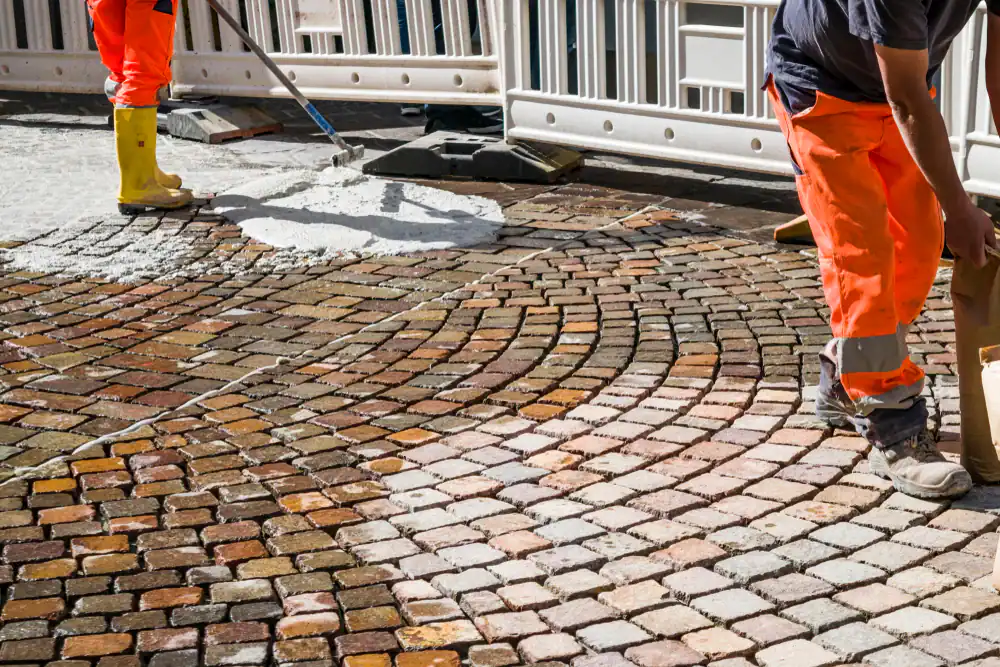
Next comes excavation and grading. This is where most paving companies cut corners. We dig down far enough to build a stable base—usually 8 to 12 inches depending on soil conditions and expected load. For Dover’s clay soil, that often means more aggressive drainage solutions and a thicker aggregate base to prevent shifting.
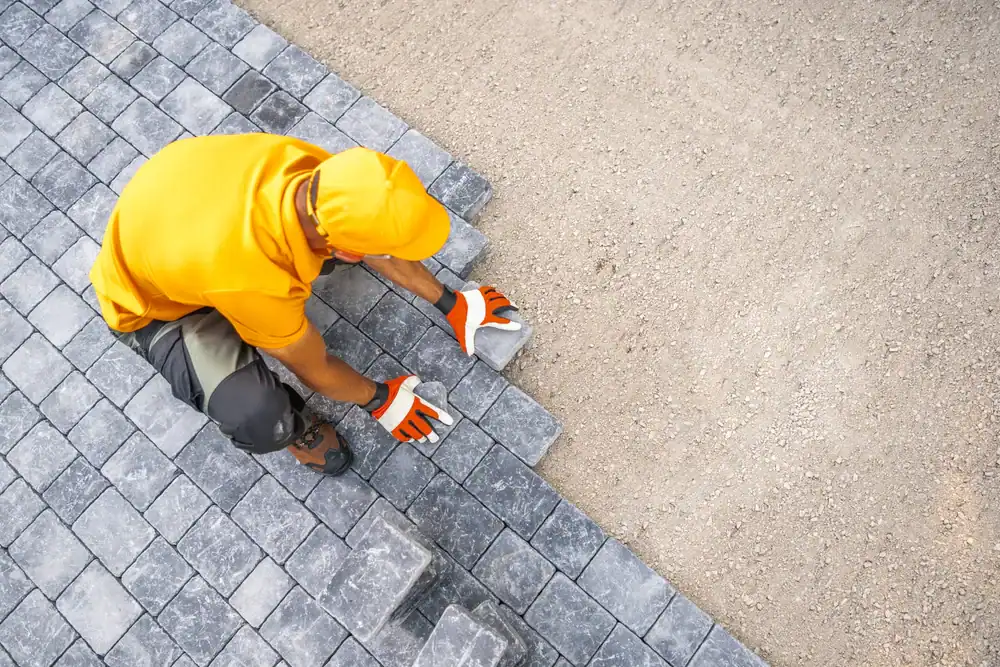
Then we install and compact the base layer. This is crushed stone, graded and compacted in lifts. It’s not exciting work, but it’s what determines whether your pavement lasts two decades or two years. After the base is set, we apply a tack coat and lay hot mix asphalt at the proper temperature. Compaction happens immediately, while the asphalt is still hot enough to bond correctly.
Final grading ensures water runs off the surface, not into it. We’re not done until drainage works the way it should. You’ll know within the first rainstorm whether a paving job was done right—water should sheet off, not pool.
Ready to get started?
You’re getting high-grade hot mix asphalt applied at the right temperature, not the recycled or cold mix that some asphalt companies near me try to pass off as equivalent. There’s a difference, and it shows up in how long the surface lasts.
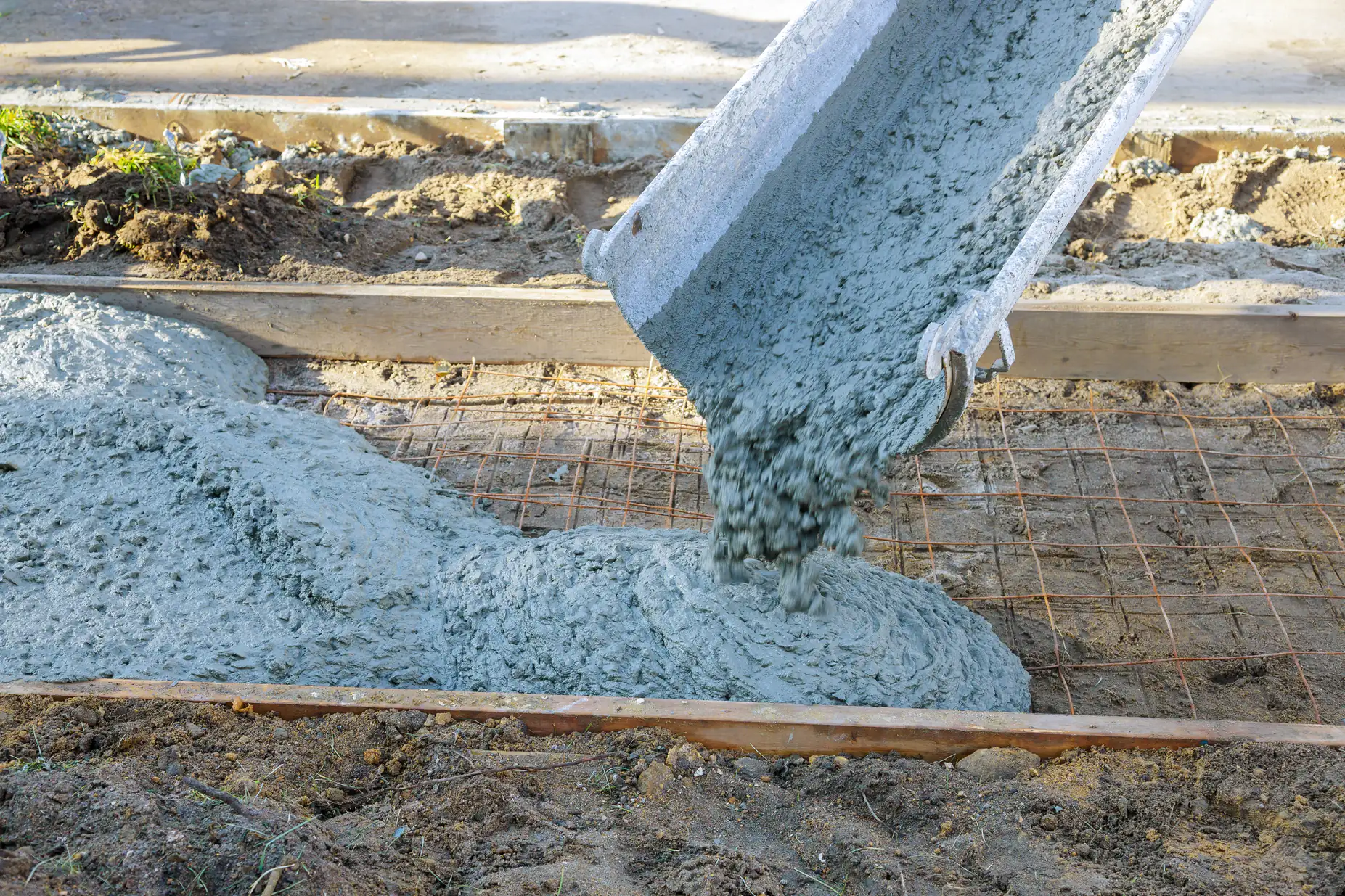
Site preparation includes excavation, grading, and base installation. If your property has drainage issues—and in Dover, with clay soil and older infrastructure, many do—we’re solving that before asphalt goes down. That might mean installing catch basins, regrading slopes, or adding subsurface drainage. It’s not optional if you want pavement that lasts.
For commercial work, we schedule around your operating hours. Parking lot paving means coordinating access points, managing customer flow, and keeping disruption to a minimum. We’ve done this for Dover businesses that can’t afford to shut down for days at a time.
Residential driveways get the same attention to base prep and drainage. We’re not just resurfacing over problems. If the existing base has failed, we’re rebuilding it. Dover’s median property value hit $347,100 last year—up nearly 10% from the year before. Your driveway is part of that value, and it should reflect the investment you’ve made in your home.
Driveway paving in Dover typically runs $3 to $7 per square foot for asphalt, depending on how much prep work is needed. If you’ve got an existing driveway that’s failing, and the base needs to be rebuilt, you’re looking at the higher end of that range. Simple resurfacing over a solid base costs less.
Commercial parking lot paving falls in a similar range—$2 to $7 per square foot—but the variables are different. Larger areas bring the per-square-foot cost down. Complicated drainage, heavy truck traffic, or connecting to existing pavement brings it up.
Anyone quoting you a firm price over the phone without seeing your property is guessing. Soil conditions, drainage requirements, and the condition of existing surfaces all affect what it takes to do the job right. We give detailed estimates after we’ve actually looked at your site, so you know what you’re paying for and why.
Late spring through early fall gives you the best conditions for asphalt paving. Asphalt needs warm temperatures to install correctly and cure properly. We’re talking about ambient temperatures above 50 degrees, ideally higher.
Cold weather paving is possible, but it’s not ideal. The asphalt cools too quickly, compaction suffers, and you don’t get the same bond. Some paving contractors will work year-round because they need the revenue. That doesn’t mean it’s in your best interest.
If you’re planning a paving project in Dover, start the conversation in early spring. Permitting, scheduling, and site prep all take time. By the time temperatures are right for paving, you’re ready to go. Waiting until late summer means you’re competing with everyone else who put it off, and you might end up pushed into fall when weather becomes unpredictable.
Properly installed asphalt in Dover lasts 15 to 20 years before you’re looking at replacement. That assumes regular maintenance—sealcoating every three to five years, prompt crack repair, and keeping drainage clear.
The biggest factor isn’t the asphalt itself. It’s what’s underneath. A solid, well-drained base handles freeze-thaw cycles without shifting. A poorly prepared base fails within a few years, no matter how good the asphalt on top looks.
Dover’s climate is tough on pavement. Winter freeze-thaw cycles expand and contract the ground. Clay soil holds water, which makes the problem worse. If your base isn’t thick enough, properly compacted, and graded for drainage, you’re not getting 15 years. You’re getting five, maybe less. That’s why base preparation matters more than anything else in the process.
It depends on what you’re doing. Repaving an existing driveway in the same footprint usually doesn’t require a permit in Dover. Expanding your driveway, changing drainage patterns, or connecting to the street might.
Local codes also cover things like setbacks, stormwater management, and curb cuts. If your project affects any of those, you’re likely looking at permit requirements. It’s not always straightforward, and it varies by property.
We handle permit applications when they’re needed. As licensed pavement contractors in Dover, NJ, we know what triggers permit requirements and what doesn’t. You’re not navigating that process alone, and you’re not finding out mid-project that you needed approval you didn’t get. It’s part of doing the job correctly from the start.
Water is the main culprit. It gets into small cracks, freezes, expands, and makes those cracks bigger. Over time, what started as a hairline crack becomes a pothole. Dover’s freeze-thaw cycles accelerate this process.
Poor drainage makes it worse. If water pools on your driveway or seeps into the base layer, you’ve got a problem that no amount of surface sealing will fix. The base shifts, the asphalt above it cracks, and the damage spreads.
Thin asphalt is another common issue. Some paving companies will lay a two-inch layer and call it done. That might look fine initially, but it doesn’t have the structural integrity to handle years of use and weather. A proper residential driveway needs at least three inches of compacted asphalt over a solid base. Commercial applications need more. Cutting corners on thickness saves money in the short term and costs you a full replacement in a few years.
It depends on how far the damage has progressed. Surface cracks and minor settling can often be repaired with crack filling, patching, or a new overlay. If the base has failed—meaning the ground underneath is shifting or the aggregate layer has deteriorated—repair isn’t going to solve the problem.
You can tell the difference by looking at the pattern of damage. Random surface cracks from age and weather are repairable. Large areas of alligator cracking, deep potholes, or sections that have sunk significantly mean base failure. Putting new asphalt over a failed base just hides the problem temporarily.
We’ll tell you honestly whether repair makes sense or whether you’re better off replacing the section. Sometimes a full replacement costs less in the long run than repeated repairs on pavement that’s going to keep failing. For Dover properties dealing with clay soil and drainage issues, addressing the underlying cause is the only way to get a permanent fix.