
Hear from Our Customers

Every spring, you see it. Driveways that looked fine in October are suddenly cracked and pitted after winter. That’s what happens when pavement isn’t built for Morris County conditions.
North Jersey has some of the highest freeze-thaw cycles in the state. Water seeps into cracks, freezes, expands, and breaks down the surface from the inside out. If your pavement wasn’t installed with proper drainage, the right base, and materials suited for this climate, it won’t make it through five winters without major issues.
You’re looking at surfaces that handle heavy traffic, seasonal temperature swings, and years of use without falling apart. That means fewer repairs, no surprise costs, and a driveway or lot that still looks solid a decade from now. The work gets done right the first time, so you’re not dealing with patching and resurfacing every few years.
We’ve been handling asphalt and concrete projects across Morris, Sussex, and Somerset Counties for more than two decades. We’re based in Dover, and we know what works in this area because we’ve been doing it here since day one.
The Chatham market isn’t forgiving. Median home values around $944,000 mean people expect quality, not shortcuts. You’re not looking for the cheapest option—you’re looking for the one that won’t need to be redone in three years.
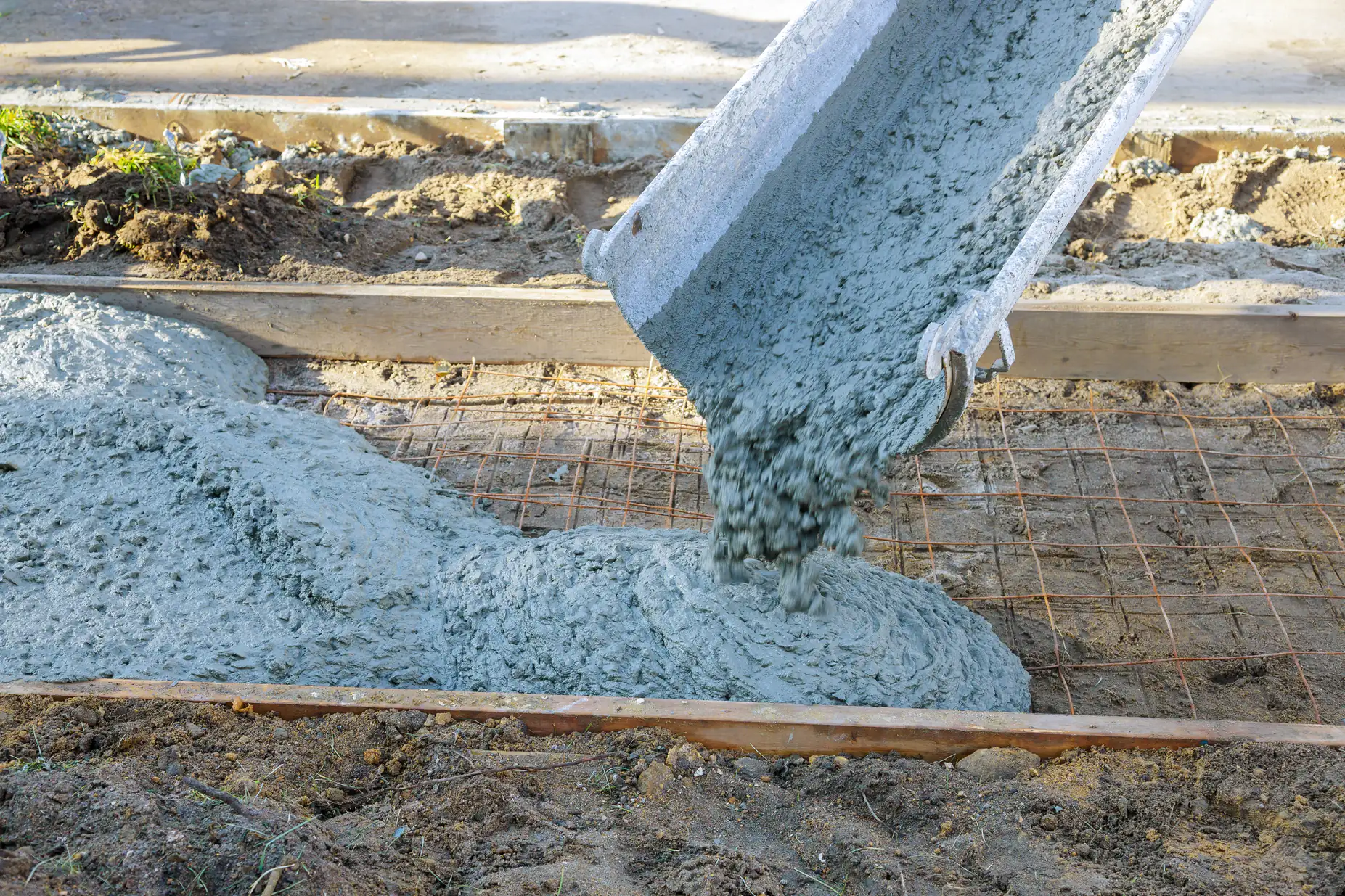
We use high-grade hot mix asphalt applied at the right temperature and Portland cement mixes reinforced with rebar for concrete work. Every project starts with proper site prep, grading for drainage, and a compacted aggregate base. That’s how you build something that lasts in this climate.

First, we look at your site. Drainage matters more than most people realize, especially in areas like Chatham, Madison, and Morristown where water runoff can destroy a driveway in two seasons if it’s not handled correctly. We grade the site so water moves away from your foundation and doesn’t pool on the surface.
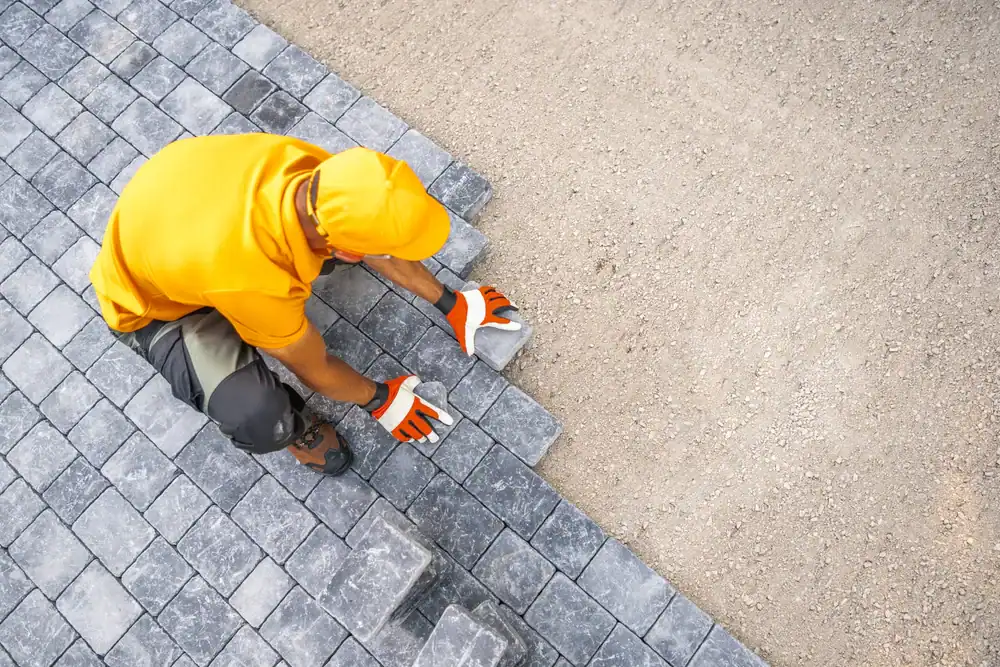
Next comes the base. We excavate to the right depth, compact a robust aggregate base, and make sure it’s stable before any asphalt or concrete goes down. Skipping this step is how you end up with sinking sections and cracks within a year.
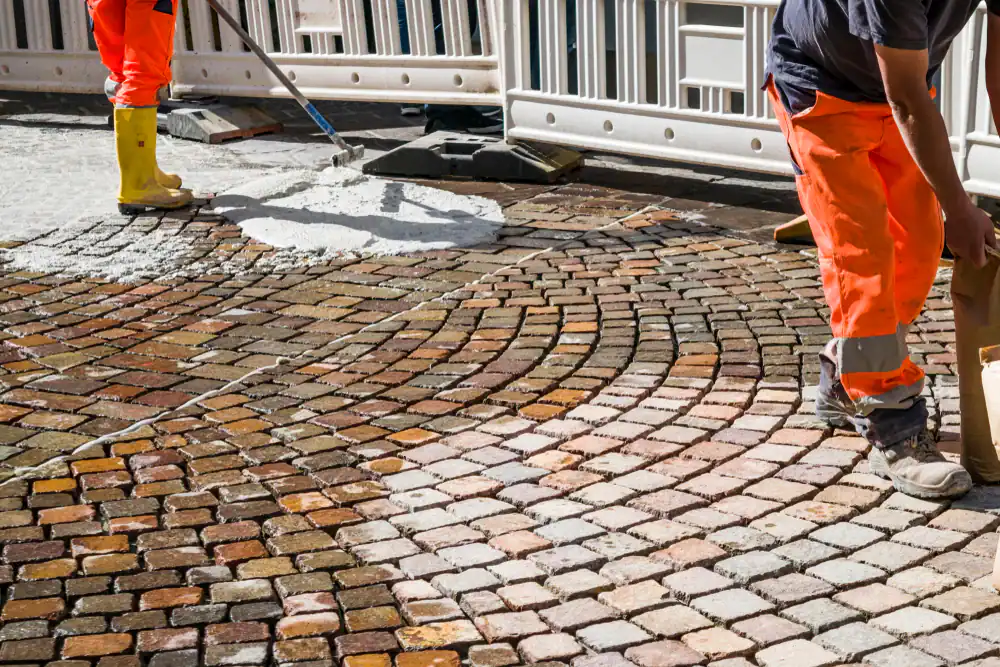
For asphalt, we use hot mix asphalt applied at proper temperature and compacted with the right equipment. For concrete, it’s Portland cement with rebar reinforcement, and we can add decorative stamped patterns if that’s what you’re after. The timeline depends on the size of the job, but you’ll get a clear schedule upfront, and we stick to it. No excuses, no delays, no crews that don’t show up.
Ready to get started?
You’re getting full site preparation, not just a layer of asphalt thrown over dirt. That includes excavation, grading, and a compacted base that can handle Morris County’s weather. We handle driveways, parking lots, roadways, and patching for both residential and commercial properties.
Material quality matters. Liquid asphalt costs have jumped from $299 per ton in 2016 to $460 per ton in 2021, and plenty of contractors are cutting corners to keep prices down. We’re not doing that. You’re getting the grade of asphalt or concrete mix that performs in this climate, applied correctly, with equipment that does the job right.
Chatham and surrounding towns like Short Hills, Florham Park, and Basking Ridge have high standards. Your neighbors aren’t tolerating subpar work, and neither should you. We’re licensed, insured, and we’ve been doing this long enough to know what holds up and what doesn’t. You’ll get clear pricing upfront, a timeline we actually follow, and a callback within 24 to 48 hours when you request a quote online. No runaround, no surprises.
Properly installed asphalt in Morris County should last 15 to 20 years with basic maintenance. That’s assuming it was done right from the start—correct base prep, proper drainage, and the right asphalt mix for the climate.
The problem is that most driveways don’t make it that long because they weren’t built to handle freeze-thaw cycles. When water gets into cracks and freezes, it expands and breaks down the pavement. If your base wasn’t compacted correctly or your drainage is poor, you’ll see damage within the first few winters.
Sealcoating every few years and crack sealing as part of a maintenance plan can extend the life of your asphalt by 10 to 15 years. But if the foundation isn’t solid, no amount of maintenance will fix it. You’re better off doing it right the first time than paying for repairs every other year.
Asphalt is more flexible, which helps it handle freeze-thaw cycles better than concrete. It’s also faster to install and typically costs less upfront. You’ll need to sealcoat it every few years to keep it in good shape, but it’s easier to repair if damage does occur.
Concrete is more rigid and can crack under extreme temperature swings, which is why you see a lot of cracked concrete driveways in North Jersey. It lasts longer without maintenance if it’s installed correctly, and you can add decorative stamped patterns for curb appeal. But if it does crack, repairs are more visible and expensive.
For Morris County, asphalt tends to perform better because of the weather. Concrete works well for patios, walkways, and areas where you want a specific look. It comes down to what you’re prioritizing—durability and cost, or aesthetics and longevity.
Check if they’re registered with the New Jersey Division of Consumer Affairs. Any home improvement contractor working in New Jersey has to register annually, and you can verify that online. If they’re not registered, walk away.
Make sure they’re licensed and insured. That means liability insurance and workers’ comp. If someone gets hurt on your property and the contractor doesn’t have coverage, you’re liable. Any legitimate contractor will provide proof of insurance without you having to ask twice.
Get everything in writing. New Jersey law requires contracts over $500 to be in writing, and that contract should include a detailed scope of work, timeline, payment schedule, and materials being used. If a contractor shows up at your door offering a deal because they “have leftover materials from another job,” that’s a scam. It happens all the time in North Jersey, especially targeting older homeowners. Don’t fall for it.
Late April through early October is the ideal window for paving in North Jersey. Asphalt needs to be applied at the right temperature, and it needs warm weather to cure properly. Once temperatures drop below 50 degrees consistently, the quality of the installation suffers.
Spring and fall are the busiest times because everyone’s trying to get work done before winter. If your project is on the schedule for this year, don’t wait until September to call. Asphalt prices go up every month, and contractors book out weeks in advance during peak season.
Winter paving is possible for emergency repairs, but it’s not ideal. The asphalt doesn’t compact as well in cold weather, and you’re more likely to have issues down the road. If you’re planning a full driveway or parking lot, schedule it for late spring or summer and get on the calendar early.
For a residential driveway in Morris County, you’re looking at a minimum of 2 to 3 inches of compacted asphalt over a proper base. Some contractors will try to get away with 1.5 inches to save on material costs, but that won’t hold up to regular use and winter weather.
The base is just as important as the asphalt thickness. You need at least 4 to 6 inches of compacted aggregate base, depending on soil conditions and drainage. If the base isn’t stable, it doesn’t matter how thick your asphalt is—it’s going to crack and sink.
Commercial lots and driveways that see heavier traffic need thicker asphalt, usually 3 to 4 inches. If you’re getting quotes and one is significantly cheaper than the others, ask about asphalt thickness and base prep. That’s usually where corners get cut, and it’s why some driveways fail in two years while others last twenty.
Sometimes, but not always. If your existing driveway has a solid base and only surface-level damage, an overlay can work. That means adding a new layer of asphalt over the old one. It’s faster and cheaper than a full replacement, and it can buy you another 10 years if the foundation is still good.
But if your driveway has deep cracks, sinking sections, or drainage issues, an overlay won’t fix the problem. You’re just covering up damage that’s going to come back through the new layer within a year or two. In those cases, you need full removal and replacement.
We’ll tell you upfront if an overlay makes sense or if you’re wasting money. A lot of contractors will do whatever you’re willing to pay for, even if it’s not the right call. If the base is failing, ripping it out and starting over is the only way to get a driveway that lasts. Anything else is a temporary fix that costs you more in the long run.