
Hear from Our Customers

Your driveway should look clean and drain properly. No pooling water after rainstorms. No cracks spreading across the surface by the second winter.
That’s what happens when a paving contractor uses high-grade hot mix asphalt at the right temperature and doesn’t skip site preparation. The base gets compacted correctly. Drainage gets planned before the first truck arrives. The asphalt goes down at 275-300°F, not cooled off in a truck that’s been sitting around.
You’re not dealing with callbacks or patch jobs six months later. The surface holds up under traffic and weather because it was installed to last, not installed to look good for the estimate.
Most homeowners in Cedar Knolls don’t know what proper installation looks like until they’ve already paid for the wrong one. By then, you’re stuck with a surface that’s failing and a contractor who won’t return your calls.
Platinum Paving has been handling asphalt and concrete work across Morris, Sussex, and Somerset counties since 2016. We’re based in Dover. We know how freeze-thaw cycles tear up poorly installed pavement in this area.
We’re a BBB-accredited business with an A+ rating and a licensed Home Improvement Contractor in New Jersey. That means we carry proper insurance and pull permits when required. You’re not hiring someone working out of a truck with no business address.
Cedar Knolls sits right in our primary service area. We’ve paved driveways on steep grades, handled drainage issues common to this part of Morris County, and worked with the soil conditions you deal with here. When you call, you’re talking to people who’ve seen your street before.

You request a quote online or by phone. We guarantee a callback within 24-48 hours. No waiting two weeks to hear back.
We come out to look at your property. We’re checking grade, drainage, base condition, and access for equipment. You get an upfront price that includes the work scope—no surprise charges later because “we found something.”
Once you approve, we schedule the work and show up when we say we will. Site prep happens first: excavation if needed, base grading, compaction. If drainage is an issue, we address it before any asphalt goes down.
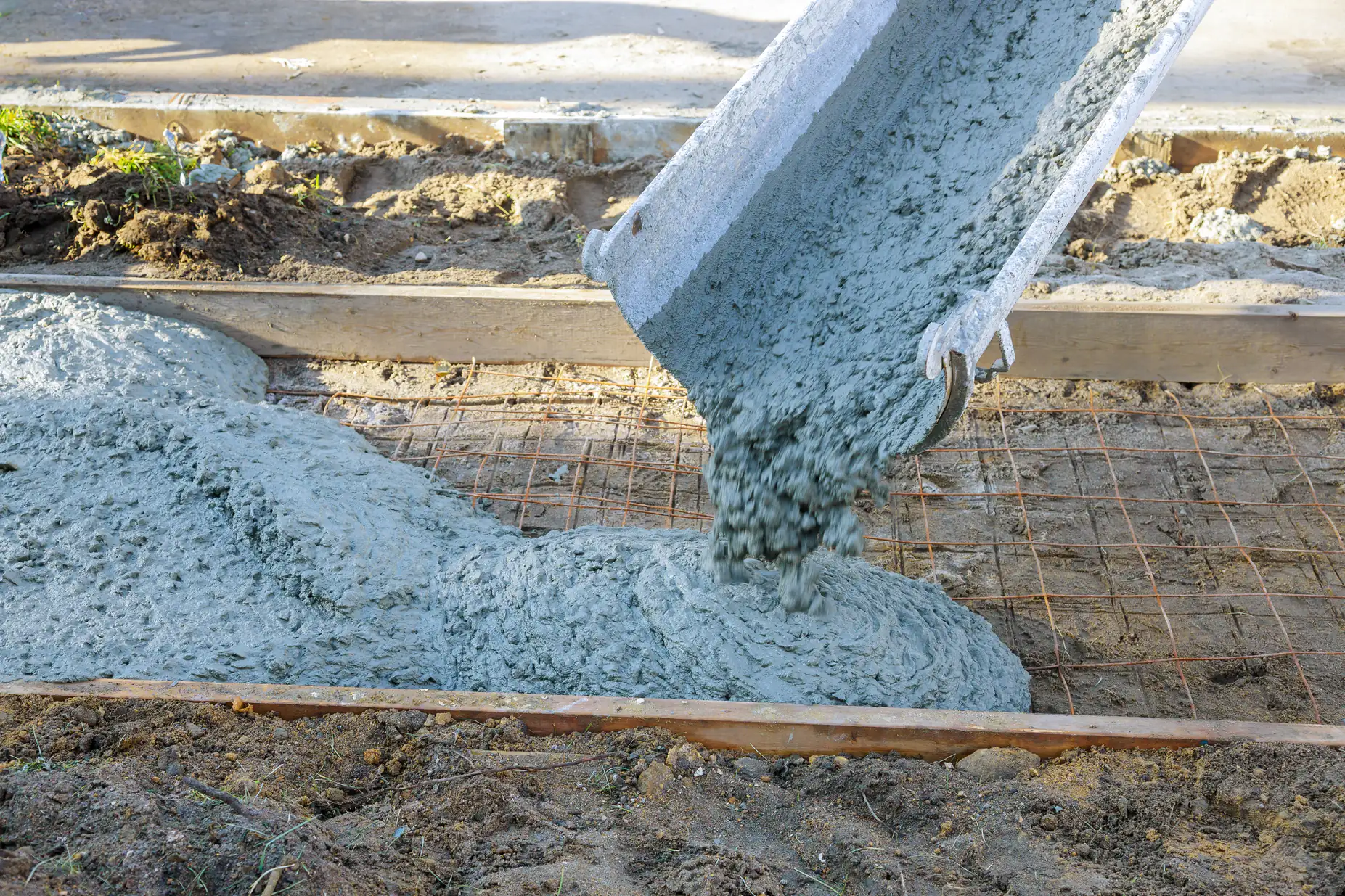
For asphalt paving, we use hot mix asphalt delivered at proper temperature. It gets laid, graded, and compacted while it’s still hot. For concrete work, we use Portland cement mixes with rebar reinforcement, not thin pours that crack under weight.
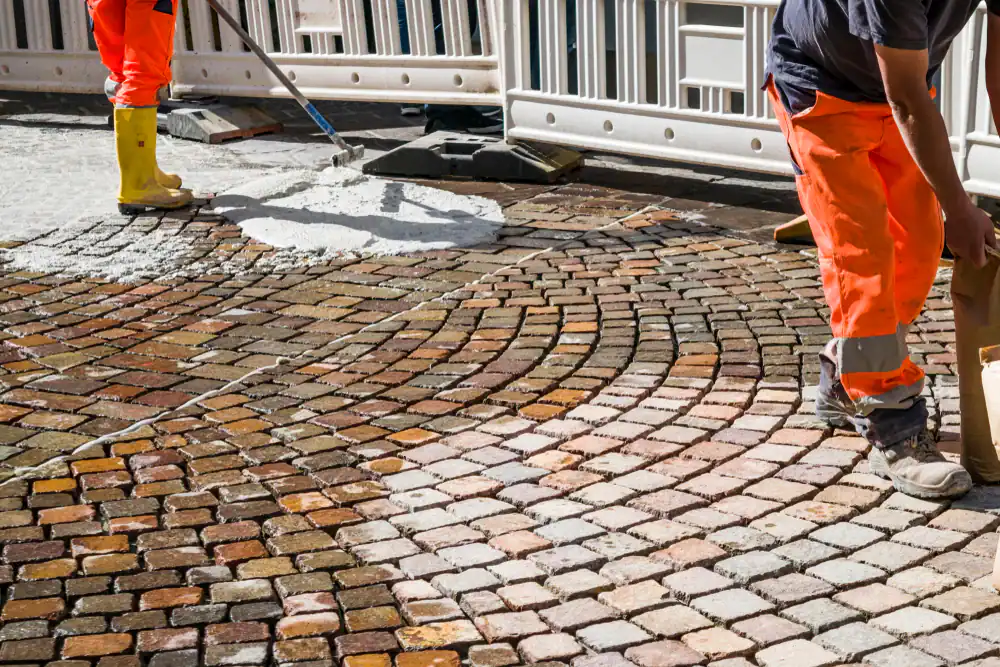
The job gets finished in the timeframe we agreed on. We clean up the site. You’re not left with piles of millings in your yard or asphalt chunks in the street. If you want decorative options like stamped concrete or paver patios, we handle that too.
Ready to get started?
You’re getting a full-service paving contractor, not just someone who lays asphalt. That means site evaluation, proper base preparation, drainage planning, material selection, installation, and cleanup.
For residential driveways in Cedar Knolls, that often means dealing with slopes and water runoff. Morris County gets heavy rain and snow. If your driveway doesn’t drain correctly, you’ll have ice patches in winter and erosion problems year-round. We grade for drainage before installation, not after you’ve called three times about standing water.
Commercial parking lots need to handle heavier loads and more traffic. We work with property managers who need repairs done fast or full installations scheduled around business hours. Sealcoating and striping are part of the service when you need them.
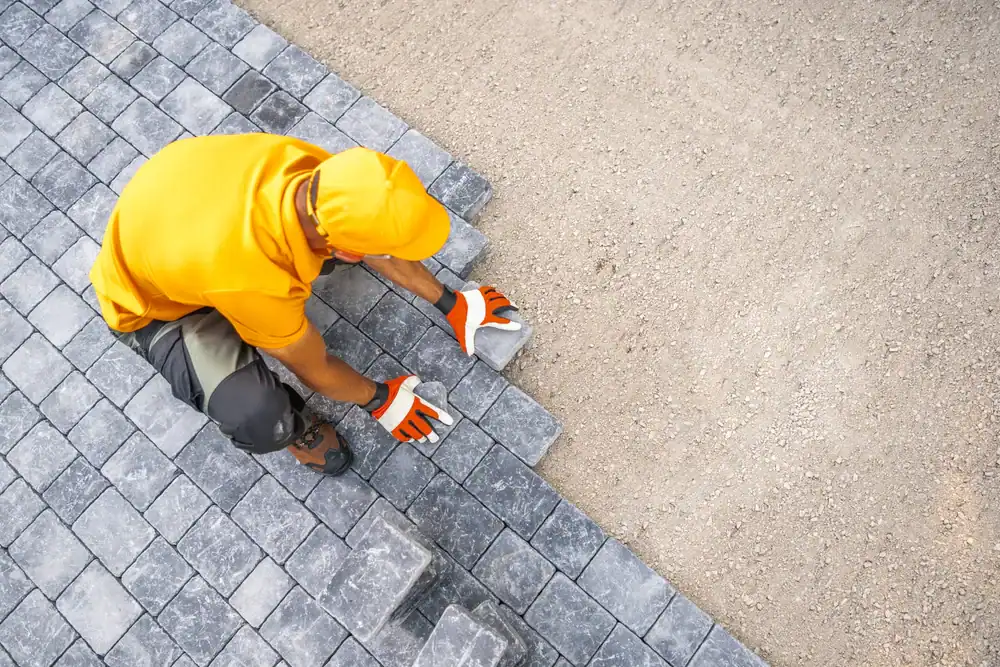
If you want paver stones for a patio or decorative stamped concrete for a walkway, we do that work too. Same crew, same standards. We’re not subbing it out to someone else.
The other thing you’re getting: clear communication. You’ll know what’s happening and when. If weather delays the job, you hear about it before you’re standing in your driveway wondering where the crew is. If we hit something unexpected underground, we talk through options before proceeding. You’re not getting billed for work you didn’t approve.
A properly installed asphalt driveway in Morris County should last 20-30 years with basic maintenance. That’s assuming the contractor used quality materials, prepared the base correctly, and installed it during appropriate weather conditions.
The key word is “properly.” Most driveways that fail early fail because of poor installation, not because asphalt is a bad material. If the base wasn’t compacted, if the asphalt was laid too thin, or if drainage wasn’t addressed, you’ll see problems within 3-5 years.
North Jersey weather is tough on pavement. Freeze-thaw cycles, heavy snow, road salt—it all takes a toll. But a well-built driveway handles it. You’ll want to sealcoat every 3-5 years and fill cracks as they appear, but the structure itself should hold up for decades if it was done right from the start.
Asphalt costs less upfront and handles freeze-thaw cycles better in New Jersey’s climate. Concrete costs more initially but lasts longer and offers more design options like stamping and coloring.
Asphalt is flexible. When the ground shifts slightly during winter, asphalt can flex without cracking as easily as concrete. That’s why you see more asphalt driveways in areas with cold winters. It also gets installed faster—usually ready to drive on within a day or two.
Concrete is rigid and more durable under heavy loads. It doesn’t need sealcoating like asphalt does. If you want a decorative look, concrete gives you more options. But if it does crack, repairs are more visible and often more expensive than patching asphalt.
For most Cedar Knolls homeowners, asphalt makes sense for driveways. For patios, walkways, or areas where appearance matters more than cost, concrete or pavers are worth considering. We install both, so we’re not pushing you toward one because it’s all we do.
Check for a New Jersey Home Improvement Contractor license, liability insurance, and a physical business address. If they can’t provide all three, walk away.
BBB accreditation and reviews help, but the license is non-negotiable. New Jersey requires licensing for home improvement work over $500. A legitimate contractor will give you their license number without hesitation. You can verify it through the state.
Ask for proof of insurance. If someone gets hurt on your property or if equipment damages your neighbor’s fence, you need to know there’s coverage. Contractors who are “in between” insurance policies are contractors you don’t hire.
Get everything in writing: scope of work, materials being used, timeline, total cost, payment schedule. Be wary of contractors who want large deposits upfront or only accept cash. That’s a red flag, especially in an industry where scams are common.
Finally, trust your gut. If the estimate seems way lower than others, there’s usually a reason. Either they’re planning to cut corners, use subpar materials, or they’ll hit you with change orders once work starts. A detailed, written estimate from a licensed contractor protects you.
Ask how they handle site preparation and drainage. That’s where most paving jobs succeed or fail, and it’s the part most homeowners don’t think to ask about.
Find out what thickness of asphalt they’re planning to install. For residential driveways, you want at least 2-3 inches of compacted asphalt over a proper base. If they’re vague about thickness or say “whatever’s standard,” that’s a problem.
Ask about the materials. What type of asphalt mix are they using? Is it hot mix asphalt or something cheaper? For concrete, what’s the PSI rating and are they using rebar or wire mesh for reinforcement?
Get a timeline. When will work start and how long will it take? What happens if weather delays the job? You want a contractor who communicates clearly about scheduling, not someone who shows up randomly or disappears for weeks.
Ask about cleanup and what happens to excavated material. You shouldn’t be left with a mess. And ask about the warranty or guarantee on the work. Legitimate contractors stand behind their installations.
Asphalt installation requires temperatures above 50°F and dry conditions. Most paving companies in New Jersey don’t install asphalt between late November and early March because the material won’t compact properly in cold weather.
Asphalt needs to be laid hot and compacted while it’s still pliable. If the ground is frozen or air temperatures are too low, the asphalt cools too quickly. It won’t bond correctly and you’ll end up with a surface that deteriorates fast.
Concrete work has a little more flexibility with cold-weather additives, but it’s still not ideal in freezing temperatures. The curing process gets disrupted and you risk cracking.
If you need emergency repairs during winter, temporary cold patch asphalt can get you through until spring. But for new installations or major resurfacing, you’re better off waiting for warmer weather. Any contractor willing to install asphalt in January is either desperate for work or doesn’t care about quality—neither is good for you.
Plan your paving projects for late spring through early fall. That’s when conditions are right and when reputable paving contractors have crews available.
Asphalt paving in Morris County typically runs $4-$8 per square foot for residential driveways, depending on site conditions, access, and prep work required. A standard two-car driveway (600 square feet) usually costs $2,400-$4,800.
That range exists because every property is different. If your driveway has drainage issues, needs significant excavation, or requires removal of old pavement, costs go up. Steep grades, limited equipment access, or poor soil conditions also affect pricing.
The cheapest bid isn’t always the best value. If one estimate is significantly lower than others, ask why. Are they skipping base preparation? Using thinner asphalt? Planning to cut corners somewhere?
We provide upfront pricing that includes the full scope of work. You’ll know what you’re paying for site prep, materials, labor, and cleanup before work starts. No surprise charges because we “discovered” something that should have been obvious during the estimate.
For commercial paving or larger projects, costs vary even more based on specifications and project scope. The best approach is to get a detailed written estimate that breaks down what’s included. That way you’re comparing actual work, not just bottom-line numbers.