
Hear from Our Customers

Your driveway stops being something you worry about every winter. No more wondering if those hairline cracks will turn into potholes by March. No emergency repair bills because the base wasn’t done right the first time.
You get pavement that handles what Somerset County throws at it. Freeze-thaw cycles that crack cheaper installations don’t touch properly compacted asphalt with the right base prep. Water drains away from your foundation instead of pooling every time it rains.
Most driveways we install last over 20 years with basic maintenance. That’s because we’re using high-grade hot mix asphalt applied at the right temperature and compacted for a dense finish. For concrete work, it’s Portland cement mixes with rebar reinforcement. Not the shortcuts that save money now and cost you thousands later.
We’re a family-owned paving company that’s been working across Morris, Sussex, and Somerset County since before New Jersey’s 2024 contractor bonding requirements existed. We’re licensed, insured, and we know exactly how temperature swings in this area affect base stability.
Bridgewater Center sits in an area where drainage can’t be an afterthought. We’ve seen what happens when paving companies skip proper grading or use subpar materials. You end up with water damage, foundation issues, and a driveway that needs replacement in five years instead of twenty.
We don’t quote low and add charges later. You get upfront pricing that details the work involved. You get a 24-48 hour callback guarantee when you request a quote online. And you get a team that shows up when we say we will and finishes on schedule.

First, we look at your property and talk through what you actually need. Not every driveway requires full replacement. Sometimes it’s repair work or sealcoating. We’ll tell you what makes sense for your situation and your budget.
If it’s new installation, we start with site preparation. That means proper grading for drainage and compacting a robust aggregate base. This step determines whether your driveway lasts five years or twenty-five. We don’t skip it.
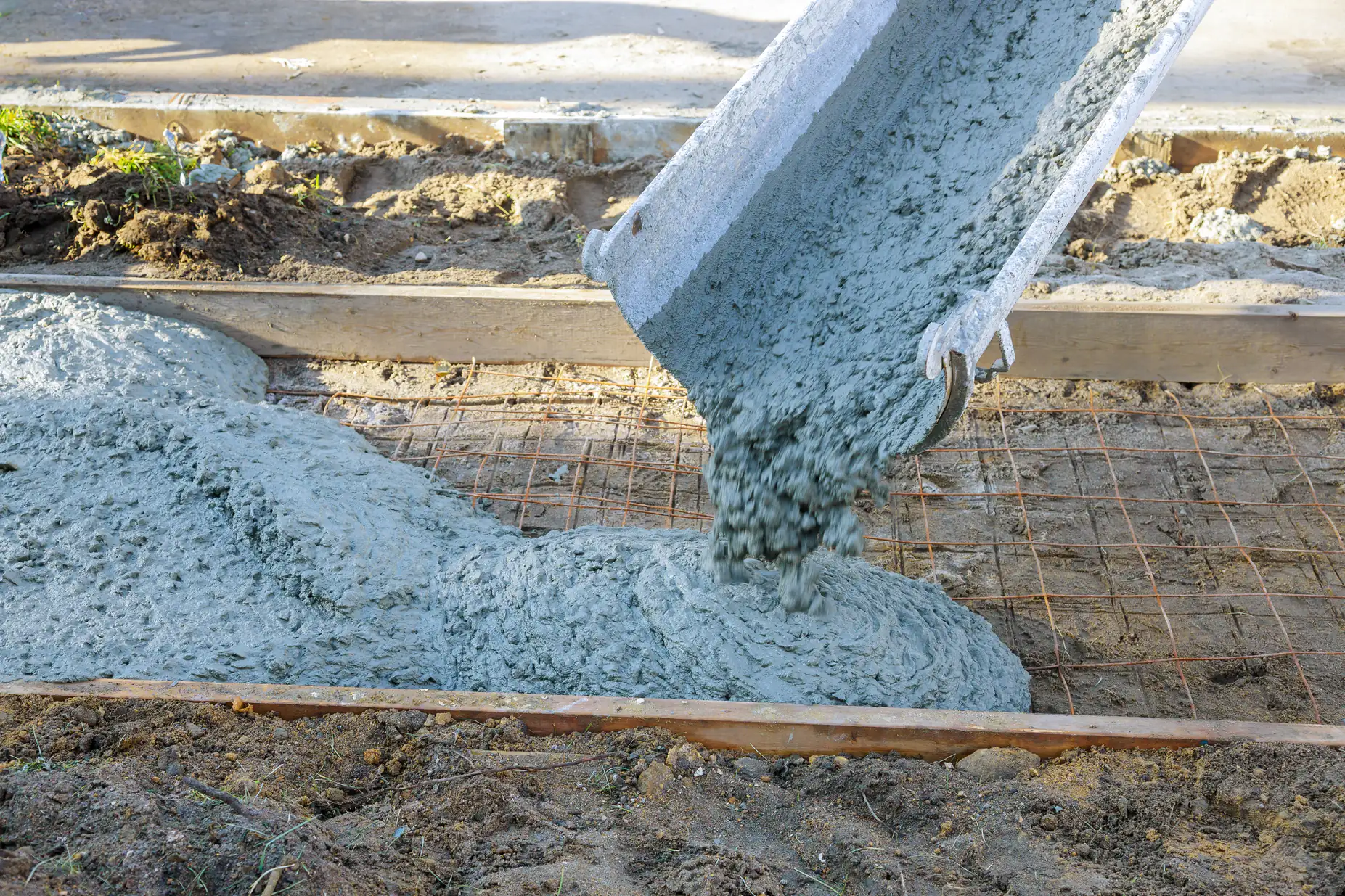
Then comes the asphalt or concrete application. For asphalt, we’re using hot mix applied at the right temperature and compacted in layers for density. For concrete, it’s the right cement mix with rebar reinforcement and your choice of finish—standard broom texture or decorative stamped patterns if you want something beyond basic blacktop.
You’ll know the timeline before we start. Most residential driveways take a few days depending on size and scope. We keep you updated throughout and we’re available to answer questions as they come up.
Ready to get started?
You’re getting more than just asphalt or concrete. You’re getting drainage solutions designed for Somerset County’s weather patterns. You’re getting base preparation that accounts for soil conditions in Bridgewater Center. You’re getting materials selected specifically for performance in freeze-thaw cycles.
For residential customers, that means driveways built to handle daily use and New Jersey winters without constant maintenance. For commercial properties, it means parking lots and pavement that hold up under heavier traffic and meet local code requirements.
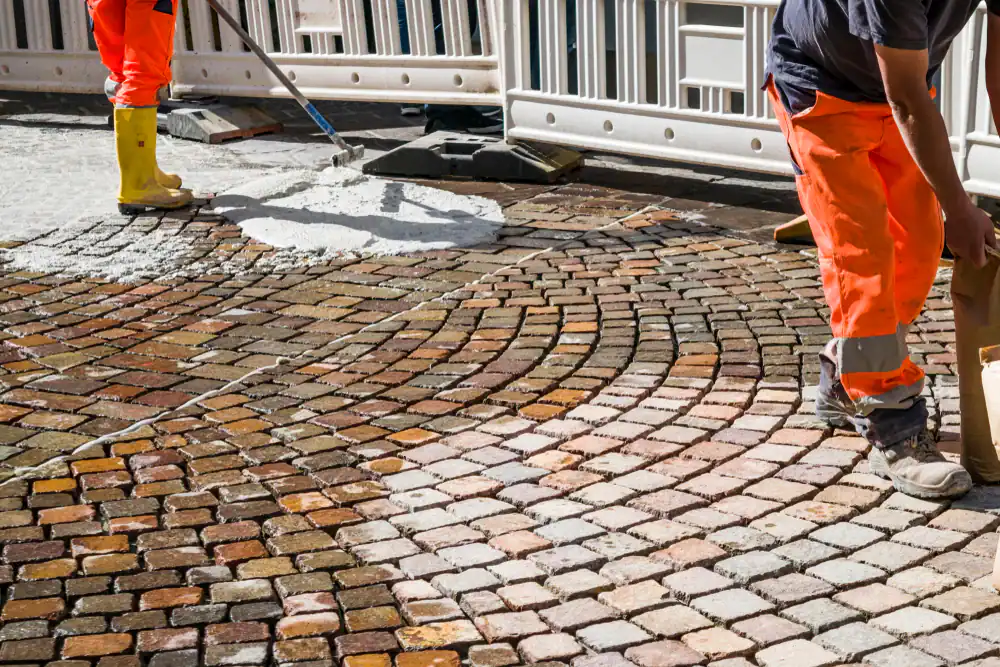
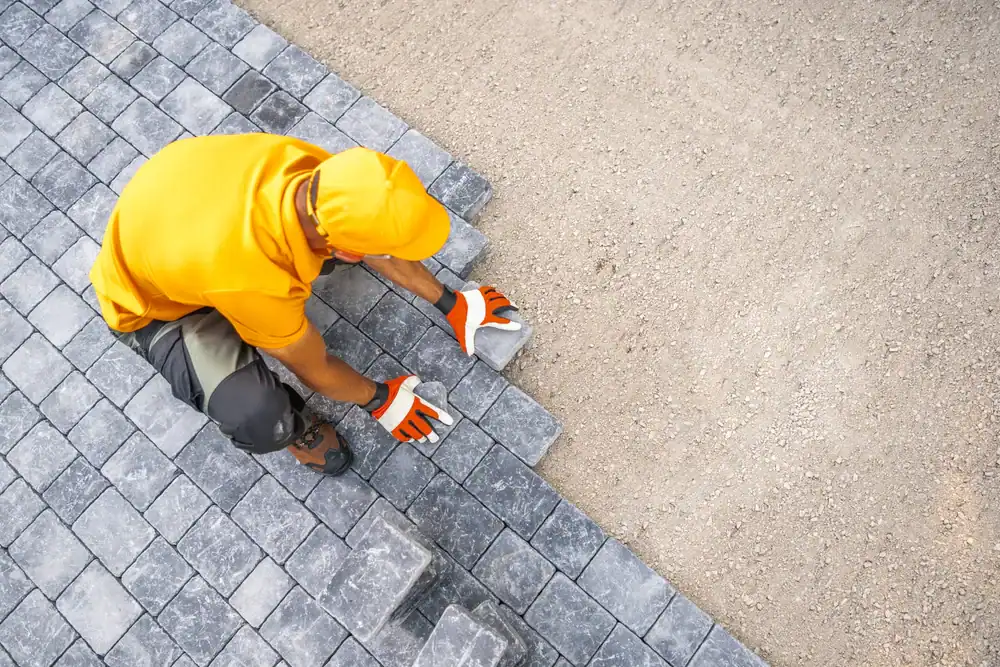
We handle asphalt paving, concrete installation, paver stone work for patios and walkways, sealcoating to extend pavement life, and repair work when you catch problems early. If you’re looking at decorative options, we offer stamped concrete patterns that add curb appeal without sacrificing durability.
The reality in Bridgewater Center is that cheap paving jobs fail fast. You’ll find plenty of asphalt companies that quote lower. They’re also the ones cutting corners on base prep, using thinner asphalt layers, or skipping proper compaction. We’re not interested in being the cheapest option. We’re interested in being the option that doesn’t require replacement in five years.
Most asphalt driveways we install last 20 to 25 years with basic maintenance like sealcoating every few years. That lifespan depends entirely on installation quality and how well the pavement handles Somerset County’s freeze-thaw cycles.
The driveways that fail early usually have base problems. If the aggregate base isn’t compacted properly or the grading doesn’t account for drainage, water gets underneath the asphalt. When temperatures drop, that water freezes and expands. By spring, you’re looking at cracks and potholes.
We use a compacted aggregate base and proper drainage design so water moves away from the pavement instead of pooling underneath it. The asphalt itself is high-grade hot mix applied at the right temperature and compacted in layers. That’s what gets you past 20 years instead of needing repairs after the first winter.
Asphalt costs less upfront and handles freeze-thaw cycles better because it has some flexibility. Concrete costs more initially but lasts longer and gives you more decorative options like stamped patterns or custom finishes.
In Bridgewater Center, both work if they’re installed correctly. Asphalt driveways need sealcoating every few years to protect the surface and extend lifespan. Concrete needs less maintenance but can crack if the base isn’t prepared right or if there’s ground movement.
For most residential properties, asphalt makes sense if you want durability at a lower price point. Concrete makes sense if you’re prioritizing curb appeal or you want decorative elements like paver stones integrated into the design. We’ll walk through both options during the quote so you can decide based on your priorities and budget.
Residential driveway paving typically runs between $3,000 and $8,000 depending on size, material choice, and site conditions. That’s for full installation with proper base preparation and quality materials. Repair work or sealcoating costs significantly less—usually under $500 for preventive maintenance.
The wide range comes down to scope. A small asphalt driveway with straightforward grading costs less than a large concrete driveway with decorative stamping and complex drainage solutions. We provide upfront quotes that detail exactly what’s included so there are no surprises when the work is done.
Cheaper quotes usually mean corners are being cut somewhere. Thinner asphalt layers, skipped base prep, or lower-grade materials all reduce cost initially. They also reduce lifespan dramatically. Spending a bit more on proper installation saves you thousands in premature replacement costs down the road.
Spring through fall is ideal for paving work in Bridgewater Center. We typically schedule installations between April and October when temperatures stay consistently above 50°F. Asphalt needs warm weather to stay workable during installation and to cure properly afterward.
Summer offers the best conditions because the asphalt stays workable longer and compacts more effectively in heat. Fall is the second-best option before temperatures drop. Spring works once the ground thaws and we’re past the freeze-thaw cycle that can affect base stability.
Winter paving is possible in some situations but not ideal. Cold temperatures make asphalt harder to work with and it doesn’t compact as well. If you’re dealing with emergency damage, we can discuss options. For planned installations, waiting for warmer weather gets you better results and a longer-lasting driveway.
Most residential driveway replacements don’t require permits in Bridgewater Center if you’re repaving within the existing footprint. If you’re expanding the driveway, changing drainage patterns, or working near the street, you’ll likely need approval from the local building department.
Commercial paving projects almost always require permits and inspections. That includes parking lots, access roads, and any pavement work that affects stormwater management or connects to public roads. We handle permit applications as part of the project so you don’t have to navigate that process yourself.
New Jersey’s 2024 contractor licensing requirements also mean you should verify that any paving company you hire is properly licensed and bonded. That protects you financially if something goes wrong. We’re licensed, insured, and compliant with all state requirements. We can walk you through what’s needed for your specific project during the quote.
Small cracks and minor surface damage usually mean repair work is enough. If you’re seeing widespread cracking, potholes, or sections where the pavement is sinking, replacement is probably the better option. The decision comes down to how much of the driveway is damaged and whether the base is still stable.
Surface cracks can be sealed before they turn into bigger problems. Potholes can be patched if they’re isolated. But if water has compromised the base or if more than 30% of the surface is damaged, you’re usually better off replacing the whole driveway. Patching extensively damaged pavement just delays the inevitable and costs more in the long run.
We’ll assess the condition during a site visit and give you an honest recommendation. Sometimes sealcoating and minor repairs buy you a few more years. Sometimes the damage is too far gone and replacement is the only option that makes financial sense. Either way, you’ll know what you’re dealing with before any work starts.