
Hear from Our Customers

When your driveway is installed correctly, water drains away from your foundation instead of pooling near your garage. The base is compacted properly so you don’t get those annoying dips where cars bottom out. And the asphalt is applied at the right temperature so it bonds correctly and doesn’t crack after the first winter.
That’s what matters when you’re spending money on paving. Not just how it looks the day we finish, but whether it’s still solid five years from now when your neighbors are already calling other paving companies near me for repairs.
In Bradley Gardens, where properties average over $546,000, your driveway isn’t just functional. It’s the first thing people see. A crumbling driveway with standing water doesn’t match a half-million-dollar home, and it certainly doesn’t help when you’re trying to maintain property value in one of Somerset County’s most affluent communities.
We work throughout Morris, Sussex, and Somerset County. We’re based in Morris County, which means we understand exactly what Bradley Gardens properties need because we deal with the same freeze-thaw cycles, the same soil conditions, and the same drainage challenges you do.
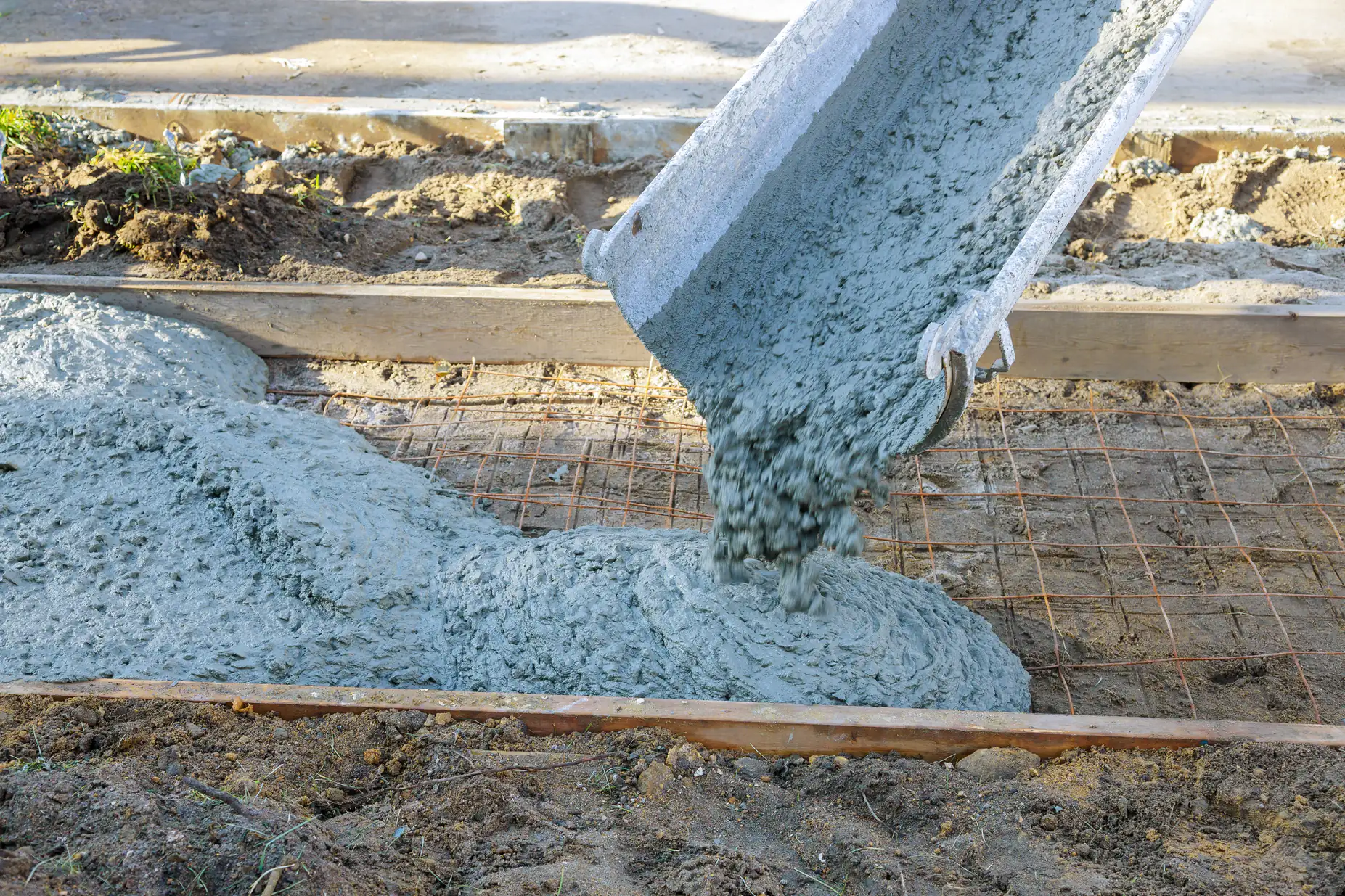
We’re not a national franchise following a manual written for Arizona. We use high-grade hot mix asphalt applied at proper temperature because that’s what survives New Jersey winters. For concrete work, we use Portland cement mixes with rebar reinforcement, not the shortcuts that crack in two years.
When you request a quote online, you’ll hear back within 24 to 48 hours. No ghosting, no runaround. You get clear upfront pricing with no unexpected charges showing up later, and we stick to the schedule we give you.

First, we look at your existing pavement or the area you want paved. We’re checking drainage patterns, looking at the base condition, and figuring out what prep work is actually needed. If your current driveway has standing water problems, we identify why before we touch anything.
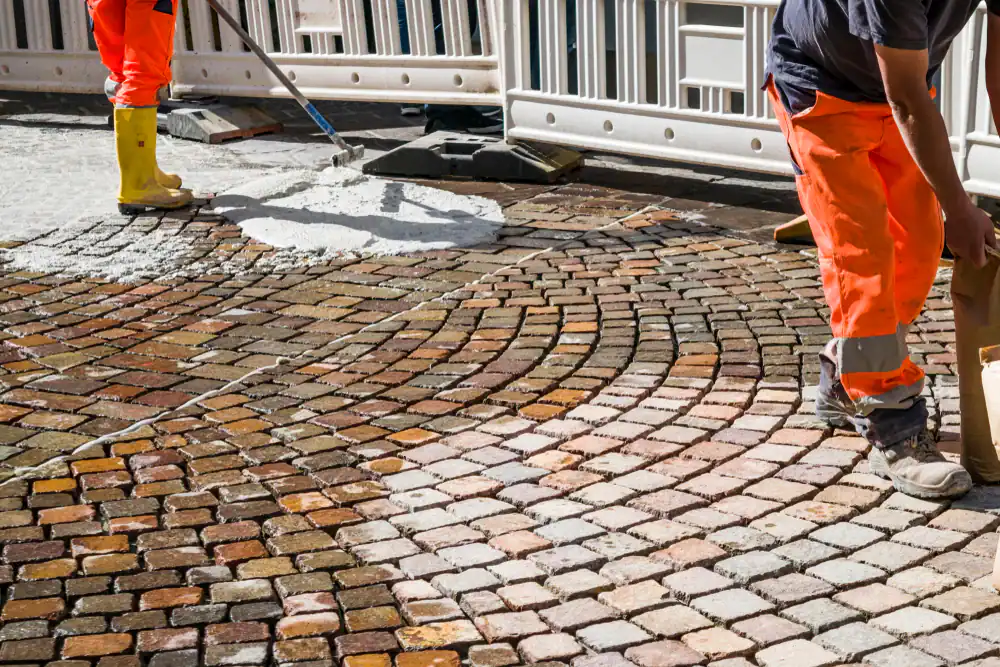
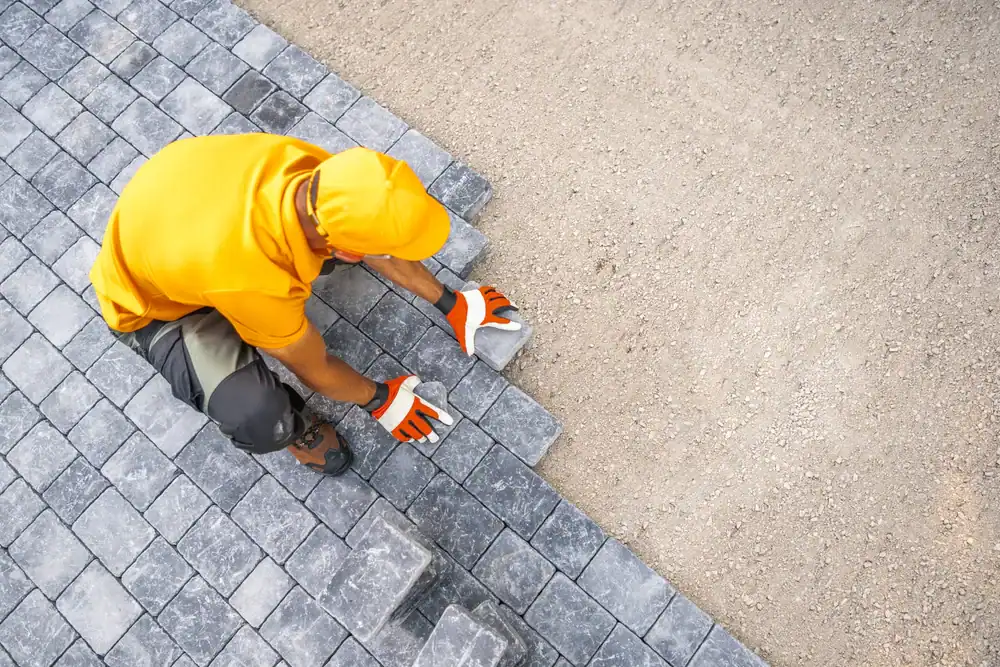
Next comes excavation and base preparation. This is where most paving contractors cut corners, and it’s why you see driveways failing early. We excavate to proper depth, install the right base material, and compact it correctly. For asphalt, that means a solid foundation that won’t shift. For decorative work like paver patios or paver stones, it means a base that keeps everything level.
Then we install your new pavement. For blacktop, we’re applying hot mix asphalt at the temperature it needs to be for proper bonding. For concrete, we’re using reinforced mixes that handle New Jersey’s temperature swings. If you’re doing stamped concrete or pavers, we’re taking time to get patterns right and ensuring proper edge restraints.
Finally, we handle drainage integration. Water needs somewhere to go that isn’t your foundation or garage. We grade everything properly and add drainage solutions where needed so you’re not dealing with ice dams in winter or flooding during spring storms.
Ready to get started?
You’re getting complete installation, not just the surface layer. That includes proper excavation, base preparation with compaction, and the final pavement surface whether that’s asphalt, concrete, or pavers. Drainage work is integrated into the project so water moves away from structures.
For residential properties in Bradley Gardens, that typically means driveways designed to handle the two-car households that are standard in this area. We account for the fact that 73.6% of residents drive alone to work, which means your driveway gets daily use and needs to hold up to constant traffic.
For commercial properties, we handle parking lot paving with attention to ADA compliance, proper striping, and traffic flow that keeps your business accessible. We can work weekends or phase the project so you’re not losing customer access for extended periods.
We also handle ongoing maintenance. Sealcoating every two years extends asphalt life significantly. Crack filling prevents small issues from becoming expensive repairs. Pothole repair keeps surfaces safe and functional. These aren’t upsells. They’re what actually makes pavement last 15 to 20 years instead of needing replacement after seven.
With professional installation and regular maintenance, you’re looking at 15 to 20 years. That assumes proper base preparation, quality materials, and sealcoating every two years.
Without maintenance, expect closer to 10 years before you’re dealing with significant deterioration. New Jersey’s freeze-thaw cycles are brutal on pavement. Water seeps into small cracks, freezes, expands, and breaks apart the asphalt structure. Sealcoating prevents water infiltration and extends the life of your driveway substantially.
The base preparation matters more than most homeowners realize. If the base isn’t compacted correctly or the wrong materials are used, your driveway will develop low spots and cracks regardless of the asphalt quality. That’s why installation quality determines longevity more than any other factor.
Standing water happens when your driveway doesn’t have proper slope or when the base has settled unevenly. Water needs to drain away at a minimum slope, and if that’s not built in from the start, you’ll have pooling.
Sometimes the problem is poor compaction during installation. The base settles over time, creating low spots where water collects. Other times, the original grading just didn’t account for water flow patterns around your property.
We fix it by regrading the affected area or installing drainage solutions like channel drains or French drains that redirect water away from problem spots. For severe cases, that might mean removing and reinstalling sections of pavement with proper base preparation. Standing water isn’t just annoying. It’s asphalt’s biggest enemy and will destroy your pavement faster than anything else, so it’s worth addressing correctly.
Asphalt costs less upfront and handles freeze-thaw cycles well if maintained properly. It needs sealcoating every two years but repairs are straightforward. Most Bradley Gardens driveways are asphalt because it’s practical and looks clean.
Concrete lasts longer without maintenance and works well for decorative applications like stamped patterns. It costs more initially and can crack if the base isn’t perfect, but it doesn’t need sealcoating. For high-end properties where appearance matters, decorative stamped concrete offers more design options.
Paver stones and paver patios give you the most design flexibility and individual pavers can be replaced if damaged. They cost the most and require proper edge restraints to prevent shifting. They’re popular for walkways, patios, and accent areas rather than full driveways. Your choice depends on budget, maintenance preference, and how much design customization matters to you.
Ask for their license number and verify it with the state. New Jersey requires paving contractors to carry a surety bond and maintain $500,000 in general liability insurance plus workers compensation coverage. Those aren’t optional.
A legitimate contractor will provide certificates of insurance before starting work. If they hesitate or make excuses, that’s a red flag. You want to see current coverage, not expired policies or vague promises.
Check their standing with professional associations like the New Jersey Asphalt Pavement Association. Membership doesn’t guarantee quality, but it shows they’re connected to industry standards and ongoing education. Also look for how long they’ve been working in your specific area. Contractors who’ve been serving Bradley Gardens and Somerset County for years have reputation and references you can verify.
Late spring through early fall gives you the best conditions. Asphalt needs warm temperatures for proper installation. If it’s too cold, the material doesn’t compact correctly and you’ll have premature failure.
Sealcoating requires temperatures above 50 degrees and at least 24 hours without rain. That typically means May through September in New Jersey. Concrete can be poured in cooler weather but needs protection from freezing during the curing process.
Winter repairs are possible for emergencies like potholes that create safety hazards, but they’re temporary fixes. Plan major paving projects for warm weather and book early because reputable paving companies near me fill their schedules quickly during peak season. If a contractor is pushing you to do major installation work in December, question their methods.
Asphalt driveways typically run $3 to $7 per square foot depending on site conditions, base work needed, and driveway size. A standard two-car driveway might be $3,000 to $6,000. Concrete costs more, usually $6 to $12 per square foot. Pavers start around $10 to $20 per square foot.
Those ranges are wide because every property is different. If we need extensive excavation, drainage work, or base repair, costs go up. Simple overlay on an existing driveway in good condition costs less than full-depth removal and replacement.
In Bradley Gardens, where property values are high and homeowners expect quality work, you’re usually looking at the higher end of those ranges because shortcuts aren’t acceptable. When you request a quote from us, you’ll get specific pricing based on your actual property conditions, not vague estimates. We look at your site, tell you what’s needed, and give you a clear number before any work starts.