
Hear from Our Customers
Your driveway faces 55 to 75 freeze-thaw cycles every winter here in Morris County. Water seeps into small cracks, freezes, expands by 9%, and creates over 30,000 PSI of pressure from the inside out. That’s how a hairline crack on Friday becomes a pothole by Monday morning.
Sealcoating creates a protective barrier that keeps water out, blocks UV damage, and resists oil and gas stains that break down asphalt binder. The result isn’t just cosmetic. A properly sealed driveway can last 25+ years instead of 15, saving you thousands in replacement costs down the road.
The math is simple. Sealing a standard two-car driveway runs $200 to $500 depending on condition. Replacing that same driveway costs $2,400 to $4,800. You’re looking at a 10-to-1 return on protecting what’s already there, and your home’s curb appeal stays intact while your neighbors deal with crumbling asphalt.
We’re a third-generation, family-owned business based in Dover, serving Whippany and the surrounding Morris County area for over 20 years. We’re not a national franchise or a crew that disappears after the check clears. We live here, work here, and our reputation depends on the driveways we seal holding up through North Jersey winters.
Whippany homeowners deal with specific challenges: high property values, mature neighborhoods with older asphalt, and a climate that’s harder on pavement than most of the state. We’ve seen what works and what fails. Our crews use commercial-grade coal tar or high-quality asphalt emulsion sealers depending on local regulations, and every job includes proper crack filling, power washing, and two coats applied at the right temperature.
We offer a five-year warranty on our work because we know it lasts. You’ll get a callback within 24 to 48 hours when you request a quote, and our pricing is transparent upfront—no surprise charges after we show up.
First, we inspect the surface and identify any cracks, low spots, or drainage issues that need attention before sealing. Sealcoating won’t fix structural problems—it protects healthy asphalt. If repairs are needed, we’ll tell you upfront.
Next, we power wash the entire driveway to remove dirt, oil, vegetation, and any loose material. Sealer only bonds to clean asphalt. Then we fill cracks up to 50 linear feet with hot rubberized crack filler that flexes with temperature changes instead of cracking again in six months.
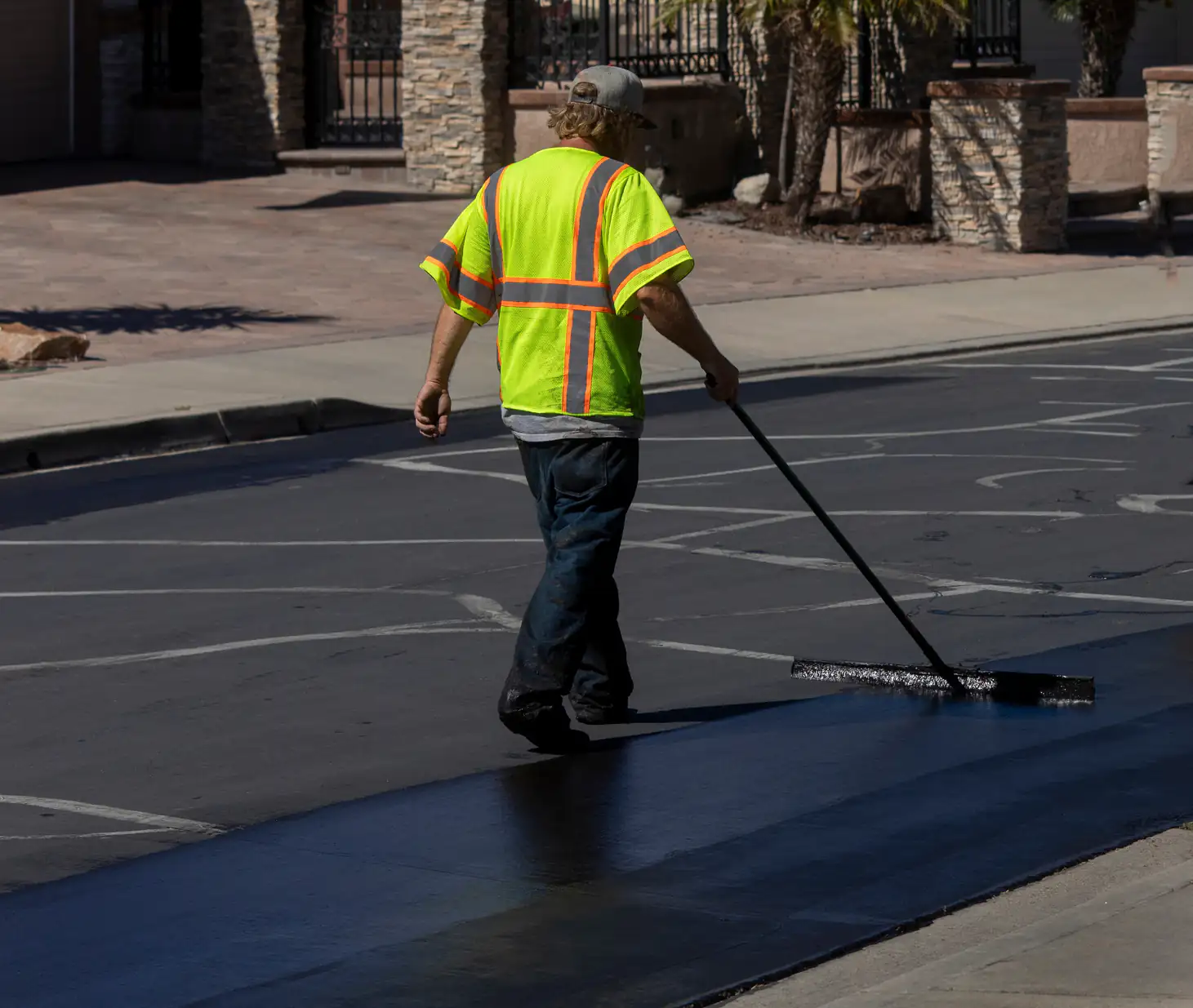
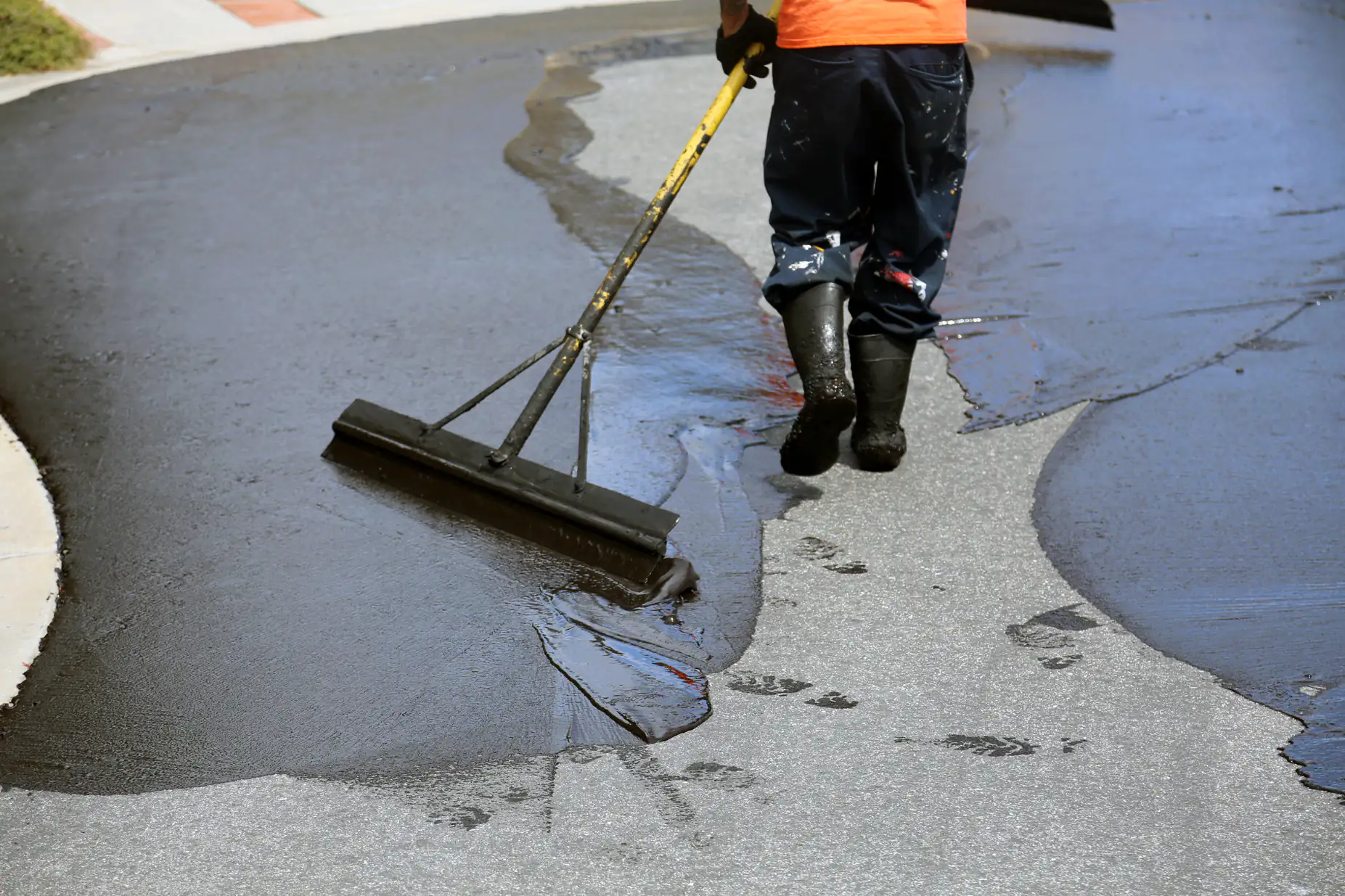
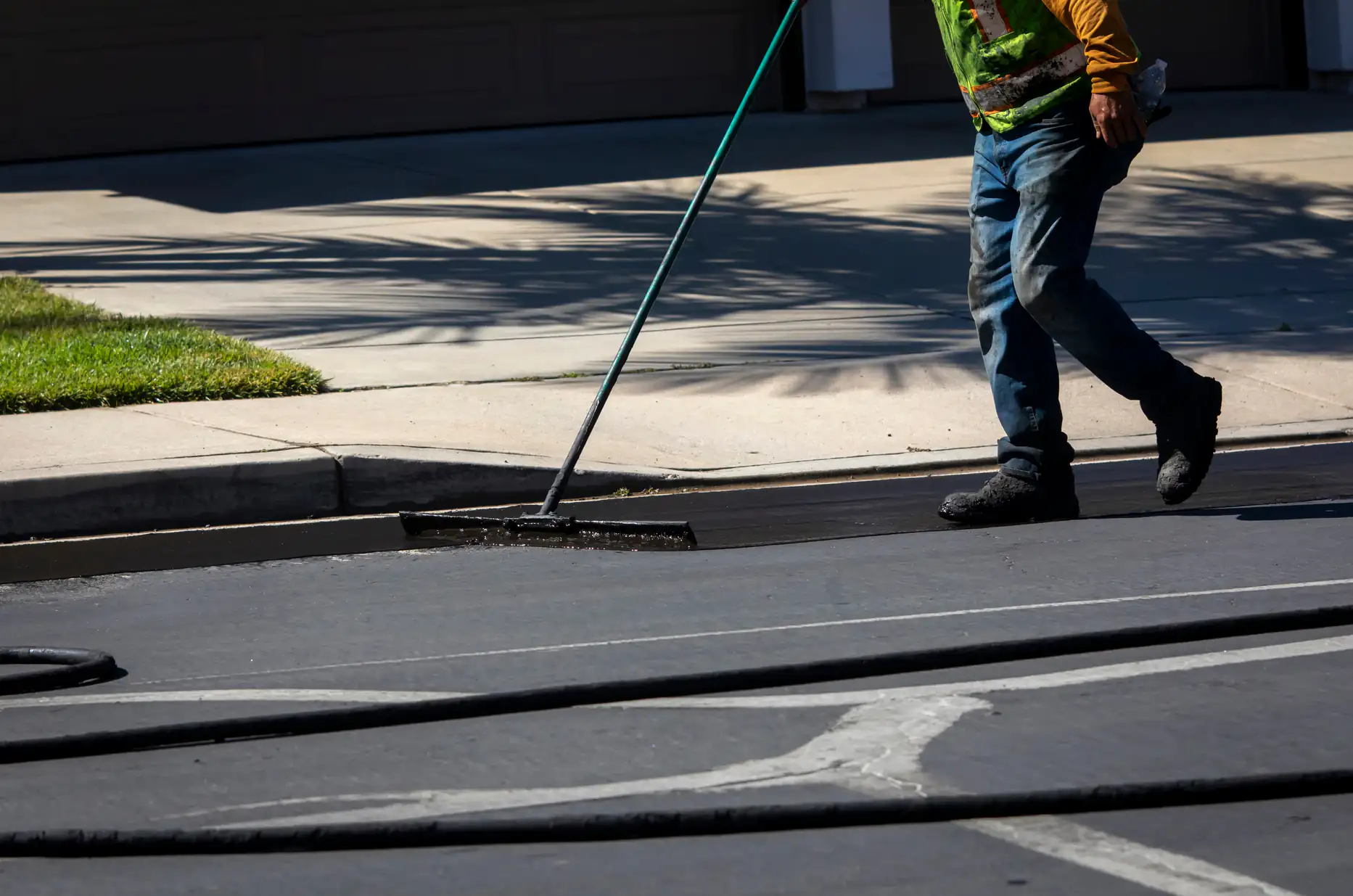
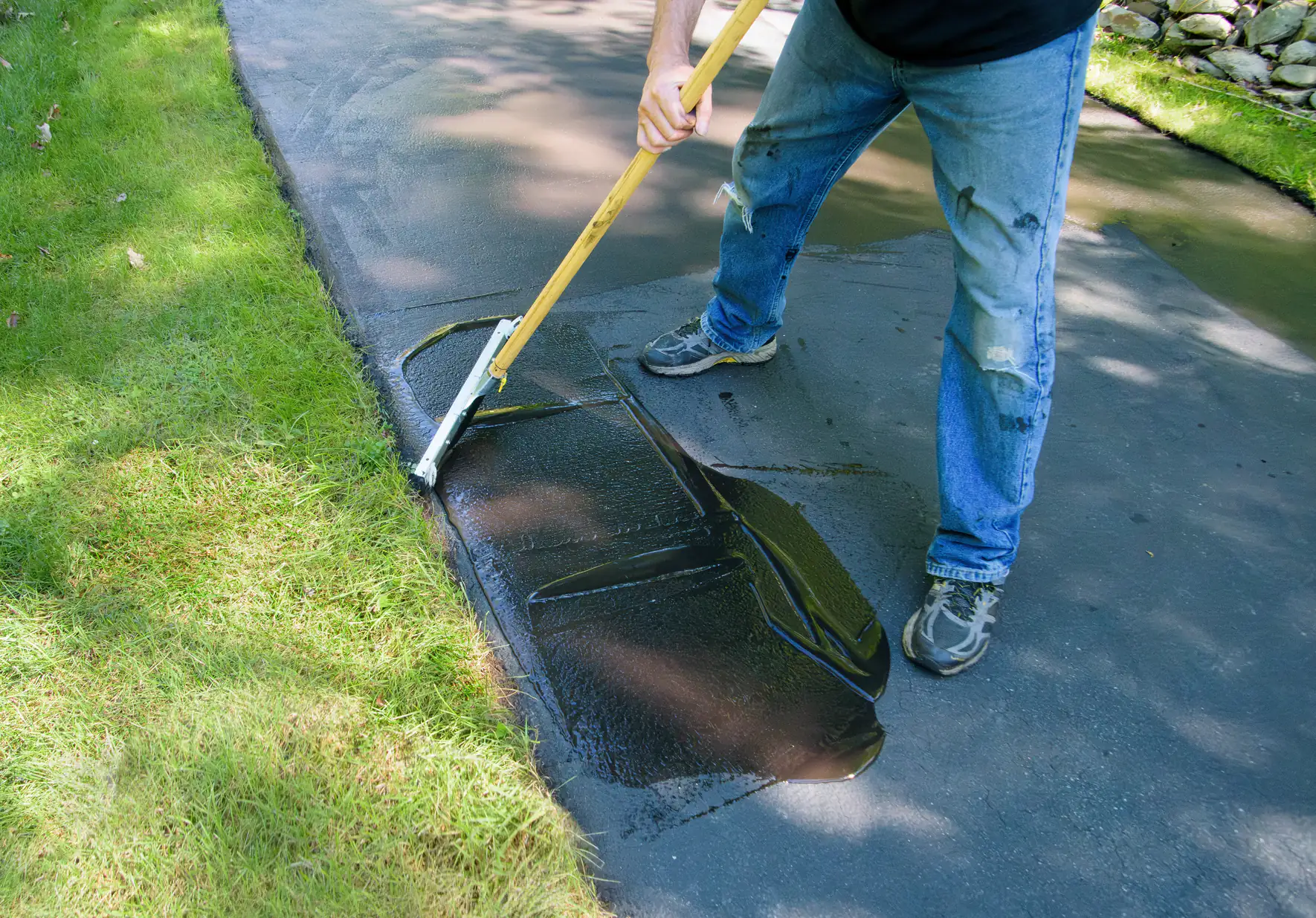
Once prep is done, we apply two coats of professional-grade sealer with a sand additive for traction. The first coat soaks in and seals the surface. The second coat provides the rich, dark finish and added protection. We use commercial equipment that applies sealer evenly at the proper thickness—not the squeegee-and-bucket approach you’d get from a guy in a pickup truck.
Drying time depends on weather, but expect 24 to 48 hours before you can drive on it. We’ll give you specific instructions based on temperature and humidity the day we seal. After that, your driveway is protected and looks brand new.
Ready to get started?
Every sealcoating job we do includes power washing, crack filling up to 50 linear feet, two coats of premium sealer, sand additive for traction, and a two-year warranty on the application. If your driveway needs more extensive crack repair or patching, we’ll quote that separately so there’s no confusion.
For a standard 600-square-foot driveway in Whippany, expect to pay between $180 and $270 for professional sealing. Larger driveways or those needing significant prep work will cost more, but we’ll walk the property and give you an exact number before any work starts. Fall is typically the best time to seal in North Jersey—temperatures are stable, contractors aren’t slammed, and your driveway is protected before winter hits.
Whippany’s median home value sits around $700,000, and most properties have mature asphalt that’s 10 to 20 years old. Letting that deteriorate doesn’t just look bad—it actively lowers your property value and creates safety hazards. A well-maintained driveway signals that the rest of the home is cared for, and buyers notice. Spending a few hundred dollars every few years is cheap insurance compared to explaining away a cracked, faded driveway when it’s time to sell.
Most driveways in North Jersey should be sealed every two to three years depending on traffic, sun exposure, and how well the last application was done. If your driveway is faded to gray or you’re starting to see small cracks, it’s time.
Waiting too long means water infiltration and freeze-thaw damage start breaking down the asphalt binder. Once that happens, you’re looking at repairs or resurfacing instead of simple maintenance. The goal is to seal before damage occurs, not after.
If your driveway was sealed properly with two coats of quality material, you should see three years of solid protection. If it’s fading after one year, either the sealer was low-grade or it wasn’t applied correctly. That’s why the contractor you choose matters as much as the decision to seal.
Coal tar sealer is more durable, offers better resistance to gas and oil stains, and holds up longer in high-traffic areas. It also gives that deep black finish most people associate with freshly sealed driveways. The downside is that some New Jersey municipalities have banned it due to environmental concerns about runoff.
Asphalt emulsion is the eco-friendly alternative. It’s made from asphalt, water, and additives, so it’s safer for the environment and still provides solid protection against UV rays and water infiltration. It doesn’t last quite as long as coal tar, but high-quality emulsion sealers are a strong choice, especially if you’re in an area with restrictions.
We’ll recommend the right product based on your location, driveway condition, and local regulations. Both work when applied correctly—the key is using commercial-grade material and proper application techniques, not the cheapest bucket from the hardware store.
You can seal it yourself if you’re comfortable with the prep work and have realistic expectations. DIY materials cost $100 to $150 for a standard driveway, but you’re using consumer-grade sealer that won’t last as long or protect as well as what we apply.
The bigger issue is prep. If you don’t power wash properly, fill cracks correctly, or apply sealer at the right thickness, you’re wasting time and money. Most homeowners also don’t have commercial spray equipment, so they’re using squeegees or brushes that leave streaks and uneven coverage.
Professional sealcoating costs $200 to $500 depending on size and condition, and it includes proper equipment, commercial-grade materials, crack filling, and a warranty. If your driveway is in decent shape and you’re handy, DIY might work. If there’s real damage or you want it done right the first time, hire someone who does this daily.
Late spring through early fall is the ideal window, with September and October being the sweet spot in North Jersey. You need temperatures above 50 degrees during application and for at least 24 hours afterward so the sealer cures properly.
Fall is better than spring for a few reasons. Contractors aren’t as backed up, so you’ll get scheduled faster and often pay less. The asphalt has had all summer to dry out completely, which helps the sealer bond better. And you’re protecting your driveway right before winter instead of sealing in May and then waiting six months for freeze-thaw cycles to test it.
Avoid sealing in summer heat above 90 degrees—the sealer dries too fast and can become difficult to work with. And never seal if rain is in the forecast within 24 hours. Moisture is the enemy during application and curing.
No. Sealcoating protects the surface of healthy asphalt—it’s not a repair product. If you have cracks wider than a quarter-inch or any potholes, those need to be filled and patched before sealing, or they’ll just get worse.
We include crack filling up to 50 linear feet in our standard sealcoating service using hot rubberized filler that flexes with temperature changes. That handles typical hairline and small cracks. Larger structural issues like alligatoring, deep potholes, or base failure require patching or resurfacing before we seal.
Think of sealcoating like waxing your car. It protects the paint and makes it look great, but it won’t fix dents or rust. If your driveway has serious damage, we’ll walk you through what needs to happen first so you’re not wasting money on a band-aid fix.
A quality sealcoating job should last two to three years in Morris County before you need to reseal. North Jersey’s freeze-thaw cycles are harder on asphalt than most of the state, so driveways here need more frequent attention than properties down in Central or South Jersey.
How long it actually lasts depends on a few factors: the quality of the sealer, how well it was applied, how much traffic the driveway gets, and whether it was sealed at the right time. If someone seals over dirty asphalt or applies only one thin coat, don’t expect it to hold up through two winters.
Our jobs include proper prep, two coats of commercial-grade sealer, and a two-year warranty because we know what holds up here. If you’re getting quotes and someone promises five years from one application, they’re either using a different definition of “lasts” or they’re not being straight with you.