
Hear from Our Customers
Your driveway isn’t cracking because it’s old. It’s cracking because water gets in, freezes, expands, and tears the asphalt apart from the inside. That’s what Morris County winters do to unsealed pavement.
A professional sealcoat creates a waterproof barrier that keeps moisture out. No water penetration means no freeze-thaw damage. No expanding ice means no new cracks splitting open every spring.
Most homeowners in Weston spend $800 to $1,500 fixing winter damage every few years. A sealcoat costs $300 to $600 and lasts three years. You’re looking at extending your driveway’s life from 15 years to 25-plus years just by keeping water out.
The math is simple. Seal it now or repave it later for $5,000 to $8,000. Northern New Jersey gets 40% more freeze-thaw cycles than Central Jersey, so waiting isn’t a neutral decision. Every winter without protection takes years off your pavement.
We’ve been sealing driveways in Morris County for over 20 years at Platinum Paving. We’re a third-generation family business, which means we’ve seen what works and what fails after a hard winter.
We’re not the cheapest option in Weston, and that’s intentional. Cheap sealers use watered-down material that wears off in one season. We use commercial-grade coal tar emulsion that’s formulated for Northern New Jersey’s climate. It costs more, lasts longer, and actually protects your investment.
You’ll get a 5-year warranty on our work. Most driveway sealer companies offer two years or less. We can stand behind a longer guarantee because we’re using better materials and applying them correctly the first time.
First, we clean the entire surface. That means blowing off debris, scrubbing out oil stains, and removing anything that would prevent the sealer from bonding. If the surface isn’t clean, the sealcoat won’t stick.
Next, we fill any cracks larger than a quarter-inch with hot rubberized crack filler. This step matters because sealer isn’t crack filler. It protects the surface but won’t stop existing cracks from spreading. We handle that separately before sealing.
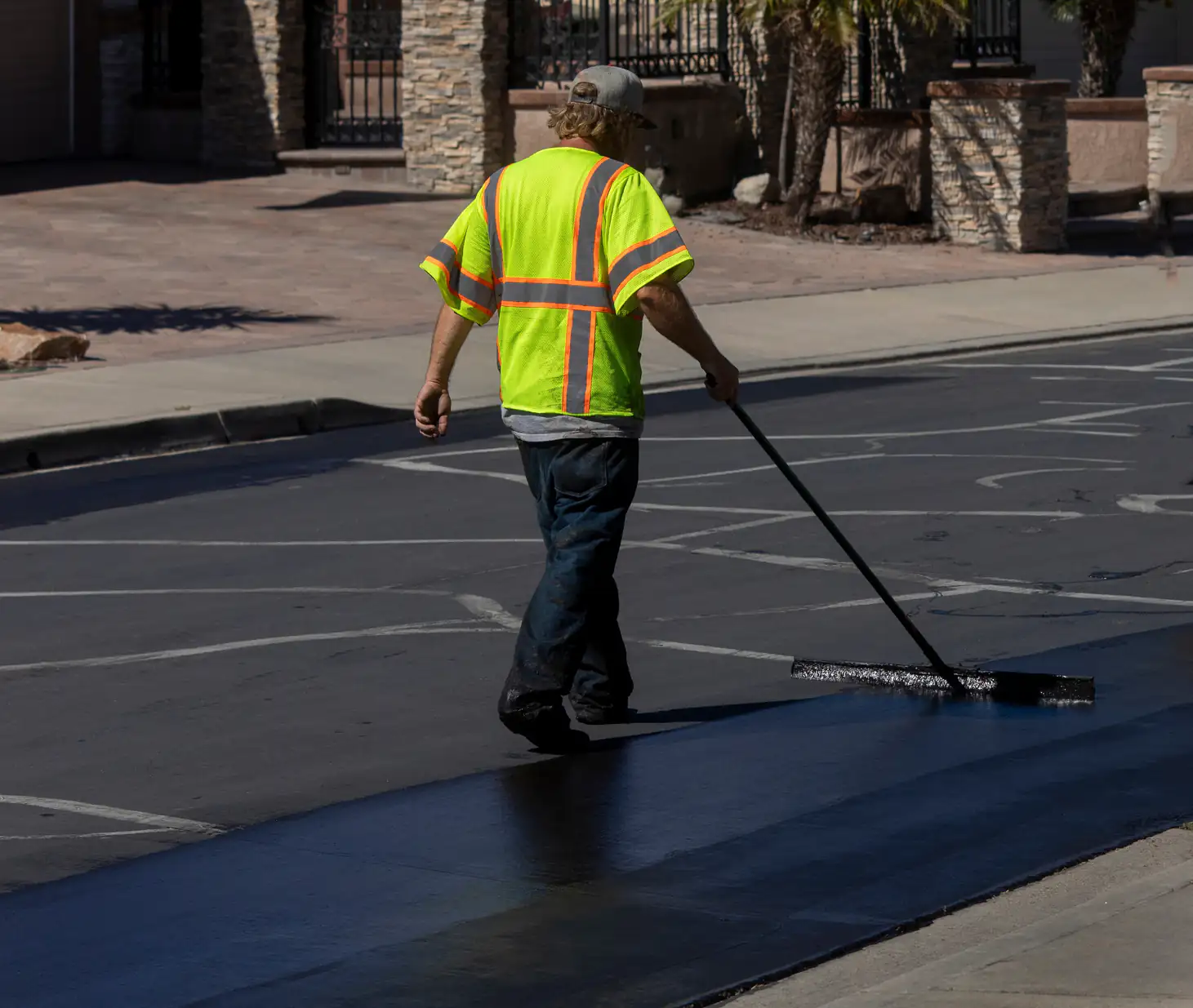
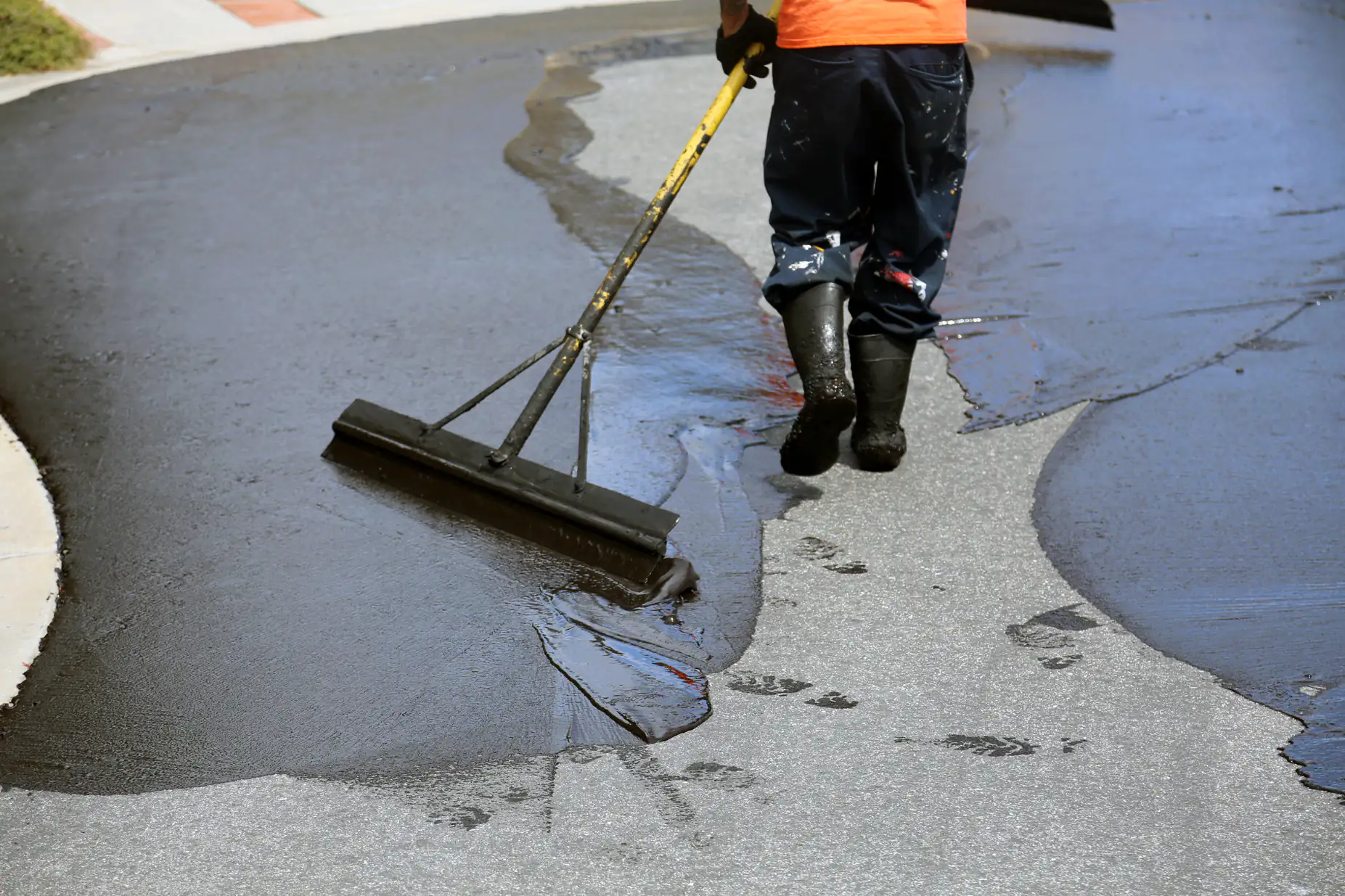
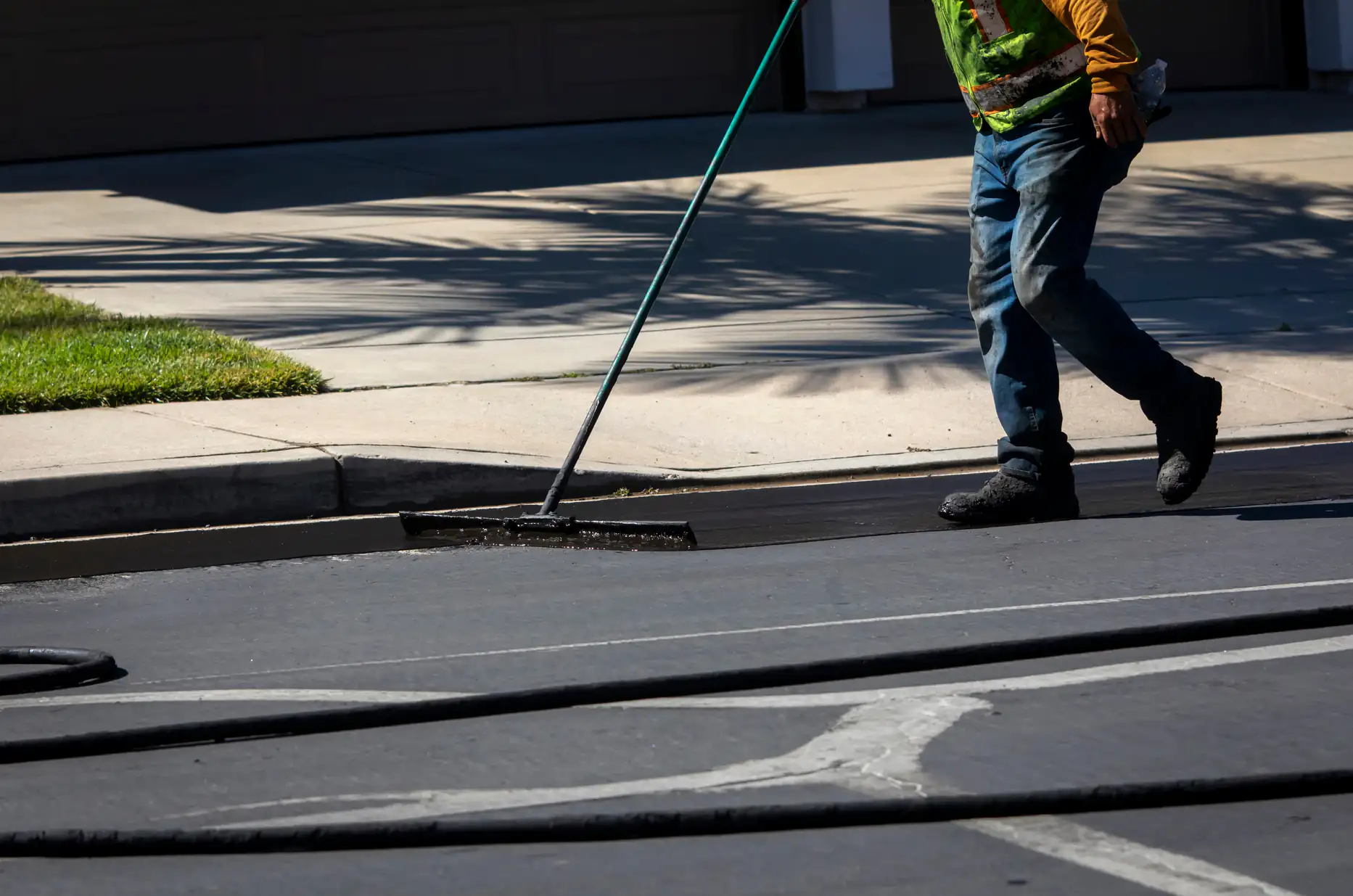
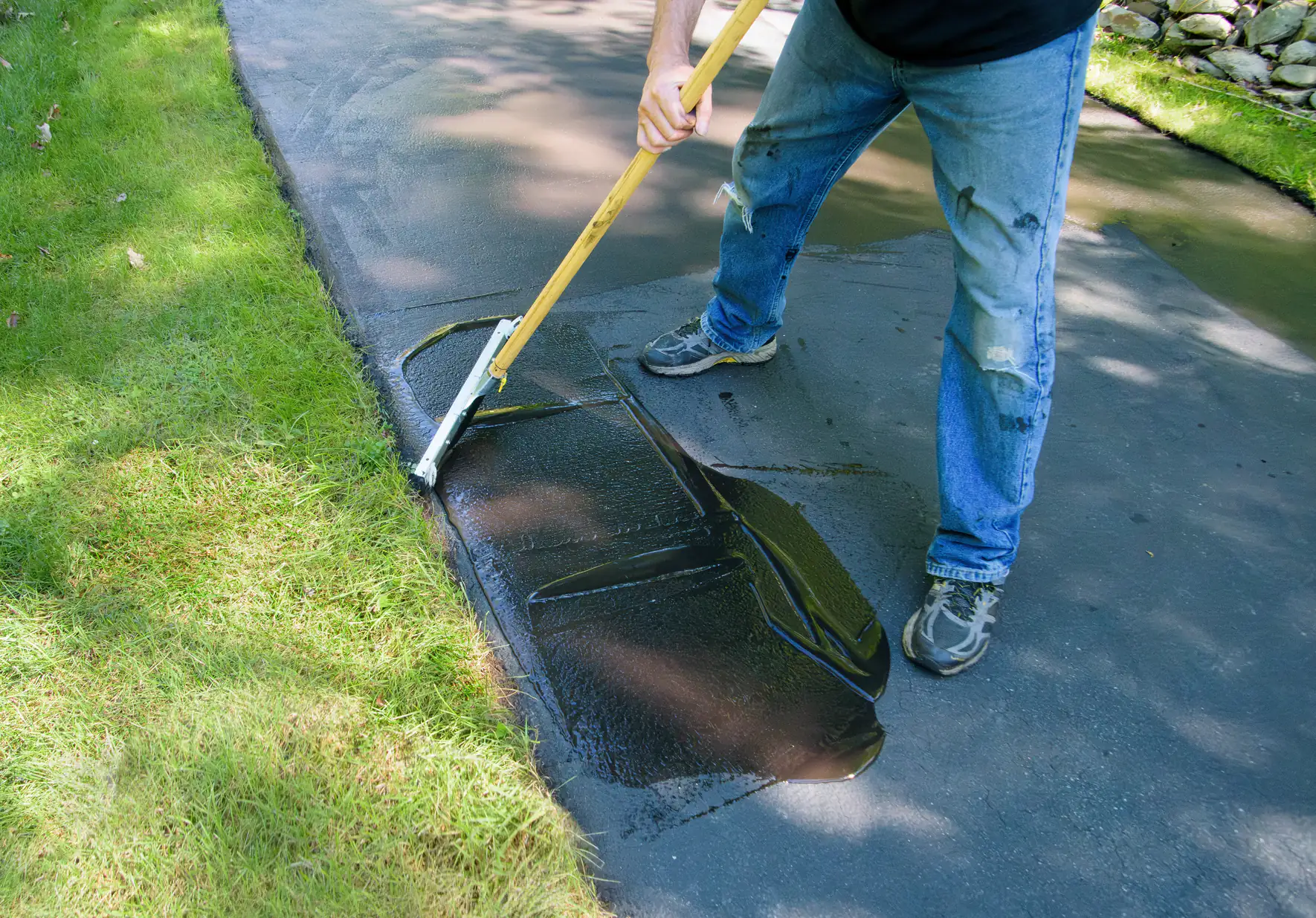
Then we apply two coats of commercial-grade coal tar sealer using a spray system. Coal tar offers better protection against gas, oil, and freeze-thaw damage than asphalt emulsion. It also gives you that rich black finish that makes the driveway look new.
The sealer needs 24 to 48 hours to cure depending on temperature and humidity. You can’t drive on it during that time. We’ll block off the driveway and give you a clear timeline before we start so there are no surprises.
Ready to get started?
Driveway sealing costs between $0.15 and $0.40 per square foot in Morris County. A typical two-car driveway runs 600 to 800 square feet, so you’re looking at $300 to $600 for a professional job including crack filling and two coats of sealer.
That price reflects commercial-grade materials, proper surface prep, crack repair, and a warranty. DIY sealing costs $100 to $150 in materials but won’t last as long because store-bought sealer is thinner and you’re likely applying it over a surface that wasn’t properly cleaned or repaired.
Timing matters in Northern New Jersey. We can only seal when temperatures stay above 50°F for 48 hours. That gives you a window from late April through early October. If you wait until fall and we get an early cold snap, you’re stuck waiting until next spring while winter destroys your unprotected driveway.
Most Weston homeowners seal every three years. Some stretch it to four if the driveway is in good shape and doesn’t get heavy use. Waiting longer than that means you’re letting UV damage and water penetration break down the asphalt, which leads to expensive repairs that sealing would have prevented.
A professional sealcoat lasts three to four years in Morris County if it’s applied correctly with quality materials. That timeline assumes normal use and typical New Jersey weather conditions.
DIY sealcoating usually lasts one to two years because homeowners use thinner store-bought products and often skip proper surface preparation. The sealer wears off faster, which means you’re resealing more often and spending more money over time.
The lifespan also depends on traffic. A driveway with two cars coming and going daily will wear faster than one that sees light use. Snow plowing also affects longevity. If you’re scraping the surface with a metal plow blade every winter, you’ll wear through the sealcoat faster than someone using a plastic blade or blower.
Seal before winter, ideally in late summer or early fall. That gives the sealcoat time to cure fully before freezing temperatures arrive, and it protects your driveway during the most damaging months.
Sealing after winter means you’re repairing damage that already happened instead of preventing it. You’ll spend more on crack filling and patching because the freeze-thaw cycles already broke down the asphalt. Prevention is cheaper than repair.
You can’t seal once temperatures drop below 50°F. The sealer won’t cure properly in cold weather, which means it won’t bond to the surface and will fail within months. If you miss the fall window, you’re waiting until spring and gambling that winter won’t cause major damage.
Coal tar sealer offers better protection against gas, oil, and chemicals. It’s more durable in freeze-thaw conditions and gives you a darker, richer black finish. Most commercial properties use coal tar because it lasts longer under heavy use.
Asphalt emulsion sealer is less expensive and easier to apply, but it doesn’t hold up as well against petroleum products or extreme temperature swings. It’s fine for driveways that don’t see oil drips or heavy traffic, but it won’t perform as well in Northern New Jersey’s harsh climate.
Some municipalities in New Jersey have restricted coal tar use due to environmental concerns about runoff. We stay current on local regulations and can recommend the best sealer for your specific location and situation. If coal tar isn’t an option, we use high-grade asphalt emulsion formulated for freeze-thaw protection.
You can seal it yourself if you’re willing to do proper surface prep and use quality materials. Most homeowners skip steps or use thin store-bought sealer, which is why DIY jobs fail faster than professional applications.
We use commercial-grade products that aren’t available at home improvement stores. We’re also applying it with spray equipment that creates an even coat without streaks or thin spots. That consistency matters for long-term protection.
The bigger issue is crack repair. If you have cracks wider than a quarter-inch, they need to be filled with hot rubberized filler before sealing. Most homeowners use cold-pour crack filler that shrinks and fails within a year. We use hot-applied material that stays flexible and prevents cracks from spreading.
Most residential driveways in Weston cost $300 to $600 to seal professionally. That includes cleaning, crack filling, and two coats of commercial-grade sealer. Larger driveways or those with significant damage will cost more.
Price varies based on square footage, condition, and how much crack repair is needed. A 600-square-foot driveway in good shape might cost $350. An 800-square-foot driveway with multiple cracks and oil stains could run $650 because there’s more prep work involved.
Compare that to repaving costs. A full driveway replacement in Morris County runs $2,400 to $4,800 for a standard two-car driveway. Sealing every three years for $400 means you’re spending $1,200 over nine years to avoid a $4,000 repaving job. The return on investment is obvious.
Late summer through early fall is ideal. You want temperatures consistently above 50°F for at least 48 hours after application so the sealer can cure properly. August through September usually offers the most reliable weather windows in Morris County.
Spring sealing works too, but you’re dealing with unpredictable temperatures and more rain. If we get a cold snap or heavy rain within 48 hours of sealing, it can ruin the application. Fall weather is generally more stable.
Avoid sealing in extreme heat above 90°F. The sealer dries too fast and won’t level properly, which leaves you with an uneven finish. Early morning applications work best in summer because temperatures are cooler and humidity helps the sealer cure at the right pace.