
Hear from Our Customers
Your driveway takes a beating every winter. Forty to fifty freeze-thaw cycles crack the surface, water seeps in, and before you know it, you’re looking at a $5,000 repaving bill instead of a $300 maintenance job.
Sealcoating creates a protective barrier against everything New Jersey throws at your asphalt. UV rays, road salt, oil stains, heavy rain—all of it gets blocked before it can break down the surface. You’re not just making it look better. You’re adding years to its life.
Most unsealed driveways last around 15 years in this climate. With regular sealcoating every two to three years, you can push that to 25 years or more. That’s real money saved, and it’s why homeowners across Morris and Somerset Counties treat this as essential maintenance, not optional upkeep.
We’ve spent three decades working with homeowners throughout Morris, Somerset, and Sussex Counties. We know what New Jersey weather does to asphalt, and we know how to protect it properly.
You won’t find us thinning materials or skipping steps to save time. We power wash, fill cracks with hot rubberized filler, prime oil spots, and apply two full coats of premium sealer. Every job gets the same attention whether it’s in Watchung, Morristown, or Bernardsville.
We’re grounded here. Our reputation depends on doing this right, and we’ve built a loyal base of homeowners and property managers who come back every few years because they’ve seen the results firsthand.
First, we power wash the entire surface to remove dirt, debris, and anything that would prevent the sealer from bonding properly. A clean surface is critical—skipping this step is where most cheap jobs fail.
Next, we fill every crack with hot rubberized filler. This isn’t the stuff you buy at the hardware store. Professional-grade crack filler flexes with temperature changes and actually seals out water. If there are oil spots, we prime them so the sealer adheres correctly.
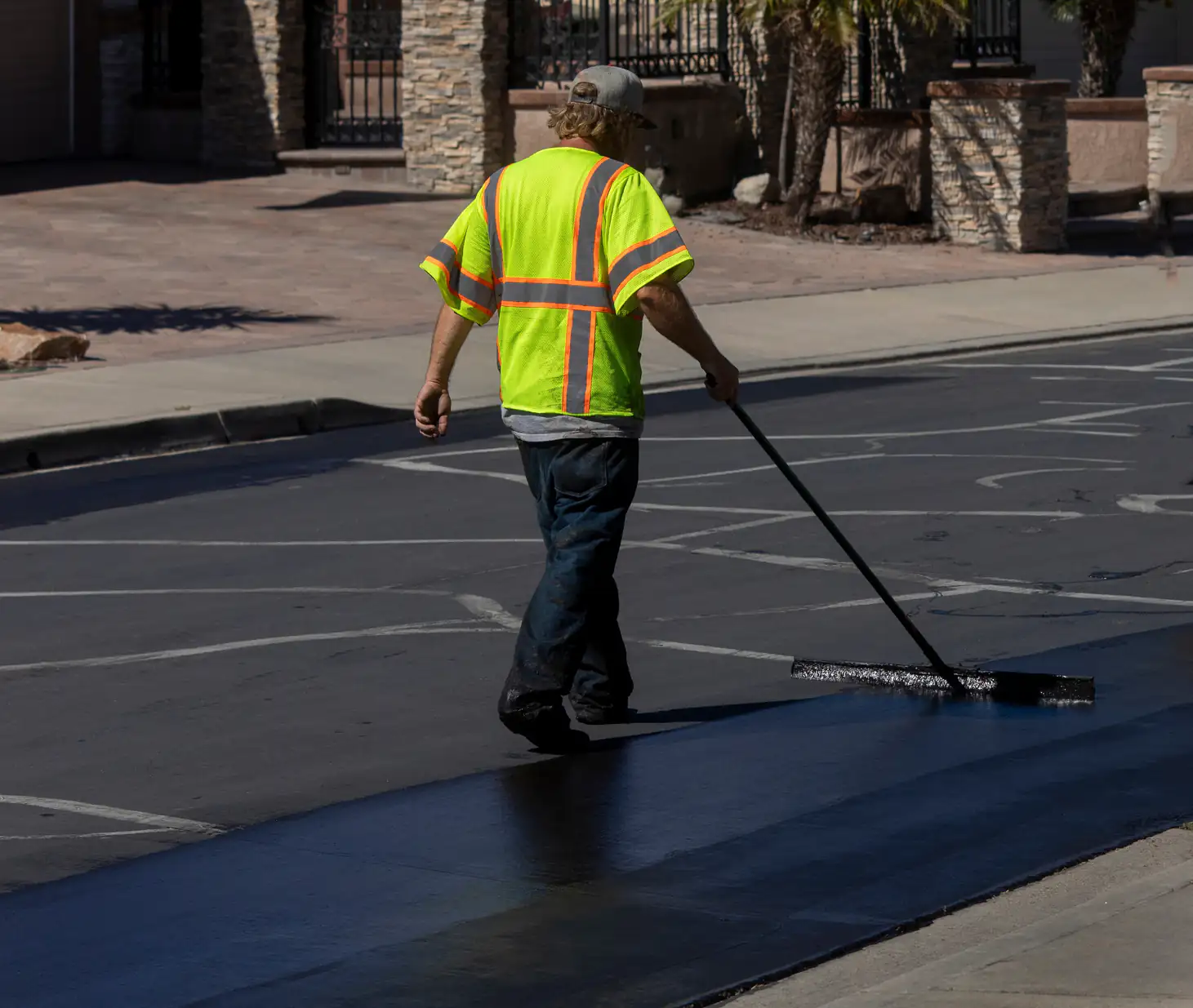
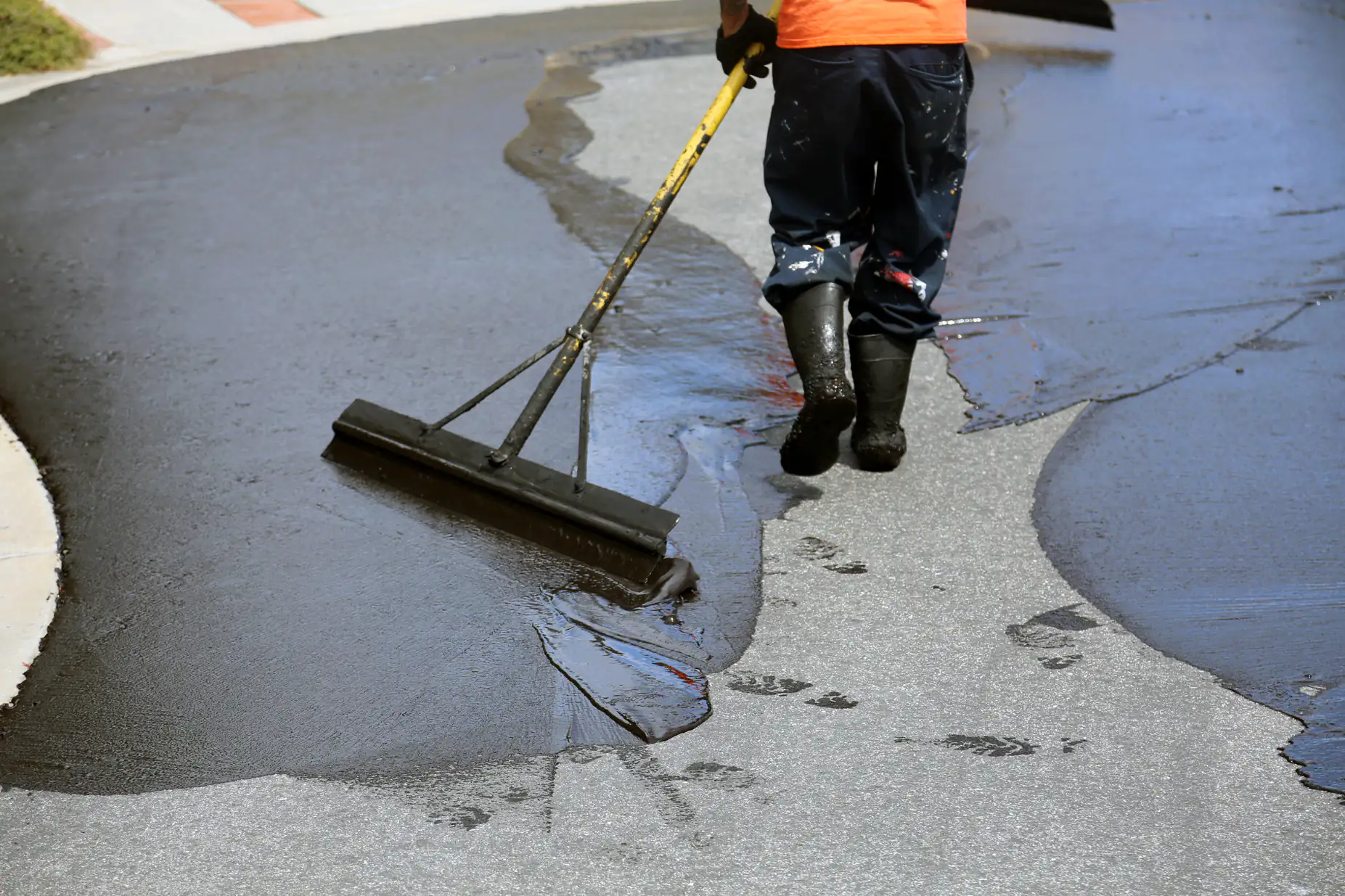
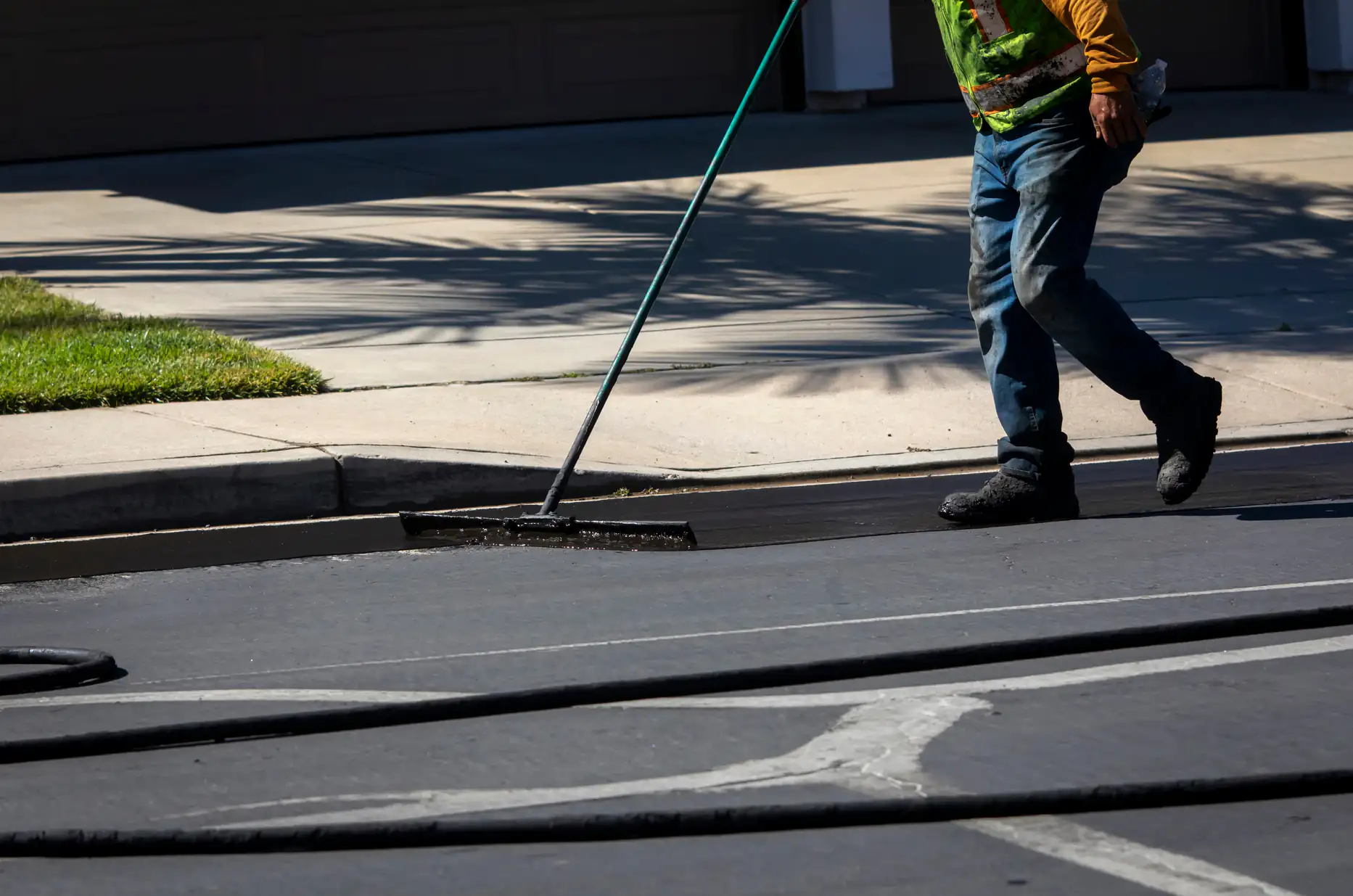
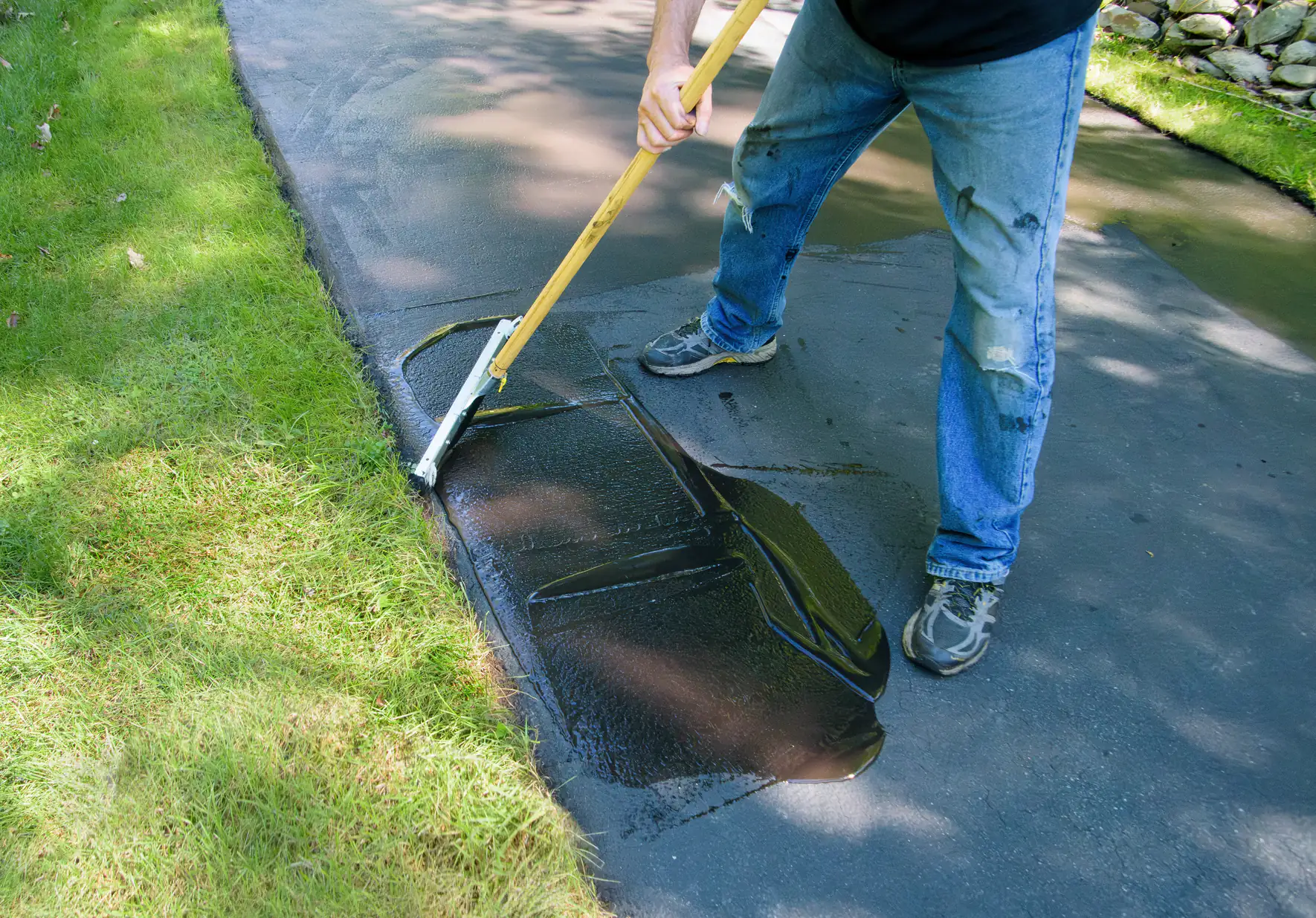
Then we apply two coats of high-density coal tar sealer by hand. We work it into every pore and crevice, spread it evenly, and add a sand additive for traction. Two coats give you a thicker protective layer that lasts three to four years instead of one to two. After application, you’ll need to stay off it for 24 to 48 hours while it cures. Once it’s dry, you’ve got a smooth, black surface that’s protected from the elements and ready for another New Jersey winter.
Ready to get started?
You get complete surface preparation with power washing, crack filling up to 50 linear feet, oil spot priming, and edge trimming. We apply two full coats of premium coal tar sealer with a sand additive for slip resistance. Every job comes with a two-year warranty.
Most residential driveways in Watchung run between $300 and $500 depending on size and condition. That’s roughly $0.15 to $0.40 per square foot. If your driveway needs extensive crack repair beyond what’s included, we’ll let you know upfront—no surprises when the job’s done.
Timing matters here. We only seal driveways between mid-April and mid-October when temperatures stay above 50 degrees at night. Sealer needs warmth to cure properly, and rushing it in cold weather leads to poor adhesion and early failure. If your driveway is severely damaged or deteriorated, we’ll tell you honestly that sealcoating won’t fix it. Some surfaces need repair or replacement first, and we’re not going to take your money for a job that won’t hold up.
Every two to three years is the standard recommendation for New Jersey driveways. Our climate is tough—freeze-thaw cycles, road salt, heavy rain, and summer heat all break down asphalt faster than in milder regions.
If you wait longer than three years, you’ll start seeing cracks and surface deterioration that could have been prevented. Once water gets into those cracks and freezes, the damage accelerates quickly. Sealing on schedule keeps that protective layer intact and saves you from expensive repairs.
Some driveways in high-traffic areas or with heavy sun exposure might need it closer to every two years. If you’re not sure where yours stands, a quick visual check helps. If the surface looks faded, gray, or you’re seeing small cracks, it’s time.
Two coats give you a thicker, longer-lasting protective layer. One coat might last one to two years before it starts wearing thin. Two coats typically last three to four years, which means fewer applications over the life of your driveway and better protection overall.
The first coat seeps into the pores and creates a base layer. The second coat builds on that and forms a more durable barrier against water, UV rays, and chemicals. In New Jersey, where freeze-thaw cycles are relentless, that extra thickness makes a real difference.
Some contractors offer one coat to keep the price low, but you end up paying more in the long run because you’re resealing more often. Two coats cost a bit more upfront, but the ROI is better when you factor in longevity and protection.
You can buy sealer at a hardware store and do it yourself, but the results usually don’t compare to a professional job. DIY sealers are thinner, the application process is harder than it looks, and surface prep often gets skipped or done poorly.
We power wash the surface, fill cracks with commercial-grade materials, and apply sealer evenly by hand with the right tools. We also know how to handle oil spots, edge work, and proper curing conditions. If any of those steps are missed or done wrong, the sealer won’t bond correctly and you’ll see premature failure.
If your driveway is small and in great shape, DIY might work. But for most homeowners dealing with New Jersey weather and older asphalt, hiring us means the job gets done right and lasts longer. The cost difference isn’t huge, and the quality gap is significant.
No. Sealcoating protects the surface—it doesn’t repair structural damage. If you have cracks, we’ll fill them as part of the prep work, but that’s different from sealing. Potholes and deep deterioration need actual repair before sealcoating makes sense.
Think of it this way: sealcoating is preventive maintenance. It stops small problems from becoming big ones. But if the damage is already there, sealing over it won’t make it go away. We’ll assess your driveway before starting and let you know if repairs are needed first.
Some contractors will seal a damaged driveway anyway because it’s an easy sale. We won’t. If your asphalt is too far gone, sealcoating is a waste of your money, and we’d rather be honest about what you actually need. Repair first, then seal to protect the investment.
Most residential driveways take a few hours to seal, depending on size and condition. The actual work—power washing, crack filling, and applying two coats—is usually done in half a day. But curing time is where you need patience.
You’ll need to stay off the driveway for 24 to 48 hours after application. Temperature and humidity affect drying time, so if it’s cooler or more humid, it takes longer. We’ll let you know the exact timeline based on weather conditions when we finish the job.
Driving or walking on it too soon can damage the sealer and ruin the finish. It’s frustrating to wait, but it’s necessary. Once it’s fully cured, you’ve got a durable, protected surface that’s ready for whatever New Jersey throws at it. Plan accordingly—park on the street for a couple days and you’ll be fine.
Late spring through early fall—roughly mid-April to mid-October. Sealer needs warm temperatures to cure properly, ideally above 50 degrees at night and no rain in the forecast for at least 24 hours after application.
Summer is peak season because the weather is most predictable, but early fall works well too. Sealing before winter gives your driveway a fresh protective layer right when it needs it most. Spring is also popular because homeowners want to address any damage from the previous winter.
Avoid sealing in late fall or winter. Cold temperatures prevent proper curing, and you’ll end up with a weak bond that fails quickly. If you’re planning to get it done, book early in the season. We fill up fast once the weather turns favorable, and waiting too long might push you into the next year.