
Hear from Our Customers
Water gets into small cracks. Temperatures drop. Ice forms and expands with 30,000 psi of pressure. Your driveway splits apart, one freeze-thaw cycle at a time.
Vernon Valley sees more of these cycles than most of New Jersey. December through February delivers constant melting and refreezing. If your asphalt isn’t sealed, you’re watching your driveway deteriorate in real time.
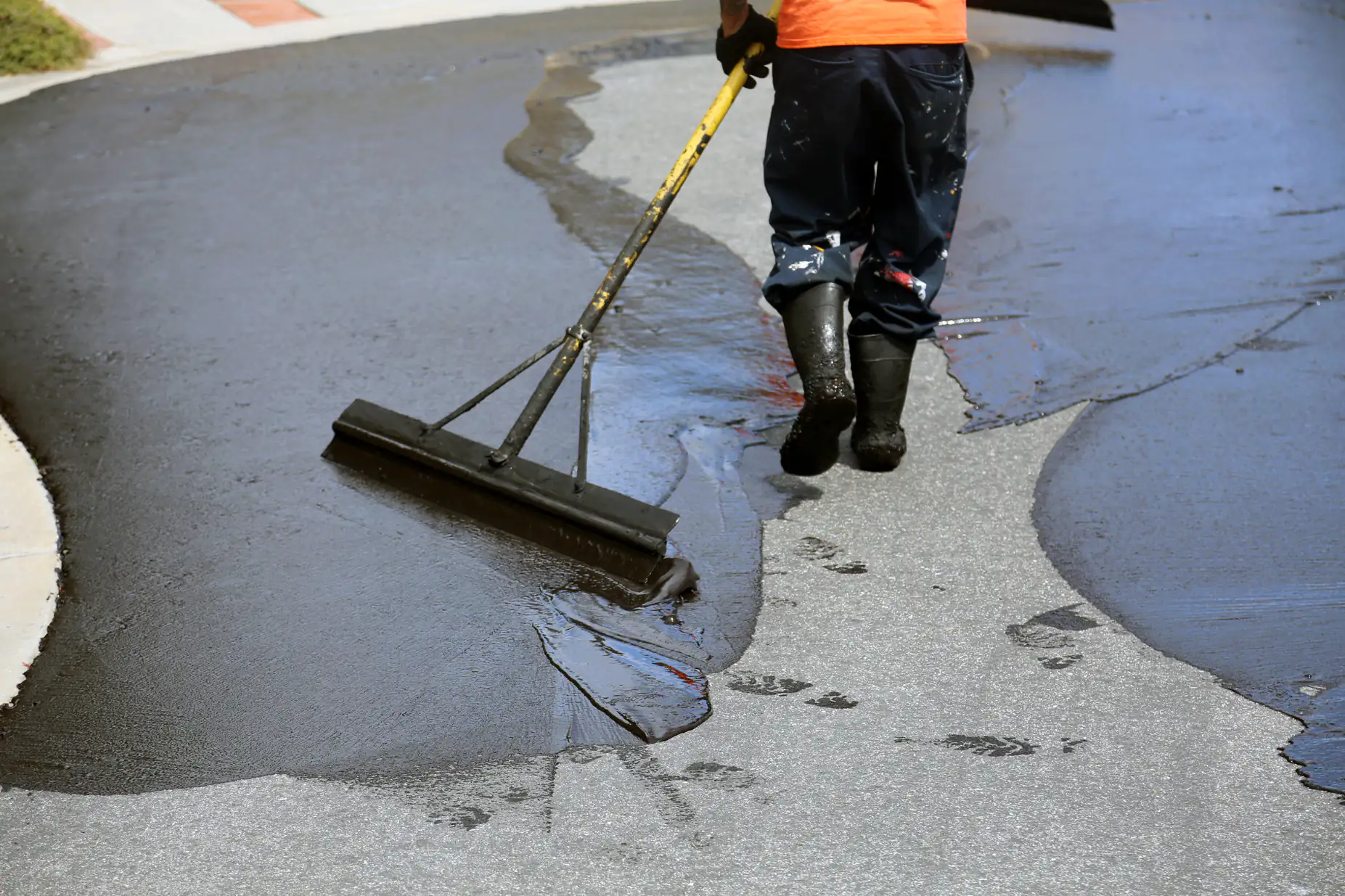
Sealcoating creates a waterproof barrier. It blocks UV rays that oxidize and fade your asphalt. It resists oil stains and road salt damage. Most importantly, it keeps water out of the surface so freeze-thaw cycles can’t tear it apart from the inside.
You get 10 to 15 extra years of life from your driveway. You avoid emergency repairs that cost ten times more than prevention. And you maintain the curb appeal that protects your property value—even a 1% drop from a deteriorating driveway means losing over $5,500 on a typical home.
We work exclusively in Morris, Sussex, and Somerset counties. We’re not trying to cover the entire state—we focus on northern New Jersey because the climate here demands different expertise than what works in Central or South Jersey.
You deal with 40% more freeze-thaw cycles than homeowners two hours south. Your driveway faces harsher conditions, which means the application process, material selection, and timing all matter more.
We’ve spent over 20 years learning what holds up in Vernon Valley winters and what fails by March. That’s why we only apply sealcoat between April 15 and October 15, when temperatures stay above 55°F and the material can cure properly. Rushing a fall job in cold weather wastes your money—the sealant won’t bond right, and you’ll be calling someone else for repairs by spring.
We start by inspecting your driveway for cracks, oil stains, and drainage issues. If there are cracks wider than a quarter-inch, we fill them first—sealcoating won’t fix structural problems, it prevents them.
Next, we clean the entire surface. Dirt, debris, and vegetation have to come off or the sealant won’t adhere. We use commercial-grade equipment, not a garden hose and a push broom.
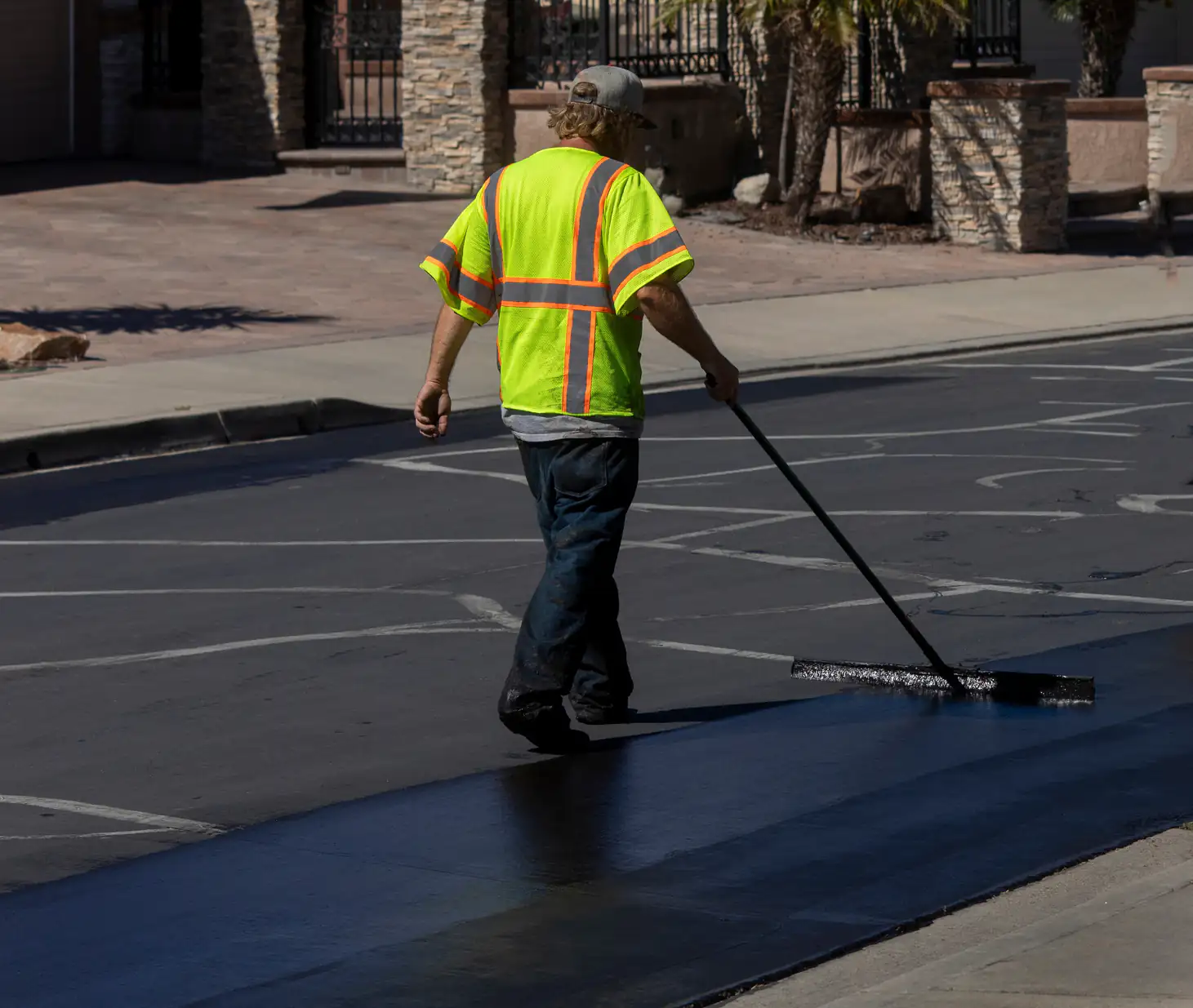
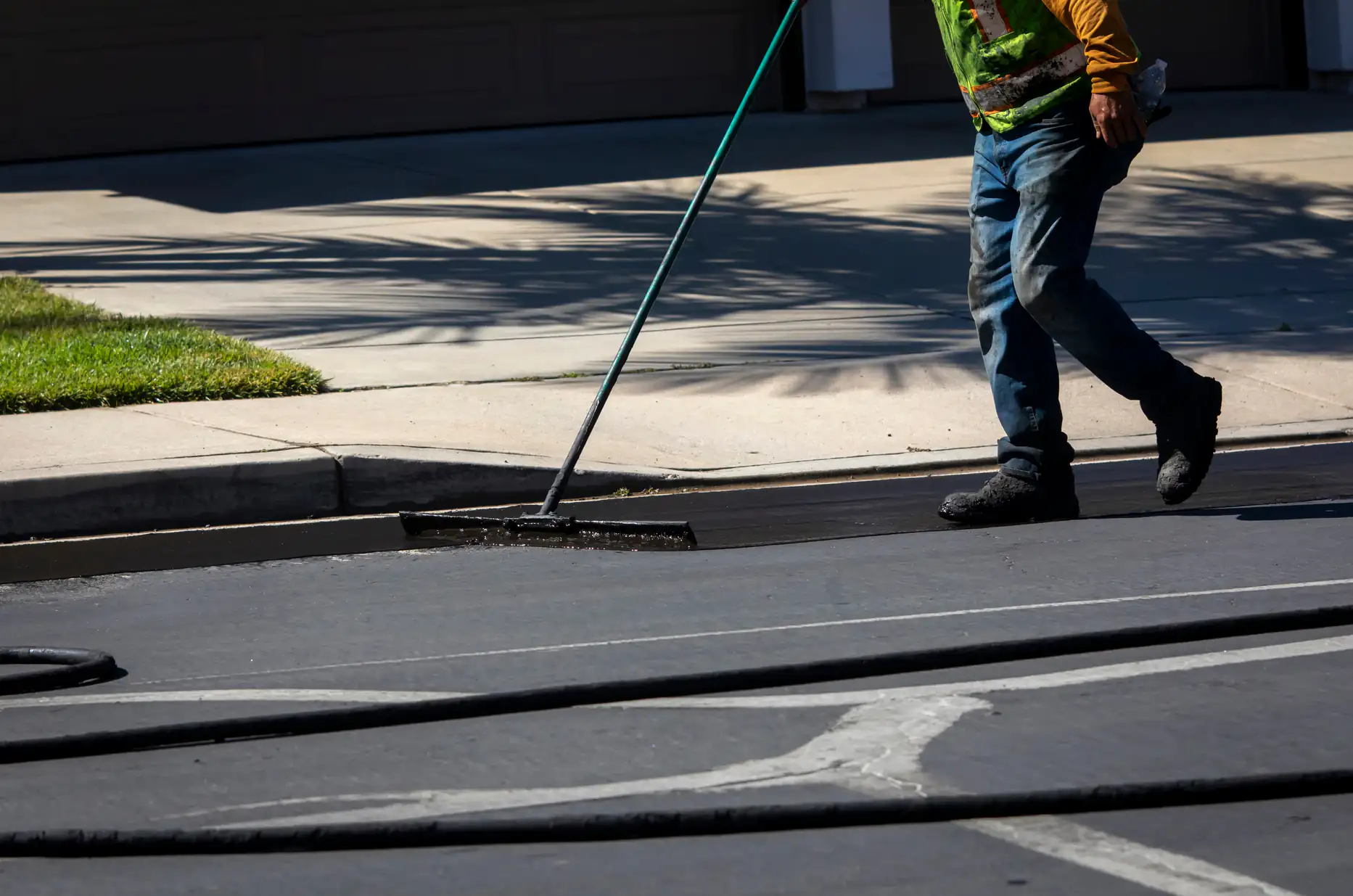
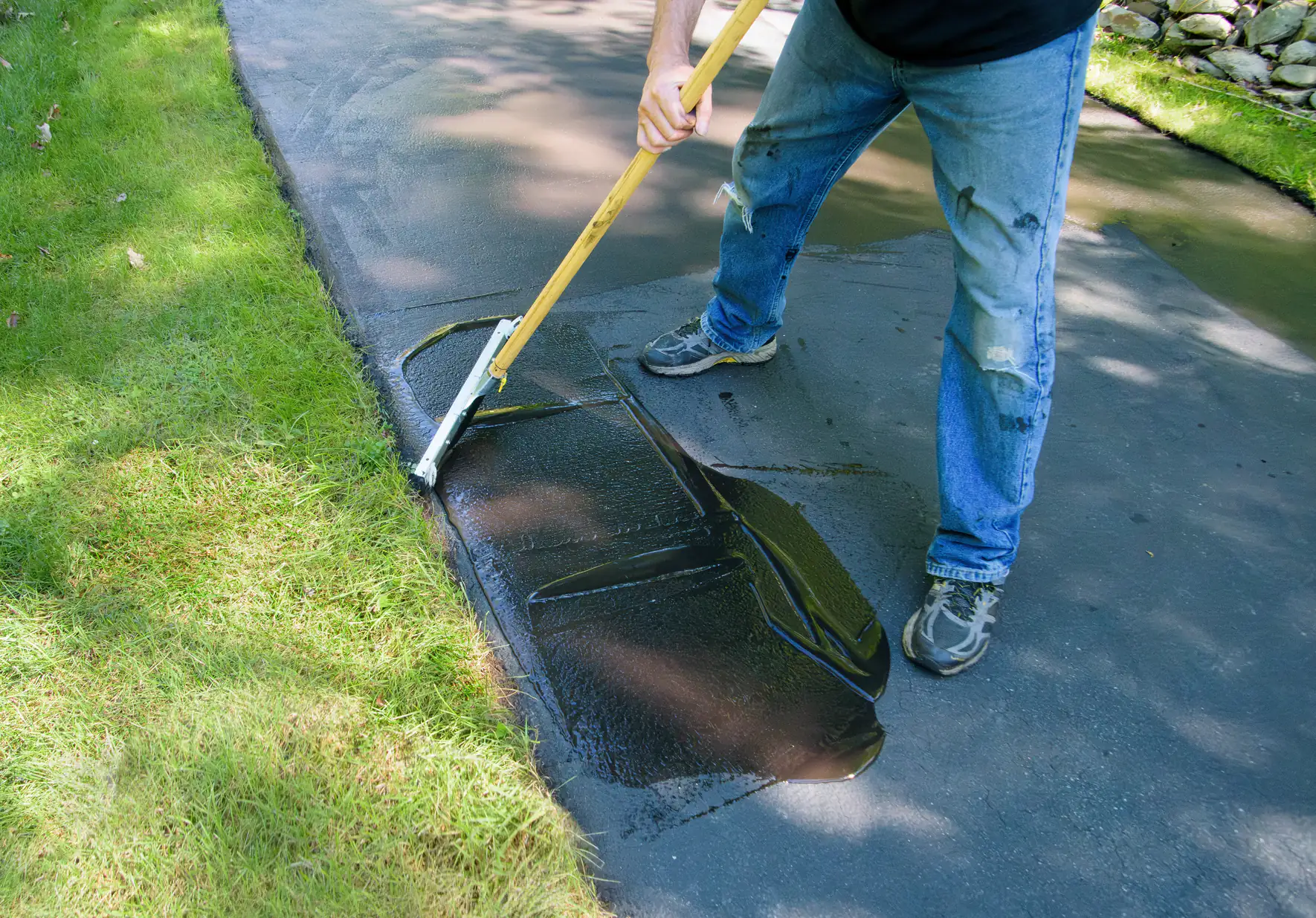
Then we apply two coats of high-grade asphalt sealer. The first coat penetrates and bonds to the surface. The second coat creates the protective layer that blocks water, UV rays, and chemicals. We don’t cut corners with single-coat applications that wear off in a year.
You’ll need to stay off the driveway for 24 to 48 hours while it cures. Temperature and humidity affect dry time, so we’ll give you a specific timeline based on the forecast. After that, your driveway is protected for the next two to three years.
Ready to get started?
Most residential driveways in Vernon Valley run between $200 and $500 for professional sealcoating. That breaks down to about $0.15 to $0.40 per square foot, depending on your driveway’s size and condition.
If you’re getting quotes under $150, you’re probably looking at a single coat with cheap material or an inexperienced crew rushing the job. If someone’s quoting over $600 for a standard two-car driveway, they’re either including crack repair and prep work, or they’re overcharging.
You should reseal every two to three years in northern New Jersey. The first seal happens six to twelve months after your driveway is installed—new asphalt needs time to cure before sealing. After that, you’re looking at $200 to $500 every few years to maintain protection.
Compare that to $3,000 to $7,000 for a full driveway replacement. Or $1,500 to $3,000 for resurfacing. Or even $500 to $1,500 for foundation repairs if water damage gets bad enough. Sealcoating is the cheapest insurance you can buy for your driveway.
Every two to three years. Northern New Jersey’s freeze-thaw cycles wear down sealant faster than in milder climates.
If your driveway looks faded or grayish instead of black, that’s oxidation—the asphalt is breaking down. If you can see small cracks forming or water isn’t beading up on the surface anymore, your sealant is done.
Some driveways need resealing closer to two years, especially if they get heavy use or face full sun all day. Others can stretch to three years if conditions are ideal. But waiting longer than three years means you’re gambling with expensive repairs.
Late spring through early fall—specifically between April 15 and October 15. You need consistent temperatures above 55°F for proper curing.
Sealing too early in spring means overnight temperatures might still drop below 50°F, which prevents the sealant from bonding correctly. Sealing too late in fall creates the same problem as winter approaches.
Mid-summer works, but extreme heat can make application tricky and extend dry times. Late August through September is often ideal—warm enough for good curing, but not so hot that the material becomes difficult to work with. Just don’t wait until October and risk a cold snap ruining the job.
You can buy sealant at any home improvement store. Whether you should is a different question.
DIY sealcoating usually means one thin coat applied with a squeegee or brush. Professional crews use commercial-grade sprayers that apply two even coats and penetrate the surface properly. The material quality is different too—contractor-grade sealant lasts longer and protects better than retail products.
The bigger issue is prep work. If you don’t clean the surface thoroughly, fill cracks correctly, or apply the sealant evenly, you’ve wasted your time and money. You’ll be resealing again in a year, or worse, dealing with premature failure that lets water damage start.
For a few hundred dollars, you get professional equipment, quality materials, proper application, and a crew that knows how to handle Vernon Valley’s climate. Most homeowners find that’s worth skipping the weekend project.
No. Sealcoating prevents damage—it doesn’t repair structural problems that already exist.
If you have cracks wider than a quarter-inch, they need to be filled before sealing. Small surface cracks can be addressed during prep work, but anything deeper requires crack filler or patching compound first.
Potholes need to be cut out and filled with hot asphalt before any sealcoating happens. Trying to seal over a pothole just hides it temporarily—water will still get in underneath and make it worse.
Think of sealcoating like a raincoat for your driveway. It keeps water out and prevents new damage. But if your driveway already has holes in it, you need to patch those first. Otherwise you’re just putting a raincoat over a jacket that’s already soaked through.
Two to three years with professional application and quality materials. Climate, usage, and maintenance all affect longevity.
Vernon Valley’s freeze-thaw cycles are hard on sealant. Every winter breaks down the protective layer bit by bit. Heavy traffic—multiple cars, frequent turning, snowplow scraping—wears it down faster.
You’ll know it’s time to reseal when the surface starts looking gray instead of black, when water stops beading up, or when small cracks begin appearing. Don’t wait until you see major deterioration. By then, water’s already getting in and causing damage below the surface.
Regular resealing every two to three years keeps your driveway in good shape for 20 to 30 years. Skipping sealcoating or stretching it to four or five years cuts that lifespan in half. You’ll be repaving or resurfacing much sooner, which costs thousands instead of hundreds.
Surface inspection, cleaning, crack filling, two-coat application, and cleanup. Anything less isn’t a complete job.
We check for drainage issues, existing damage, and oil stains that need treatment before sealing. Then we clean the entire surface with commercial equipment—not a quick sweep, but thorough removal of dirt, vegetation, and debris.
Cracks get filled with rubberized crack filler that flexes with temperature changes. Oil stains get treated with a primer so sealant will adhere. Then we apply two coats of high-grade asphalt sealer, allowing proper dry time between coats.
After application, we clean up any overspray, mark off the area so no one drives on it during curing, and give you specific instructions for when you can use your driveway again. You shouldn’t have to do anything except stay off it for a day or two while it dries.