
Hear from Our Customers
You’re looking at a choice between spending a few hundred dollars every few years or facing a $5,000+ replacement bill down the road. That’s what this comes down to.
Upper Montclair sees some of the worst freeze-thaw cycles in Morris County. Water seeps into tiny cracks, freezes, expands by 9%, and pushes your asphalt apart from the inside. By spring, those hairline fractures you ignored last fall have turned into potholes.
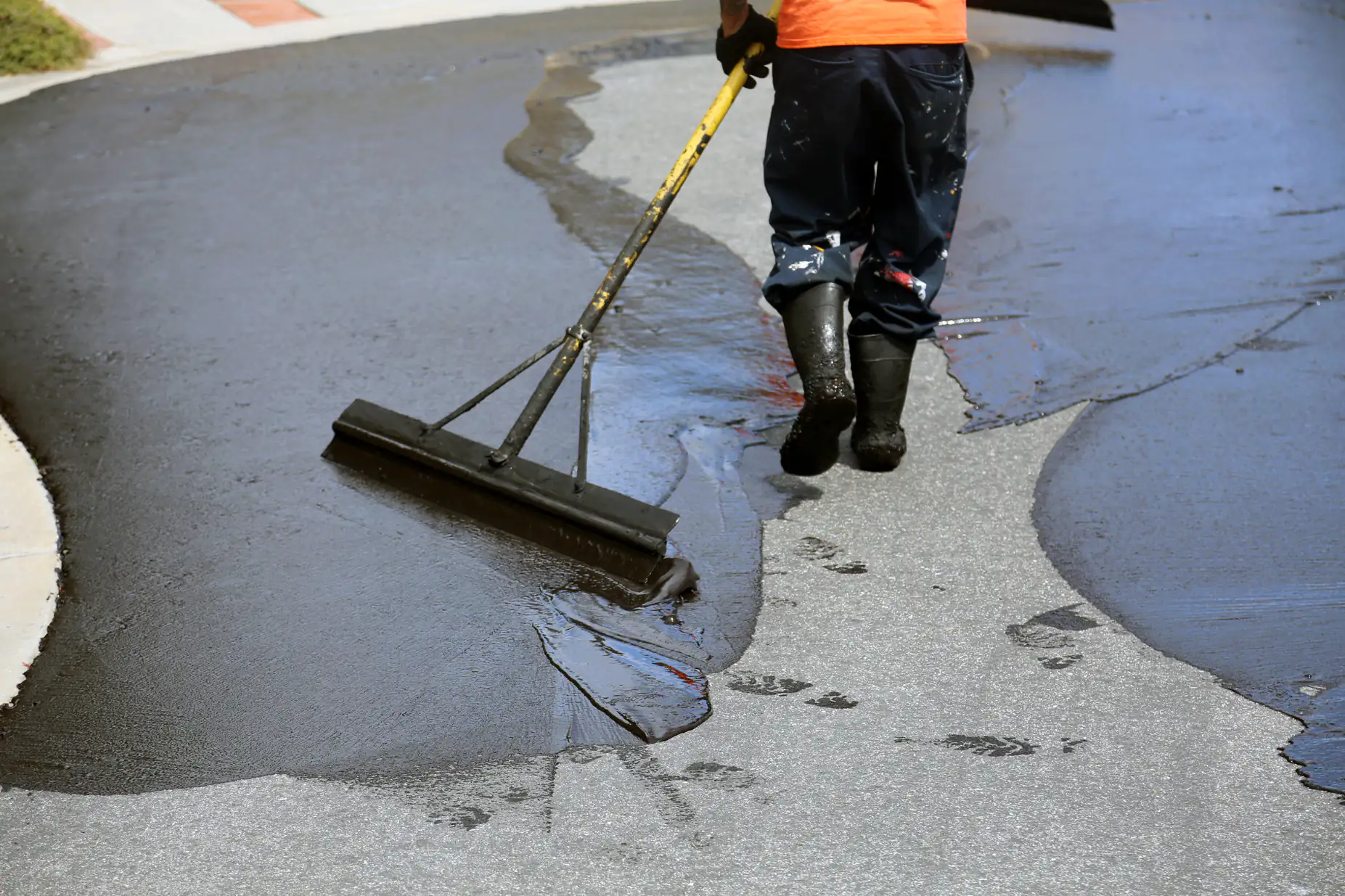
Professional sealcoating stops water before it penetrates. It creates a flexible, waterproof surface that sheds moisture instead of absorbing it. The dark coating also absorbs solar heat, which means snow and ice melt faster and you get fewer freeze-thaw events overall.
A properly maintained sealed driveway lasts 20-30 years. An unsealed one? You’re looking at 10-15 years max. The math isn’t complicated.
We work exclusively in Morris, Sussex, and Somerset Counties. We’re not a statewide operation trying to understand every microclimate in New Jersey. We focus on North Jersey because the weather here demands different materials, different timing, and a different approach.
Upper Montclair’s elevation, mature tree coverage, and proximity to weather systems coming off the northwest create conditions that accelerate asphalt deterioration. We’ve been sealing driveways here long enough to know that what works in Central Jersey doesn’t always hold up in your neighborhood.
We use commercial-grade sealants applied during the optimal window between April and October. Our crew understands that your property standards are high, and we work accordingly.
First, we inspect your driveway for cracks, potholes, and drainage issues. If there’s existing damage, we address it before sealing. Sealcoating over problems just hides them temporarily.
Any cracks wider than a quarter-inch get filled with hot-pour rubberized crack filler. We heat this material to 400 degrees, which allows it to flow deep into the crack and bond to the asphalt. It stays flexible through temperature swings, moving with your driveway instead of cracking apart like the cold-pour stuff from hardware stores.
Once repairs cure, we clean the entire surface. Oil stains, dirt, and vegetation get removed because sealant won’t bond to a contaminated surface.
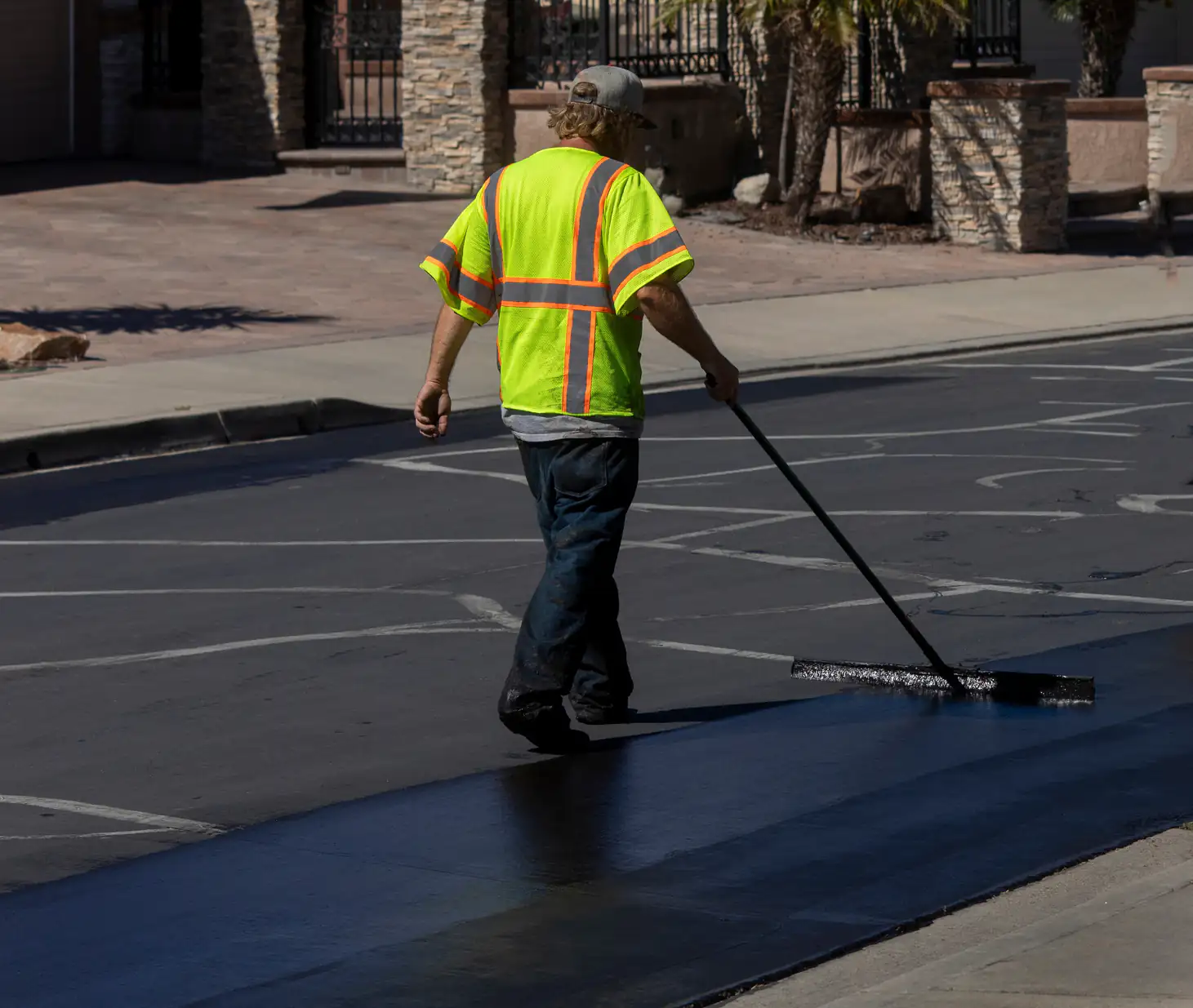
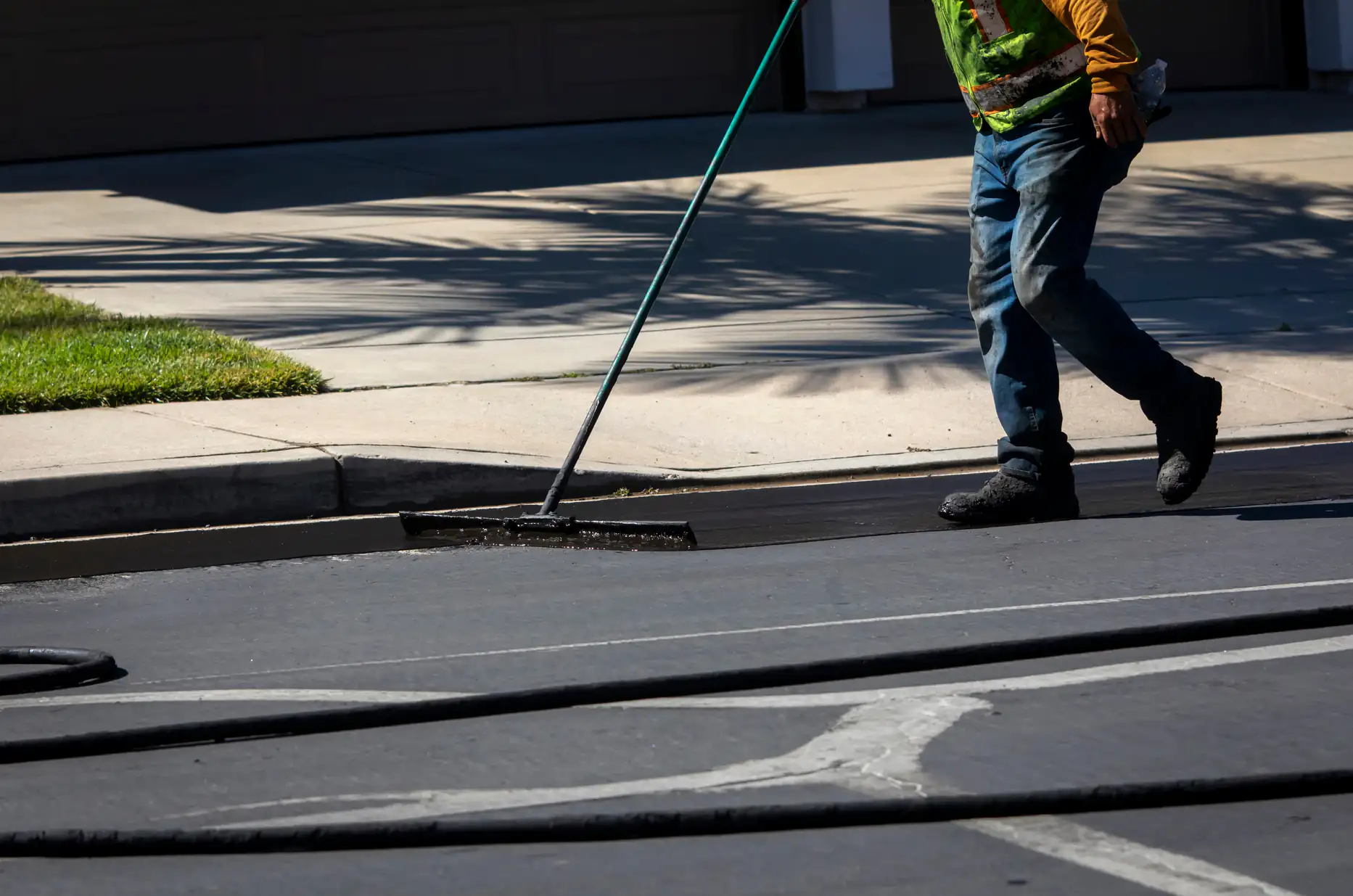
Then we apply a commercial-grade coal tar or asphalt emulsion sealer. We’re not brushing on a thin coat. We use professional spray equipment that applies a thick, even layer with silica sand mixed in for traction and durability.
The sealer needs 24-48 hours to cure, depending on temperature and humidity. We don’t schedule jobs if rain is forecast within that window. After it cures, you’ve got a waterproof barrier that’ll protect your driveway through multiple winter seasons.
Ready to get started?
Driveway sealcoating in Upper Montclair typically runs between $0.30 and $0.50 per square foot for professional application. A standard two-car driveway averages around $400-$600, depending on size and current condition.
That price includes crack filling, surface cleaning, edging around landscaping, and two coats of commercial-grade sealer. If your driveway has significant damage, potholes, or base failures, those get quoted separately because they require different materials and processes.
You’ll see cheaper quotes from companies using diluted sealers or skipping proper surface prep. You’ll also see those driveways failing within a year. The material cost difference between a quality sealer and a cheap one is maybe $50 for a typical driveway. The labor and prep work is where the real cost lives.
Upper Montclair properties tend to have longer driveways with more square footage than average. Many also have mature trees that drop sap and debris, which requires extra cleaning. We factor that into estimates because cutting corners on prep means the sealer won’t bond correctly.
We recommend resealing every 2-3 years. Some companies will tell you every year, but that’s overselling. If the sealer is still shedding water and the surface looks intact, you don’t need another coat yet.
A professional sealcoating job should last 2-3 years in Upper Montclair before you need to reseal. That timeline assumes proper application, good drainage, and normal wear.
The lifespan depends heavily on winter severity and how much freeze-thaw activity your driveway sees. Upper Montclair’s elevation means you typically get more freeze-thaw cycles than lower-lying areas in Essex County. Each cycle is an opportunity for water to penetrate and cause damage.
If you’re parking heavy vehicles, using metal snow shovels, or dealing with poor drainage, you might see the sealer wear faster in high-traffic areas. But the protection against water infiltration—the main reason you’re sealing in the first place—stays effective for the full 2-3 year window.
You’ll know it’s time to reseal when water stops beading on the surface and starts soaking in, or when the color fades to gray. Those are signs the protective layer is breaking down.
Crack filling repairs existing damage. Sealcoating prevents future damage. You need both, but they’re not the same thing.
Crack filling uses a hot-pour rubberized material that we heat to 400 degrees and apply directly into cracks. It’s thick, flexible, and designed to move with the asphalt as temperatures change. This prevents water from getting into the base layer where it can cause real structural problems.
Sealcoating is a thin protective layer applied over the entire driveway surface. It blocks UV rays, repels water, and protects against oil and chemical damage. It won’t fill cracks or fix structural issues.
If your driveway has cracks, we fill them first, let them cure, then apply the sealcoat over everything. Trying to seal over unfilled cracks is pointless. The water will still get in, and you’ll still have problems.
Late spring through early fall—specifically May through September—gives you the best conditions for sealcoating in Morris County. You need temperatures above 50 degrees and at least 24-48 hours of dry weather for the sealer to cure properly.
Fall is actually ideal if you’re trying to get ahead of winter damage. Sealing in September or early October means your driveway has a fresh protective barrier before the first freeze. You’re preventing problems instead of reacting to them in spring.
Spring works too, but you’re often dealing with damage that already happened over winter. You’ll spend more time and money on crack filling and repairs before you can even seal.
We don’t seal in summer heat above 90 degrees because the sealer can dry too fast and not bond correctly. We also won’t schedule a job if there’s rain in the 48-hour forecast. Moisture during curing ruins the application.
You can buy sealer at any hardware store and apply it yourself. Whether you should is a different question.
The material you’re getting at retail is diluted compared to what professional contractors use. It’s thinner, has less asphalt or coal tar content, and won’t last as long. You’re also applying it with a squeegee or brush, which doesn’t give you the even coverage or thickness that spray equipment provides.
The bigger issue is surface prep. Most DIY jobs skip proper cleaning, don’t fill cracks correctly, and apply sealer over contaminated surfaces. The sealer won’t bond, and you’ve wasted a weekend plus materials cost.
Professional application costs $0.30-$0.50 per square foot. DIY materials run about $0.15-$0.20 per square foot once you buy sealer, crack filler, cleaner, and tools. You’re saving maybe $150-$200 on a typical driveway, and you’re getting a result that’ll last half as long.
If your driveway is small, in good condition, and you’re comfortable with the work, DIY can make sense. If you’ve got cracks, drainage issues, or a larger surface area, hire it out.
Yes, but only if it’s done correctly and maintained on schedule. A sealed driveway that gets recoated every 2-3 years will last 20-30 years. An unsealed driveway in Morris County typically lasts 10-15 years before it needs replacement.
The protection comes from blocking water infiltration. Water is what destroys asphalt—not traffic, not age, not UV exposure. Those things contribute, but water getting into the base and freezing is what causes catastrophic failure.
Sealcoating creates a waterproof membrane. It also slows oxidation, which is the process where UV rays break down the petroleum binders in asphalt. Oxidized asphalt becomes brittle and cracks easily.
The extension only works if you maintain it. Sealing once and forgetting about it for ten years won’t help. You need to reseal before the previous coat wears through, fill new cracks as they appear, and address drainage problems that route water across your driveway.
Think of it like changing your oil. Do it on schedule and your engine lasts. Skip it and you’re buying a new engine. Same principle.
If it rains before the sealer cures, you’re looking at a ruined application. The sealer will wash away, streak, or fail to bond. You’ll need to have it redone.
That’s why we check the weather forecast before scheduling and won’t seal if rain is predicted within 24-48 hours. We’re not trying to be difficult about scheduling—we’re protecting our work and your investment.
Sealer needs time to dry and cure. In good conditions (70-80 degrees, low humidity, light breeze), you’re looking at 24 hours minimum before it can handle moisture. In cooler or more humid conditions, it can take 48 hours.
If we seal your driveway and unexpected rain shows up within that window, we’ll come back and redo any damaged areas at no cost. That’s part of doing the job right.
This is also why we don’t recommend sealing in spring when weather is unpredictable, or late fall when temperatures drop overnight. The risk of moisture or cold affecting the cure is too high.