
Hear from Our Customers
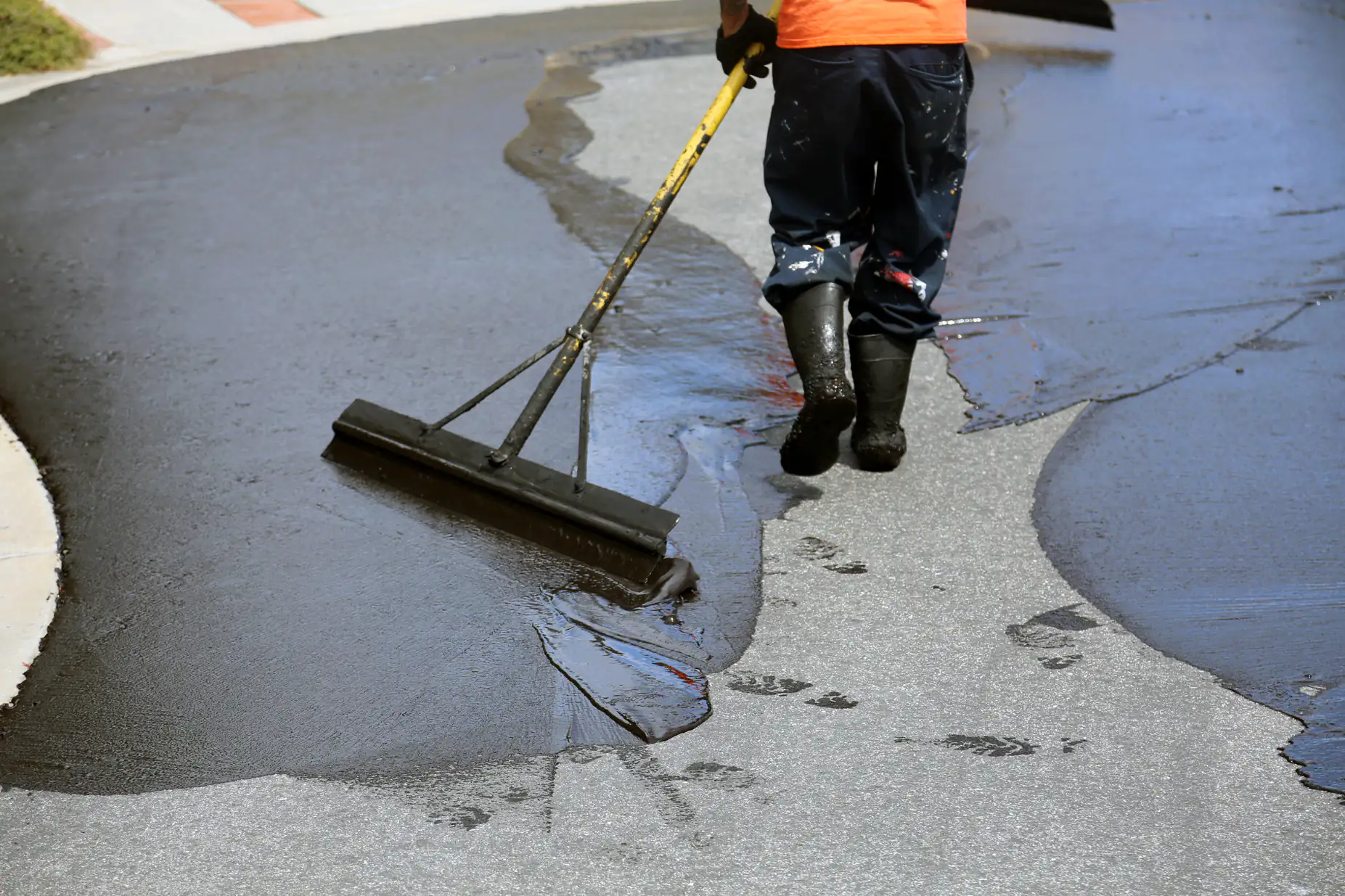
Your driveway takes a beating. Between Troy Hills’ 60-80 freeze-thaw cycles every winter and the salt trucks that run through Morris County, unprotected asphalt doesn’t stand a chance.
Water seeps into small cracks, freezes, expands by 9%, then thaws. That cycle repeats dozens of times each season, pushing cracks wider every time. Add road salt breaking down the asphalt binder, and you’re looking at serious damage within a few years.
Professional driveway sealing creates a waterproof barrier that stops this cycle. You’re not just making your driveway look darker—you’re adding years to its lifespan and avoiding repair bills that run into the thousands. A $400 sealcoating job today prevents a $5,000 repaving job three years from now. That’s not marketing talk; that’s basic math in New Jersey’s climate.
The difference shows up in how your driveway ages. Sealed driveways in Troy Hills last 25+ years. Unsealed ones start crumbling around year 15, sometimes sooner if drainage isn’t great.
We’ve been sealing driveways in Troy Hills and throughout Morris County for over 20 years. That means we’ve seen what works in this climate and what fails after one winter.
You’re not getting a crew that learned paving in Florida and moved north. You’re getting contractors who understand that Morris County properties need specific protection—higher-grade sealers, proper application temperatures, and timing that works around our weather patterns.
We’re fully licensed and insured, and we give you upfront pricing before any work starts. No surprises, no upsells once we’re in your driveway. You’ll get a callback within 24-48 hours of requesting a quote, and we’ll walk you through exactly what your driveway needs based on its current condition and age.
First, we inspect your driveway for cracks, drainage issues, and surface damage. If there are cracks wider than a quarter-inch, we fill them before sealing. Sealcoating doesn’t fix structural problems—it prevents them.
Next, we clean the surface. Oil stains, dirt, and debris prevent sealer from bonding properly, so we make sure the asphalt is clean and dry before application. If it rained yesterday, we’re not sealing today. Moisture trapped under sealer causes peeling and failure.
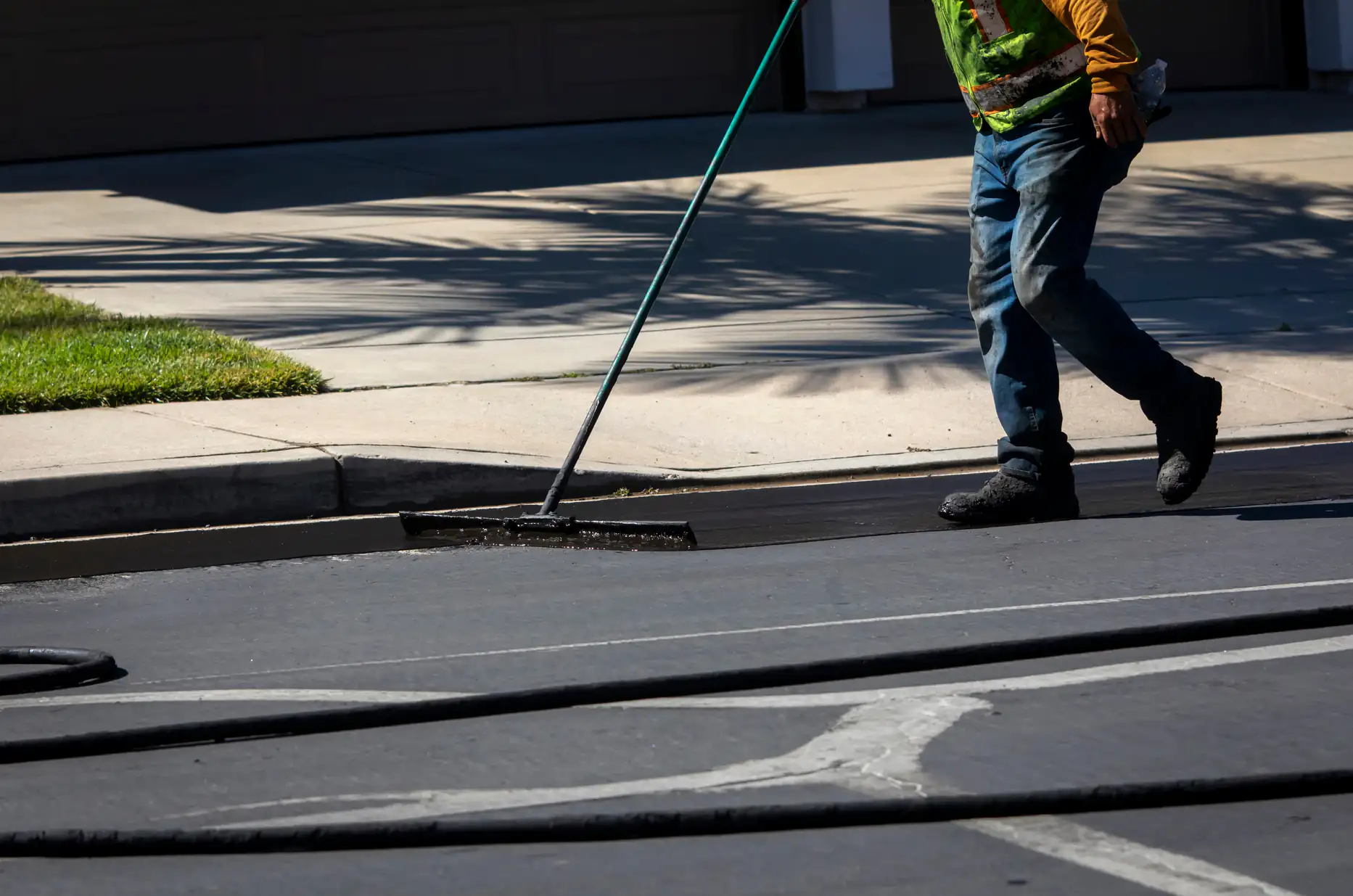
We apply commercial-grade sealer using professional equipment—not the watered-down stuff you’ll get from contractors cutting corners. Two coats work best in New Jersey’s climate, giving you 3-4 years of protection instead of 1-2. Application temperature matters too. We apply hot mix asphalt sealers at the right temperature so they bond correctly and cure properly.
After application, your driveway needs 24-48 hours to cure depending on weather. We’ll tell you exactly when you can drive on it again. Rush that timeline and you’ll leave tire marks in uncured sealer.
Ready to get started?
You’re getting a full inspection before we touch your driveway. We look at surface condition, existing cracks, drainage patterns, and how the previous sealing job (if there was one) held up.
Crack filling comes standard for anything that needs it. Small cracks get filled with rubberized filler that flexes with temperature changes. We’re not just covering them with sealer and hoping they don’t come back.
The sealer itself is commercial-grade material designed for northeastern climates. It protects against UV damage, water infiltration, salt contamination, and oil stains. In Troy Hills, where properties average over $500,000 and driveways see heavy daily use, you need sealer that actually lasts.
We include edging work to keep sealer off your lawn and landscaping, and we clean up completely when we’re done. Your property should look better than when we arrived, not like a work zone.
You’ll also get specific instructions for curing time and maintenance. Most driveways need resealing every 3-4 years in Morris County, but we’ll tell you what timeline makes sense for your specific driveway based on usage, shade coverage, and drainage.
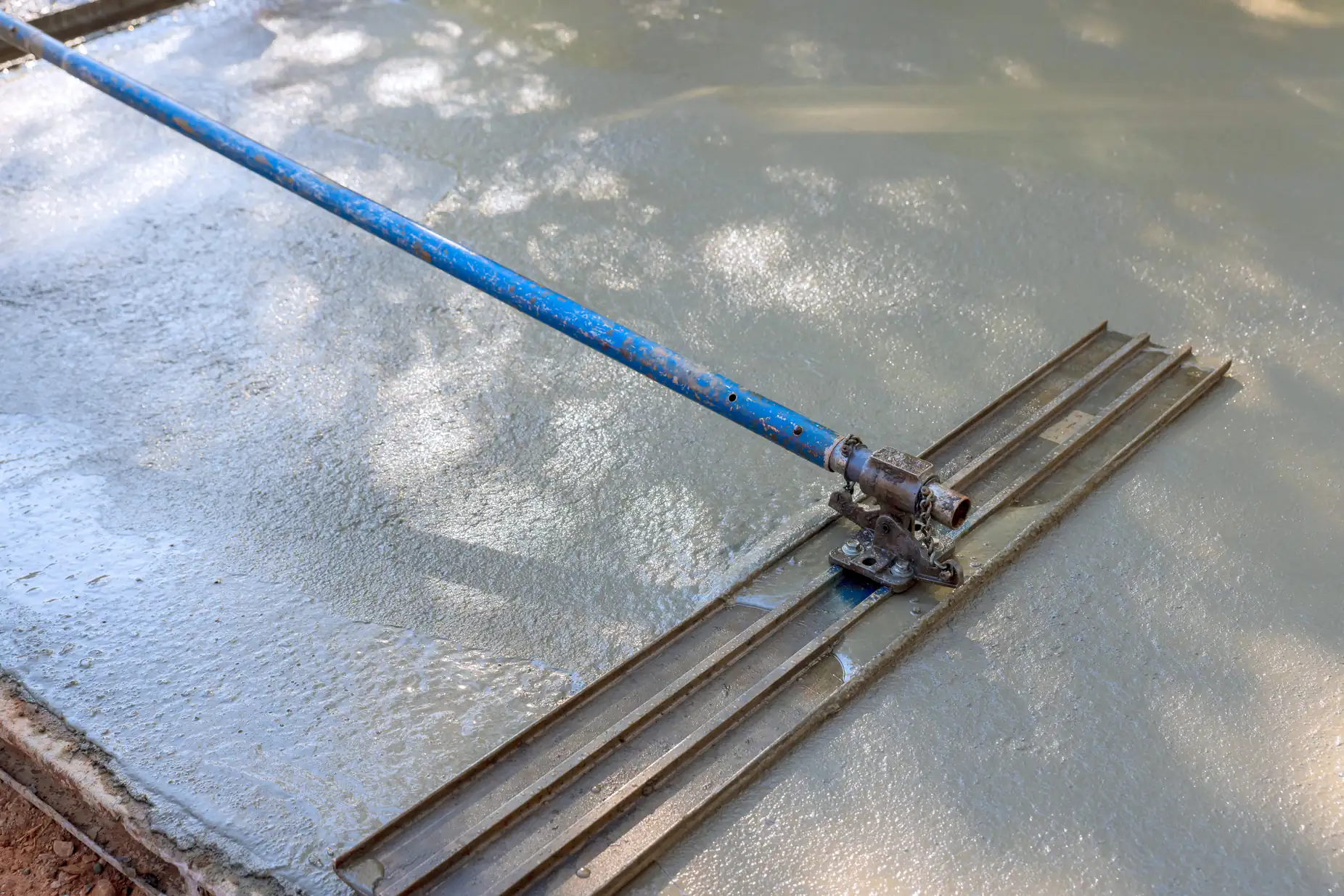
Most residential driveways in Troy Hills run between $300-$600 for professional sealcoating, depending on size and condition. A standard two-car driveway (around 600 square feet) typically costs $350-$450 with crack filling included.
That price covers surface cleaning, crack repair for minor damage, two coats of commercial-grade sealer, and edging work. If your driveway has significant cracking or drainage issues, you’ll need repairs before sealing, which adds to the cost.
Morris County pricing runs about 15-20% higher than the national average because of labor costs and the heavier-duty materials needed for our freeze-thaw cycles. Cheaper quotes usually mean watered-down sealer or contractors skipping the crack-filling step. You’ll save $100 now and pay $3,000 in repairs two years later when water gets under the surface and causes real damage.
Two-coat applications last 3-4 years in New Jersey’s climate. Single-coat jobs only give you 1-2 years before you’re resealing again.
The lifespan depends on a few factors: how much traffic your driveway gets, whether it’s shaded or in full sun, and how well water drains off the surface. Driveways with standing water wear faster because that water works its way into the sealer during freeze-thaw cycles.
You’ll know it’s time to reseal when the surface starts looking gray instead of black, or when you see water soaking into the asphalt instead of beading on top. Don’t wait until cracks reappear—by then, you’re back to repair mode instead of maintenance mode. Resealing on schedule costs a few hundred dollars every few years. Waiting until damage shows up costs thousands.
Late spring and early fall work best in Troy Hills. You need temperatures above 50°F for at least 24 hours before and after application, with no rain in the forecast.
Summer works too, but sealer cures faster in high heat, which can make application trickier. We avoid sealing in temperatures above 90°F because the material gets too thin and doesn’t bond as well.
Winter sealing doesn’t work in New Jersey—period. The sealer won’t cure properly in cold temperatures, and you’ll end up with a surface that peels or wears off by spring. Some contractors will try to seal in late fall or early winter to squeeze in extra jobs, but you’re wasting money if temperatures drop below 50°F during curing.
If you’re planning to seal, schedule it a few weeks out. Weather delays happen, and you don’t want to be stuck with a half-finished driveway when unexpected rain rolls through Morris County.
Yes, but the cracks need to be filled first. Sealcoating goes over the surface—it doesn’t fill gaps or repair structural damage.
For cracks smaller than a quarter-inch, we clean them out and fill them with rubberized crack filler before applying sealer. That filler flexes with temperature changes so the crack doesn’t just reopen next winter.
Larger cracks or areas where the asphalt is crumbling need actual repair work before sealing makes sense. If water’s already getting under the surface and causing base damage, sealing the top won’t fix the problem underneath. We’ll tell you honestly if your driveway needs repair instead of just maintenance.
Some driveways are too far gone for sealing to help. If more than 30% of the surface is damaged, you’re better off repaving. Sealing a failing driveway is like painting a rotted fence—it might look better for a few months, but the underlying problem doesn’t go away.
It does both, but the protection matters more than the appearance. Sealer creates a waterproof barrier that stops the freeze-thaw cycle from destroying your asphalt.
Here’s what actually happens in Troy Hills winters: water seeps into tiny cracks and pores in unsealed asphalt. When temperatures drop, that water freezes and expands by 9%. The expansion pushes the crack wider. Then it thaws, more water gets in, and the cycle repeats 60-80 times every winter in Morris County.
Sealer stops water from getting into those cracks in the first place. No water infiltration means no freeze-thaw damage. You’re also protecting against UV oxidation (which makes asphalt brittle), salt contamination (which breaks down the binder), and oil stains (which soften the surface).
The dark, fresh appearance is a bonus. It improves curb appeal and property value, but the real value is in extending your driveway’s lifespan from 15 years to 25+ years. That’s the difference between repaving once or twice in the time you own your home.
If it rains within the first 24 hours, you’ve got a problem. Uncured sealer will wash away, streak, or fail to bond properly. That’s why we check the forecast carefully before starting any job.
Sealer needs at least 24 hours of dry weather to cure enough that rain won’t damage it. In cooler temperatures or high humidity, we recommend 48 hours. Once it’s fully cured, rain doesn’t hurt it—that’s the whole point of the waterproof barrier.
This is why spring and fall scheduling can be tricky in New Jersey. Weather changes fast, and an unexpected storm can ruin a fresh sealing job. If rain’s in the forecast, we reschedule. It’s frustrating when you’ve cleared your schedule, but it’s better than paying for work that fails in six months.
If we’re already on site and weather moves in faster than predicted, we’ll make the call about whether to continue or stop. We don’t gamble with your money. If conditions aren’t right, we don’t seal—even if that means coming back another day.