
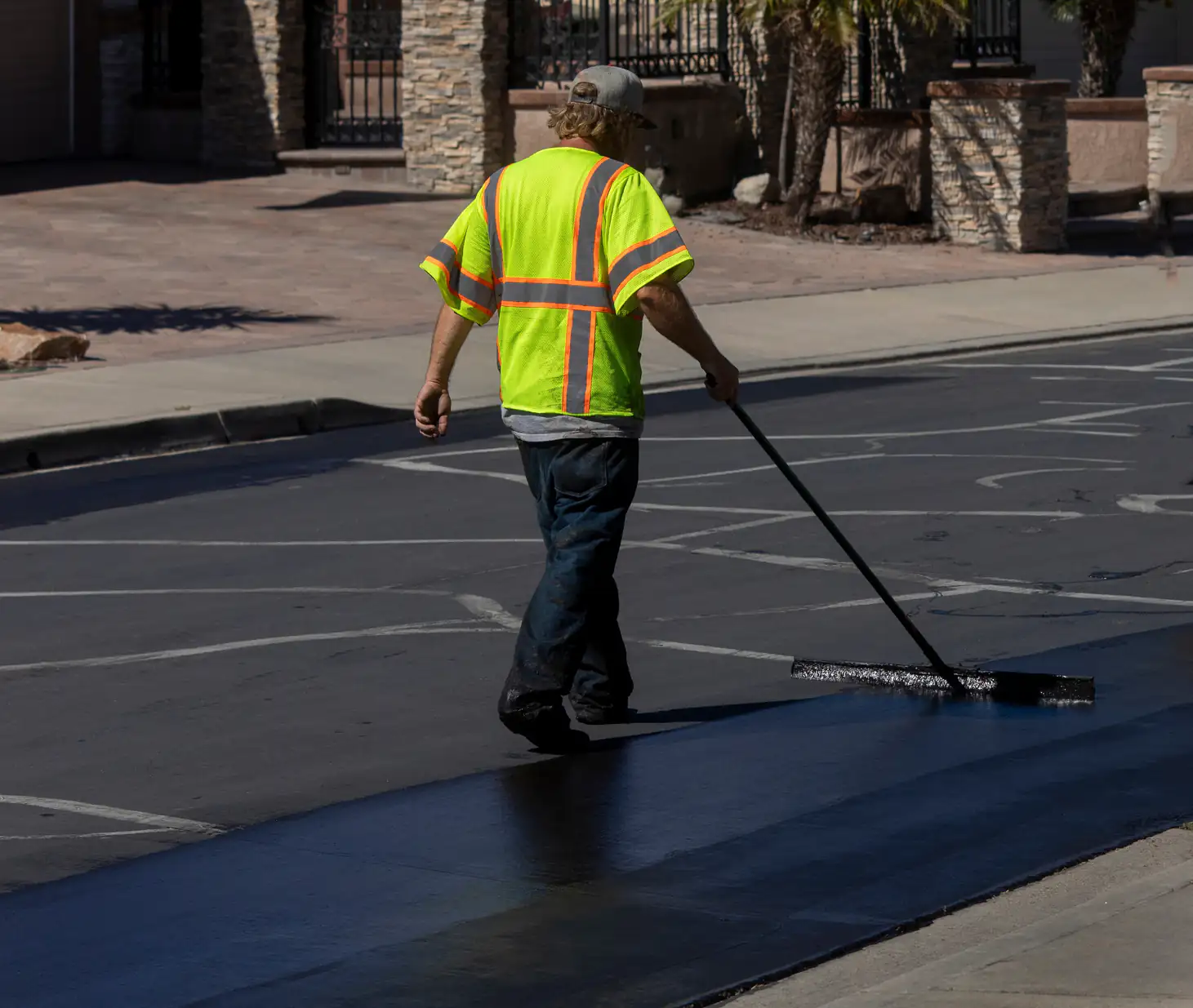
Hear from Our Customers
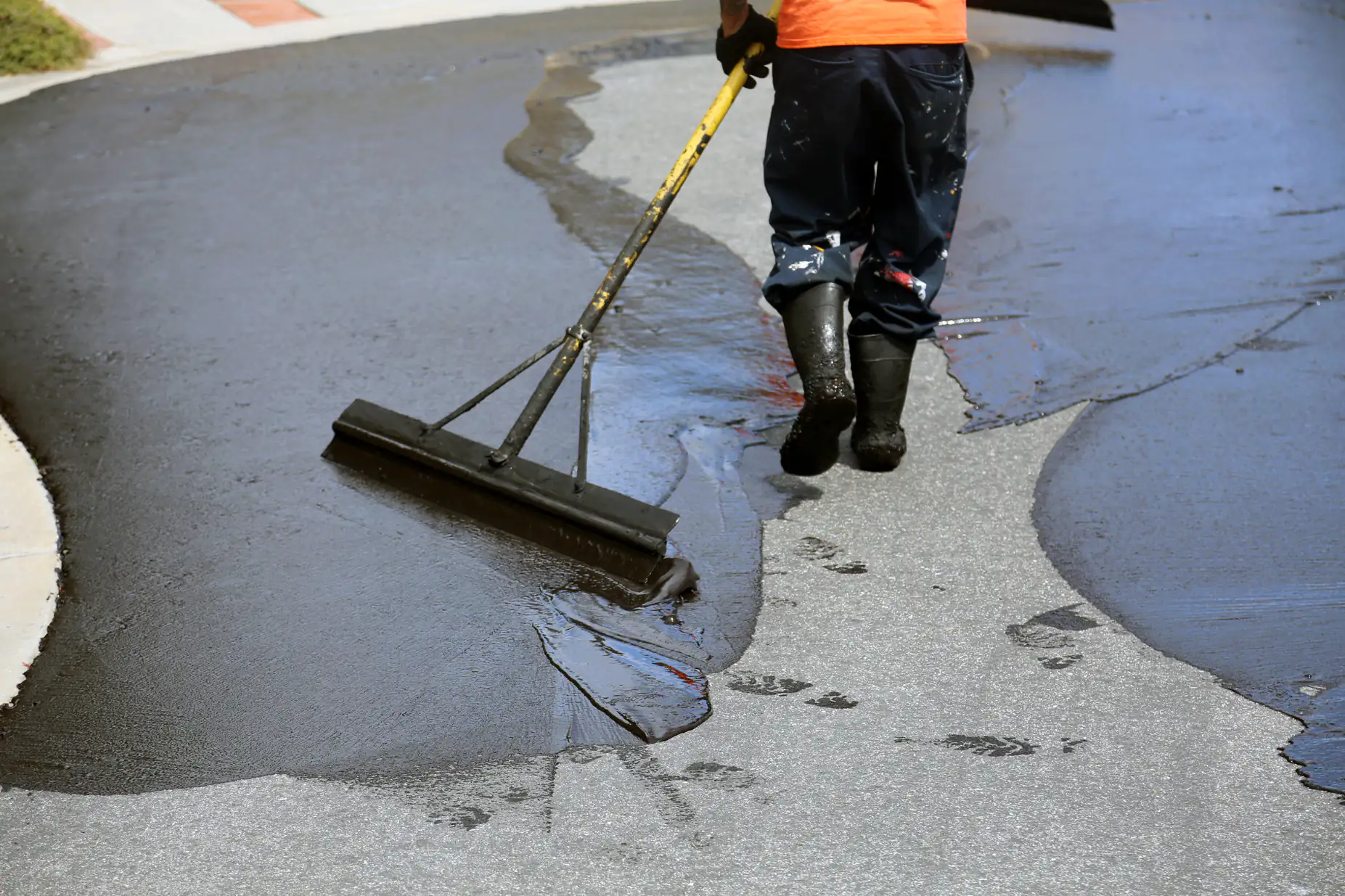
Your driveway takes a beating every winter. Water seeps into small cracks during the day, freezes overnight, and expands with enough force to split asphalt from within. This happens dozens of times each season in Morris County, where freeze-thaw cycles occur 40% more frequently than in Central or South Jersey.
Professional asphalt sealcoating creates a waterproof barrier that stops this cycle before it starts. You’re not just getting a darker driveway—you’re blocking UV damage that dries out asphalt binders, preventing salt penetration that eats away at pavement structure, and adding years to your investment.
The difference shows up in two ways. First, your driveway looks like it was just installed—that deep black finish that makes the whole property look maintained. Second, you skip the spring repair bills that hit homeowners who let small cracks turn into structural problems. A $300 sealcoating job now prevents a $1,500 repair project next year.
We’ve been handling asphalt and concrete work across Morris, Sussex, and Somerset County for years. We’re based here, we work here, and we understand what North Jersey weather does to driveways.
The Hills sits in a weather pattern that’s particularly hard on asphalt. You get multiple freeze-thaw cycles instead of sustained cold, which means repeated stress throughout winter. We select sealant grades and application timing specifically for this climate—not the same approach we’d use 50 miles south.
When you call, you’re talking to people who’ve seen what happens when homeowners skip maintenance and what happens when they stay ahead of it. We use commercial-grade materials, proper surface prep, and application techniques that actually protect your investment. No surprises on price, no delays on schedule, no guessing whether it was done right.
We start with a thorough cleaning because sealant won’t bond to dirt, oil, or debris. High-pressure equipment removes everything down to bare asphalt. Any vegetation growing in cracks gets pulled out completely.
Next comes crack filling. We use hot rubberized filler that stays flexible through temperature changes—not the hardware store stuff that hardens and pops out after one winter. Every crack gets filled flush with the surface before any sealant goes down.
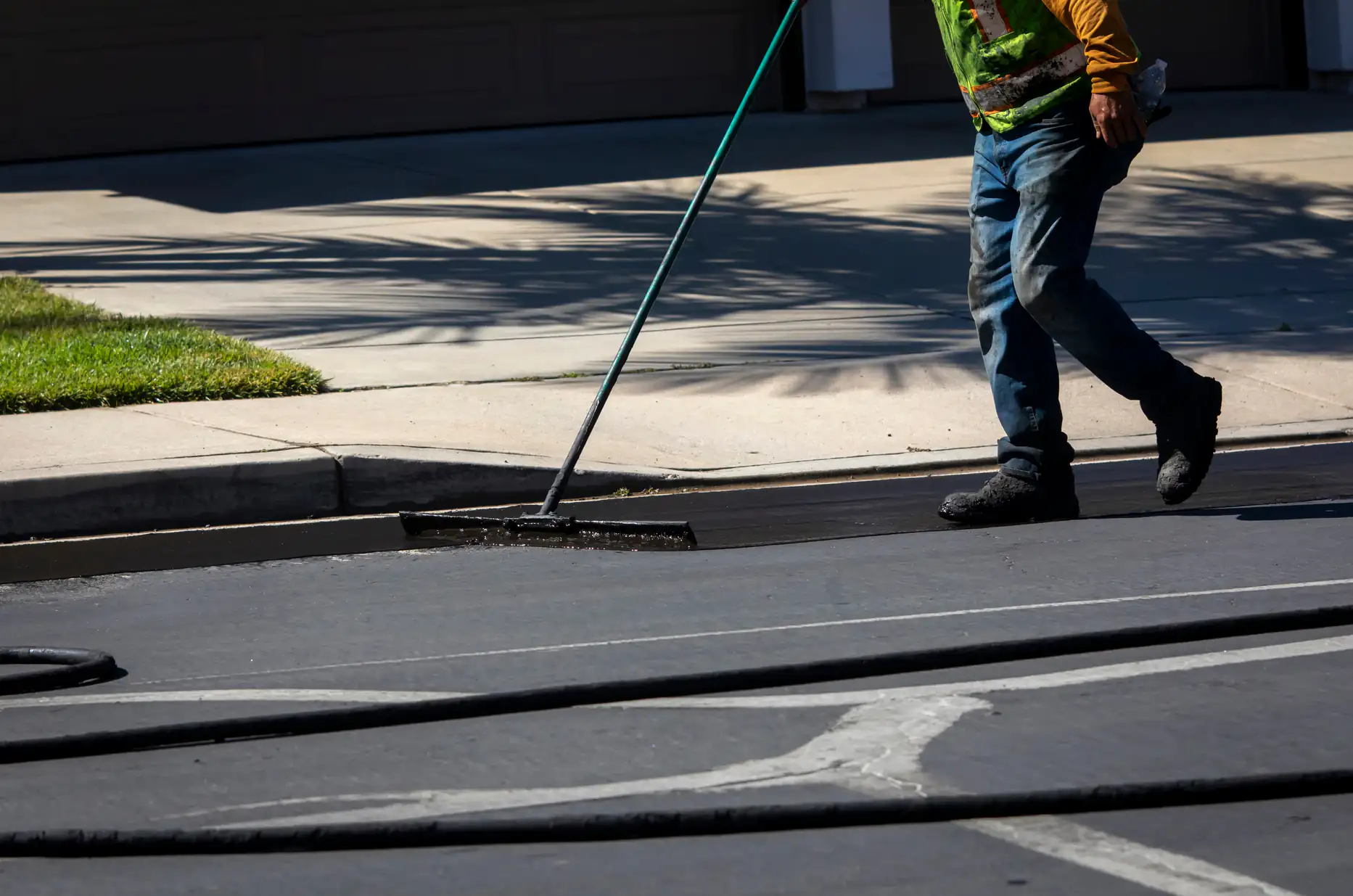
The sealcoating itself gets applied in two thin coats rather than one thick layer. This approach provides better coverage, dries more evenly, and lasts longer. We’re using commercial-grade sealer with higher solids content than consumer products—it costs more but performs significantly better against freeze-thaw damage and salt exposure.
Temperature and timing matter. We only seal when conditions allow proper curing, typically between 50-85°F with no rain in the forecast for 24-48 hours. Rush the process or ignore weather conditions and you get premature failure. Your driveway needs 24-48 hours before light foot traffic and 72 hours before vehicles.
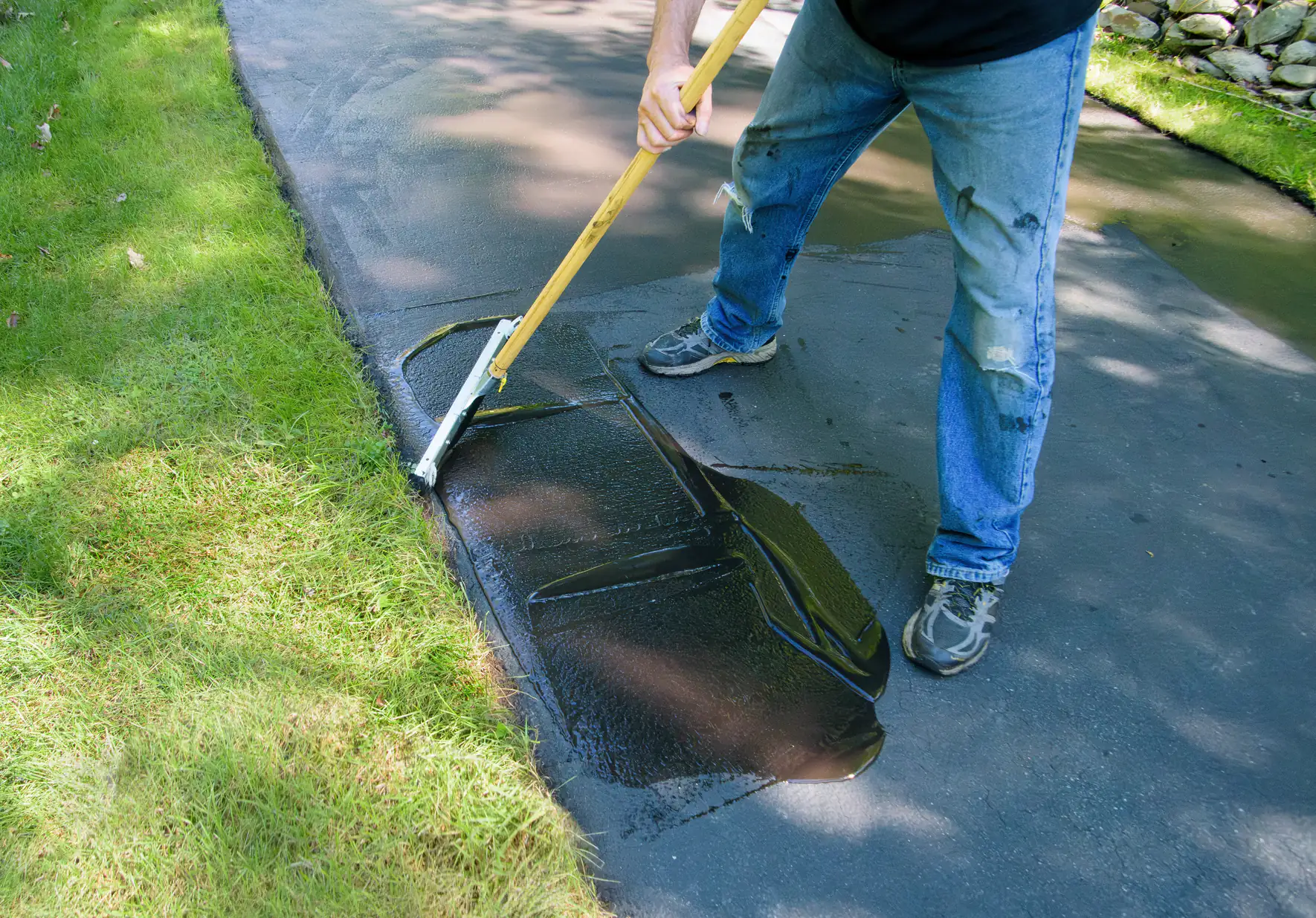
Ready to get started?
Every sealcoating job includes complete surface cleaning, crack filling up to ¼ inch width, edging along garage doors and walkways, and two coats of commercial-grade sealer. We’re not charging extra for crack repair—it’s part of doing the job correctly.
The Hills properties often have decorative borders, stamped concrete aprons, or paver accents. We edge carefully around these features and protect them during application. Overspray on stamped concrete or pavers is difficult to remove, so we take the time to mask properly.
For driveways showing more significant damage—cracks wider than ¼ inch, areas of alligator cracking, or sections where the base is compromised—we’ll tell you before we start. Sometimes sealcoating isn’t enough, and you need repair work first. We’d rather have that conversation upfront than apply sealer over structural problems and have you disappointed with the results.
Morris County homeowners should plan on sealcoating every 2-3 years. New asphalt needs 6-12 months to cure before the first application, but after that, regular maintenance keeps water out and extends the pavement’s life from 8-12 years to 15-20 years.
A standard two-car driveway (around 400-600 square feet) typically runs $300-$600 for professional sealcoating in Morris County. That price includes cleaning, crack filling, and two coats of commercial-grade sealer.
You’ll see lower prices advertised, but they usually mean DIY-grade materials, single coat application, or no crack prep. You’ll also see higher prices from companies including services you might not need. We give you a clear quote based on your driveway’s actual size and condition—no padding, no surprises.
New Jersey pricing runs higher than national averages because labor costs more here and our climate demands better materials. The cheapest option usually becomes the most expensive when you’re repairing premature failure two years later. The goal is protecting your investment, not just making the driveway look darker for a season.
Late spring through early fall gives you the best window—specifically when temperatures stay between 50-85°F for at least 48 hours with no rain. In The Hills, that usually means May through September, with early fall being ideal.
You want the asphalt warm enough for sealer to penetrate and bond properly, but not so hot that it dries too quickly. You also need dry conditions before and after application so the sealer cures correctly rather than washing away or developing soft spots.
Fall sealcoating makes particular sense in North Jersey because you’re creating a protective barrier right before winter. The sealer needs a few weeks to fully cure and harden, so getting it done in September or early October means maximum protection against freeze-thaw cycles starting in November. Spring works too, but you’re repairing winter damage rather than preventing it.
Professional sealcoating lasts 2-3 years in Morris County when applied correctly with commercial-grade materials. DIY jobs or bargain applications might only give you 12-18 months before you’re seeing wear patterns and water penetration again.
The lifespan depends on several factors: material quality, application technique, traffic volume, and winter severity. A driveway that sees multiple vehicles daily wears faster than one with a single car. Winters with heavy salt use and frequent freeze-thaw cycles are harder on sealant than mild seasons.
You’ll know it’s time to reseal when the surface starts looking faded or grayish instead of black, when water stops beading up and starts soaking in, or when you notice small cracks forming. Don’t wait until you see significant cracking or surface deterioration—by then you’re into repair territory rather than maintenance. Regular resealing every 2-3 years is far cheaper than letting the driveway deteriorate and facing structural repairs.
You can seal your own driveway, but the results usually don’t match professional work—and the cost difference is smaller than most people think. A DIY job might save you $150-$200 on a standard driveway, but you’re using consumer-grade materials that don’t last as long and you’re probably not doing the surface prep that makes sealant actually bond and protect.
Professional crews have commercial equipment for proper cleaning, hot pour crack filler that stays flexible through freeze-thaw cycles, and spray application that provides even coverage. We’re also insured if something goes wrong, and we know how to handle edging, drainage issues, and surface irregularities that cause DIY jobs to fail prematurely.
The bigger issue is what happens when a DIY sealcoating job doesn’t hold up. If water gets under poorly applied sealer, you can actually accelerate damage rather than prevent it. Then you’re paying for repairs that wouldn’t have been necessary if the work was done right initially. For a difference of $150-$200, most homeowners decide professional application is worth it.
Sealcoating doesn’t fill cracks—it seals the surface. Those are different processes, and both matter for protecting your driveway. Cracks need to be filled separately before sealant goes down, using rubberized crack filler that stays flexible as temperatures change.
If you just apply sealer over cracks without filling them first, water still gets into those openings. The sealer might make cracks less visible temporarily, but it’s not stopping water penetration. Then you get freeze-thaw damage underneath what looks like a freshly sealed surface.
Proper driveway sealing includes crack filling as part of the prep work. We clean out each crack, fill it with hot pour rubberized material, let it set, and then apply sealcoat over the entire surface. That approach actually stops water from getting into your asphalt’s base layer. Any company quoting you for sealcoating without mentioning crack prep is either skipping a critical step or planning to charge you extra for it later.
Sealcoating restores color and provides protection, but it doesn’t fix structural damage. If your driveway is faded and showing minor surface wear, sealcoating brings back that fresh black appearance and prevents further deterioration. If you’ve got alligator cracking, potholes, or base failure, you need repairs before sealing does any good.
The key is understanding what you’re looking at. Fading and minor surface cracks are maintenance issues—sealcoating handles them. Widespread cracking, sunken areas, or edges that are crumbling indicate structural problems that require repair work. Applying sealer over serious damage just hides the problem temporarily while water continues destroying the base layer underneath.
We’ll look at your driveway and tell you honestly whether sealcoating makes sense or whether you need repair work first. Sometimes a section needs to be cut out and repaved before we seal the rest. Sometimes the whole driveway is past the point where maintenance helps and you’re looking at replacement. Those aren’t conversations anyone wants to have, but they’re better than spending money on sealcoating that won’t solve the actual problem.