
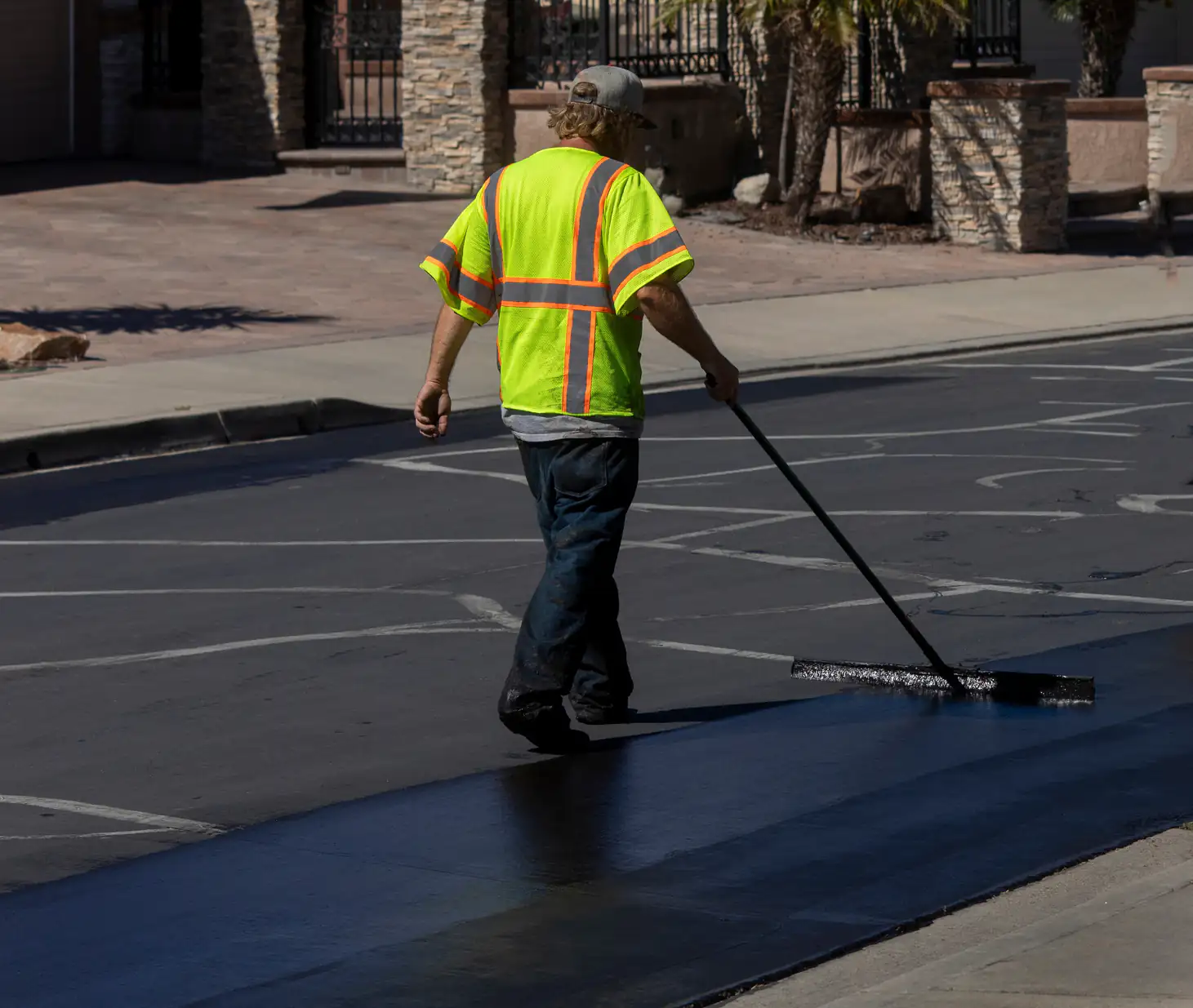
Hear from Our Customers
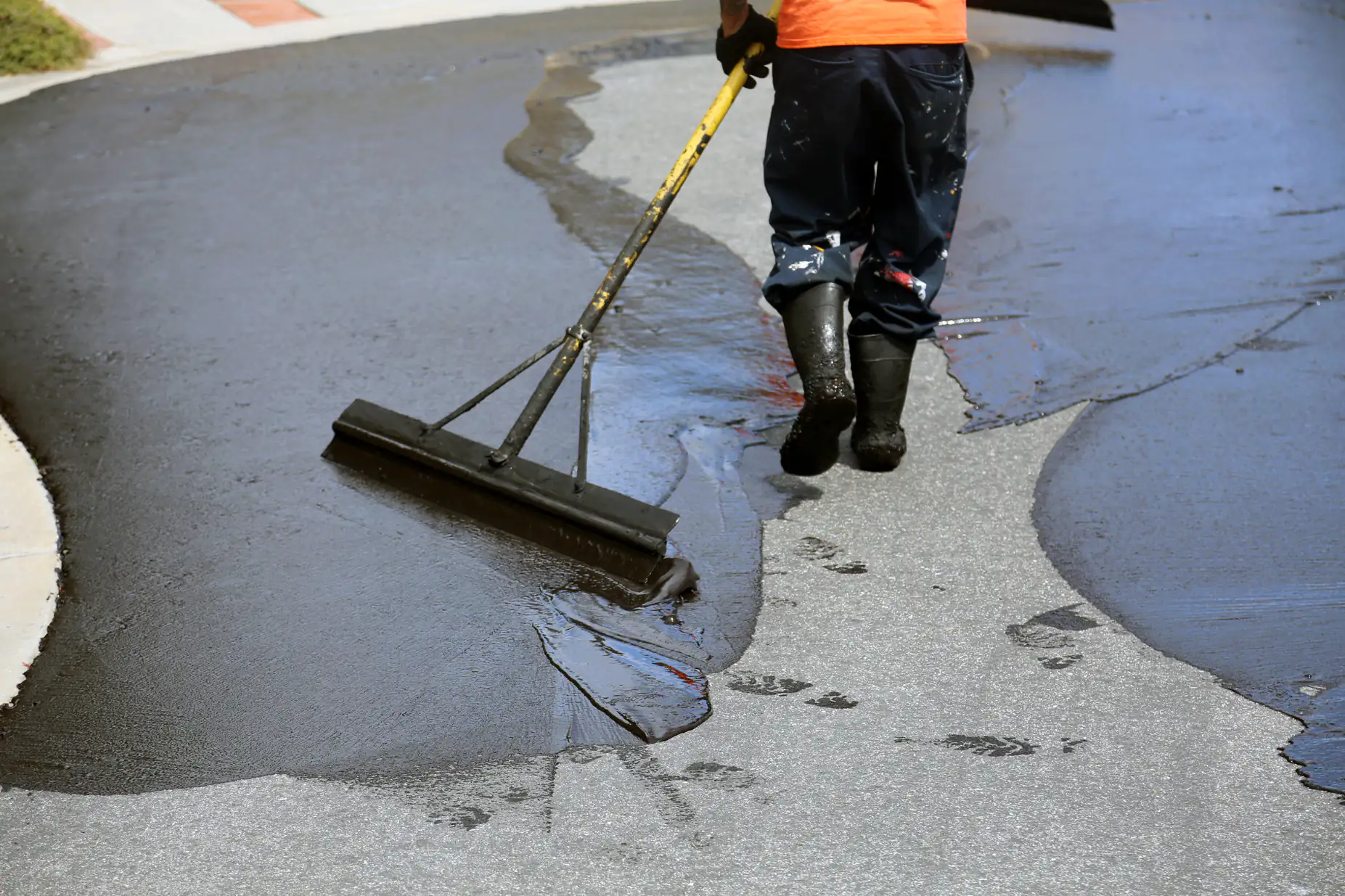
You’re looking at 25+ years of driveway life instead of 15. That’s what happens when you protect asphalt from the elements before they break it down.
South Bound Brook sees 40 to 50 freeze-thaw cycles every winter. Water gets into small cracks, freezes, expands by about 9%, and pushes outward with enough force to widen those cracks into serious problems. One cycle turns a hairline crack into a pothole waiting to happen.
Sealcoating stops that water before it gets in. It fills surface pores, blocks UV rays that dry out your asphalt, and creates a barrier against oil, gas, and salt. You’re not just making your driveway look darker and cleaner—you’re preventing the kind of damage that turns a $300 maintenance job into a $5,000 replacement project.
Most homeowners in Somerset County spend between $200 and $500 every two to three years on sealcoating. That’s a fraction of what you’d pay to repair base damage or repave sections that crumbled because water got underneath and froze.
We’ve spent over 20 years working in Morris, Sussex, and Somerset County. We know what North Jersey weather does to asphalt because we’ve seen it, fixed it, and prevented it on thousands of driveways.
We’re not the cheapest option in South Bound Brook, and that’s intentional. You’re paying for high-grade materials, proper surface prep, and application methods that actually last. We use hot rubberized crack filler, commercial-grade sealer, and equipment that applies it evenly without thin spots or pooling.
You’ll get a callback within 24 to 48 hours when you request a quote. We show up when we say we will, we finish on schedule, and we don’t surprise you with charges that weren’t discussed upfront.
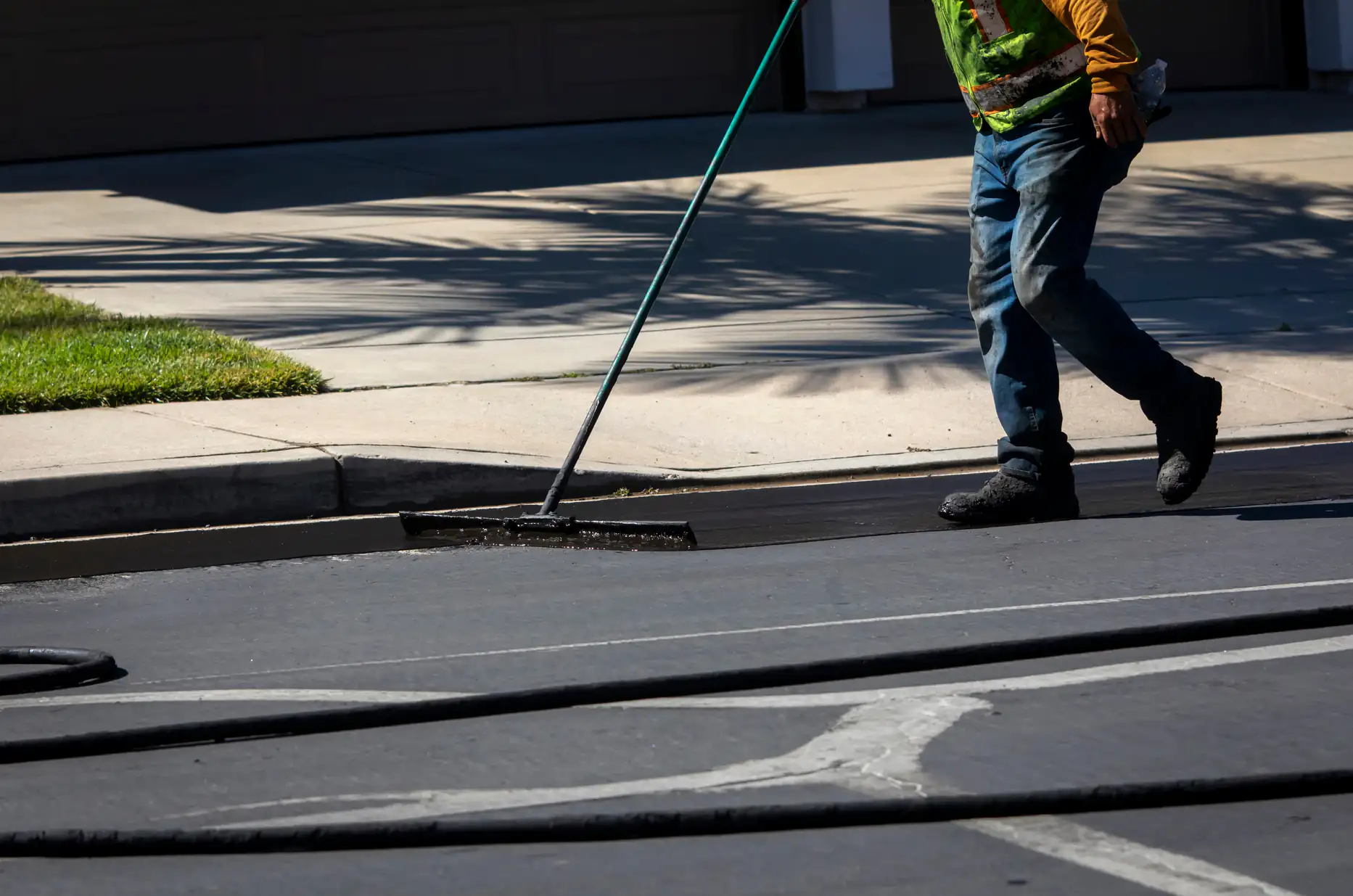
We start by power washing your driveway to remove dirt, oil, and anything else sitting on the surface. Sealer won’t bond properly to a dirty driveway, so this step matters more than most homeowners realize.
Next, we fill every crack with hot rubberized filler. This isn’t the stuff you squeeze out of a tube at the hardware store—it’s heated material that stays flexible through temperature swings and doesn’t crack out after one winter. If there are oil spots, we prime them so the sealer adheres correctly.
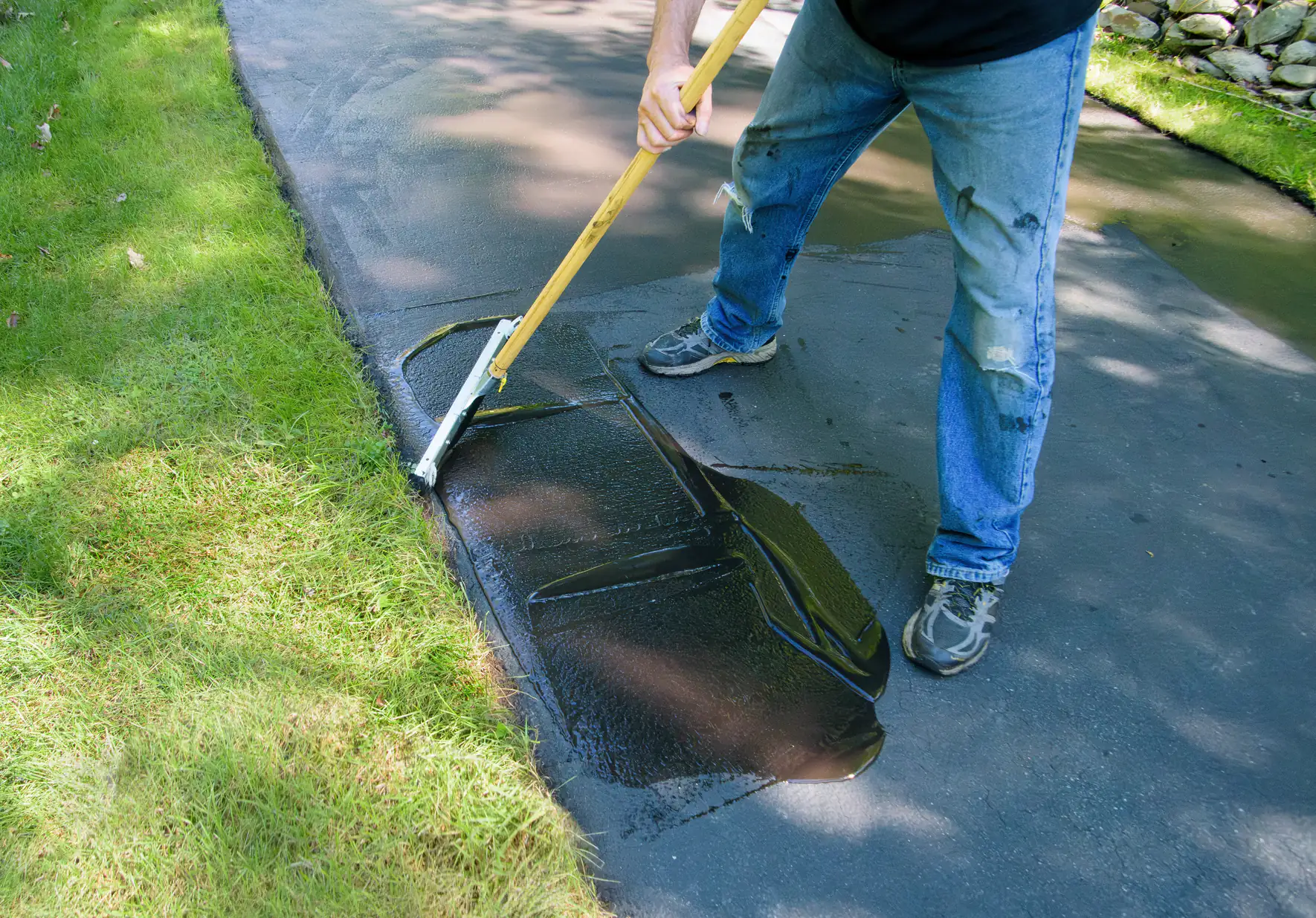
Then we apply two coats of commercial-grade sealer by hand. We’re not spraying it on thin and calling it done. We work it into the pores and spread it evenly across the entire surface, edge to edge. You’ll see the difference in how uniform it looks and how long it holds up.
The whole process takes one to two days depending on driveway size and condition. You’ll need to stay off it for 24 to 48 hours while it cures. After that, you’ve got a protected surface that can handle whatever South Bound Brook’s weather throws at it.
Ready to get started?
Every sealcoating job includes full surface cleaning, crack filling with hot rubberized material, oil spot treatment, edge trimming, and two coats of high-grade sealer applied by hand. We don’t skip steps to save time.
In South Bound Brook, your driveway faces specific challenges. Somerset County properties deal with heavy moisture, freeze-thaw cycles that happen dozens of times each winter, and temperature swings that stress asphalt constantly. We account for that in how we prep and what materials we use.
You’re also getting expertise that comes from working in this area for over two decades. We know which asphalt mixes perform best in Morris County weather. We know how to identify base issues before they turn into expensive repairs. And we know the difference between a driveway that’ll need work again in 18 months and one that’ll stay protected for three years or more.
The cost typically runs between $0.15 and $0.40 per square foot depending on your driveway’s size and condition. For most residential driveways, that’s $200 to $500 total. Compare that to $1,500 for crack repairs or $5,000+ for replacement, and the math makes sense pretty quickly.
Every two to three years is the standard recommendation for South Bound Brook driveways. That timing accounts for New Jersey’s freeze-thaw cycles and keeps your asphalt protected before weather damage starts.
Some driveways need it sooner if they’re exposed to heavy sun, get a lot of vehicle traffic, or weren’t sealed properly the first time. You’ll know it’s time when the surface starts looking faded or gray instead of deep black, or when you see small cracks forming.
Waiting longer than three years usually means you’re dealing with more prep work and potentially more damage. Water that’s been seeping into cracks for four or five years doesn’t just sit on the surface—it gets down into the base layer and causes problems that sealcoating alone won’t fix.
Fall is your best window in South Bound Brook. Temperatures are moderate, conditions are usually dry, and you’re creating a protective barrier right before winter freeze-thaw cycles start hitting your driveway.
Spring works too, but you’re gambling with rain and moisture. Sealer needs at least 24 to 48 hours of dry weather to cure properly. One unexpected rainstorm during that window and you’ve got sealer that didn’t bond correctly, which means it’ll fail early.
Summer can be too hot. When temperatures climb above 90 degrees, sealer can dry too fast and not penetrate into the asphalt pores the way it should. You end up with a surface coating instead of real protection.
We don’t sealcoat in winter. Temperatures need to stay above 50 degrees during application and curing, and South Bound Brook winters don’t cooperate with that requirement.
Most homeowners pay between $200 and $500 for a residential driveway, which works out to about $0.15 to $0.40 per square foot. Your final cost depends on square footage, how many cracks need filling, and what condition your driveway is in when we start.
A standard two-car driveway in South Bound Brook runs around $300 to $400 for complete sealcoating with crack filling and proper prep. If your driveway has significant damage or hasn’t been maintained in years, expect to pay toward the higher end because there’s more work involved.
Compare that to repair costs. Fixing cracks and damaged sections typically runs $1,500 or more. Full driveway replacement in Somerset County starts around $5,000 and goes up from there depending on size and site conditions.
Sealcoating every two to three years is the cheapest way to maintain your driveway long-term. You’re spending a few hundred dollars now to avoid spending thousands later.
You can buy sealer at any hardware store and do it yourself. Whether you should depends on whether you want it done right or done cheap.
DIY sealer is usually diluted compared to what we use. It goes on thinner, doesn’t penetrate as deep, and breaks down faster. Most homeowners who seal their own driveways are doing it again in 12 to 18 months instead of waiting the full two to three years.
There’s also the prep work. If you don’t power wash correctly, don’t fill cracks with the right material, or don’t prime oil spots, your sealer won’t bond properly no matter how carefully you apply it. We see driveways all the time where DIY sealer is peeling up in sheets because it was applied over dirt or old sealer that should’ve been removed first.
Professional application costs more upfront but lasts significantly longer. You’re paying for commercial-grade materials, proper equipment, and experience that comes from sealing hundreds of driveways in South Bound Brook’s specific climate conditions.
Your driveway will deteriorate faster and cost more to fix. Asphalt without sealcoating typically lasts 15 to 20 years in New Jersey. With regular sealing, you’re looking at 25 years or longer.
Water is the main problem. It seeps into surface cracks, freezes during South Bound Brook’s winter nights, expands, and makes those cracks bigger. Each freeze-thaw cycle—and you get 40 to 50 per winter here—does more damage. Small cracks turn into large cracks, then potholes, then sections where the base layer is compromised.
UV rays dry out the asphalt binder that holds everything together. Your driveway gets brittle, starts crumbling at the edges, and develops more cracks that let in more water. Oil and gas from vehicles break down the surface even faster.
You’ll spend more on repairs and you’ll need to replace your driveway sooner. A $300 sealcoating job every few years prevents thousands in damage. Skip it, and you’re looking at expensive fixes that could’ve been avoided.
Professional sealcoating typically lasts two to three years in South Bound Brook before you need to do it again. That timeframe accounts for New Jersey’s freeze-thaw cycles, moisture, UV exposure, and normal vehicle traffic.
Some driveways go longer if they’re in shaded areas with less sun exposure and lighter use. Others need resealing sooner if they face south and bake in direct sunlight all day, or if they’re getting heavy traffic from multiple vehicles.
You’ll know it’s wearing out when the deep black color starts fading to gray and the surface doesn’t shed water like it used to. That’s your signal to schedule another application before the protection is completely gone.
The key is staying on schedule. Sealcoating every two to three years keeps your driveway in the protected zone. Wait four or five years between applications and you’re giving weather and traffic time to cause damage that sealcoating alone won’t fix.