
Hear from Our Customers
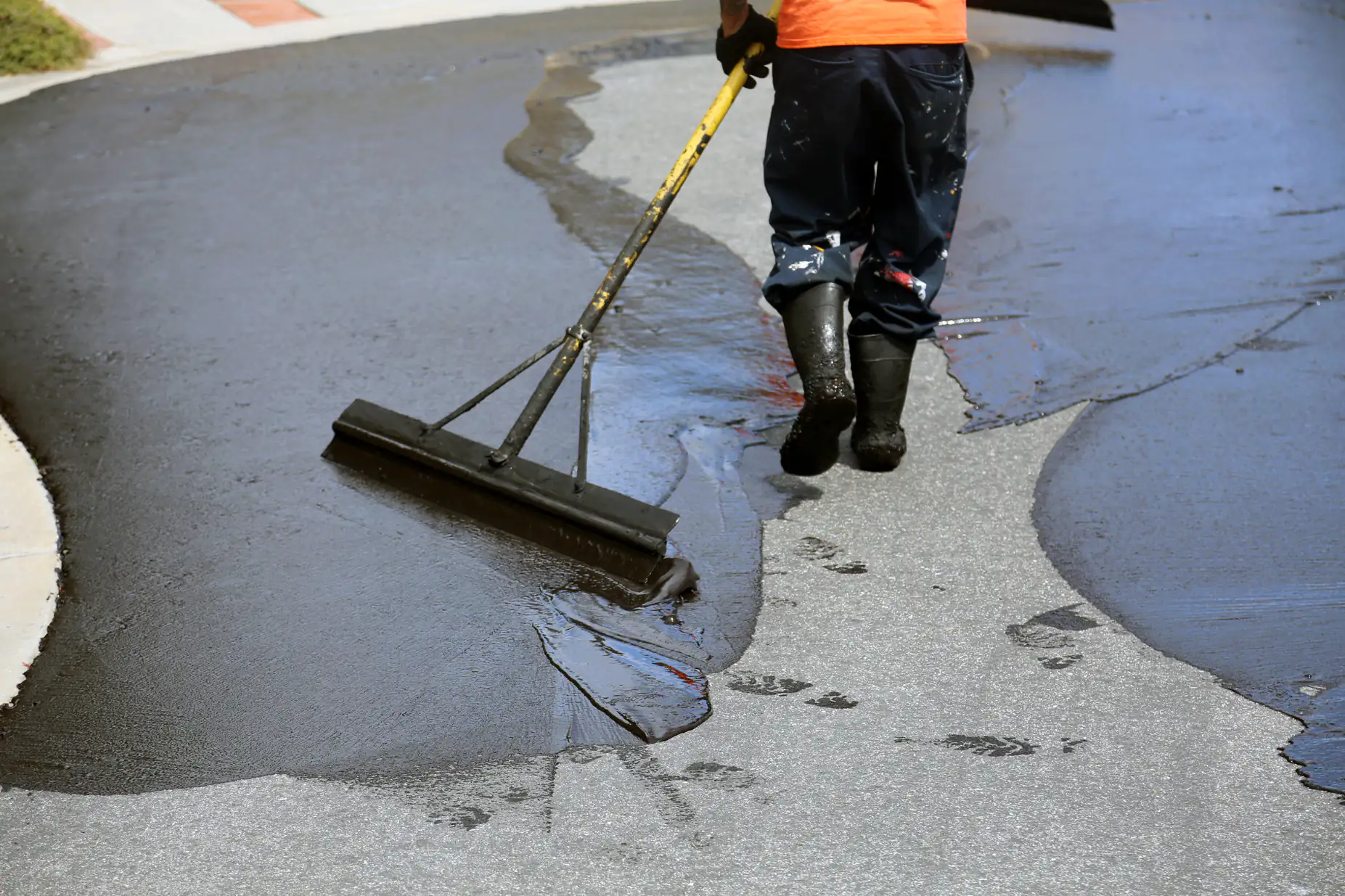
A fresh sealcoat isn’t about making things look nice for a few weeks. It’s about creating a barrier between your asphalt and everything trying to destroy it.
Water is the biggest threat. It seeps into tiny cracks during the day, freezes overnight, and expands by 9%. That’s enough force to split asphalt wide open. This happens dozens of times each winter in Roseland, turning hairline cracks into structural problems by spring.
UV rays break down the asphalt binder that holds everything together. Oil stains eat through the surface. De-icing salts accelerate deterioration. All of this compounds fast without protection.
Sealcoating every 2-3 years stops this cycle. You’re looking at spending $300-500 now versus $5,000+ for repaving three years from now. The math is simple. A well-maintained driveway lasts 20-25 years instead of 12-15. That’s real money saved and zero headaches dealing with emergency repairs when your driveway starts falling apart.
We’ve been handling asphalt maintenance throughout Morris, Somerset, and Sussex Counties since the early 2000s. We’re not new to how North Jersey weather beats up driveways.
Roseland sits right in the heart of our service area. We know the soil conditions, the freeze-thaw patterns, the way spring runoff moves through properties here. That matters when you’re trying to make asphalt last.
We use commercial-grade sealant designed for this climate. Not the cheap stuff that wears off in one season. Our process includes thorough cleaning, crack filling where needed, and application that actually bonds to the surface. You get a 5-year warranty on our work because we’re confident it’ll hold up. Most driveway sealer companies around here won’t put that in writing.
First, we inspect your driveway for damage that needs addressing before we seal. Cracks wider than a quarter-inch get filled. Potholes get patched. Oil stains get treated. Skipping this step is why some sealcoat jobs fail within a year.
Next comes cleaning. We power wash or blow off all dirt, debris, and loose material. The sealant needs clean asphalt to bond properly. If the surface isn’t prepped right, you’re just painting over problems.
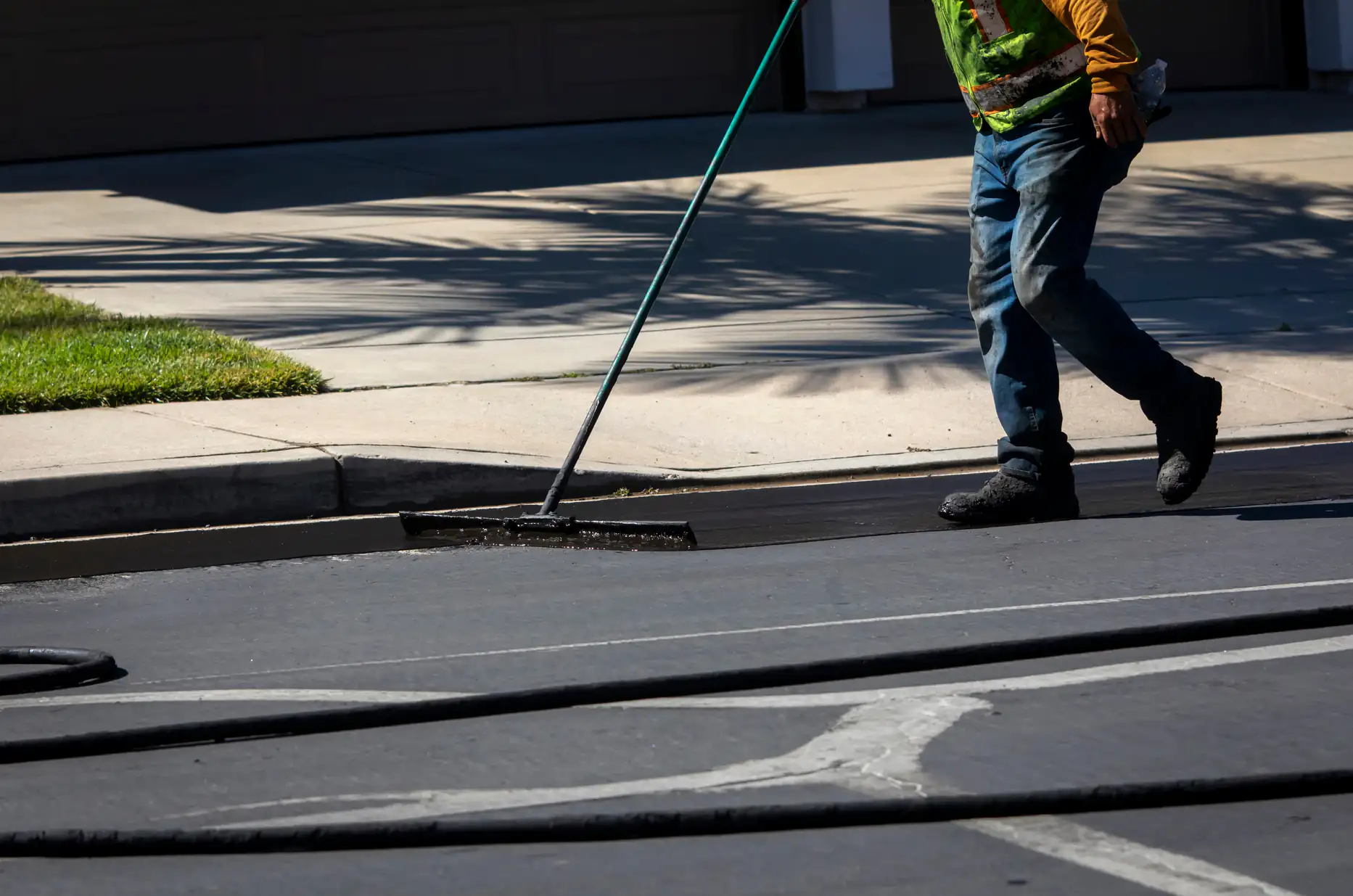
Then we apply the sealcoat. We use commercial-grade material applied in two coats for North Jersey driveways. One coat doesn’t cut it here because of how harsh winters are. The first coat soaks in and fills surface voids. The second coat creates the protective barrier.
Curing takes 24-48 hours depending on temperature and humidity. You can walk on it after 12-24 hours, but keep cars off until it’s fully cured. We schedule around weather to make sure conditions are right. Temperature needs to stay above 50°F, and no rain in the forecast for at least 24 hours after application.
Ready to get started?
Most residential driveways in Roseland run between $300-500 for professional sealcoating. That includes surface prep, crack filling for minor damage, two coats of commercial-grade sealant, and cleanup.
Prices in Morris County run about 15-20% higher than the national average. Labor costs more here, and the climate demands better materials. You need sealant that can handle temperature swings from below zero in January to 95°F in July. Cheap products get brittle in winter and soft in summer heat.
Larger driveways or those with significant cracking cost more. If you’ve got potholes that need patching or edges that are crumbling, that’s additional work beyond standard sealcoating. We’ll tell you upfront what’s needed and what it’ll cost. No surprise charges when the job’s done.
The best time to seal is late spring through early fall when temperatures consistently stay above 50°F. Most homeowners in Roseland schedule between May and October. If you’re seeing new cracks or your driveway’s faded to gray, don’t wait months to call. Spring slots fill up fast, and you’ll pay more for rush scheduling or end up waiting until summer.
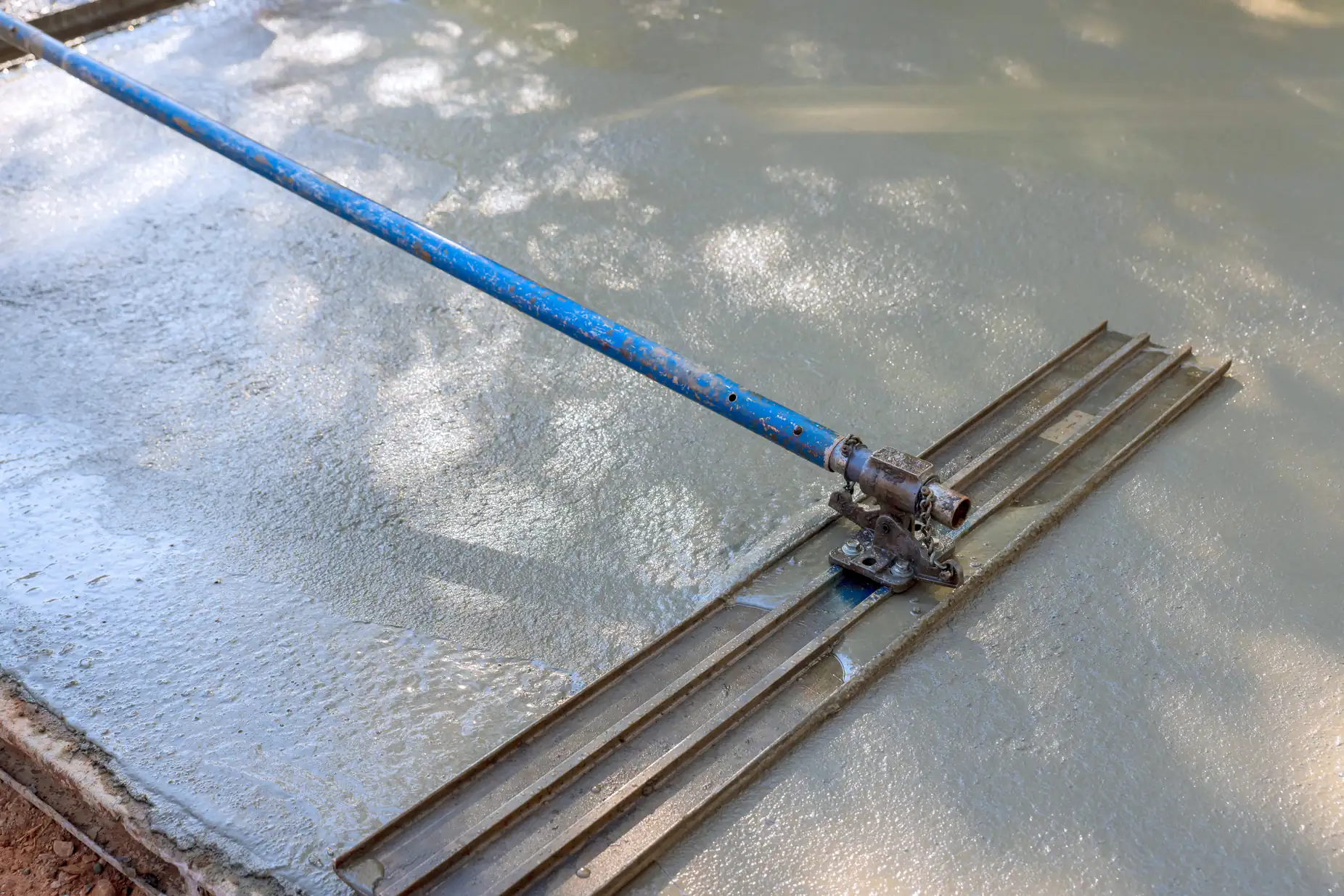
Professional driveway sealcoating in Roseland typically costs between $300-500 for an average residential driveway. That price includes surface preparation, crack filling for minor damage, two coats of commercial-grade sealant, and complete cleanup.
The exact cost depends on your driveway’s size and condition. A standard two-car driveway runs around 600-800 square feet. If you’ve got significant cracking, oil stains, or edge damage, expect to pay more for the prep work needed before sealing.
North Jersey prices run higher than the national average because the climate demands better materials and more thorough application. You need two coats here, not one. Our freeze-thaw cycles are brutal enough that single-coat jobs fail within a year or two. The extra $50-150 for that second coat saves you from having to reseal a year early, so it’s actually cheaper long-term.
Most driveways in Roseland need resealing every 2-3 years. The exact timing depends on how much traffic your driveway gets and how exposed it is to sun and weather.
If your driveway faces south and gets full sun all day, UV damage happens faster. You might need sealing closer to every 2 years. Driveways with heavy vehicle traffic or those used for parking multiple cars daily wear through sealant quicker than ones that see light use.
Watch for these signs it’s time to reseal: the surface has faded from black to gray, water stops beading up and starts soaking in, small cracks are starting to appear, or it’s been more than 3 years since the last application. Waiting too long means you’re paying for crack repairs and patching instead of just preventive sealing. That costs more and takes longer to fix.
Late spring through early fall is ideal for asphalt sealing in New Jersey. You need consistent temperatures above 50°F during application and for 24-48 hours afterward while the sealant cures.
Most contractors in Morris County schedule sealcoating jobs between May and October. June through September are the busiest months because weather is most predictable. Early spring is risky because overnight temperatures can still drop too low. Late fall brings the same problem plus increased chance of rain.
Temperature matters more than most homeowners realize. If it’s too cold, the sealant won’t cure properly and you’ll get a weak bond that fails early. Too hot and it dries too fast, causing surface issues. We check the forecast before every job and reschedule if conditions aren’t right. You’re better off waiting a week for good weather than rushing a job that won’t last.
A properly applied sealcoat lasts 3-4 years in North Jersey when done right with commercial-grade materials and two coats. That’s longer than the 1-2 years you get from single-coat applications or cheap sealant.
The lifespan depends on the quality of materials used and how well the surface was prepped. If the driveway wasn’t cleaned properly or cracks weren’t filled first, the sealcoat fails faster. If the contractor used residential-grade sealant instead of commercial-grade, it breaks down quicker under our climate conditions.
Traffic patterns matter too. The area near your garage where you turn your wheels wears faster than straight sections. Driveways that hold multiple vehicles daily need resealing more often than ones with light use. But even with heavy use, you should get at least 2-3 solid years from a quality sealcoat job before needing to reseal.
Yes, but the cracks need to be filled first before applying sealcoat. Sealing over unfilled cracks is a waste of money because the sealant just bridges over the gap without actually fixing anything. The crack keeps growing underneath and breaks through within months.
Cracks wider than a quarter-inch get filled with hot rubberized crack filler before sealcoating. This material flexes with temperature changes instead of cracking like rigid fillers do. Smaller hairline cracks often get filled by the first coat of sealant, but anything visible needs proper attention.
If your driveway has extensive cracking or areas where the asphalt is crumbling and breaking apart, sealcoating might not be the right solution. At that point you’re looking at patching or potentially repaving sections. We’ll tell you honestly if your driveway is past the point where sealing makes sense. There’s no point spending money on a sealcoat that won’t hold because the underlying asphalt is too far gone.
Yes. North Jersey’s climate is hard enough on asphalt that single-coat sealcoating doesn’t hold up. You’ll end up resealing every year or two instead of every 3-4 years, which costs more over time.
The first coat soaks into the asphalt and fills surface voids and small imperfections. It creates a base layer but doesn’t provide enough protection on its own. The second coat builds the actual protective barrier that blocks water, UV rays, and chemicals from reaching the asphalt underneath.
Some contractors offer single-coat jobs at lower prices to win bids. That’s fine if you want to reseal again next year. But if you want the job to last, two coats is the standard in this region. The extra cost is about $50-150 depending on driveway size. That’s cheaper than paying for a whole new sealcoat job a year early because the single coat wore through.