
Hear from Our Customers
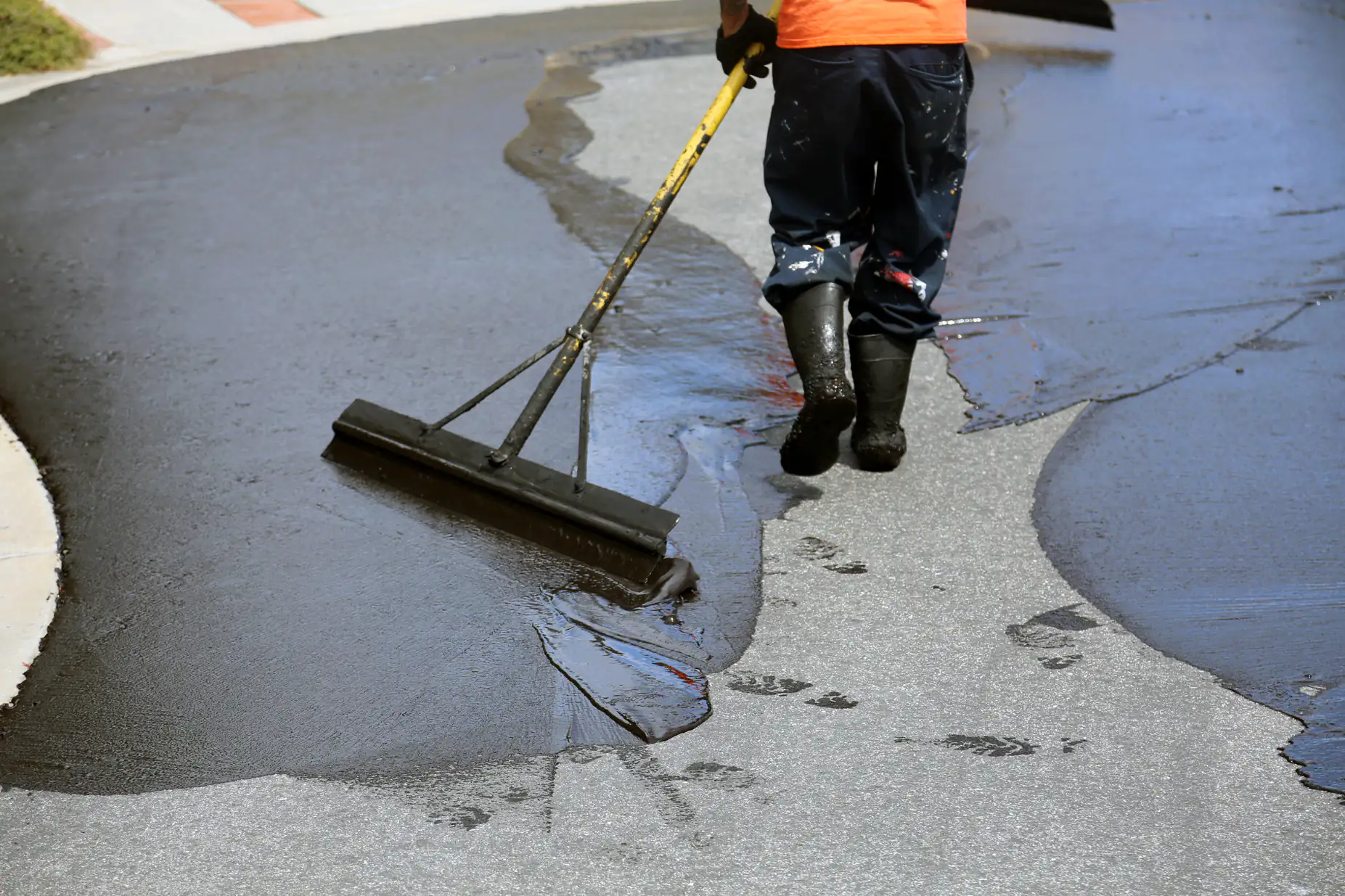
Your driveway takes a beating in Rockaway. Between 40-plus freeze-thaw cycles every winter, road salt eating away at the surface, and summer heat pushing 90 degrees, unsealed asphalt doesn’t stand a chance.
Sealcoating creates a protective barrier that keeps water from seeping into cracks and expanding when it freezes. That’s what causes those potholes and spiderweb patterns you see every spring. It also blocks UV damage that makes asphalt brittle and prone to crumbling.
The difference is measurable. An unsealed driveway in Morris County typically lasts about 15 years before it needs replacement. With regular sealcoating every 3-4 years, you’re looking at 25-30 years from the same asphalt. That’s not marketing talk—that’s what happens when you stop water infiltration and UV breakdown before they start.
You’re also getting your curb appeal back. A fresh sealcoat brings that deep black finish that makes your property look maintained. And when it comes time to sell, buyers notice. A cracked, faded driveway signals deferred maintenance. A sealed one signals the opposite.
We work exclusively in Morris, Sussex, and Somerset Counties. That matters because your driveway isn’t dealing with average weather—it’s dealing with New Jersey’s freeze-thaw cycles, heavy rainfall, and road salt exposure that’s specific to this region.
We’ve been sealing driveways in Rockaway and surrounding towns long enough to know what works and what fails after one winter. We use coal tar and high-performance asphalt emulsion sealers designed for this climate, not the cheap stuff that peels off in sheets by spring.
When you call, you’ll get a callback within 24-48 hours and a straightforward quote with no surprise charges. We’re not the cheapest option in town, and that’s intentional. You’re paying for materials that last and application techniques that actually protect your asphalt.
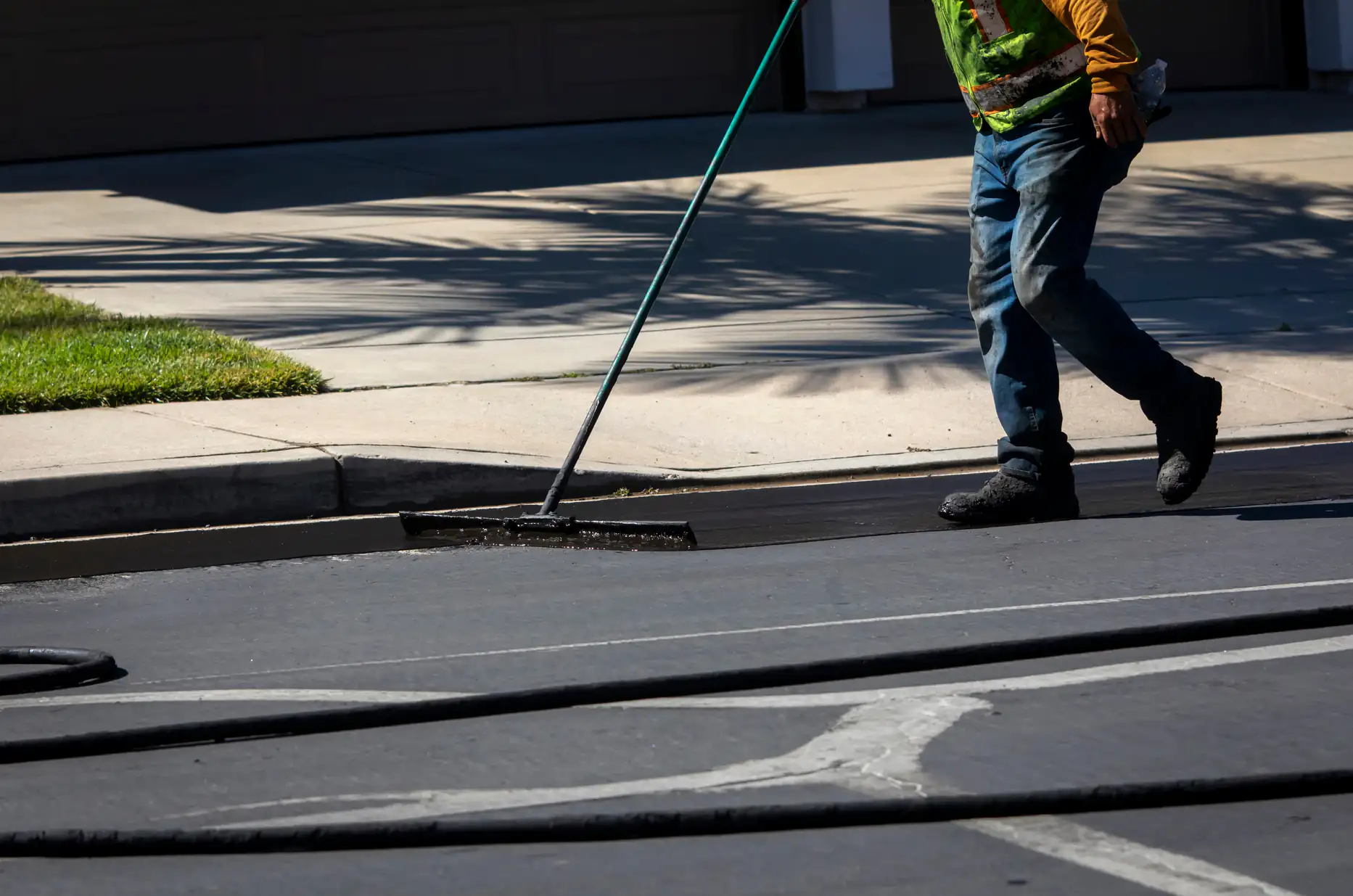
First, we power wash the entire surface to remove dirt, oil, and loose material. Sealer won’t bond to a dirty surface, so this step isn’t optional. If there are oil stains, we prime those spots separately because sealer won’t stick to petroleum residue.
Next comes crack filling with hot rubberized filler. Small cracks turn into big cracks when water gets in and freezes, so we seal them before applying the topcoat. We’re not just smearing sealer over damaged asphalt and calling it done.
Then we apply two coats of sealer. One coat might save you money upfront, but it won’t last through multiple New Jersey winters. Two coats give you a thicker protective layer that holds up for 3-4 years instead of 1-2. We add sand to the final coat for traction, especially important in winter.
The whole process takes about a day for a standard driveway, and you’ll need to stay off it for 24-48 hours while it cures. After that, you’ve got a sealed surface that’s ready to handle whatever weather comes next.
Ready to get started?
Every sealcoating job includes power washing, crack filling, edge trimming, and two coats of premium sealer with sand additive. We’re not skipping steps to hit a lower price point.
For a typical 600 square foot driveway in Rockaway, you’re looking at $180-$270 depending on condition and prep work needed. That’s higher than the national average because labor costs in New Jersey run 15-20% above most states, and the materials we use are designed for harsher conditions than what homeowners in milder climates deal with.
Timing matters here. The best results come from sealing in late spring or early fall when temperatures are consistently between 50-85 degrees. Too cold and the sealer won’t cure properly. Too hot and it dries too fast. Most Rockaway homeowners schedule in April-May or September-October.
If your driveway hasn’t been sealed in 5-plus years, expect to need more prep work. Older asphalt that’s been neglected will have more cracks to fill and possibly some areas that need patching before we can seal. We’ll tell you upfront what’s needed—not after we’ve started the job.
Every 3-4 years is the standard recommendation for driveways in Morris County. That timeline assumes you’re using a two-coat application with quality sealer, not the single-coat budget jobs that wear through faster.
New Jersey’s freeze-thaw cycles are brutal on asphalt. Every time water seeps into your driveway and freezes, it expands and creates more damage. Sealcoating prevents that water infiltration, but the protective layer wears down over time from traffic, weather, and UV exposure.
If your driveway gets heavy use—multiple vehicles, frequent turning, commercial traffic—you might need to seal every 2-3 years. If it’s a low-traffic residential driveway in good condition, you can sometimes stretch it to 4-5 years. The test is simple: if water soaks into the asphalt instead of beading on the surface, it’s time to reseal.
Most residential driveways in Rockaway run between $180-$270 for professional two-coat sealcoating. That’s based on a standard 600 square foot driveway in decent condition. Larger driveways or those needing significant crack repair will cost more.
The per-square-foot rate in New Jersey typically runs $0.15-$0.40 depending on prep work, driveway condition, and sealer quality. You’ll see cheaper quotes from contractors using single coats or lower-grade materials, but those jobs don’t last. You’ll be resealing in 1-2 years instead of 3-4.
Compare that cost to repaving, which runs around $5,000 for the same driveway. Spending $250 every few years to avoid a $5,000 replacement is straightforward math. The ROI on sealcoating is one of the best maintenance investments you can make on your property.
You can buy sealer at any home improvement store, but DIY sealcoating usually doesn’t hold up the way professional applications do. The difference comes down to surface prep, material quality, and application technique.
Most homeowners skip the power washing step or don’t fill cracks properly before sealing. That means the sealer is bonding to dirt and loose material instead of clean asphalt. It’ll start peeling within months. Professional equipment also applies sealer more evenly and at the right thickness—too thin and it wears through fast, too thick and it can crack.
The bigger issue is materials. Box store sealers are formulated for average conditions, not New Jersey’s extreme freeze-thaw cycles. Professional-grade coal tar or high-performance asphalt emulsion sealers cost more but they’re engineered for climates like ours. If you’re going to invest the time in sealing your driveway, using materials that actually last makes sense.
Late spring (April-May) and early fall (September-October) are ideal for driveway sealing in Rockaway. You need consistent temperatures between 50-85 degrees for at least 24-48 hours after application so the sealer can cure properly.
Summer seems like the obvious choice, but temperatures above 85-90 degrees cause sealer to dry too quickly. That leads to poor adhesion and a finish that doesn’t hold up. Winter and early spring are out because cold temperatures prevent proper curing, and you risk rain or frost ruining the application before it sets.
Spring is typically the busiest season because homeowners are assessing winter damage and want to get ahead of summer heat. If you schedule in April or early May, you’ll have more flexibility with dates and sometimes better pricing. By June, most reputable contractors are booked solid through summer.
No. Sealcoating protects the surface of your asphalt—it doesn’t repair structural damage. If you have cracks wider than a quarter-inch or any potholes, those need to be filled before sealing. Otherwise you’re just putting a thin layer over existing damage.
We fill cracks with hot rubberized filler as part of the prep work before applying sealer. That prevents water from getting into those cracks and expanding when it freezes. But if your driveway has significant deterioration—large potholes, crumbling edges, or areas where the base has failed—you’re looking at patching or possibly repaving those sections first.
Sealcoating is preventive maintenance, not damage repair. It works best on driveways that are in decent shape but need protection from further wear. If your asphalt is already severely damaged, sealing won’t fix it. We’ll tell you honestly what’s needed before we start any work.
Coal tar sealer has traditionally been the go-to for New Jersey driveways because it offers better resistance to freeze-thaw cycles, gas and oil stains, and UV damage. It also gives you that darker, richer black finish that lasts longer. The downside is that some Morris County municipalities have restricted or banned coal tar due to environmental concerns about runoff.
Asphalt emulsion sealers have improved significantly in recent years. High-performance formulations now offer comparable protection and durability without the environmental issues. They don’t dry quite as dark as coal tar, but the difference is minimal after a few months of weathering.
Which one we use depends on your location and driveway condition. If coal tar is allowed in your area and your driveway sees heavy use or oil exposure, it’s still the more durable option. If you’re in a restricted zone or prefer an eco-friendlier product, modern asphalt emulsion sealers will protect your driveway just fine. We’ll recommend what makes sense for your specific situation.