
Hear from Our Customers
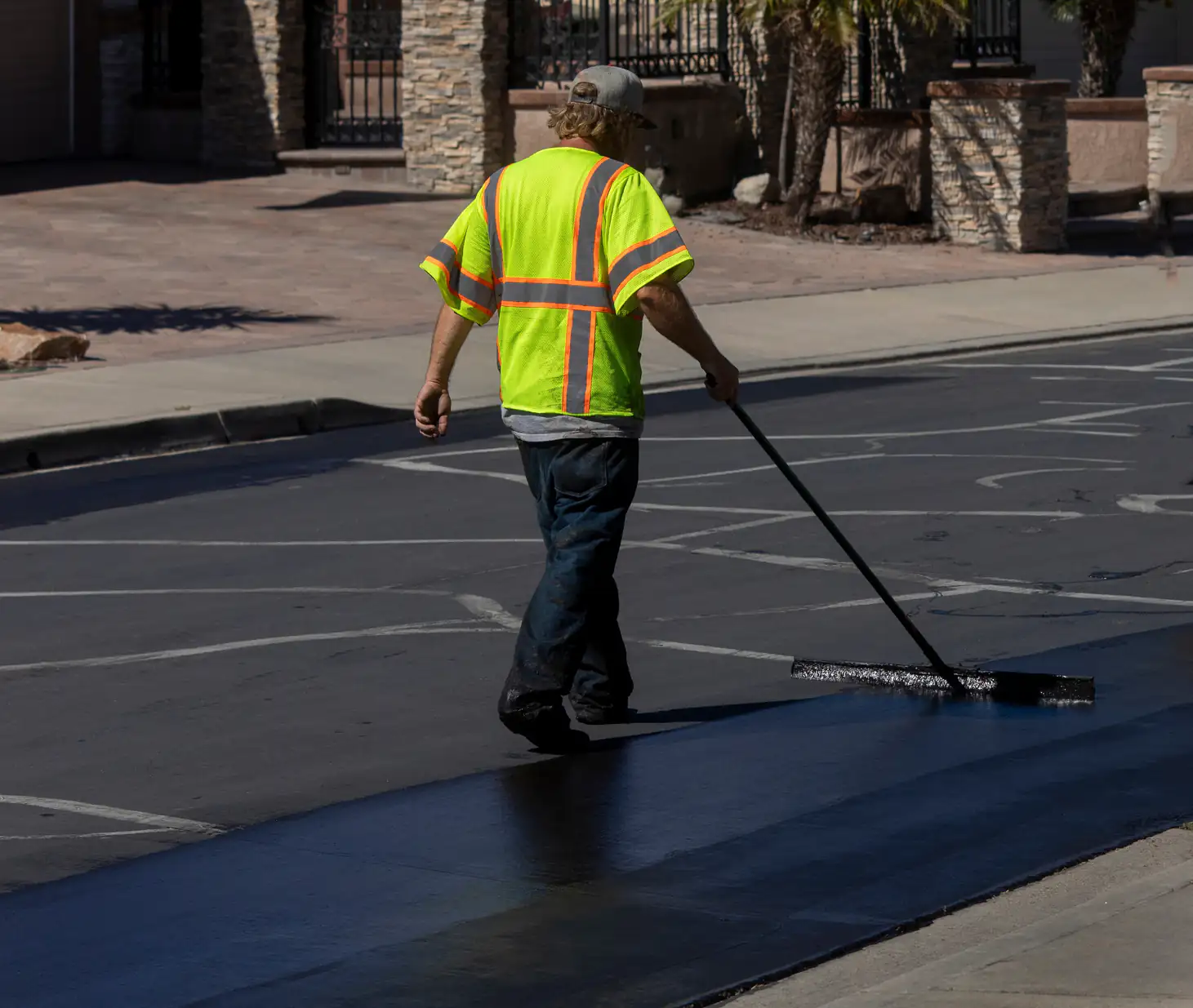
You’re not just getting a darker driveway. You’re creating a waterproof barrier that keeps moisture from penetrating the surface and reaching the base layer where real damage happens.
When water seeps into unsealed asphalt and freezes, it expands. That’s the freeze-thaw cycle everyone talks about, and Somerset County gets hit with it harder than most of New Jersey. Every winter brings dozens of these cycles, each one widening cracks and weakening your driveway’s foundation.
Sealcoating stops that process. It fills surface voids, blocks water penetration, and protects against oil stains and UV damage that break down asphalt binders. The result is a driveway that lasts 25+ years instead of 15, looks better, and saves you from watching small cracks turn into expensive structural problems. That small crack you’re ignoring right now? It won’t stay small through another winter.
We’re based in Dover and have been working in Morris and Somerset County since before most online review sites existed. We’re licensed, insured, and we actually show up when we say we will.
Peapack and Gladstone properties come with their own challenges. Steep driveways, older neighborhood layouts, terrain that requires specific drainage solutions. We’ve seen what works here and what doesn’t, and we’re not interested in shortcuts that create problems two winters from now.
You’re getting contractors who understand that your driveway is one of the first things people see when they visit your home. We use commercial-grade sealers like SealMaster, not the hardware store stuff that wears off in six months. And we give you realistic timelines and upfront pricing, because nobody has time for companies that play games with scheduling or surprise charges.
First, we inspect your driveway for cracks, potholes, and drainage issues. If your asphalt is newer than six months old, we’ll tell you to wait because new asphalt needs three to six months to cure properly before sealing. Sealing too early traps oils that need to evaporate.
Next comes cleaning. We power wash the entire surface to remove dirt, oil, and debris. Sealer won’t bond to a dirty surface, so this step matters more than most homeowners realize. Then we fill cracks with hot rubberized crack filler, not the cold pour stuff that fails after one season.
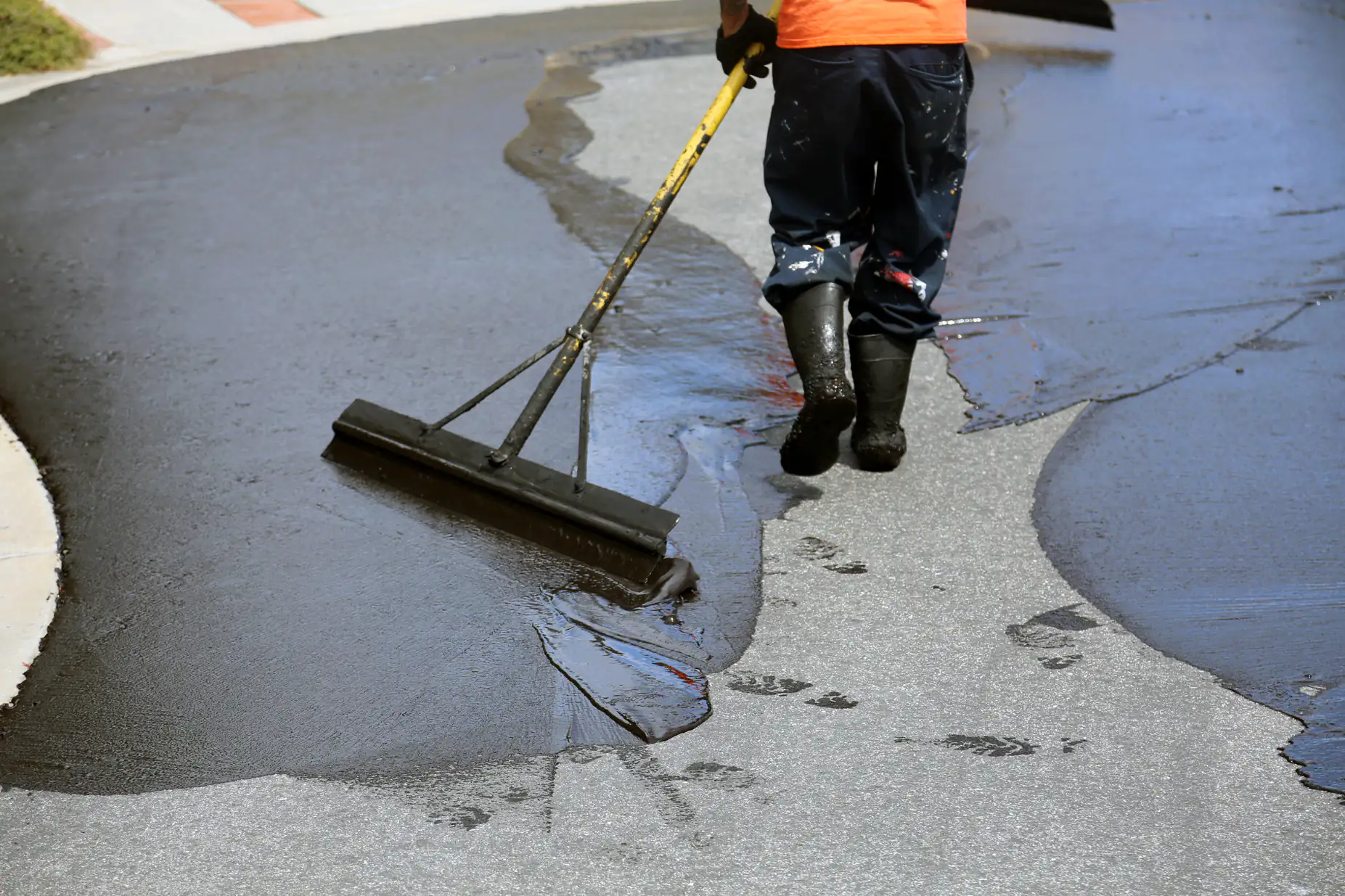
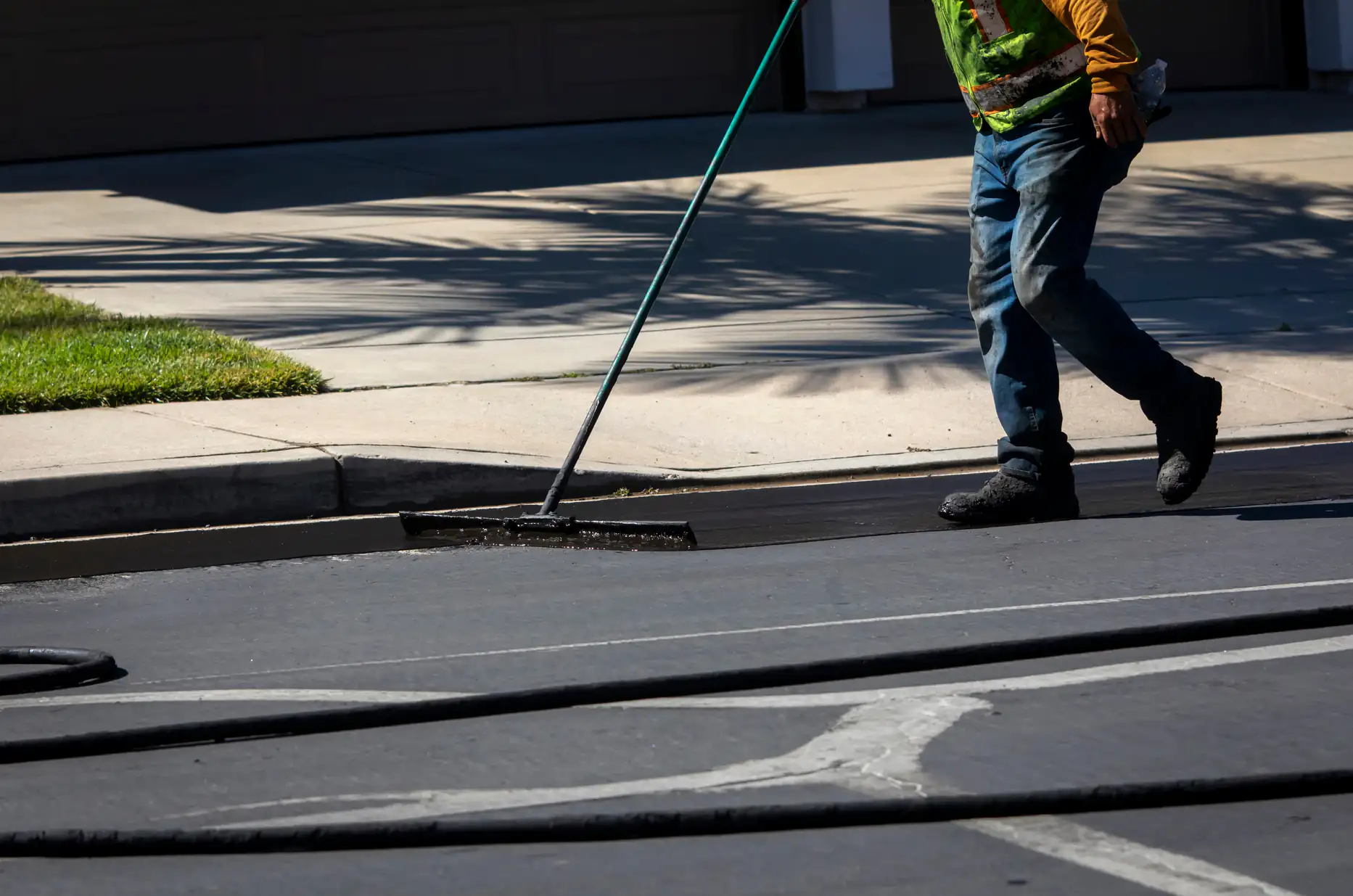
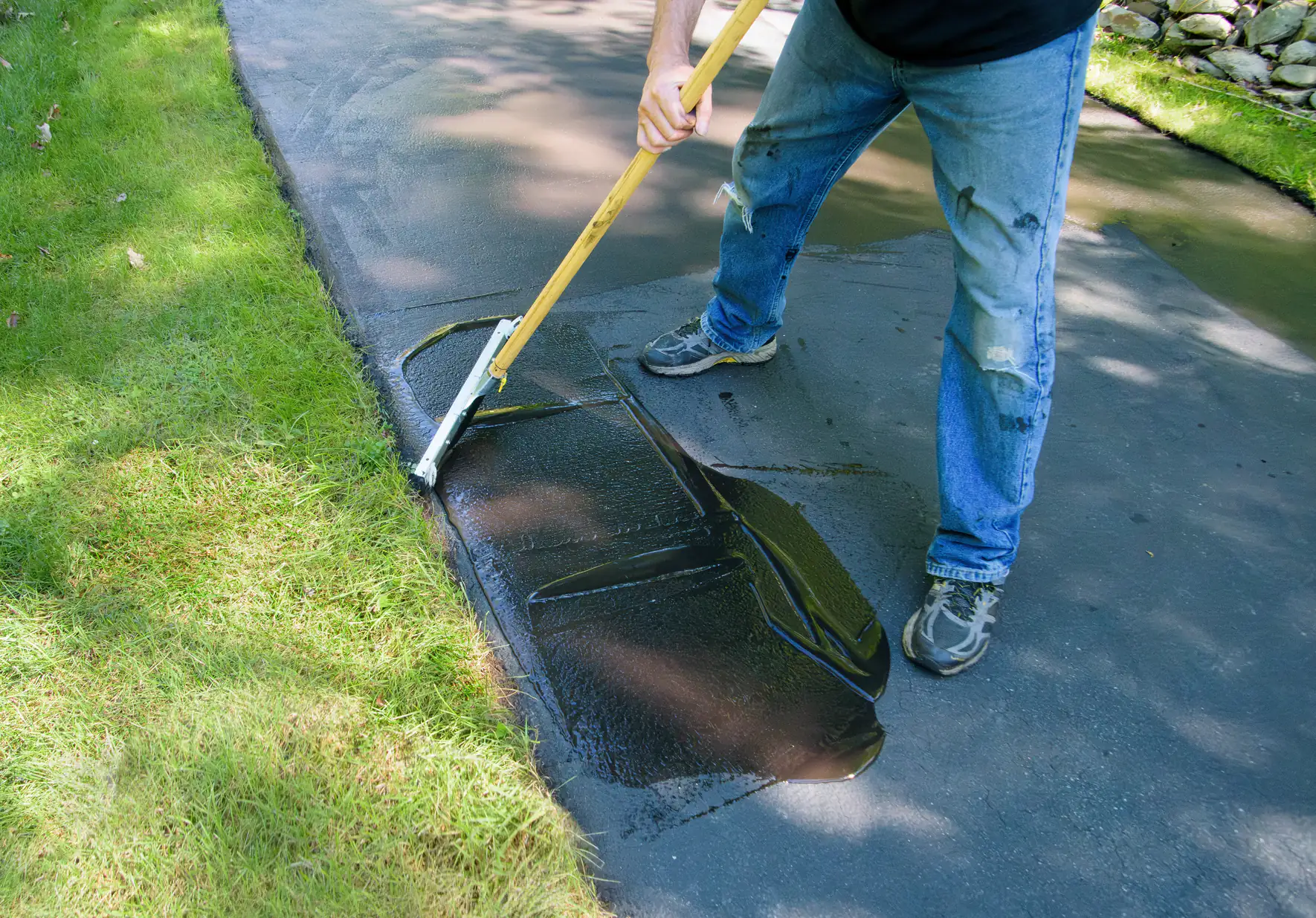
The sealcoating itself goes on in two coats. We use coal tar or asphalt emulsion sealer with sand additive for traction. Application happens with commercial squeegees or spray equipment depending on your driveway’s size and condition. The whole process takes a day, and you’ll need to stay off it for 24 to 48 hours while it cures.
Weather matters. We only seal when temperatures are above 55 degrees and no rain is forecast for at least 24 hours. That’s why the sealing season in New Jersey runs from mid-April through mid-October. Trying to seal outside that window creates problems that show up fast.
Ready to get started?
A standard two-car driveway in Peapack and Gladstone runs about 600 square feet. Professional sealcoating for that size typically costs between $180 and $270 in 2025, depending on condition and prep work needed. That price includes power washing, crack filling up to 50 linear feet, two coats of commercial-grade sealer, sand additive, and a two-year warranty.
Compare that to the cost of letting your driveway go. Repaving that same 600 square foot driveway costs $3,500 to $5,500 in Somerset County right now. New Jersey prices run higher than the national average because of labor costs, permit requirements, and the need for thicker base layers to handle our freeze-thaw cycles.
You’re looking at spending a few hundred dollars every two to three years on maintenance versus several thousand on emergency repairs or full replacement. The math isn’t complicated. Sealcoating extends your driveway’s lifespan from 15 years to 25+ years. That’s real money saved, not marketing talk.
The timing matters too. If you’re seeing small cracks now, sealing before winter prevents them from becoming structural damage. Water gets into those cracks, freezes, expands, and turns minor surface issues into foundation problems. Fixing that costs exponentially more than preventing it.
Every two to three years is the standard recommendation, but it depends on your driveway’s exposure and use. If you park multiple vehicles daily, have a south-facing driveway that gets constant sun, or use de-icing salt heavily in winter, you might need sealing closer to every two years.
The sealer itself wears down from traffic, weather, and UV exposure. You’ll know it’s time when the rich black color fades to gray and the surface starts looking dry or weathered. Some homeowners wait until they see cracks forming, but that’s waiting too long because now you’re repairing damage instead of preventing it.
New driveways are different. If your asphalt was just installed, wait at least three to six months before the first sealcoating. Fresh asphalt needs time to cure and release oils. Sealing too early traps those oils and prevents proper curing, which actually shortens your driveway’s lifespan.
Coal tar sealer offers better protection against gas and oil stains, superior resistance to New Jersey’s freeze-thaw cycles, and a richer black finish that lasts longer. It’s more durable but takes longer to dry and has a stronger odor during application.
Asphalt emulsion sealer is more environmentally friendly, dries faster, and has less odor. It works well for driveways that don’t see heavy oil exposure or extreme weather stress. The tradeoff is that it typically doesn’t last quite as long as coal tar in harsh conditions.
For Peapack and Gladstone driveways, we usually recommend coal tar because Somerset County weather is tough on asphalt. You’re dealing with significant temperature swings, heavy moisture, and freeze-thaw cycles that demand the most durable protection available. The goal is maximum lifespan, not just a quick cosmetic fix that looks good for six months.
You can buy sealer at any hardware store, but the results usually show it. DIY sealcoating often fails because homeowners skip proper surface prep, use consumer-grade products that don’t hold up, apply it too thin or too thick, or seal in weather conditions that prevent proper curing.
We use commercial-grade sealers that aren’t available at retail stores. We have the equipment to clean surfaces properly, fill cracks with hot rubberized material that actually lasts, and apply sealer at the right thickness with proper coverage. We also know when conditions aren’t right for sealing and will reschedule rather than do a job that fails in six months.
The cost difference isn’t as big as you’d think when you factor in equipment rental, materials, and your time. More importantly, a professional job lasts two to three years while DIY applications often start failing after one winter. You end up spending more money over time by trying to save money upfront. If your driveway represents a $4,000 to $5,000 asset, protecting it properly makes sense.
Sealcoating protects your driveway’s surface, but it’s not a structural repair. Small cracks get filled as part of the prep work before sealing, but larger cracks, potholes, and base failures need actual repair first. Trying to seal over serious damage just hides the problem temporarily.
We fill cracks up to about a half-inch wide with hot rubberized crack filler before sealcoating. That material flexes with temperature changes and prevents water penetration. Anything wider than that, or areas where the base has failed and you’re seeing potholes, requires patching with new asphalt before we seal.
The inspection we do before starting tells you what you’re dealing with. If your driveway needs significant repairs, we’ll tell you upfront and explain what’s required. Sometimes it makes sense to repair and seal. Other times, if damage is extensive enough, repaving becomes the smarter investment. We’re not interested in selling you sealcoating if it’s not going to solve your actual problem.
Plan on staying off your driveway for 24 to 48 hours after sealcoating. The actual dry time depends on temperature, humidity, and sun exposure. Hot, dry, sunny weather means faster curing. Cool, humid, or overcast conditions take longer.
You’ll be able to walk on it after about 24 hours in good conditions, but don’t drive on it yet. Vehicle traffic is heavier and can leave tire marks or scuff the surface if the sealer hasn’t fully cured. Wait the full 48 hours before parking cars or allowing any vehicle traffic.
We schedule jobs when the forecast shows at least 24 hours of dry weather with temperatures above 55 degrees. Rain during the curing process ruins the application and means starting over. That’s why we’re careful about weather timing and won’t start a job if conditions aren’t right, even if it means rescheduling. Better to wait a few days than do it wrong and have it fail.
It’s not marketing. Unsealed asphalt typically lasts 15 to 20 years in New Jersey before needing replacement. Properly maintained asphalt with regular sealcoating lasts 25 to 30 years. The difference is whether you’re protecting the surface from water penetration, UV damage, and chemical breakdown.
Asphalt deteriorates because water gets into small surface voids and cracks, then freezes and expands during winter. Each freeze-thaw cycle makes the damage worse. UV rays from sun exposure dry out the asphalt binders that hold everything together, making the surface brittle. Oil and gas spills break down those same binders chemically.
Sealcoating creates a protective barrier against all three of those threats. It’s not a miracle product, but it’s proven preventive maintenance that costs about 5% of what replacement costs. The key is doing it regularly, not waiting until your driveway is already falling apart. By then you’re managing damage instead of preventing it, and the economics change completely.