
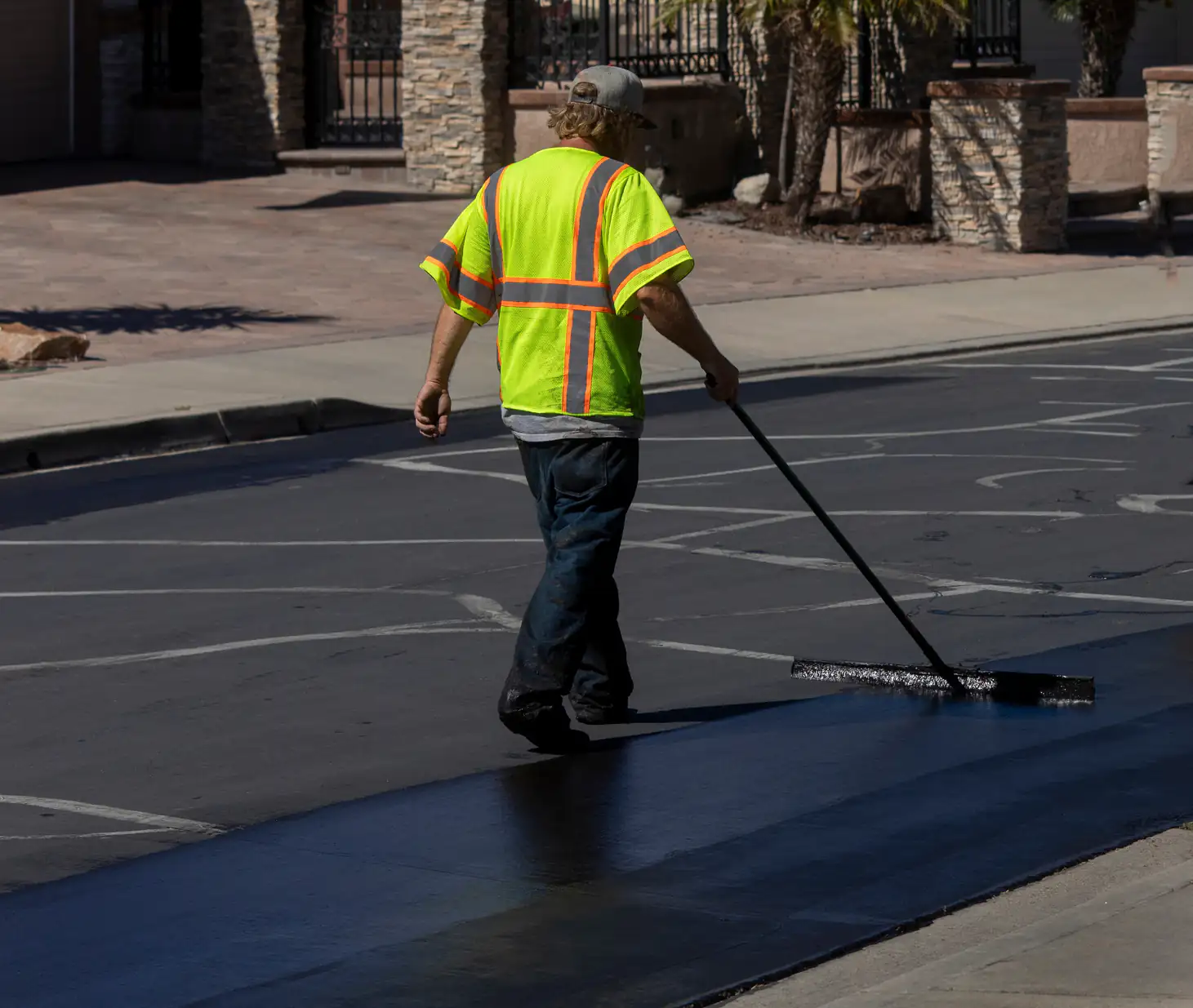
Hear from Our Customers
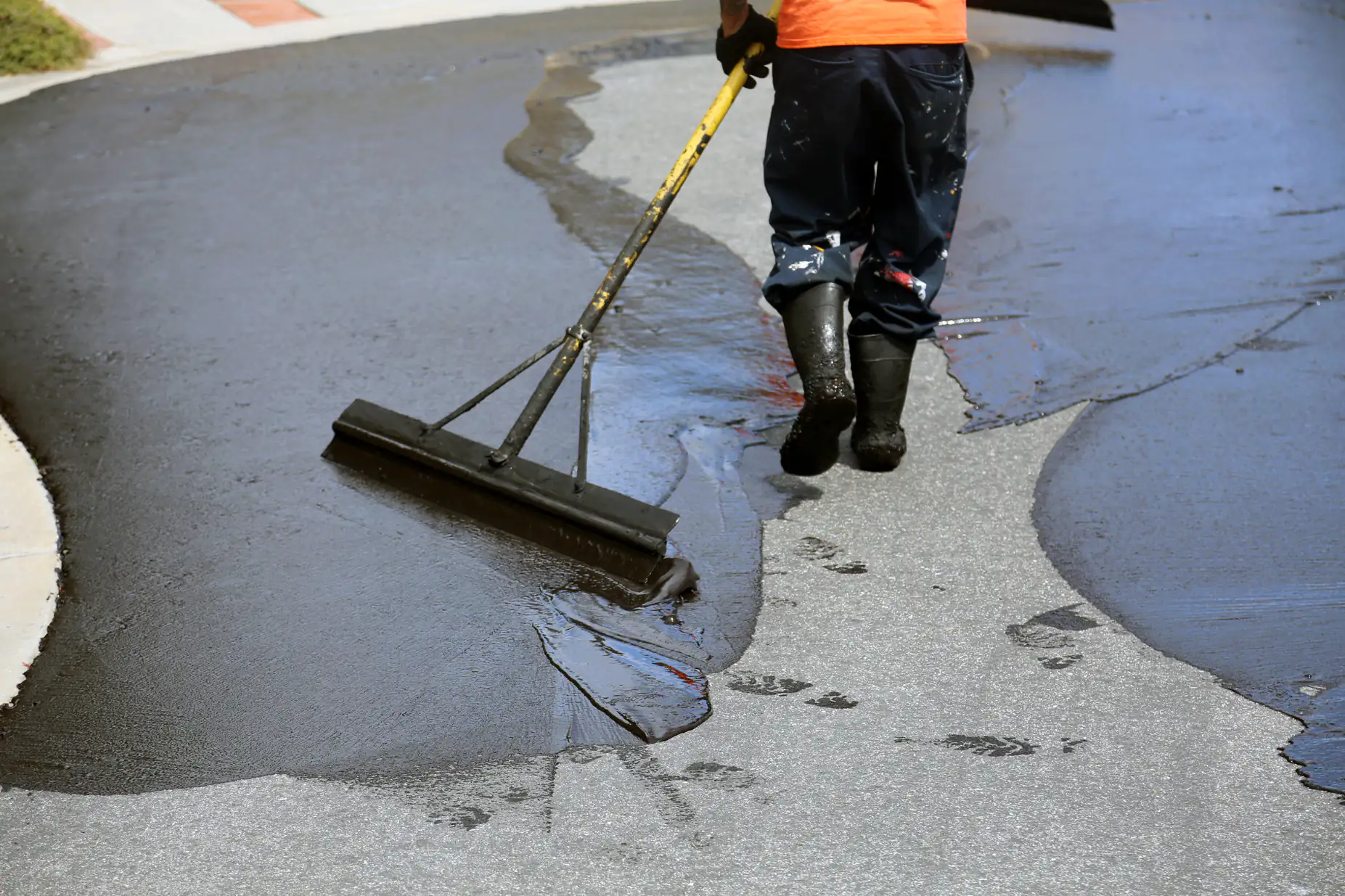
You’re not just getting a darker driveway. You’re getting a waterproof barrier that stops moisture from infiltrating your asphalt before winter hits.
When water seeps into those hairline cracks and freezes, it expands. That expansion creates bigger cracks. Those bigger cracks let in more water. The cycle repeats 40 to 50 times every winter in our area, and by spring, you’re looking at damage that costs real money to fix.
Professional sealcoating blocks that infiltration completely. The surface stays protected through every temperature swing, every snowfall, every freeze. Your driveway enters winter ready, and it comes out the other side without new damage to repair.
That $300 sealcoat job you’re considering? It’s preventing the $1,500 crack repair you’ll need next spring. Or the $5,000 repaving job three years from now. A well-maintained asphalt driveway lasts 15 to 20 years. Without sealcoating, you’re looking at 8 to 12 years before replacement.
The math isn’t complicated. Protection now costs less than repairs later.
Ogdensburg sits in a weather pattern that’s particularly brutal on asphalt. You’re dealing with elevation changes that intensify freeze-thaw cycles, clay-heavy soils that retain moisture longer, and temperature swings that happen more frequently than in surrounding areas.
We’ve worked in Morris County and Sussex County for over 20 years. We know how your soil drains, how your winters behave, and what it takes to make asphalt last here. That’s not marketing language—it’s the difference between sealcoating that fails in two years and protection that holds up for four.
You’ll work with us as contractors who understand why fall timing matters in this specific area, what materials perform best in your climate, and how to prep surfaces so the sealer actually bonds instead of peeling away after one winter.
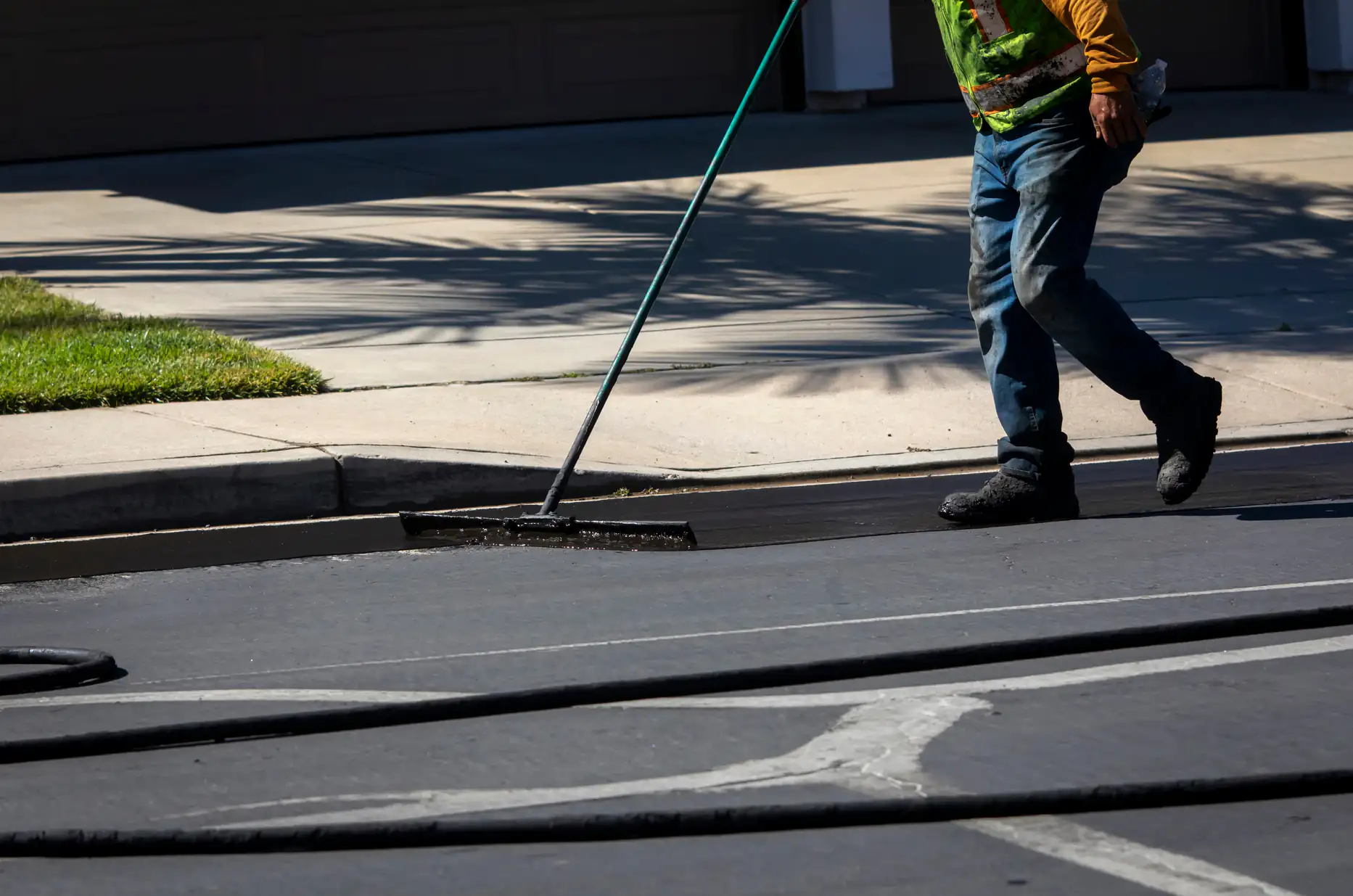
First, we clean your driveway completely. Oil spots, dirt, vegetation—anything that would prevent the sealer from bonding gets removed. This step matters more than most homeowners realize because sealer won’t stick to contaminated surfaces.
Next, we fill every crack with hot-pour rubberized material heated to 400 degrees. This isn’t the cold-pour stuff from hardware stores that shrinks and pulls away in months. This material stays flexible through temperature changes and bonds permanently with your existing asphalt.
Then we apply two coats of commercial-grade sealer with UV inhibitors. One coat gives you maybe two years of protection. Two coats give you three to four years. The sealer needs 24 to 48 hours to cure, depending on temperature and humidity, so we’ll let you know exactly when you can use your driveway again.
The entire process takes one day for most residential driveways. You’ll schedule around your availability, and we’ll show up when we say we will.
Ready to get started?
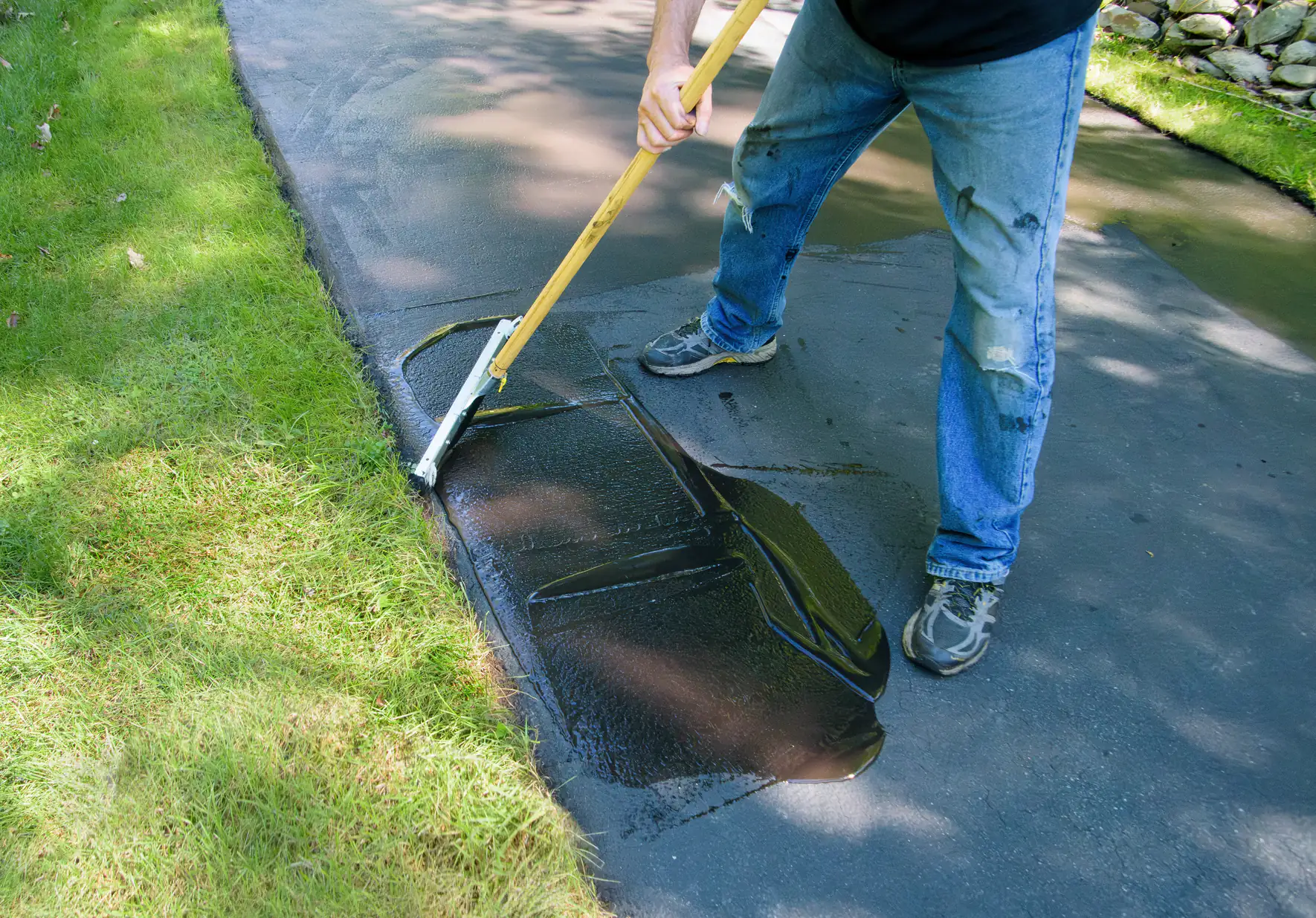
You’re getting a complete protection system, not just a coat of black sealer. That includes crack filling with professional-grade materials, surface cleaning and prep, two coats of sealer with UV protection, and edging that keeps your lawn and landscaping clean.
In Ogdensburg specifically, we adjust our approach based on your property’s drainage patterns and sun exposure. North-facing driveways need different attention than south-facing ones. Properties with poor drainage require extra prep work. We account for these factors because they directly affect how long your sealcoating lasts.
The sealer we use contains additives that help snow and ice melt faster. Your dark, sealed surface absorbs more solar energy than untreated asphalt, which means less time shoveling and less time corrosive salt sits on your driveway.
You’ll also get clear pricing upfront. Most residential driveways in this area run between $200 and $500 for complete sealcoating, depending on size and condition. We’ll give you an exact number before we start, and that’s what you’ll pay—no surprise charges for “extra” work that should have been included from the beginning.
Fall is your optimal window, specifically September through early November. You need temperatures consistently above 50 degrees for proper curing, and you need at least 24 hours without rain.
Spring seems logical, but you’re rushing to seal before summer heat arrives, and you’re often dealing with lingering moisture in the asphalt from winter. Summer works, but then you’re going into winter with a sealer that’s only a few months old instead of fully cured and tested.
Fall sealcoating gives you a fully cured, waterproof barrier right before winter hits. Your driveway is protected through the entire season of freeze-thaw cycles, and the sealer has maximum time to bond and harden before facing its first real stress test. That timing difference adds months or even years to how long your sealcoating lasts.
Two coats of quality sealer last three to four years on residential driveways in this area. One coat might give you two years if you’re lucky.
That lifespan assumes proper application on a clean, prepped surface. If someone just sprays sealer over dirt and oil spots, or if they use cheap materials, you’ll see failure much sooner—peeling, cracking, and worn-through spots within the first year.
Climate matters significantly here. Our freeze-thaw cycles are harder on sealcoating than sustained cold would be. UV exposure breaks down sealer over time. Road salt is corrosive. These factors are why we use commercial-grade materials with UV inhibitors rather than basic residential sealer. The upfront cost difference is minimal, but the performance gap is substantial.
You can, but the cost savings are smaller than you think, and the performance gap is significant. DIY sealcoating typically costs $100 to $150 in materials for an average driveway. Professional work runs $200 to $500.
The difference is in longevity and effectiveness. Hardware store products are cold-pour formulas that don’t bond as well or last as long as professional hot-applied materials. They lack the UV protection and flexibility needed for our climate. Most DIY jobs fail within one to two winters, meaning you’re reapplying every other year instead of every three to four years.
You’re also doing your own crack filling, which is where most DIY attempts really fall short. Cold-pour crack filler shrinks and pulls away from asphalt edges within months. Professional hot-pour rubberized filler stays flexible and bonded through temperature changes. That difference determines whether your cracks stay sealed or continue expanding through winter.
Your asphalt oxidizes and becomes brittle. UV rays break down the binders that hold aggregate together. The surface turns gray and starts to crack. Water infiltrates those cracks, and freeze-thaw cycles make them worse every winter.
Small cracks become large cracks. Large cracks become potholes. Edges start to crumble. Within a few years, you’re looking at repairs that cost significantly more than preventive sealcoating would have. Within 8 to 12 years, you’re replacing the entire driveway.
The financial impact is straightforward. An unsealed driveway that needs replacement at year 10 costs you $5,000 or more. A sealed driveway that lasts 18 years with $400 in sealcoating every four years costs you $1,800 in maintenance over that same period. You’re spending less and getting more usable life from your asphalt.
Most residential driveways run $200 to $500 for complete sealcoating with crack filling and two coats of sealer. The range depends on driveway size, current condition, and how much crack repair is needed.
A small, well-maintained driveway might cost $200. A large driveway with significant cracking could run $500 or more. Properties with oil stains require extra prep work, which adds to the cost. Driveways with drainage issues might need additional attention to prevent future problems.
For context, sealcoating costs $0.15 to $0.40 per square foot in New Jersey. Our prices run slightly higher than national averages because labor costs are higher here, and our climate demands better materials. You’re paying for performance that actually holds up through our winters, not just the cheapest option that fails in a year.
Yes, but not immediately. New asphalt needs six to twelve months to cure before sealcoating. The oils in fresh asphalt need time to evaporate and harden. If you seal too early, you trap those oils and prevent proper curing.
After that initial curing period, sealcoating becomes essential maintenance. Even new asphalt is vulnerable to UV damage, water infiltration, and oxidation. Starting a regular sealcoating schedule early—within the first year—maximizes your driveway’s lifespan.
Think of it like changing oil in a new car. The car runs fine without it for a while, but skipping that maintenance shortens its life significantly. Your new driveway represents a substantial investment, typically $3,000 to $7,000 or more. Spending $300 every few years to protect that investment makes financial sense.