
Hear from Our Customers
Your driveway takes a beating every single year. New Jersey winters hit hard with freeze-thaw cycles that crack asphalt wide open. Summer heat oxidizes the surface and makes it brittle. Rain seeps into tiny cracks and expands when it freezes, turning small problems into expensive ones.
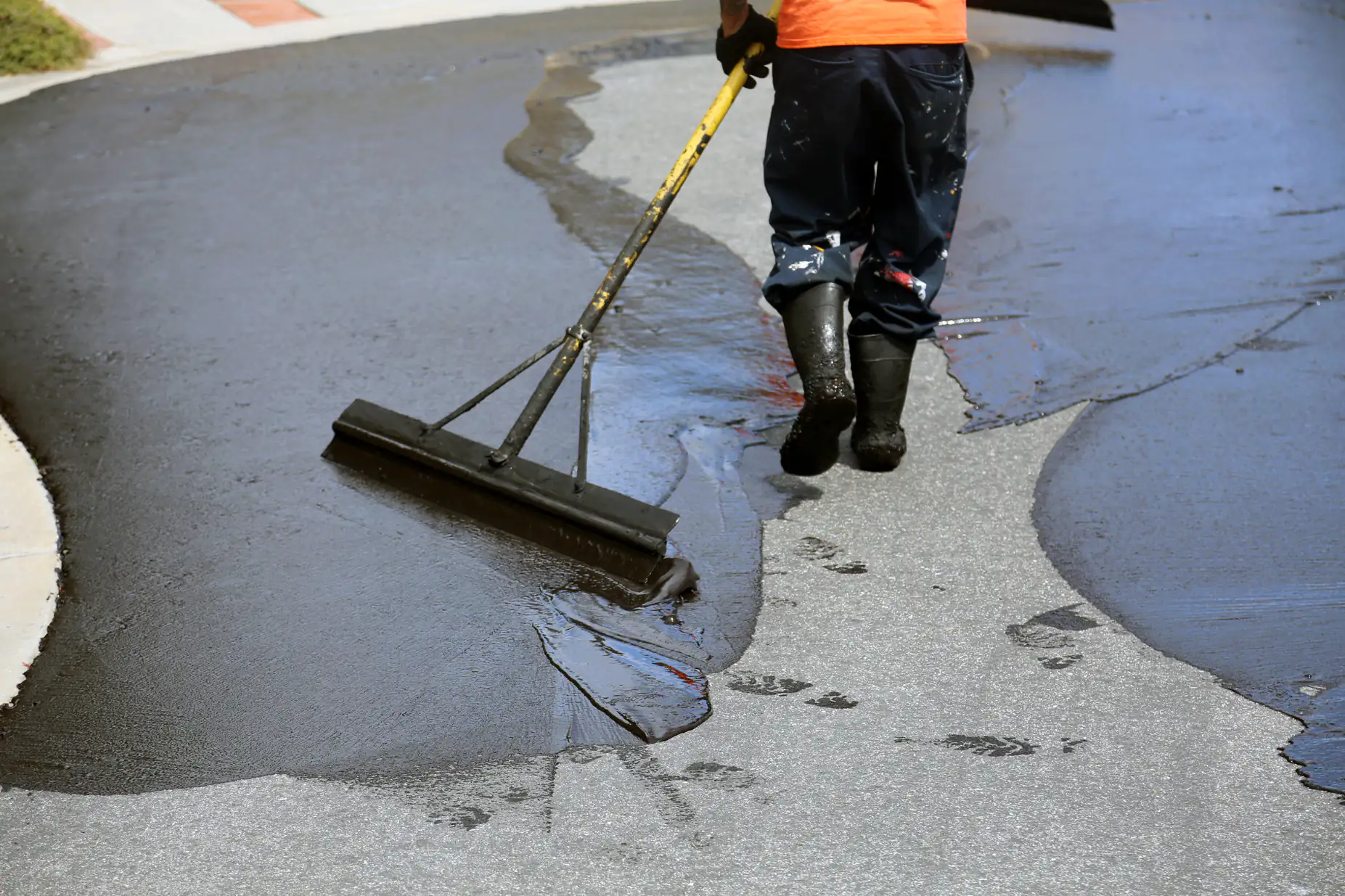
Sealcoating creates a protective barrier that blocks water, resists UV damage, and keeps chemicals from eating away at your asphalt. You’re looking at extending your driveway’s lifespan from the typical 15 years to 25 years or more. That’s the difference between replacing your driveway when your kids are in middle school versus when they’re out of college.
The cost comparison isn’t even close. Sealcoating runs between $200 and $500 every few years. A full driveway replacement in Morris County? You’re looking at $3,000 to $7,000 or more depending on size. The math is simple, but only if you act before the damage gets too deep.
We’ve been working in Morris County for over 20 years. We’re a third-generation, family-owned contractor, which means we’ve seen what works and what fails in New Jersey’s climate. We’re not experimenting on your property.
Oak Ridge sits right in the heart of our service area. We know the soil conditions, the drainage issues that pop up around here, and how brutal the winters get when you’re this close to the highlands. That local knowledge matters when you’re trying to protect asphalt that has to survive temperature swings from 95 degrees in July to 10 below in January.
We use professional-grade equipment and high-quality sealant. No shortcuts, no watered-down products. You get a callback within 24 to 48 hours when you request a quote, and we show up when we say we will.
First, we inspect your driveway to see what condition it’s in. If there are cracks that need filling, we handle those first because sealcoating over damaged asphalt is pointless. We’re looking at the foundation, drainage patterns, and any areas where water tends to pool.
Next comes cleaning. Your driveway needs to be completely clear of dirt, oil, debris, and vegetation. We use professional equipment to make sure the sealant actually bonds to the asphalt instead of sitting on top of a layer of grime.
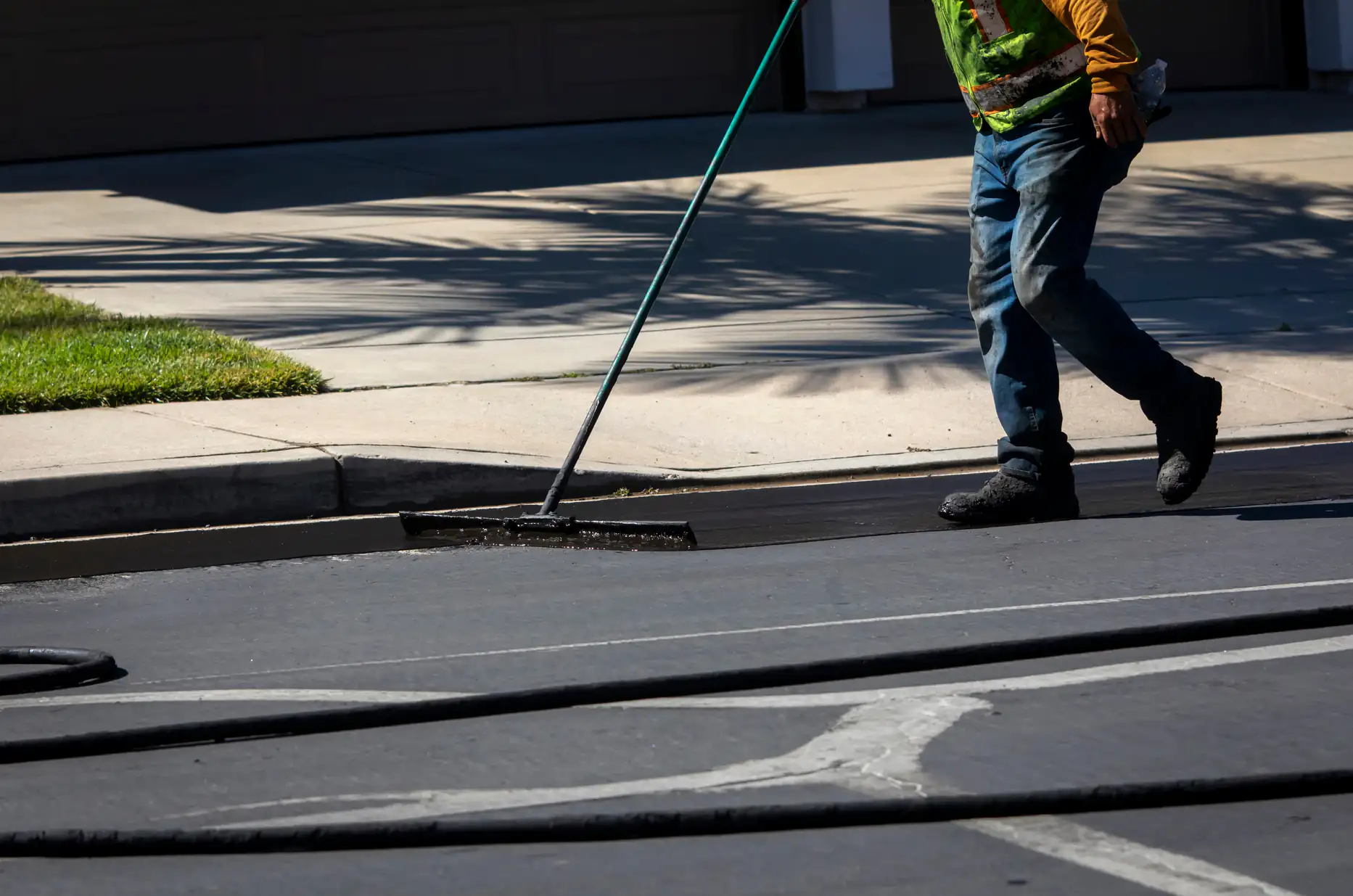
Then we apply the sealcoat using commercial-grade applicators. We’re not rolling out a thin layer and calling it done. The application needs to be even, thorough, and thick enough to actually protect the surface. Depending on temperature and humidity, your driveway typically needs 24 to 48 hours to cure before you can drive on it.
The ideal temperature range for sealcoating is between 50 and 85 degrees, which is why fall is usually the best time to get this done in Oak Ridge. You want it to cure properly before winter hits.
Ready to get started?
Professional asphalt driveway sealing includes crack filling, surface preparation, thorough cleaning, and two coats of commercial-grade sealant. You’re not just getting a cosmetic upgrade. You’re getting a protective system that blocks water infiltration, resists oil and gas spills, and protects against road salt damage.
In Oak Ridge and the surrounding Morris County area, driveways face specific challenges. The freeze-thaw cycle here is relentless. Water gets into small cracks, freezes overnight, expands, and turns those cracks into potholes by spring. Sealcoating prevents that water from ever getting below the surface.
You’ll also notice your driveway looks dramatically better. That rich, dark black finish doesn’t just improve curb appeal, it actually helps snow and ice melt faster because the dark surface absorbs more heat. That means less time shoveling and less exposure to the elements that cause damage.
Most driveways need resealing every two to three years depending on traffic and weather exposure. It’s a small maintenance cost that prevents massive repair bills. You’re investing in protection, not just appearance.
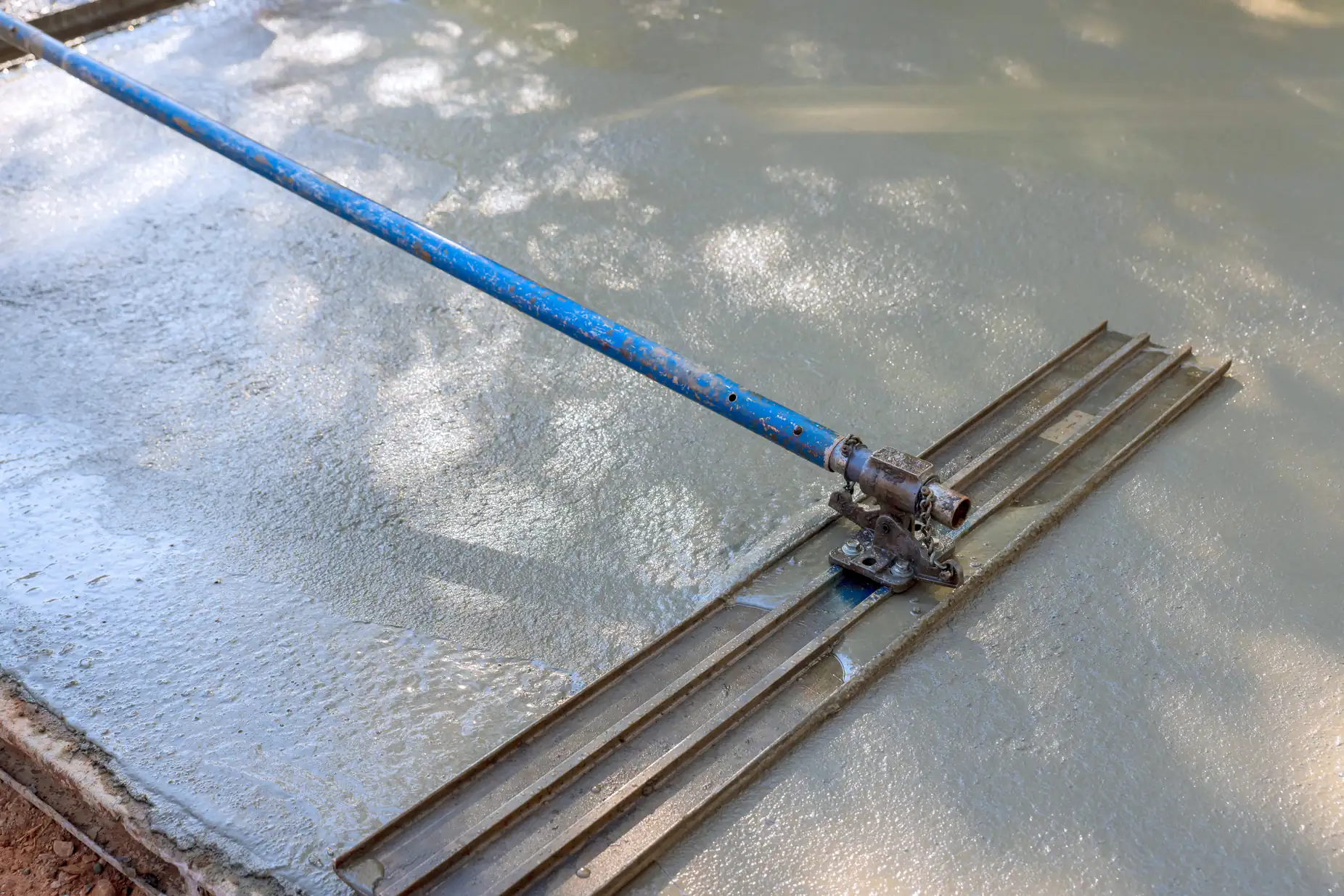
Professional driveway sealcoating in the Oak Ridge area typically costs between 15 and 30 cents per square foot. For an average two-car driveway around 600 square feet, you’re looking at somewhere between $200 and $500 depending on the condition of your asphalt and whether crack filling is needed first.
That price includes surface preparation, cleaning, crack repair if necessary, and application of commercial-grade sealant. If someone quotes you significantly less, ask what they’re cutting. Cheap sealcoating usually means watered-down product, no crack prep, or rushed application that won’t last.
The return on that investment is significant. Sealcoating every few years can extend your driveway’s life from 15 years to 25 years or more. Compare that to the $3,000 to $7,000 you’d spend on a full replacement, and the math makes sense pretty quickly.
Fall is typically the best time for driveway sealing in Oak Ridge. You need temperatures consistently between 50 and 85 degrees, and the surface needs to stay dry for at least 24 to 48 hours after application. Fall gives you moderate temperatures, lower humidity, and less chance of surprise rainstorms.
Spring can work too, but you’re racing against unpredictable weather and you want to give the sealant time to cure before summer heat sets in. Summer is possible but the heat can make application tricky and the curing process faster than ideal.
Never seal your driveway in winter or when temperatures drop below 50 degrees at night. The sealant won’t cure properly and you’ll end up with a mess that doesn’t protect anything. If your driveway is brand new, wait at least 90 days before sealing to let the asphalt fully cure first.
Professional sealcoating typically lasts two to three years in New Jersey’s climate. That timeline depends on how much traffic your driveway gets, how harsh the winters are, and whether you’re dealing with heavy shade that keeps moisture on the surface longer.
You’ll know it’s time to reseal when the surface starts looking faded or gray instead of deep black. Small cracks might start appearing, or you’ll notice the texture getting rougher. Those are signs the protective layer is wearing down and it’s time for another application.
Some homeowners try to stretch it to four or five years, but that’s usually a mistake. By the time the surface looks really worn, water has already started penetrating and causing damage below. Staying on a regular two-to-three-year schedule is cheaper than letting it go and dealing with bigger repairs later.
Yes, but the cracks need to be filled first. Sealcoating goes over the surface but it’s not thick enough to fill cracks. If you just seal over cracks without filling them, water will still get through and the damage will continue underneath your fresh sealcoat.
Professional crack filling uses rubberized crack filler that flexes with temperature changes. We clean out the cracks, fill them properly, let them set, and then apply the sealcoat over the entire surface. That gives you a watertight barrier that actually protects your driveway.
If your driveway has major structural damage, deep potholes, or widespread alligator cracking, sealcoating won’t fix it. At that point you’re looking at more extensive repairs or possibly replacement. But for typical hairline cracks and minor surface damage, crack filling plus sealcoating will add years to your driveway’s life.
Sealcoating is a protective coating applied to the surface of existing asphalt. It’s preventive maintenance that costs a few hundred dollars and protects against water, UV damage, and chemicals. You’re adding a thin protective layer, not replacing anything.
Resurfacing means removing the top layer of damaged asphalt and applying a new layer of hot mix asphalt over the existing base. It’s more expensive, usually $2 to $4 per square foot, but it’s necessary when your driveway has significant surface damage that sealcoating can’t fix.
Think of sealcoating like applying sunscreen. Resurfacing is more like getting a skin graft. If you maintain your driveway with regular sealcoating every few years, you can often avoid resurfacing altogether. But if you’ve neglected it and the damage is deep, sealcoating won’t be enough.
Sealcoating is functional protection, not just cosmetic. Yes, your driveway will look better, but that’s a side benefit. The real value is in blocking water infiltration, preventing oxidation, and protecting against chemicals and salt damage.
Water is the enemy of asphalt. When it seeps into the surface and freezes, it expands and creates cracks. Those cracks let in more water, which causes more damage, and the cycle continues until you’re looking at potholes and structural failure. Sealcoating stops that cycle before it starts.
In Oak Ridge’s climate, unsealed driveways typically last 12 to 15 years before they need replacement. Properly maintained driveways with regular sealcoating can last 25 years or more. The cost difference between spending $300 every few years versus $5,000 for a new driveway is significant. You’re not paying for appearance, you’re paying for protection that saves you money long-term.