
Hear from Our Customers
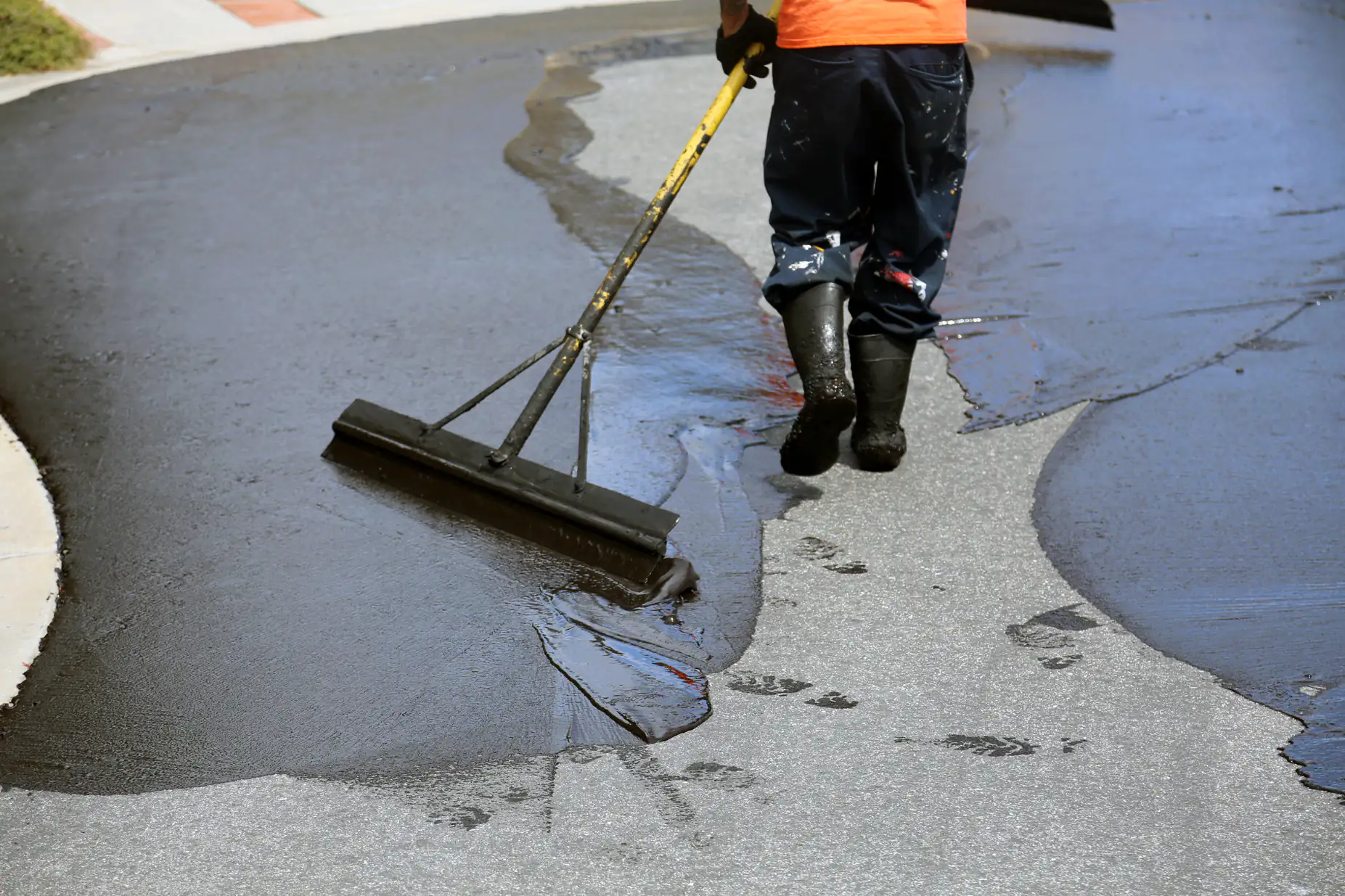
Your driveway takes a beating in Mount Hope. Water seeps into hairline cracks during the day, freezes overnight when temperatures drop, and expands with enough force to turn small fissures into major problems by spring.
Professional sealcoating creates a protective barrier that keeps water out and extends your asphalt’s lifespan by 60%. That’s the difference between replacing your driveway in 15 years versus 25 years.
The math is straightforward. A sealcoat application costs a few hundred dollars and prevents repairs that run into the thousands. Most Morris County driveways need sealing every three to five years depending on traffic and weather exposure. Miss that window and you’re looking at crack filling, patching, or complete resurfacing much sooner than necessary.
Sealed driveways also shed snow and ice faster, resist oil and gas stains better, and maintain that fresh black appearance that keeps your property looking sharp. It’s not just about protection—it’s about maintaining value in a market where even a 1% dip in curb appeal can cost you over $5,000 on a typical Morris County home.
We’ve been handling asphalt maintenance across Morris, Sussex, and Somerset Counties for over 20 years. We’re family-owned, fully licensed and insured, and we’ve seen what works and what fails in North Jersey’s climate.
We’re not the cheapest option in Mount Hope, and that’s intentional. You’re paying for materials that actually hold up through multiple freeze-thaw cycles, equipment that applies sealer at the right thickness, and a crew that knows the difference between a quick cosmetic fix and real protection.
Most of our work comes from repeat customers and referrals throughout Morristown, Dover, Parsippany, and the surrounding towns. That doesn’t happen by accident. It happens when you show up on time, do the work right, and stand behind it with a real warranty.
We start with a thorough inspection of your driveway’s current condition. Cracks get filled first—up to 50 linear feet is included in most jobs. Trying to seal over unfilled cracks is like painting over rot. It might look better temporarily, but the problem’s still there.
Next comes power washing to remove dirt, oil residue, and any loose material. Sealer won’t bond properly to a dirty surface, and shortcuts here mean premature failure. We let everything dry completely before moving forward.
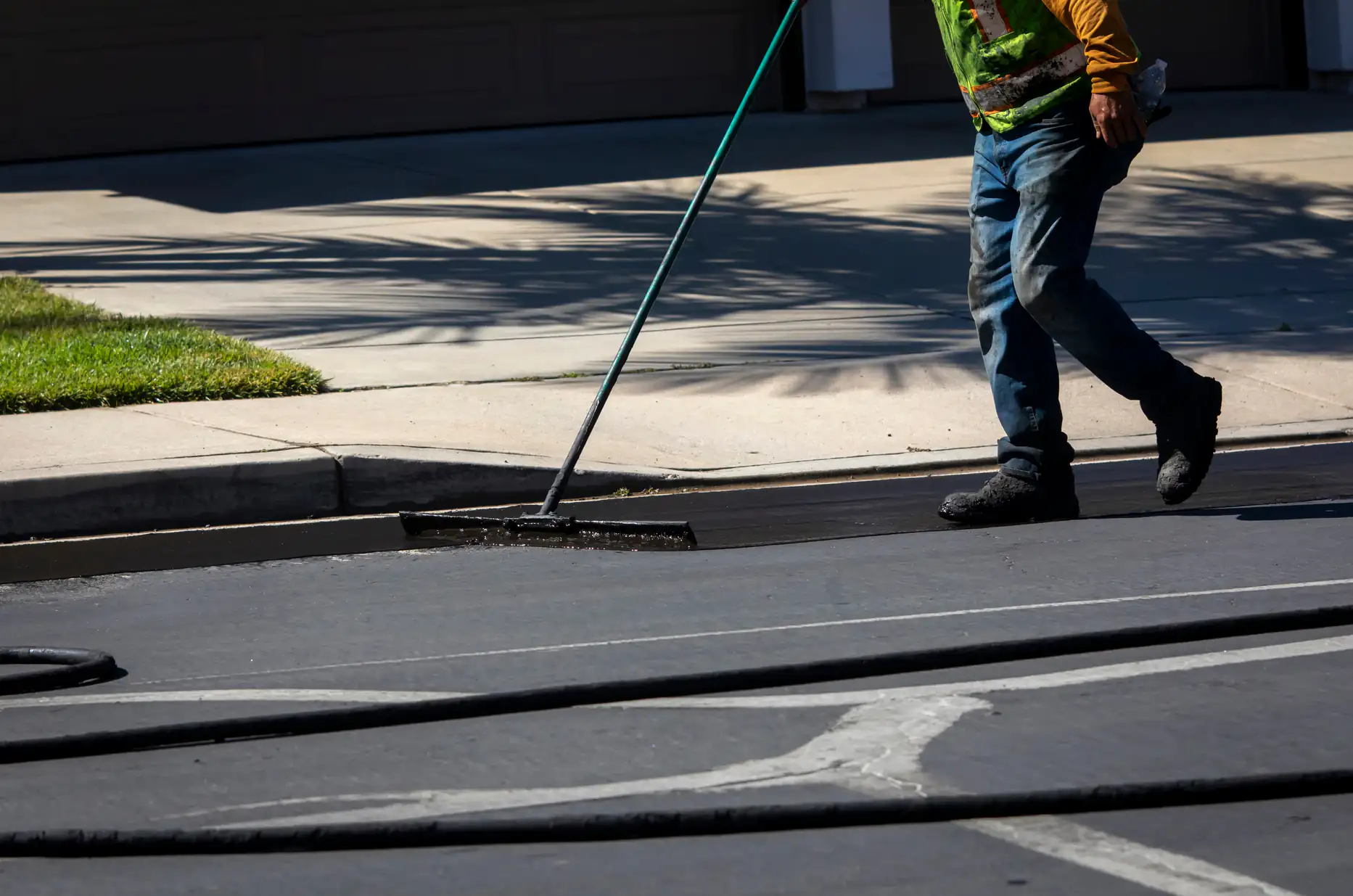
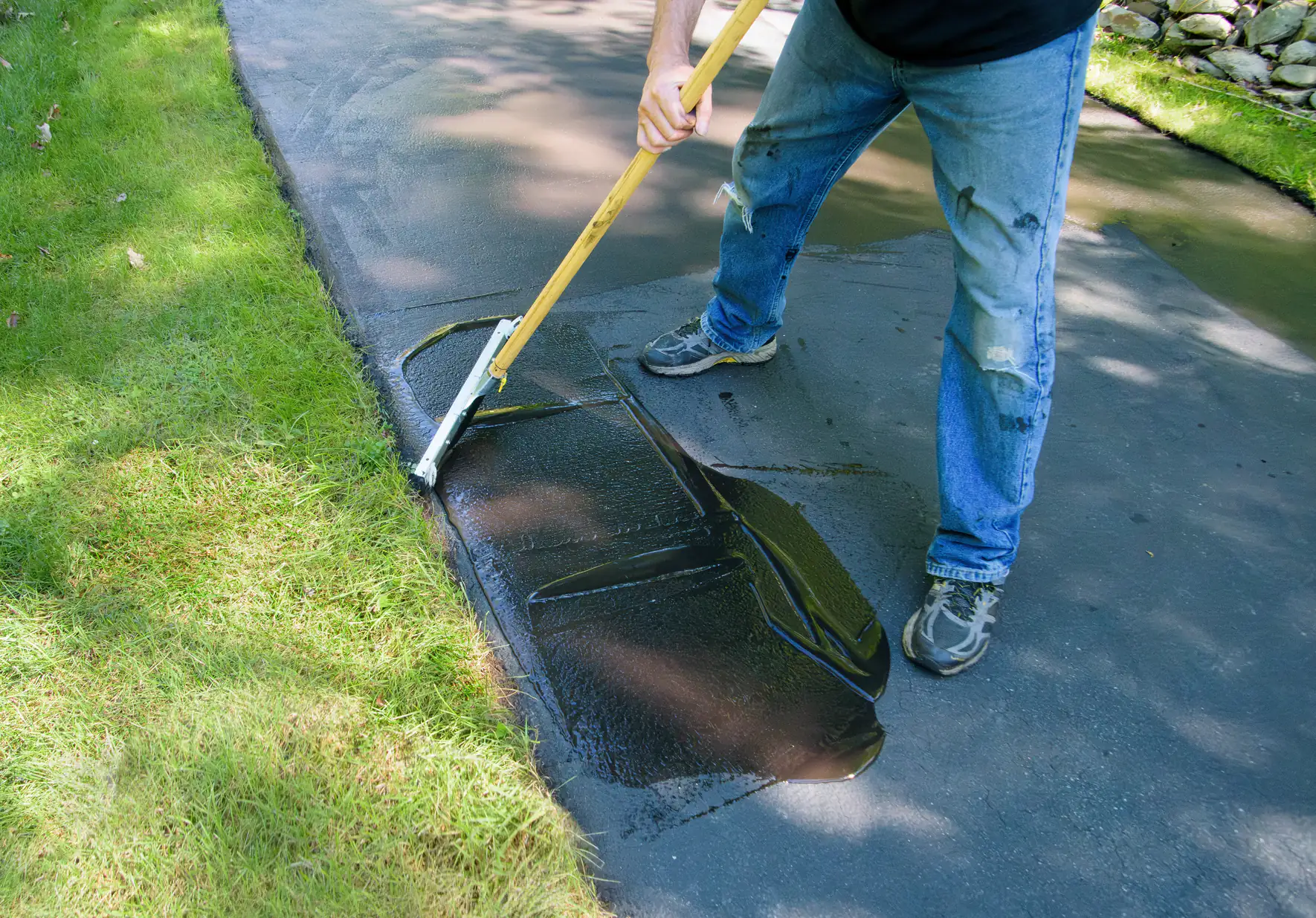
Then we apply two coats of commercial-grade sealer with a sand additive for traction. The first coat penetrates and bonds. The second coat builds thickness and provides the weather barrier that actually protects your asphalt. We use coal tar or asphalt-based sealers depending on your municipality’s regulations and your driveway’s specific needs.
Drying time depends on temperature and humidity, but you’re typically looking at 24 to 48 hours before you can drive on it. We’ll give you specific guidance based on the forecast. Rush the cure time and you’ll end up with tire marks and a compromised seal.
Ready to get started?
A complete sealcoating job includes crack filling, power washing, two coats of sealer, and sand additive for slip resistance. Most residential driveways in Mount Hope run between $300 and $600 depending on size and condition.
New Jersey pricing runs about 15-20% higher than national averages, and there’s a reason for that. Our climate is harder on asphalt than most of the country. The materials need to be tougher, the application needs to be precise, and the labor costs reflect the skill required to do it right.
Fall is the ideal time for sealcoating in Morris County. Temperatures are moderate, humidity is lower, and you’re getting ahead of winter damage instead of reacting to it in spring. We recommend completing the work by mid-October at the latest to ensure proper curing before the first freeze.
You’ll also want to know about material choices. Coal tar sealers offer superior protection against gas and oil stains and hold up better in freeze-thaw cycles, but some municipalities have restrictions. Asphalt-based sealers are more environmentally friendly and still provide solid protection when applied correctly. We’ll walk you through what makes sense for your specific situation and local regulations.
Most driveways in Mount Hope need sealing every three to five years. That range depends on a few factors: how much traffic your driveway sees, whether it’s shaded or in full sun, and how well the previous sealcoat was applied.
Driveways with heavy vehicle traffic or constant sun exposure break down faster and may need attention closer to the three-year mark. Lightly used driveways in shaded areas can often stretch to five years between applications.
Here’s a simple test: if water soaks into your asphalt instead of beading up on the surface, it’s time to reseal. Waiting too long means water penetrates deeper, freeze-thaw damage accelerates, and you end up spending more on repairs than you would have on preventive sealing.
Crack filling addresses structural damage—it’s a repair. Sealcoating is preventive maintenance that protects the entire surface. You need both, but they serve different purposes.
Cracks allow water to penetrate down to the base material underneath your asphalt. Once water reaches the base and freezes, you’re looking at heaving, settling, and eventually potholes. Crack filler is a rubberized material that stays flexible through temperature changes and keeps water out of those vulnerable spots.
Sealcoating goes over the entire driveway surface and protects against UV damage, water penetration, and chemical spills. It won’t fix existing cracks—it just makes them less visible temporarily. That’s why proper crack filling comes first, then sealcoating. Skip the crack filling and you’re wasting money on a cosmetic fix that won’t address the real problem.
You can, but the results usually don’t last. Hardware store sealers are thinner, the coverage rates are inconsistent, and the application tools aren’t designed for even distribution. Most DIY jobs fail within a year or two.
Commercial-grade sealers have higher solids content, which means better protection and longer life. Professional equipment applies the material at the right thickness—not too thin where it won’t protect, and not too thick where it won’t cure properly.
There’s also the prep work. Power washing equipment that actually removes embedded dirt and oil costs more than most homeowners want to invest for a single use. Same with proper crack filling materials and application tools. By the time you factor in your time, equipment rental, and materials, you’re often within a couple hundred dollars of professional work that comes with a warranty and actually lasts.
A properly applied sealcoat typically lasts three to five years in New Jersey’s climate. That’s shorter than warmer states because our freeze-thaw cycles are brutal on any pavement surface.
The lifespan depends heavily on application quality. Two thin coats with proper drying time between them will outlast a single thick coat every time. Material quality matters too—commercial-grade sealers with higher solids content simply hold up better than budget products.
Traffic and sun exposure also play a role. A driveway that sees multiple vehicles daily or sits in full sun will break down faster than a lightly used, shaded driveway. You’ll know it’s time to reseal when water stops beading on the surface and starts soaking in, or when the black color fades to gray. Waiting until you see significant cracking means you’ve waited too long.
Late summer through early fall is ideal for driveway sealing in Mount Hope. You want consistent temperatures above 50 degrees, low humidity, and no rain in the forecast for at least 24 hours after application.
Spring seems like an obvious choice, but Morris County weather is too unpredictable. A surprise cold snap or rain shower can ruin a fresh sealcoat. Summer works, but extreme heat can make the sealer dry too fast and not bond properly.
Fall gives you stable conditions and gets your driveway protected before winter damage starts. We typically recommend completing sealcoating work by mid-October at the latest. That gives the sealer time to fully cure before the first freeze. Sealing too late in the season means the material won’t cure properly, and you’ll end up with premature failure come spring.
Yes, by a significant margin. Industry data shows that properly maintained asphalt can last 25 years or more, while neglected asphalt typically fails around 15 years. Sealcoating is the single most cost-effective maintenance step you can take.
The protection works on multiple levels. Sealcoating blocks UV rays that break down the petroleum binders in asphalt, keeps water from penetrating the surface and causing freeze-thaw damage, and resists oil and gas stains that deteriorate asphalt over time.
The cost difference is dramatic. Regular sealcoating every three to five years might run you $2,000 to $3,000 over a 20-year period. Replacing a failed driveway runs $5,000 to $10,000 or more depending on size. The math isn’t complicated—preventive maintenance costs a fraction of replacement, and you get years of additional life from your existing pavement.