
Hear from Our Customers
Your driveway isn’t just sitting there looking pretty. It’s getting hammered by freeze-thaw cycles, UV rays, water infiltration, and everything else North New Jersey throws at it. Every season that goes by without protection means more oxidation, more brittleness, and more cracks forming in places you can’t even see yet.
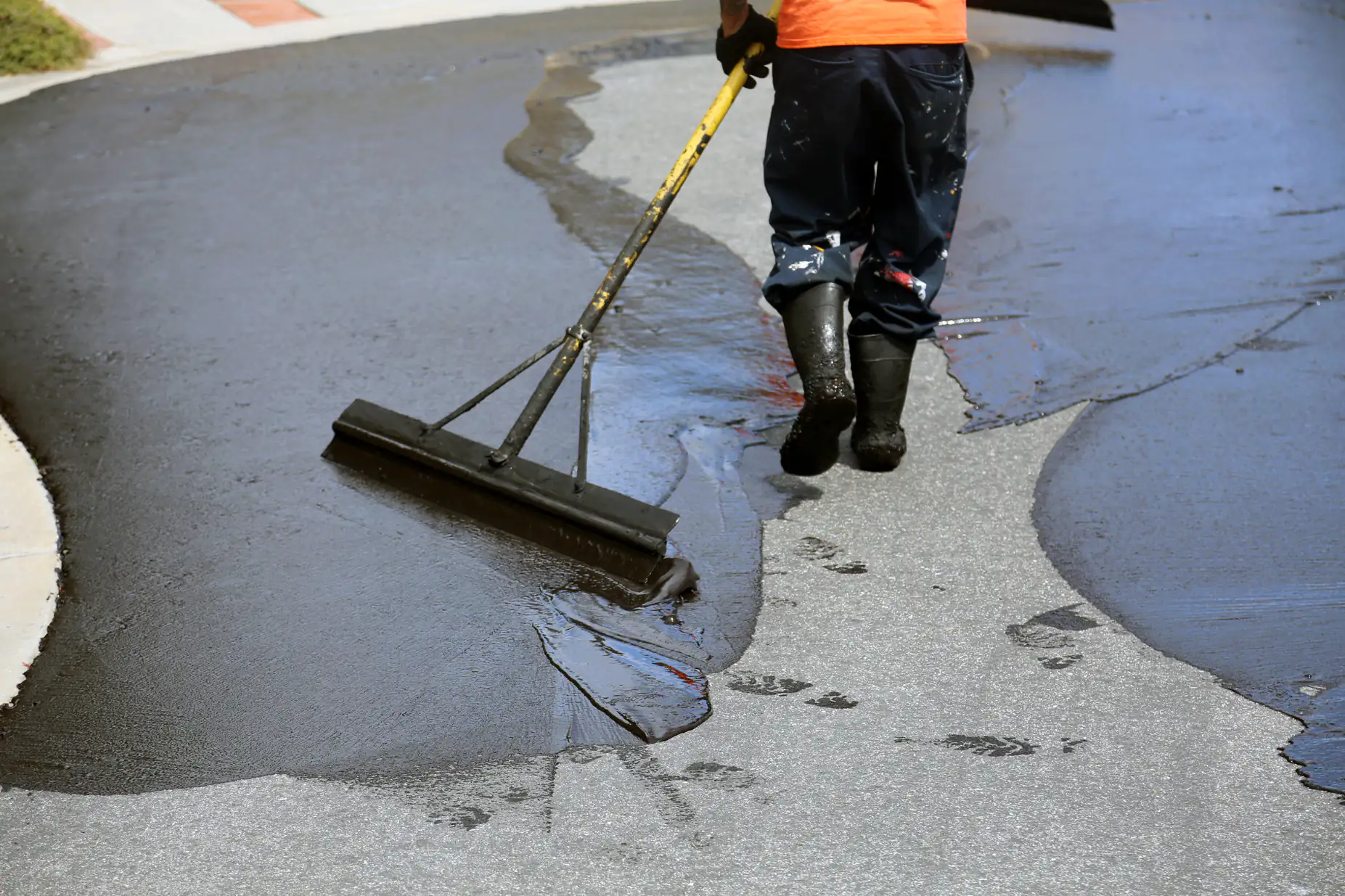
Sealcoating creates a barrier. Water can’t seep in, which means it can’t freeze and expand in winter. UV damage slows down. The surface stays flexible instead of turning brittle. You’re not just making it look darker—you’re buying yourself another decade of use.
Most driveways in Mount Arlington that get sealed every 2-3 years last 20+ years. The ones that don’t? They start falling apart around year 8. That’s the difference between a $300 maintenance appointment and a $5,000 replacement project.
We work exclusively in Morris, Sussex, and Somerset Counties. We’re not a statewide operation trying to serve everyone—we focus on North New Jersey because the climate here requires specific materials and timing.
We’ve seen what happens when contractors use the wrong sealant or apply it too early in spring. We’ve repaired driveways that were “sealed” by someone who didn’t prep the surface or fill the cracks first. The work only holds up if it’s done right, with commercial-grade materials designed for Northeast winters.
Mount Arlington sits right in the freeze-thaw zone. Your driveway expands and contracts more than properties 30 miles south. That means the sealant needs to flex, the application needs to be timed correctly, and the prep work can’t be skipped. We don’t cut corners because we know you’ll be calling someone back in two years if we do—and we’d rather that someone be us, for maintenance, not repairs.
First, we inspect the surface. If there are cracks wider than a quarter-inch, they get filled before we seal. If there’s oil staining or vegetation growing through, that gets addressed. Sealant doesn’t stick to dirt, oil, or damaged asphalt—it only works on clean, stable surfaces.
Next, we clean everything. Power washing or blowing off debris, depending on what the surface needs. If the asphalt is too wet or it’s going to rain within 24 hours, we reschedule. Sealcoating needs dry conditions and temperatures above 50 degrees to cure properly.
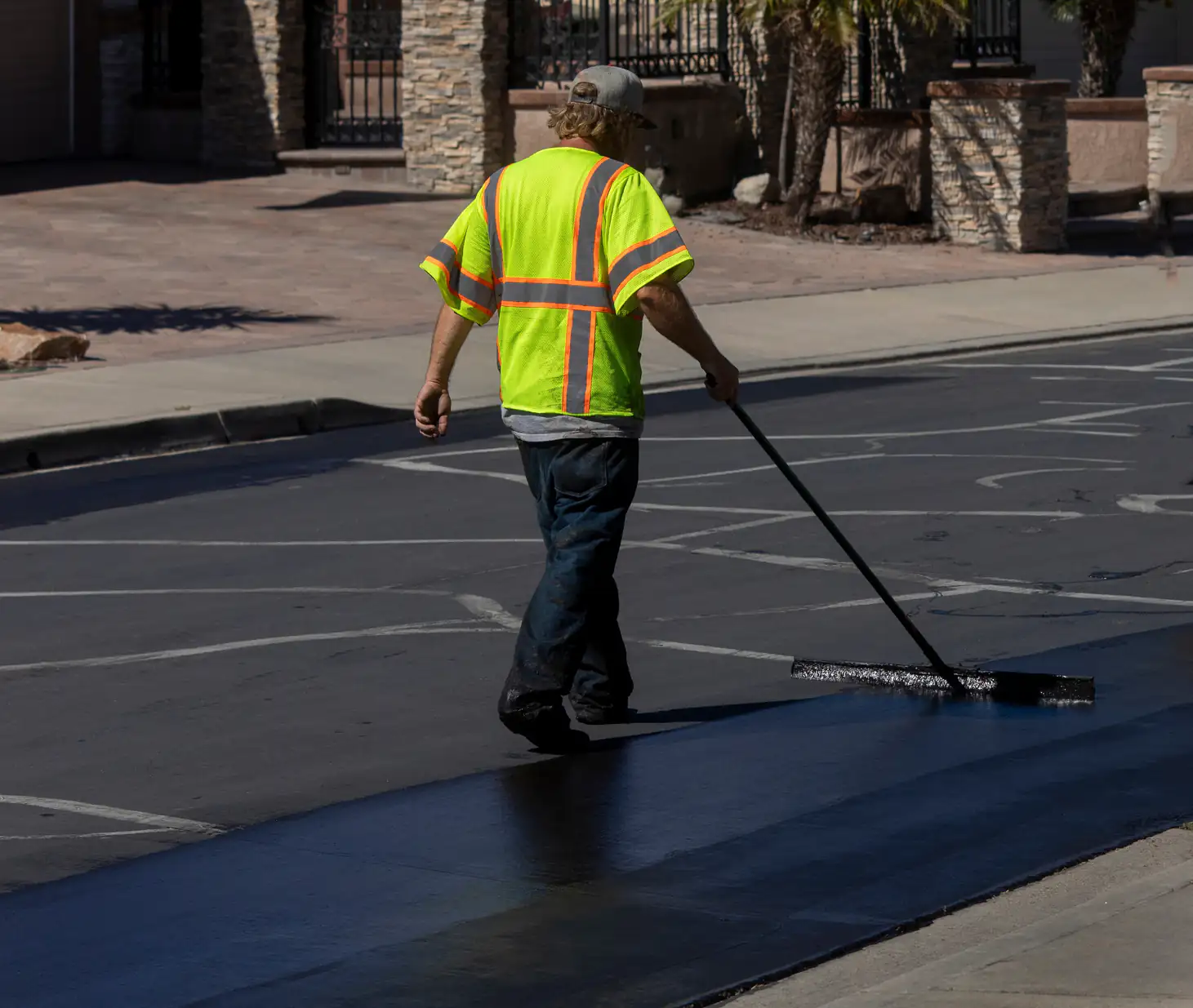
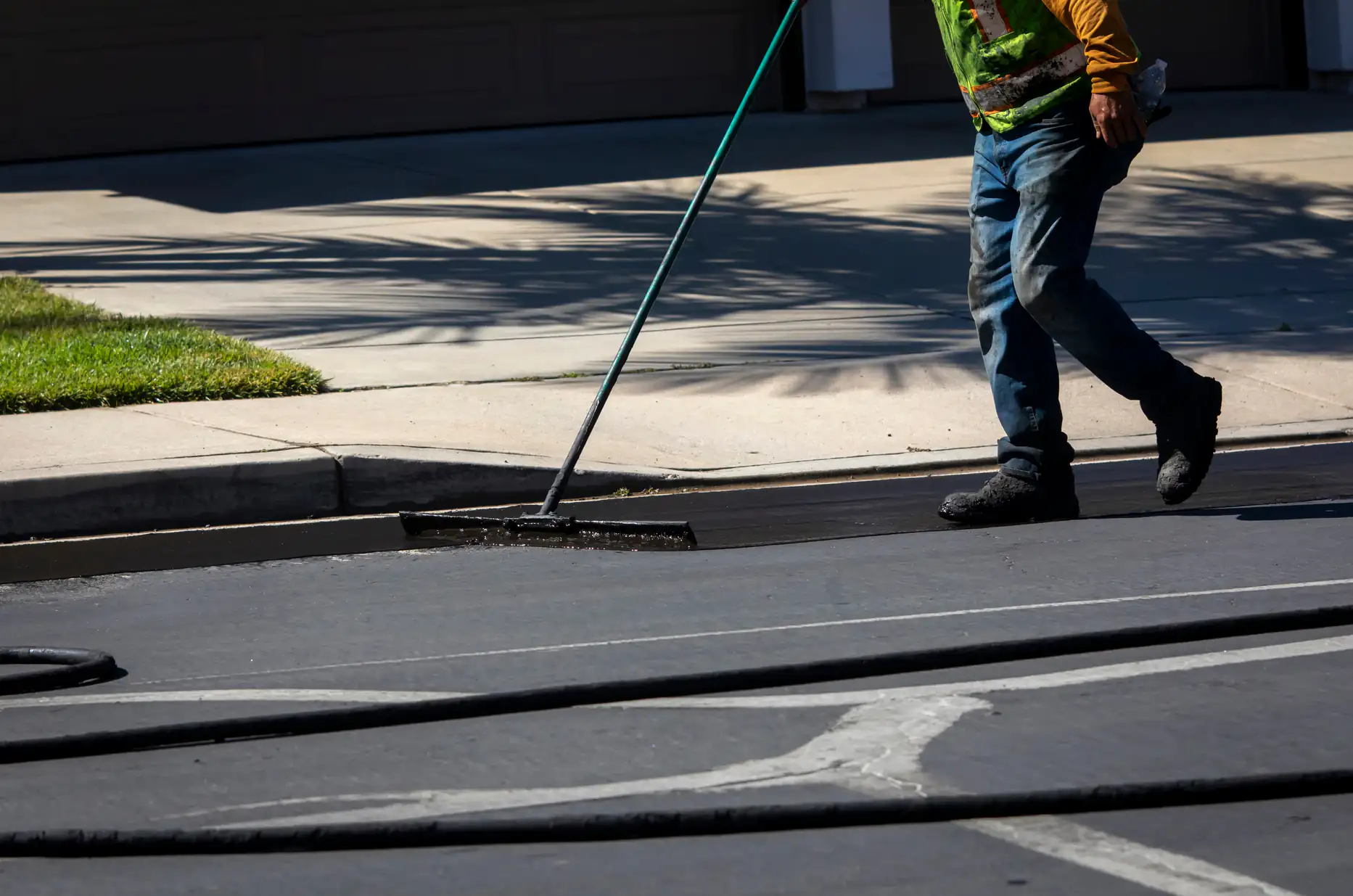
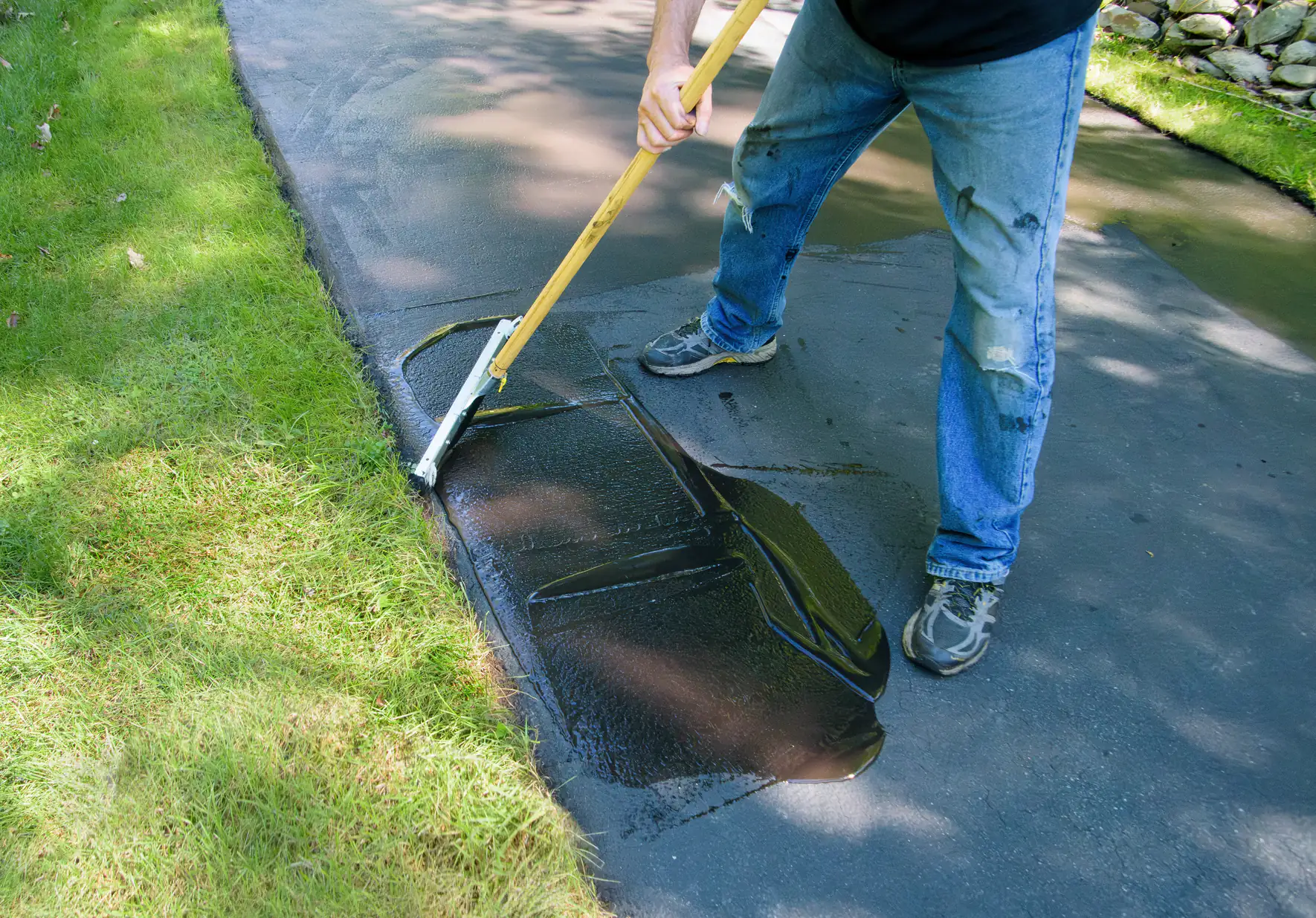
Then we apply two coats of commercial-grade sealer using a spray system or squeegee, depending on the size and layout of your driveway. The first coat seals the surface. The second coat adds durability and that fresh black finish. Most residential driveways take 4-6 hours to complete, and you’ll need to stay off it for 24-48 hours depending on weather.
After that, you’re done for 2-3 years. The surface is protected, water beads off instead of soaking in, and you’ve just added a decade to the lifespan of your driveway.
Ready to get started?
Every sealcoating job starts with crack filling. We use hot rubberized crack filler on anything larger than a quarter-inch. Smaller cracks get addressed during the sealing process, but the big ones need dedicated attention or they’ll keep spreading.
We clean the surface before sealing. Oil spots get treated with a degreaser. Vegetation gets removed. Loose debris gets blown off. If the asphalt is dirty or coated in grime, we’ll power wash it and let it dry before moving forward.
You get two coats of commercial-grade coal tar or asphalt emulsion sealer—your choice, though we’ll recommend one based on your driveway’s condition and sun exposure. Coal tar lasts longer and resists gas and oil better. Asphalt emulsion is more eco-friendly and works well for driveways that don’t see heavy vehicle traffic.
In Mount Arlington, timing matters. We don’t seal driveways in early spring when temperatures are still dipping below 50 at night. We don’t seal right before a rainstorm. And we don’t seal over damaged asphalt that should be repaired first. You’ll get a realistic timeline based on weather, not based on when it’s convenient for us to schedule the job.
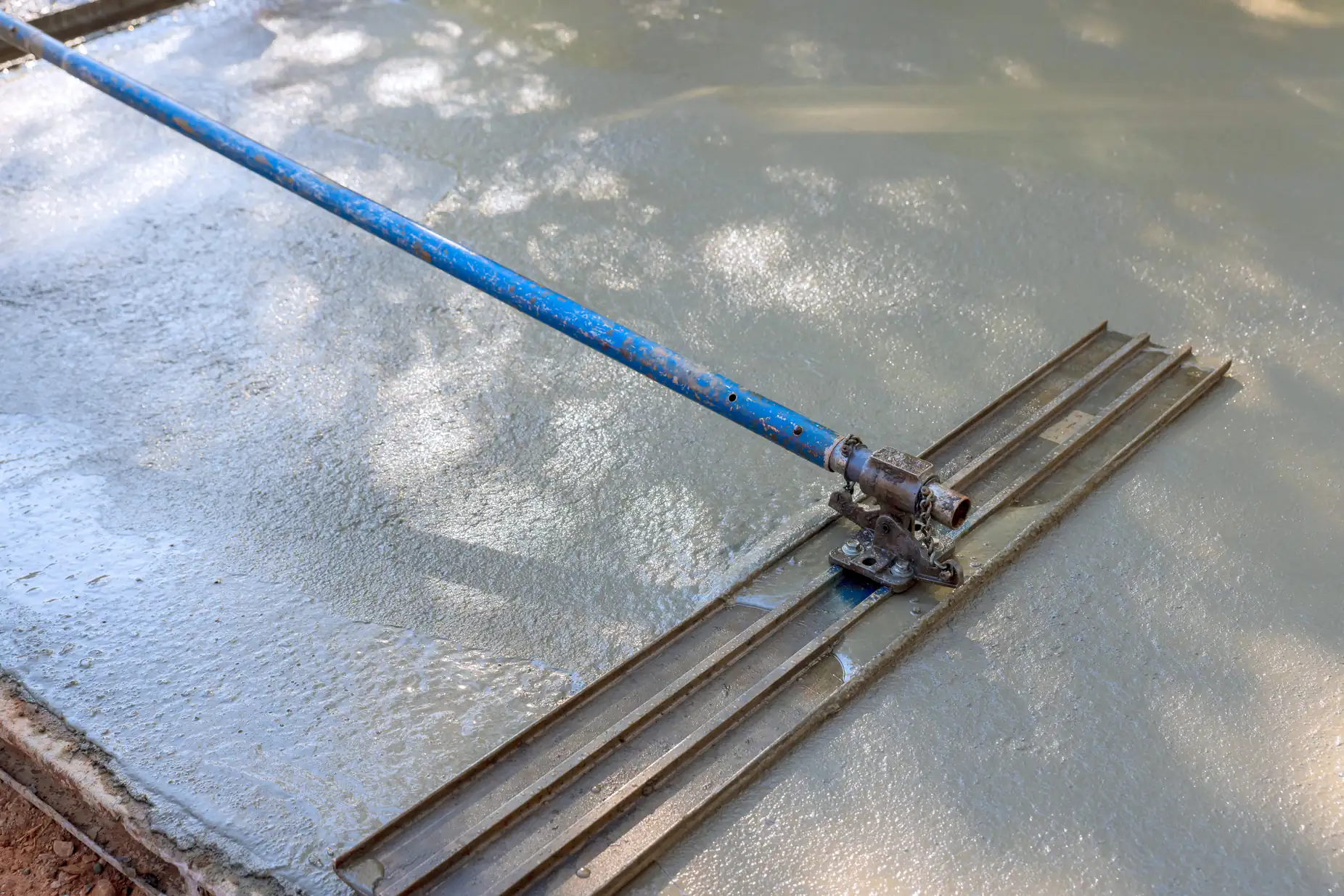
Most residential driveways in Mount Arlington run between $200 and $400 for a full sealcoating job, depending on size and condition. If you’ve got a standard two-car driveway in good shape, expect to be on the lower end. If there’s significant cracking, oil staining, or it’s been 5+ years since the last seal, you’ll be closer to $400 or higher.
Crack filling adds to the cost, usually $3-5 per linear foot for anything that needs hot rubberized filler. If your driveway has a lot of damage, that can add $100-200 to the total. But it’s still a fraction of what you’d pay for patching or resurfacing, which typically starts around $2-4 per square foot.
The cost of not sealing is where it gets expensive. Asphalt repairs run $250-800 depending on the damage. Full replacement? You’re looking at $3-7 per square foot, which means a typical driveway costs $3,000-6,000 to replace. Spending $300 every few years to avoid that is an easy decision.
Every 2-3 years is the standard recommendation for North New Jersey. If your driveway gets a lot of sun exposure or heavy use, lean toward every 2 years. If it’s shaded and sees light traffic, you can stretch it to 3.
The freeze-thaw cycles here are brutal. Water gets into small cracks, freezes, expands, and makes those cracks bigger. Sealcoating prevents water infiltration, which is the main thing destroying your asphalt. Miss a sealing cycle and you’re giving water two extra years to work its way in.
You’ll know it’s time when the surface starts looking gray instead of black, or when you notice small cracks forming. If you’re seeing alligator cracking or potholes, you’ve waited too long—that’s repair territory, not maintenance. The goal is to seal before damage happens, not after.
Late spring through early fall—basically May through September. You need consistent temperatures above 50 degrees, dry conditions, and at least 24 hours without rain after application.
Sealing too early in spring is a common mistake. Even if it’s 60 degrees during the day, if it’s dropping to 40 at night, the sealer won’t cure properly. It’ll stay tacky, track into your house, and won’t bond to the asphalt the way it should.
Late summer and early fall are ideal in Morris County. The asphalt has had all summer to dry out, temperatures are stable, and you’re getting ahead of winter. If you wait until October, you’re gambling with the weather. If you try to seal in April, you’re rushing it. June through September is the sweet spot.
You can buy sealer at a hardware store and do it yourself, but most DIY jobs don’t hold up. The sealer you get at a big box store is thinner and less durable than commercial-grade products. The application process matters too—if you don’t prep the surface, fill cracks first, or apply it evenly, you’re wasting your time and money.
The biggest issue with DIY sealing is surface prep. If there’s oil staining, dirt, or moisture on the asphalt, the sealer won’t bond. If you don’t fill cracks before sealing, they’ll keep spreading underneath the new coating. And if you apply it too thick or too thin, it won’t cure properly.
Professional sealcoating costs $200-400 for an average driveway and comes with proper prep, commercial materials, and equipment that applies it evenly. DIY might save you $100 upfront, but if it fails in a year instead of lasting three, you’ve actually spent more. If your driveway is in good shape and you’ve done this before, go for it. If there’s any damage or it’s been a while, hire it out.
Yes. Studies show that regular sealcoating extends asphalt life by 10-15 years. Without it, most driveways start breaking down around year 8-10. With it, you’re looking at 20+ years before you need to think about replacement.
The reason is simple: sealcoating blocks water and UV damage, which are the two main things that destroy asphalt. Water seeps into the surface, freezes, and creates cracks. UV rays oxidize the asphalt binder, making it brittle. Sealcoating creates a protective layer that prevents both.
It’s not magic—it’s just maintenance. The same way you wouldn’t skip oil changes on your car and expect it to last, you can’t skip sealcoating and expect your driveway to hold up. The difference is that sealcoating only needs to happen every 2-3 years, and it costs a few hundred dollars instead of a few thousand.
Coal tar is more durable and resists gas, oil, and UV damage better. It’s the standard for commercial parking lots and driveways that see heavy use. It lasts 3-5 years and holds up better in harsh climates like North New Jersey.
Asphalt emulsion is more environmentally friendly and easier to apply. It’s water-based, has less odor, and works well for residential driveways that don’t get a lot of vehicle traffic or oil exposure. It typically lasts 2-3 years.
For Mount Arlington driveways, we usually recommend coal tar unless you have specific environmental concerns or the driveway is in a low-traffic area. The extra durability is worth it given the freeze-thaw cycles and weather conditions here. Either way, both options work—it just depends on your priorities and how much wear your driveway sees.