
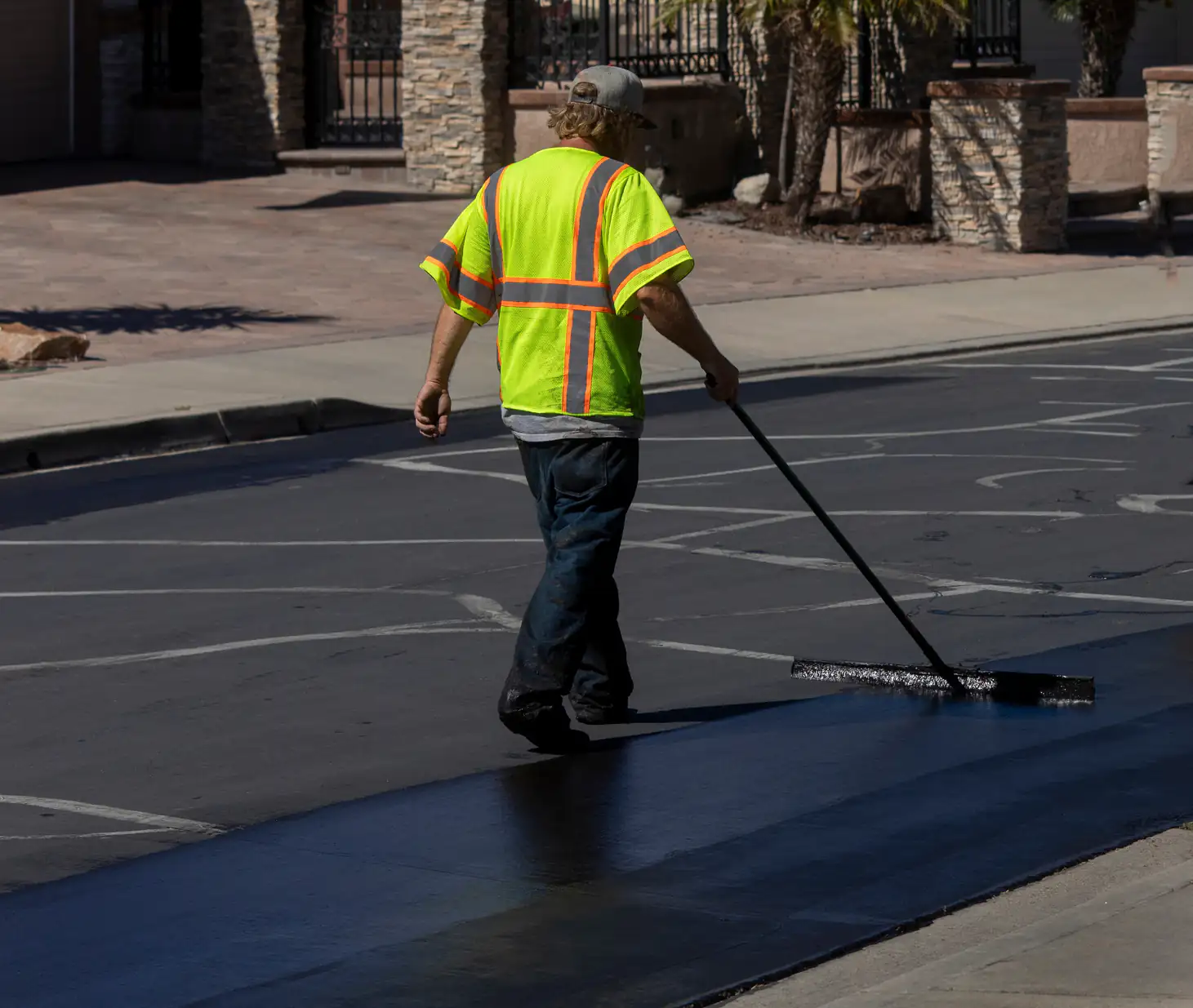
Hear from Our Customers
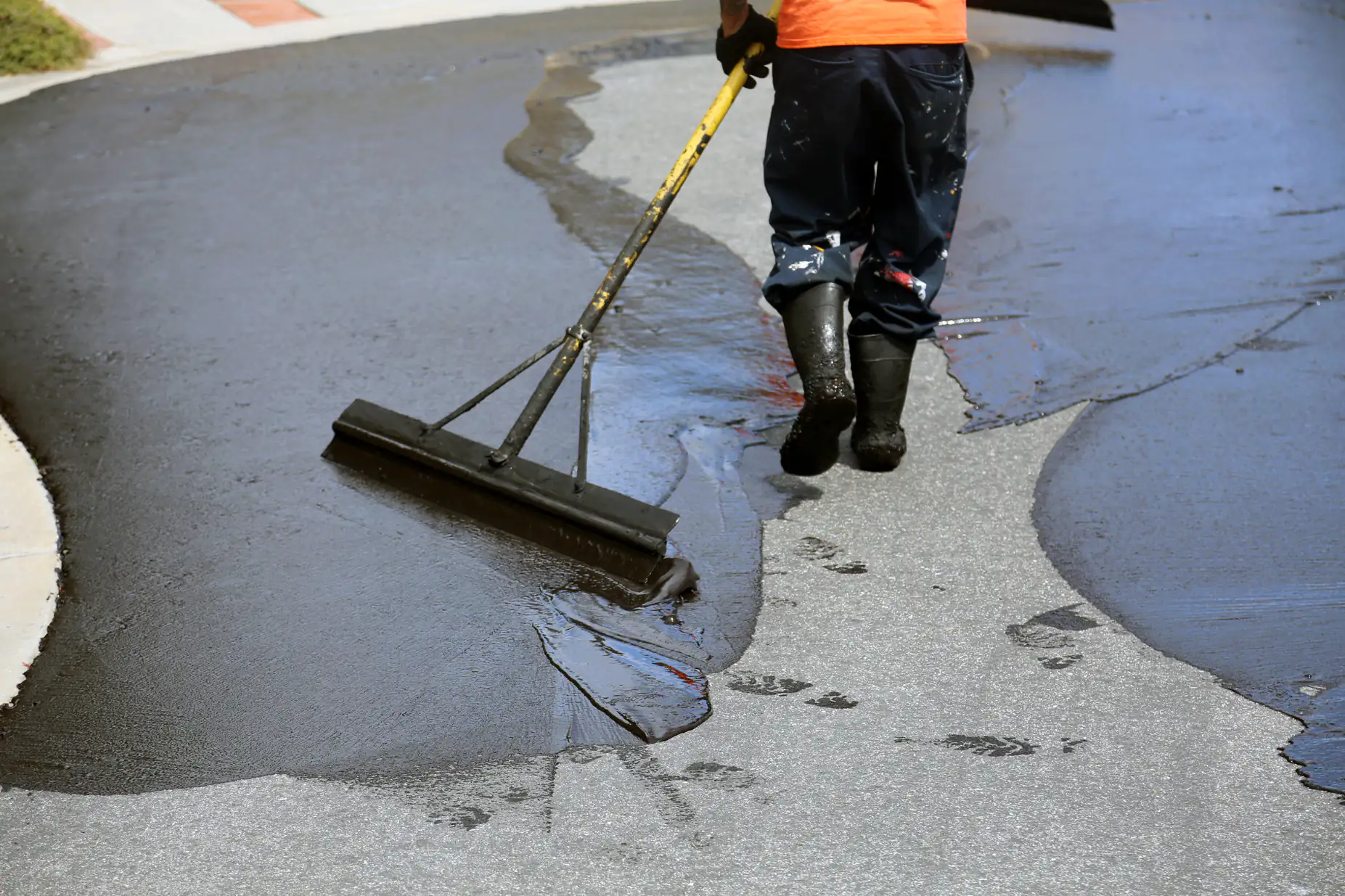
Your driveway takes a beating. Mendham winters hit hard with freeze-thaw cycles that crack asphalt from the inside out. Summer heat oxidizes the surface. Rain seeps into every gap. De-icing salt eats away at the binder holding everything together.
Sealcoating creates a protective barrier against all of it. Water can’t penetrate. UV rays can’t dry out the asphalt. Salt and chemicals roll off instead of soaking in. The surface stays flexible instead of brittle.
Here’s what that means for you: a driveway that lasts 25 years instead of 15. No spiderweb cracks spreading across the surface. No potholes forming where water froze and expanded. No emergency repaving bill that costs ten times what regular maintenance would have.
You’re not just making your driveway look better. You’re protecting a significant investment in your property—one that most Mendham homeowners don’t think about until the damage is already done.
We’ve been working in Mendham and throughout Morris County since before sealcoating became the standard it is today. We’ve seen what happens when homeowners skip maintenance, and we’ve seen how much money proper sealing saves over time.
We’re based in Dover. We know the local climate. We know how quickly damage spreads when you’re dealing with the temperature swings and precipitation levels we get in North Jersey. We’ve worked on driveways in every neighborhood around here—from newer developments to homes built in the ’70s that need restoration work.
You’re not hiring a crew that’s going to disappear after the job or dodge your calls when something needs attention. We’re licensed, insured, BBB accredited with an A+ rating, and we’ve built our reputation on showing up when we say we will and doing the work right the first time. That’s not marketing talk—it’s how we’ve stayed in business for two decades in a competitive market where shortcuts catch up with you fast.
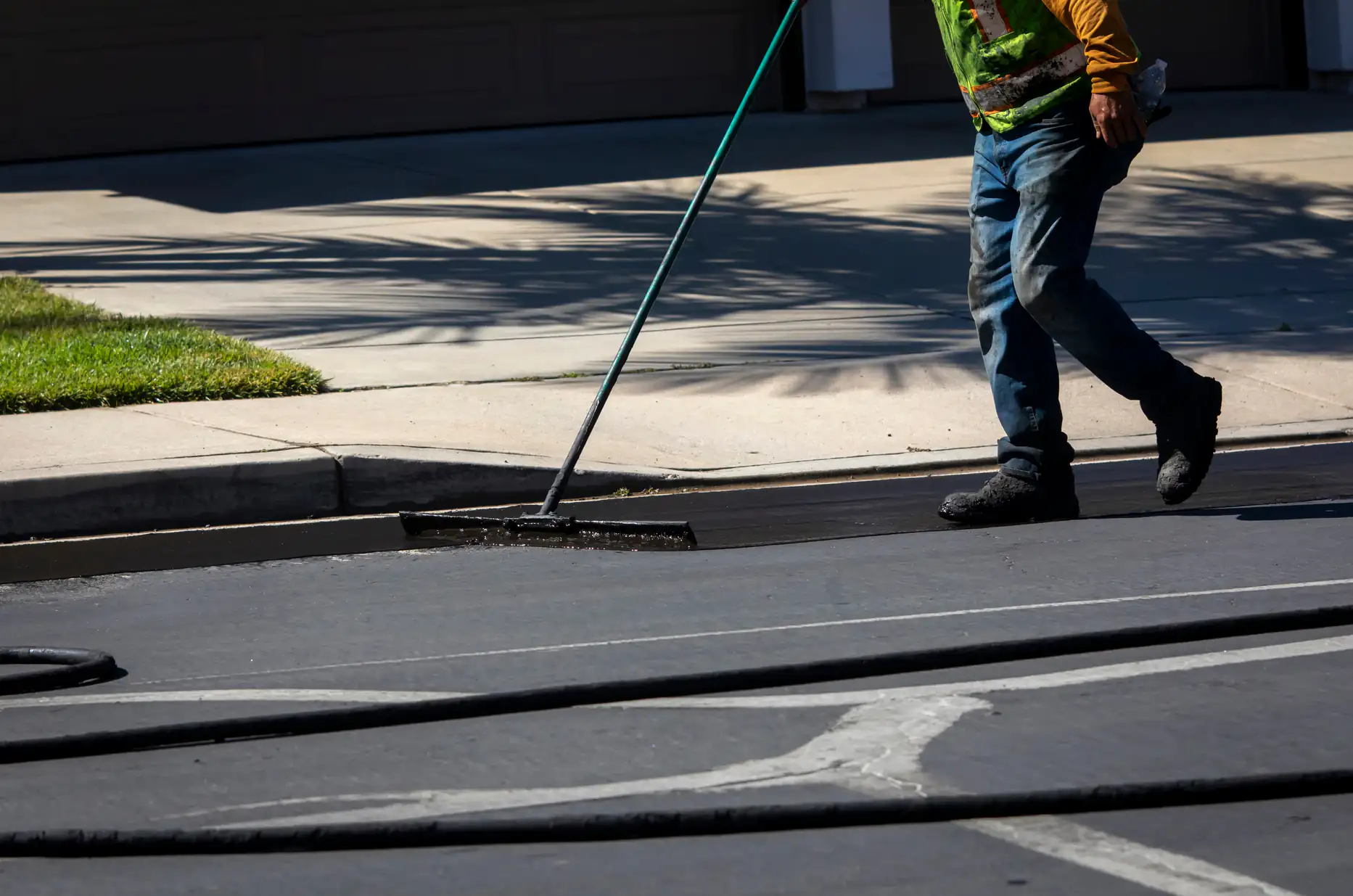
First, we clean the surface completely. Power washing removes dirt, oil, vegetation—anything that would prevent the sealer from bonding properly. This step matters more than most contractors admit. If the surface isn’t clean, the sealer won’t stick, and you’ll see premature failure.
Next, we fill cracks. Any crack wider than a quarter-inch gets filled with hot rubberized crack filler. This prevents water infiltration and stops small cracks from becoming big problems. We’re not just covering them up—we’re actually repairing the damage before sealing over it.
Then we apply two coats of high-grade asphalt emulsion sealer. We use commercial-grade material, not the stuff you buy in buckets at the hardware store. It goes on evenly with professional equipment, and we make sure each coat cures properly before applying the next one.
The entire process takes one to two days depending on weather and driveway size. You’ll need to stay off the driveway for 24-48 hours while it cures. After that, you’ve got a protected surface that should last two to three years before needing another application—longer if your driveway doesn’t see heavy use.
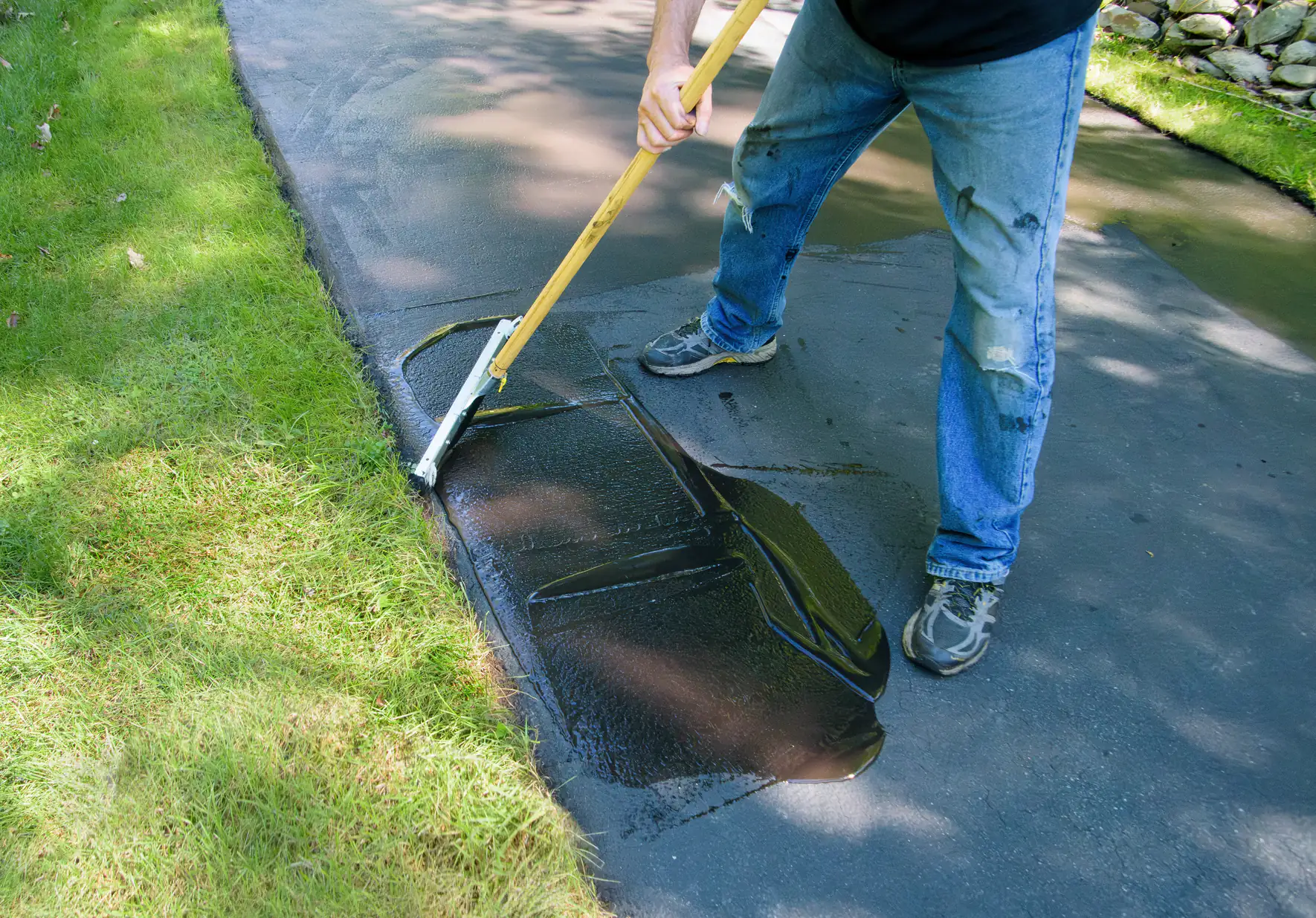
Ready to get started?
In Mendham and Morris County, professional driveway sealing typically runs between $0.25 and $0.45 per square foot. A standard 600-square-foot driveway costs somewhere between $180 and $270, depending on condition and prep work needed. That’s 15-20% higher than national averages, but it reflects the harsher climate conditions we deal with here and the quality of materials required to hold up.
That price includes power washing, crack filling up to 50 linear feet, two coats of commercial-grade sealer, and typically a two-year warranty on the work. If your driveway needs significant crack repair or has oil stains that require special treatment, expect to pay more. If it’s in good shape and just needs preventive sealing, you’ll be on the lower end.
Compare that to repaving, which starts around $5,000 for a standard driveway and goes up from there. Sealing every two to three years costs you maybe $1,000 over a decade. Skipping it and repaving costs five times that—plus the disruption of tearing out your old driveway and starting over.
The math is straightforward. Regular sealcoating is the most cost-effective way to maintain asphalt. It’s not optional maintenance if you want your driveway to last. It’s the difference between 15 years of life and 25-plus years.
Every two to three years is the standard recommendation for residential driveways in Morris County. That timeline assumes normal use and typical New Jersey weather exposure.
If your driveway sees heavy traffic—multiple vehicles, frequent turning, commercial use—you might need to seal more often. If it’s in a shaded area that doesn’t get much sun exposure, you can sometimes stretch it to three years. The key indicator is the surface appearance. When the asphalt starts looking gray instead of black, or when you can see aggregate showing through, it’s time.
Waiting too long is the most common mistake homeowners make. Once cracks start forming and water penetration begins, you’re not just sealing anymore—you’re repairing damage. That costs more and doesn’t last as long. Preventive sealing is always cheaper than reactive repairs.
Late spring through early fall—basically May through September—is your window. You need temperatures above 50 degrees for at least 24 hours before and after application, and you need dry weather for the sealer to cure properly.
Summer is ideal because you get consistent heat and lower chances of rain. The sealer cures faster and bonds better in warm conditions. Fall is the second-best option, but you’re racing against the first freeze. A lot of contractors get swamped in September and October because homeowners realize they’re running out of time.
Don’t try to seal in early spring right after winter. Your driveway needs time to dry out completely after snow and ice melt. Any moisture trapped under the sealer will cause problems. And definitely don’t seal in late fall or winter—the sealer won’t cure properly, and you’ll waste your money on a coating that fails within months.
You can do it yourself, but the results usually aren’t comparable to professional work—and the cost savings aren’t as significant as you’d think.
The sealers available at retail stores are lower grade than what we use. They’re thinner, they don’t last as long, and they don’t provide the same level of protection. You’ll also need to rent or buy equipment, spend a full weekend on the project, and deal with the learning curve of getting even coverage without streaks or thin spots.
We have commercial-grade materials, proper equipment, and experience that shows in the finished product. We can prep and seal a driveway in a fraction of the time it takes a homeowner, and the coating lasts longer because it’s applied correctly. When you factor in your time, equipment rental, and the shorter lifespan of DIY sealing, the cost difference shrinks considerably.
If your driveway is small, in great shape, and you’re comfortable with manual labor, DIY might make sense. If you’ve got a larger driveway, existing damage, or limited time, hiring us is the smarter move.
Sealcoating protects the surface—it doesn’t repair structural damage. If you’ve got cracks, they need to be filled before sealing. If you’ve got potholes or major deterioration, you need actual repairs, not just a protective coating.
Here’s the distinction: small cracks (less than a quarter-inch) can be filled as part of the sealing process. We use hot rubberized crack filler that bonds to the asphalt and prevents water infiltration. Once filled and sealed over, those cracks are stabilized and shouldn’t spread.
Larger cracks, alligatored sections, or areas where the base has failed need more extensive repair. You might need patching, overlay work, or in severe cases, partial replacement of damaged sections. Sealcoating over serious damage just hides the problem temporarily—it doesn’t fix it.
The best approach is to address repairs first, then seal to protect your investment. If you’re not sure what your driveway needs, get an assessment before committing to sealing. Sometimes what looks like minor surface wear is actually deeper damage that needs attention.
A professional sealcoating job typically lasts two to three years in Morris County before you need to reapply. That’s shorter than in milder climates because of the harsh conditions we deal with here.
Freeze-thaw cycles, road salt, UV exposure, and temperature extremes all break down the sealer faster than they would in areas with gentler weather. The sealer is doing its job—it’s taking the beating so your asphalt doesn’t have to. When it starts to wear thin, that’s your signal to reapply before the asphalt itself gets exposed to damage.
Traffic levels affect longevity too. A driveway with two cars coming and going daily will hold up longer than one that sees constant use or heavy vehicles. Shaded driveways protected from direct sun can sometimes stretch to three years. Driveways in full sun exposure might need attention closer to the two-year mark.
The key is not waiting until the sealer is completely gone. Once you see the asphalt turning gray or aggregate showing through, you’ve waited too long. Resealing while there’s still some protection left gives you the best long-term results.
Material quality, prep work, and experience level create huge price differences—and you usually get what you pay for in this industry.
The cheapest quotes typically use thin, low-grade sealer that wears off quickly. They skip proper cleaning, rush through crack filling, and apply one thin coat instead of two proper coats. The job might look okay initially, but it fails fast, and you end up paying to redo it sooner than you should.
Mid-range pricing usually reflects decent materials and competent work. You’re getting proper prep, commercial-grade sealer, and contractors who know what they’re doing. This is where most reputable local companies land.
Premium pricing might include extra services like oil stain treatment, additional crack repair, or extended warranties. Sometimes you’re paying for a company’s reputation and reliability. Sometimes you’re just paying more because they can charge it.
The smart move is to compare what’s actually included in each quote. How many coats? What grade of sealer? Is crack filling included, and how much? What’s the warranty? A lower price that skips important steps isn’t a better deal—it’s a shortcut that costs you more in the long run.