
Hear from Our Customers
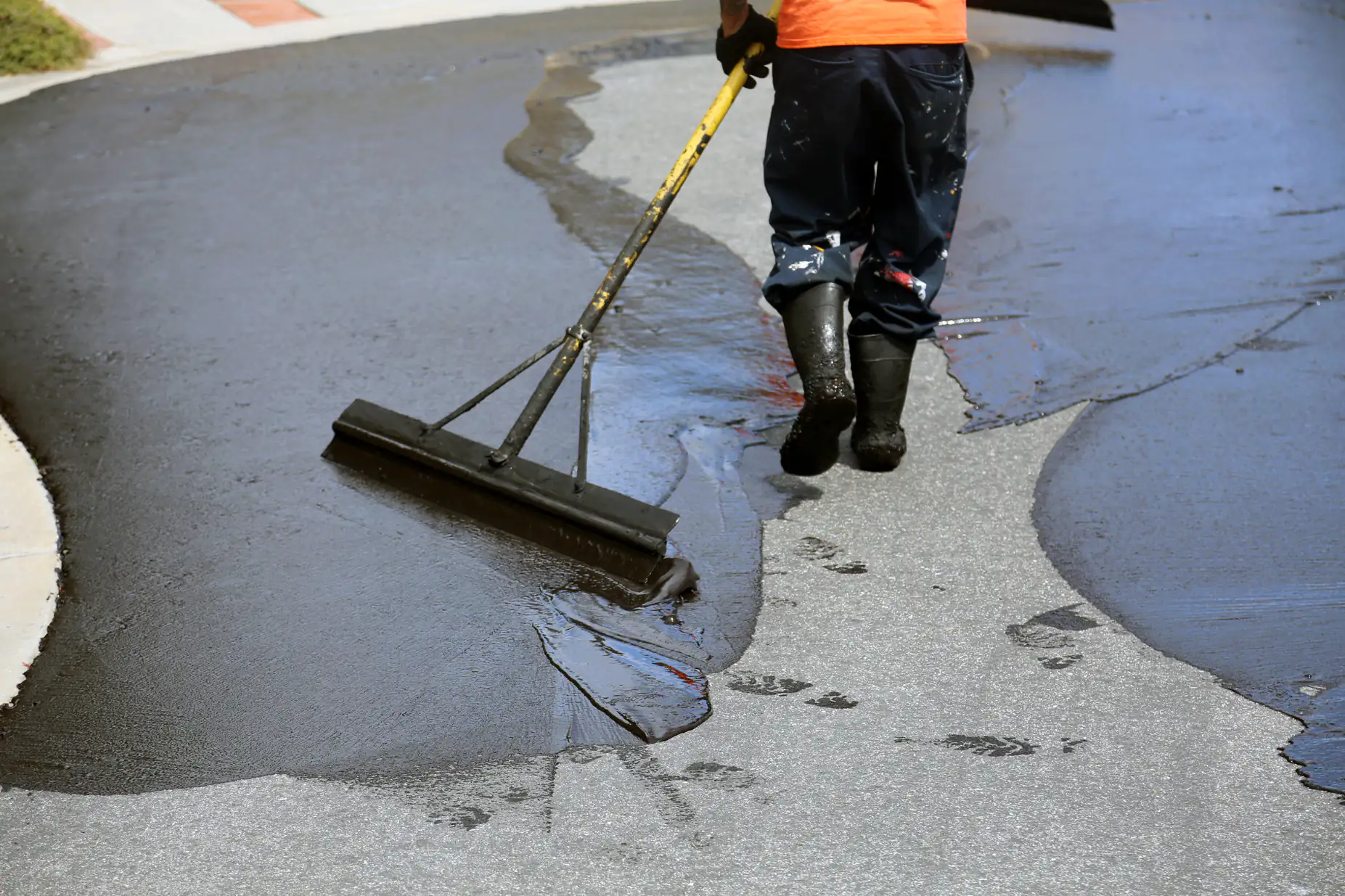
You stop throwing money at emergency repairs every spring. That’s what changes when you seal your driveway before winter hits.
New Jersey puts asphalt through hell. We get 55 to 75 freeze-thaw cycles every winter. Water seeps into tiny cracks, freezes, expands by 9%, and pushes those cracks wider. By March, you’re staring at damage that wasn’t there in October.
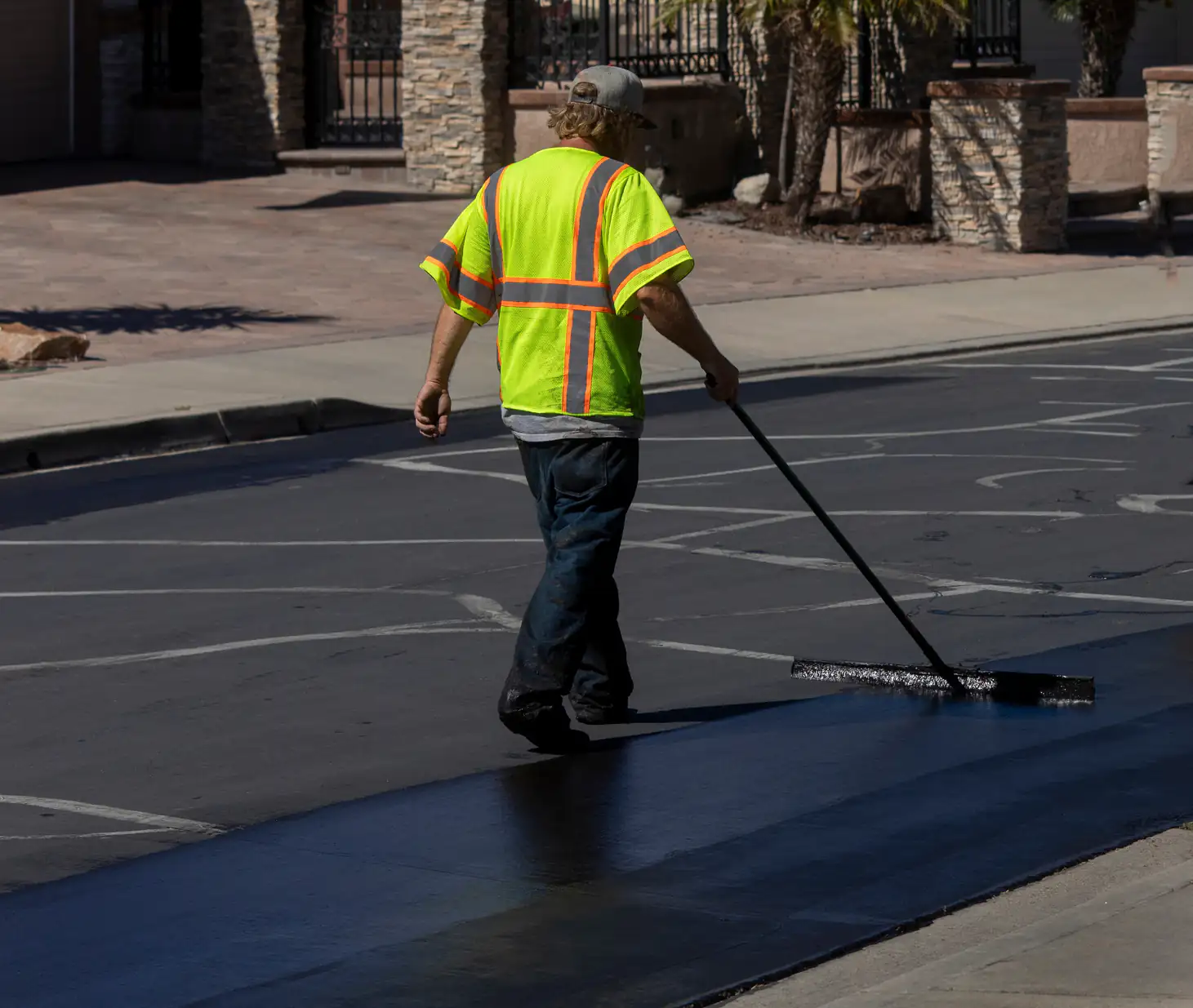
Professional asphalt sealcoating creates a barrier. It keeps water out, protects against UV damage, and gives you a surface that can handle what Morris County throws at it. You’re looking at extending your driveway’s lifespan from 15 years to 25+ years.
The math is simple. A sealcoat job costs under $500. Repaving your driveway costs $3,000 to $8,000. You either spend a little now or a lot later. Most Liberty Corner homeowners understand that protecting a property worth over $1.2 million means maintaining every part of it, including the driveway.
We know Liberty Corner. We know how the soil shifts, how drainage works in this area, and what materials hold up to local conditions.
We’re based in Dover, and we’ve spent two decades working throughout Morris, Sussex, and Somerset Counties. That means we’ve seen what works and what fails when winter arrives. We use high-grade hot mix asphalt applied at proper temperatures, and our sealcoating comes with a 2-year warranty.
You’ll get a callback within 24 to 48 hours when you request a quote. We show up when we say we will, we give you clear pricing upfront, and we don’t leave until the job meets our standards. No surprises, no runarounds.
First, we inspect your driveway. We’re looking at the current condition, checking for cracks that need filling, and making sure the surface is ready for sealant. If there’s damage beyond what sealcoating can fix, we’ll tell you.
Next, we clean the surface completely. Oil stains, debris, vegetation growing in cracks—it all has to go. The sealant won’t bond properly to a dirty surface, and we’re not going to cut corners just to finish faster.
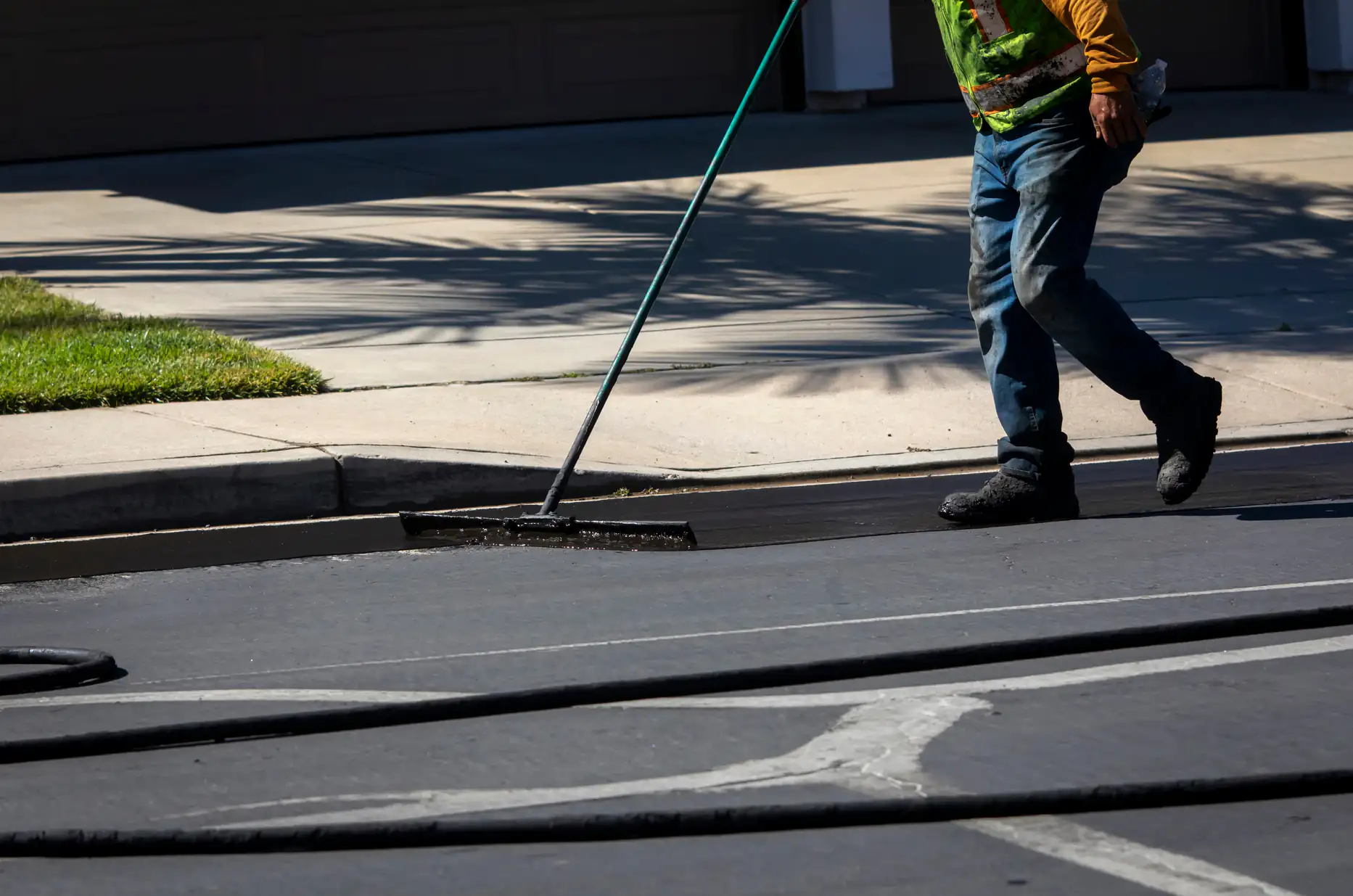
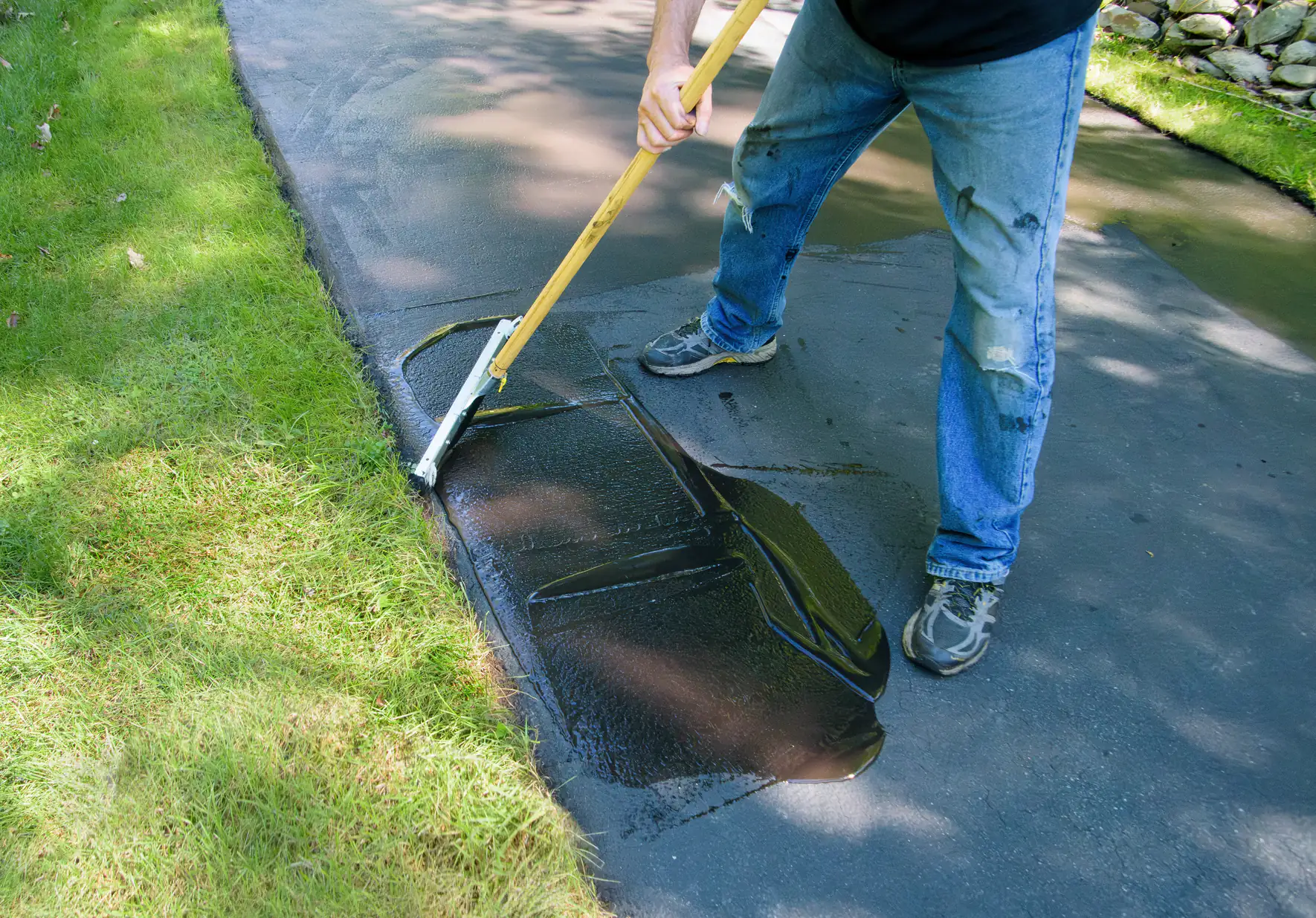
Then we apply the sealcoat. We use commercial-grade materials designed for New Jersey’s climate. The application has to happen at the right temperature, with the right thickness, or it won’t perform. We typically apply two coats for maximum protection.
After application, your driveway needs 24 to 48 hours to cure before you can drive on it. Weather matters here—we won’t seal if rain is coming or if temperatures are too low. Rushing this part ruins the job, and we’d rather reschedule than do it wrong.
Ready to get started?
Driveway sealcoating in New Jersey runs $0.15 to $0.40 per square foot. That’s about 15-20% higher than the national average because labor costs more here and our climate demands better materials.
For a typical Liberty Corner driveway—let’s say 600 square feet—you’re looking at $300 to $500 for a professional sealcoat job. That includes surface prep, crack filling, two coats of sealant, and cleanup.
Here’s what matters more than the price: timing. October is when everyone calls. Schedules fill up fast because homeowners are trying to beat the first freeze. If you wait until you see cracks forming, you’re already behind. The best time to seal is before damage starts, not after.
Morris County’s weather is tough on asphalt. You’re not just paying for sealant—you’re paying for someone who knows how to apply it correctly in this climate, with materials that will actually hold up through winter. Cheap sealcoating fails by spring. Professional work lasts years.
Every 2 to 3 years for most driveways. That’s the sweet spot for Morris County’s climate.
If your driveway gets heavy use—multiple vehicles, frequent traffic—you might need to seal every 2 years. Light use can stretch to 3 years. The key indicator is the surface color. When your asphalt starts looking gray instead of black, it’s time.
New driveways are different. Wait at least 6 months, preferably a full year, before the first sealcoat. Fresh asphalt needs time to cure completely. Sealing too early traps oils in the pavement and causes problems down the road.
Crack filling repairs damage. Sealcoating prevents it. You need both, but they’re not the same thing.
Crack filling uses rubberized material to fill existing cracks and stop them from spreading. This has to happen before sealcoating, or you’re just covering up problems. Water will still get in through those cracks, freeze, and make them worse.
Sealcoating applies a protective layer over the entire surface. It blocks UV rays, repels water, and protects against oil and gas spills. Think of crack filling as fixing what’s broken and sealcoating as protecting what’s still good. Most driveways in Liberty Corner need both services when we show up.
You can buy sealant at the hardware store. Whether you should is a different question.
DIY sealcoating costs less upfront—maybe $100 to $150 in materials for an average driveway. But the application matters more than the product. If you apply it too thin, it won’t protect. Too thick, and it cracks. Wrong temperature, and it won’t cure properly.
We use commercial-grade equipment that applies consistent coats at the right thickness. We prep the surface correctly, fill cracks first, and know when conditions are right for application. A bad DIY job might last one winter. Professional work lasts 2 to 3 years and comes with a warranty. For a Liberty Corner property worth over a million dollars, the question is whether saving $200 is worth the risk of doing it wrong.
No. Sealcoating protects healthy asphalt. It doesn’t repair structural damage.
If you have cracks wider than a quarter-inch or potholes forming, those need to be fixed first. We fill cracks with rubberized crack filler before we sealcoat. Potholes require patching with hot asphalt. Sealcoating over damage without fixing it first just hides the problem for a few weeks.
Think of it this way: sealcoating is preventive maintenance, not repair work. It stops small surface cracks from becoming big problems. It keeps water out so freeze-thaw cycles can’t destroy your pavement. But if the damage is already serious, you need repair work first, then sealcoating to protect the repairs. We’ll tell you honestly what your driveway needs when we inspect it.
Late spring through early fall. Specifically, May through September in Morris County.
Sealant needs warm temperatures to cure properly—ideally above 50°F at night and above 60°F during the day. It also needs 24 to 48 hours without rain. That rules out most of winter and early spring.
September and October are the busiest months because homeowners want protection before winter hits. Smart move, but schedules fill up fast. If you call in October asking for same-week service, you’re probably out of luck. June through August is actually better for availability, and the warmer temperatures help the sealant cure faster.
Avoid sealing in extreme heat—above 90°F—because the sealant can dry too quickly and not bond properly. The ideal window is 60°F to 85°F with no rain in the forecast. In Liberty Corner, that gives you about five solid months to get it done.
Two to three years with professional application. Sometimes longer if conditions are right.
New Jersey’s freeze-thaw cycles are brutal on sealcoating. Even the best materials break down faster here than they would in milder climates. UV exposure, snow plowing, de-icing salt, and temperature swings all wear down the protective layer.
You’ll know it’s time to reseal when the surface starts looking faded and gray instead of deep black. Small cracks might start appearing. Water stops beading up on the surface and starts soaking in. Those are signs the protection is wearing off.
Higher-quality sealants last longer than cheap products. Professional application lasts longer than DIY jobs. And driveways with less traffic last longer than high-use areas. But in Morris County, plan on resealing every 2 to 3 years if you want continuous protection. That regular maintenance is what gets you 25+ years out of your asphalt instead of 15.