
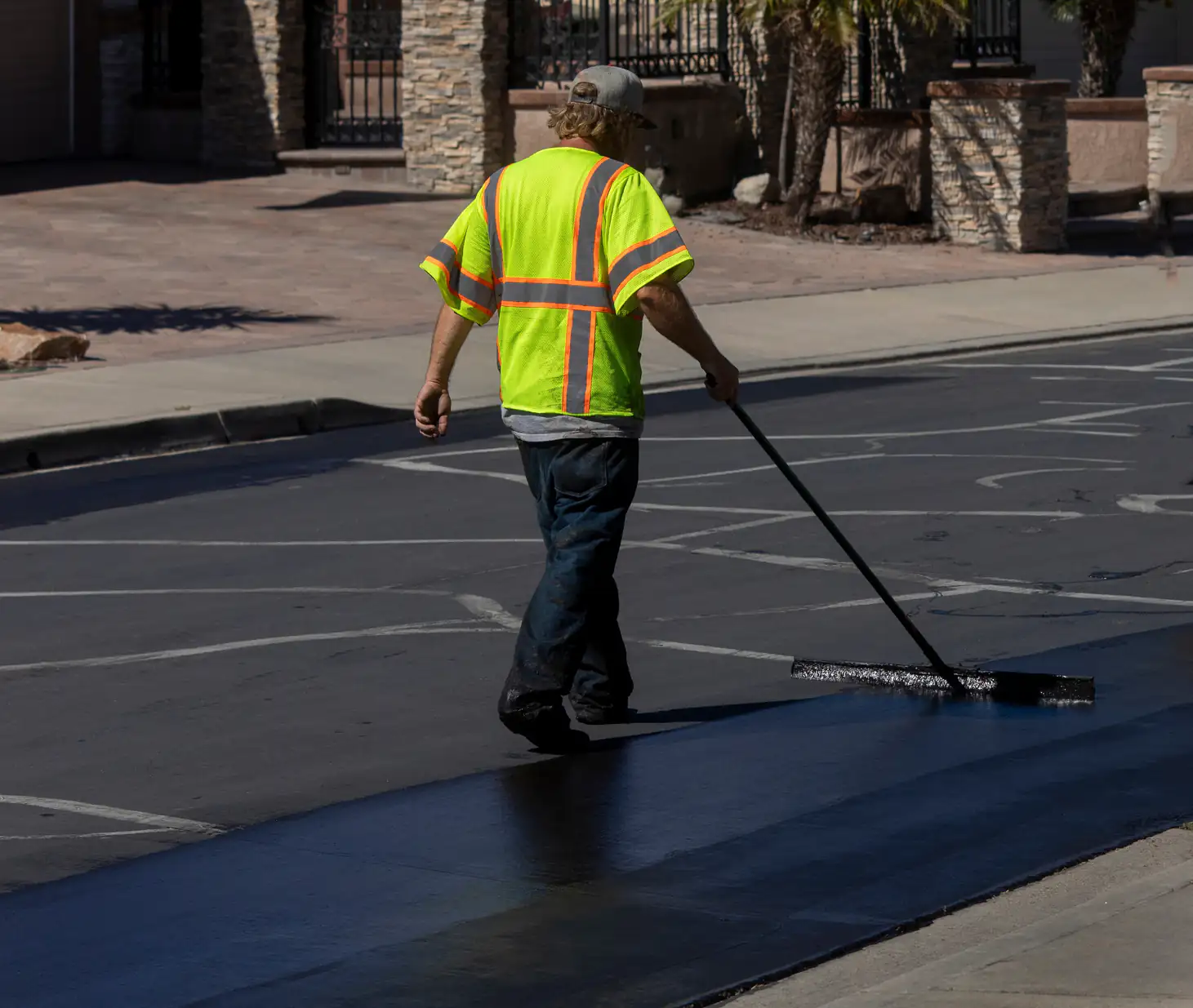
Hear from Our Customers
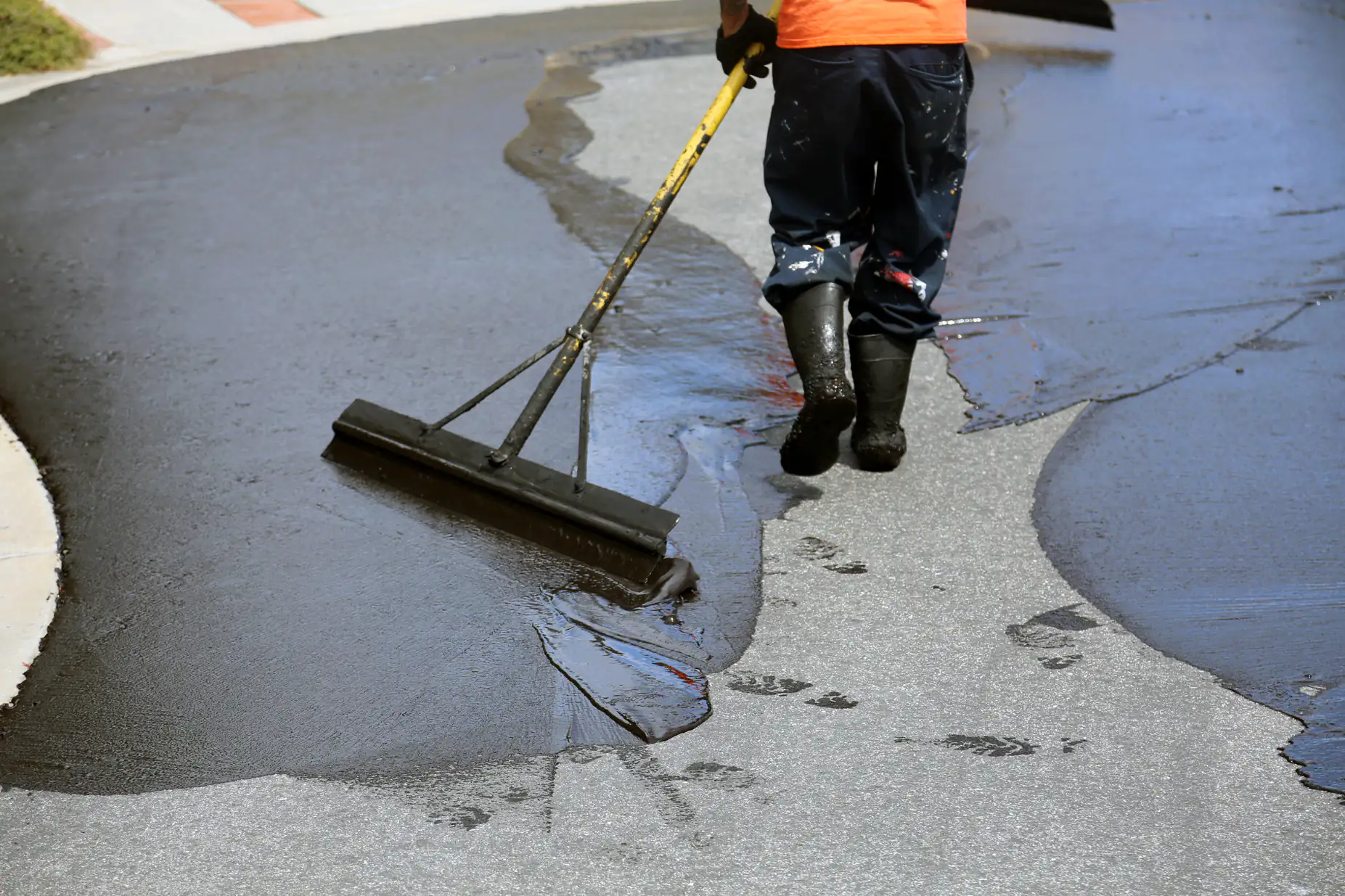
You’re looking at your driveway in November, and those hairline cracks don’t seem like a big deal. Then March rolls around and suddenly you’ve got potholes, crumbling edges, and water pooling where it shouldn’t be.
That’s what happens when water gets into asphalt before winter. It freezes, expands, and breaks apart the pavement from the inside out. One freeze-thaw cycle becomes twenty, and a small crack becomes a structural problem.
Professional asphalt driveway sealing stops that process before it starts. The sealcoat creates a waterproof surface that sheds water instead of absorbing it. Your driveway stays intact through temperature swings, snowmelt, and road salt exposure. You’re not dealing with emergency repairs in February or explaining to a contractor why you waited so long.
A well-maintained driveway lasts 15 to 20 years in Lake Mohawk, NJ. Without sealcoating, you’re looking at 8 to 12 years before you’re repaving. That’s the difference between a few hundred dollars every couple years and a five-figure replacement bill.
We’ve been working in Lake Mohawk and throughout Morris County for over two decades. We’ve sealed driveways through enough brutal winters to know exactly what happens when you skip maintenance and what it takes to keep asphalt intact year after year.
Lake Mohawk sits in one of the toughest climate zones for pavement. You get dramatic temperature swings, heavy snow, and proximity to Lake Hopatcong that creates more freeze-thaw cycles than areas just a few miles inland. Your driveway faces conditions that most national advice doesn’t account for.
We use hot-pour rubberized crack filling heated to 400 degrees and commercial-grade sealants that actually hold up to New Jersey winters. You’re not getting a summer crew with a squeegee and a bucket. You’re getting a process designed specifically for the conditions your property deals with every year.
First, we inspect your driveway for cracks, damage, and drainage issues. Anything structural gets addressed before sealant goes down. You can’t seal over problems and expect them to disappear.
Next comes crack filling with hot-pour material. This isn’t the cold-pour stuff from a hardware store that peels out after one winter. We heat rubberized filler to 400 degrees so it bonds permanently with the asphalt and stays flexible through temperature changes.
Then we clean the entire surface. Oil stains, dirt, vegetation, and loose material all get removed. Sealant only works when it bonds directly to clean asphalt.
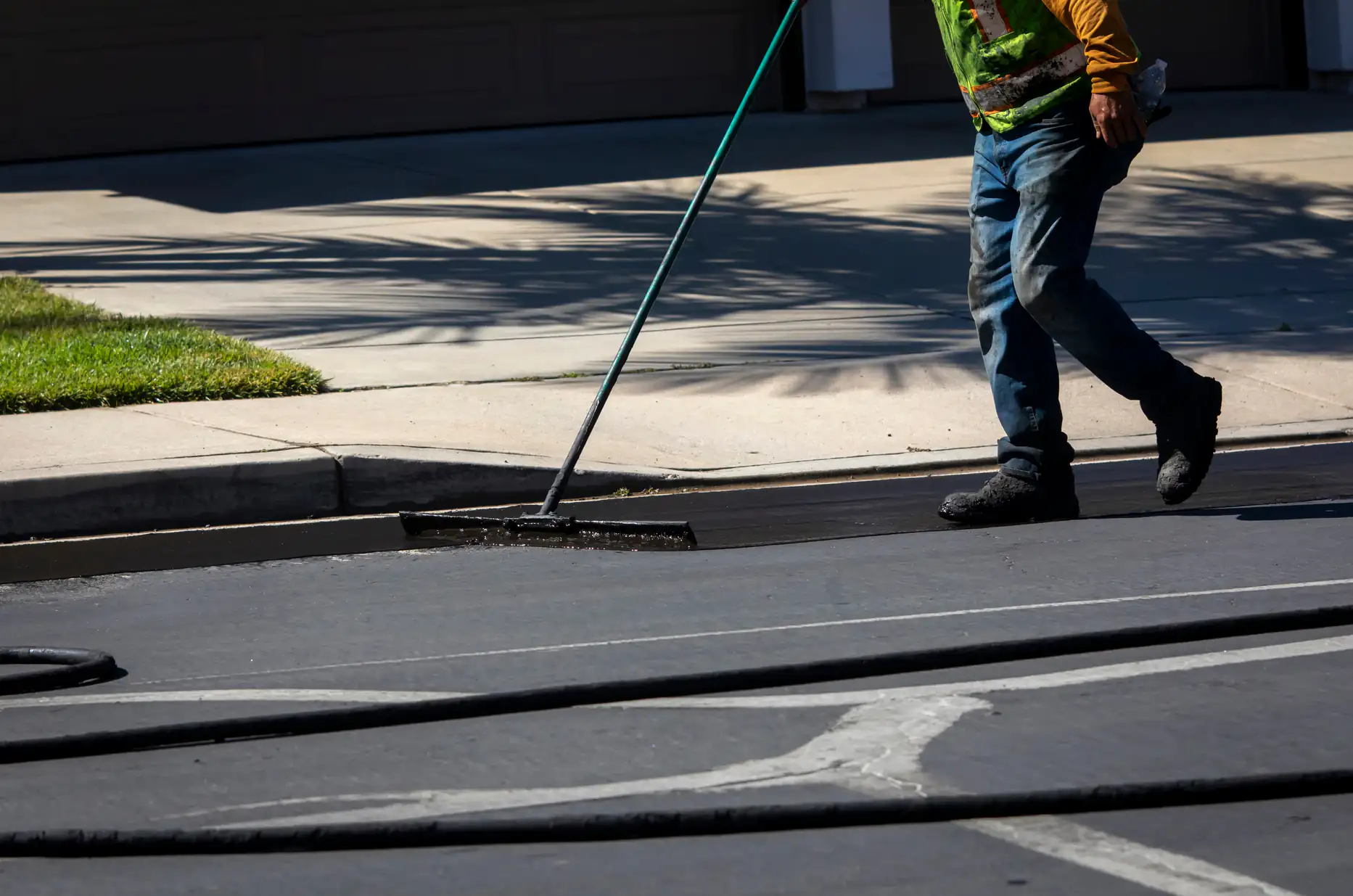
The sealcoat application itself uses commercial-grade material applied in even layers. We’re not flooding your driveway or leaving thin spots. The goal is consistent coverage that cures properly and creates an actual waterproof barrier.
Curing takes 24 to 48 hours depending on temperature and humidity. You’ll need to stay off the driveway during that window. After that, you’ve got a protected surface that’s ready for whatever winter brings.
Ready to get started?
Driveway sealcoating in Lake Mohawk, NJ typically runs between 15 and 40 cents per square foot depending on condition, size, and how much prep work is needed. Most residential driveways come out between $300 and $600 for a complete job.
That includes crack filling, surface cleaning, two coats of commercial sealant, and proper curing time. You’re not just paying for material. You’re paying for equipment that applies it correctly, experience that catches problems before they get expensive, and a process that actually extends your pavement’s lifespan.
Compare that to resurfacing, which runs $4 to $8 per square foot, or full replacement at $8 to $15 per square foot. A $400 sealcoating job today can prevent a $6,000 repaving job three years from now. The math isn’t complicated.
Lake Mohawk properties deal with established drainage systems, mature landscaping, and grades that weren’t always designed with modern water management in mind. We account for those factors when we’re sealing your driveway. Water needs somewhere to go, and sealcoating needs to work with your property’s specific layout, not against it.
Fall is the best time for this work in Morris County. Temperatures are moderate, conditions are dry, and you’re creating a protective barrier right before winter hits. Waiting until spring means you’ve already taken a season’s worth of damage.
Every two to three years for most residential driveways in Lake Mohawk, NJ. That timeline assumes normal wear, regular maintenance, and typical Morris County weather conditions.
If your driveway gets heavy use, sits in full sun all day, or has drainage issues, you might need to sealcoat closer to every two years. Asphalt in shaded areas with good drainage can sometimes stretch to three years between applications.
You’ll know it’s time when the surface starts looking gray instead of black, when water stops beading up and starts soaking in, or when small cracks begin appearing. Those are signs the previous sealcoat is breaking down and your asphalt is exposed again. Waiting too long means you’re paying for crack repairs and surface prep that could have been avoided.
Sealcoating protects the asphalt you already have. Resurfacing replaces the top layer when the existing surface is too damaged to save.
Sealcoating applies a protective coating over intact asphalt to prevent water infiltration, UV damage, and chemical breakdown. It’s maintenance that extends the life of pavement that’s still structurally sound. Cost runs a few hundred dollars and buys you another two to three years of protection.
Resurfacing removes the top layer of damaged asphalt and replaces it with fresh pavement. You need this when the surface has extensive cracking, potholes, or structural failure that sealcoating can’t fix. Cost runs several thousand dollars depending on size and condition.
If you’re asking which one you need, the answer depends on current condition. Hairline cracks and fading mean sealcoating. Alligator cracking, potholes, and base failure mean resurfacing. A quick inspection tells you exactly where your driveway stands.
Not effectively. Sealant needs temperatures above 50 degrees during application and for at least 24 hours afterward to cure properly.
Cold weather prevents the sealant from bonding correctly with the asphalt surface. It stays tacky longer, doesn’t form a proper waterproof barrier, and can fail completely during the first freeze. You end up with a mess that needs to be removed and redone, which costs more than doing it right the first time.
That’s why fall is the ideal window for driveway sealcoating near Lake Mohawk. September through early November gives you moderate temperatures, low humidity, and enough time for proper curing before winter weather arrives. Spring works too, but you’ve already taken a winter’s worth of damage by then.
Some contractors will try to sealcoat outside the proper temperature range because they need the work. That doesn’t mean it’s going to hold up. If someone’s offering to seal your driveway in December or March, they’re either inexperienced or hoping you won’t notice when it fails.
Yes, by several years if done correctly and on schedule. Asphalt breaks down from water infiltration, UV exposure, and chemical damage. Sealcoating blocks all three.
Water is the biggest threat to driveways in Lake Mohawk, NJ. It seeps into porous asphalt, freezes when temperatures drop, expands, and cracks the pavement from inside. Each freeze-thaw cycle makes the damage worse. Sealcoating creates a waterproof surface that keeps water on top where it can drain away instead of soaking in.
UV rays and oxygen cause asphalt to oxidize and become brittle over time. That’s why old asphalt turns gray and crumbles easily. Sealant blocks UV exposure and slows oxidation significantly.
Road salt, oil, and other chemicals break down the petroleum binders that hold asphalt together. A sealed surface resists chemical penetration and protects the pavement underneath.
The difference shows up in lifespan. Well-maintained driveways with regular sealcoating last 15 to 20 years in Morris County. Driveways that never get sealed start failing at 8 to 12 years. That’s real money saved over time.
It deteriorates faster, costs more to repair, and needs replacement years earlier than it should.
Unsealed asphalt absorbs water like a sponge. In Lake Mohawk’s climate, that water freezes and thaws repeatedly throughout winter. Each cycle creates new cracks or widens existing ones. Small cracks become structural damage within a few seasons.
The surface oxidizes and becomes brittle. You’ll see the color fade from black to gray, and the texture becomes rough and crumbly. Once asphalt reaches that state, it’s much more vulnerable to everything else, from traffic wear to chemical spills.
Edges start crumbling first because they take the most abuse and have the most exposure. Then you get alligator cracking in areas where water collects. Eventually the base layer fails and you’re looking at potholes and complete sections that need replacement.
Most homeowners don’t realize how fast this progression happens. A driveway that looked fine two years ago can need major repairs after one particularly harsh winter. The cost of fixing that damage is always more than the cost of preventing it with regular sealcoating. Always.
Plan on 24 to 48 hours before driving on freshly sealed asphalt. Actual cure time depends on temperature, humidity, and how thick the application was.
Warm, dry conditions mean faster curing. If we seal your driveway on a 75-degree day with low humidity, you might be able to drive on it carefully after 24 hours. Cool or humid conditions extend that to 48 hours or more.
Walking on the surface is usually fine after 4 to 6 hours, but you’ll want to avoid dragging anything across it or putting weight in one spot. The sealant is still soft during the curing process.
Rushing this timeline causes problems. Drive on it too early and you’ll leave tire marks, displace sealant, and create thin spots that fail prematurely. Those marks don’t buff out. You’re stuck with them until the next time you sealcoat.
We’ll give you a specific timeline based on weather conditions when we’re doing the work. If rain is forecast within 24 hours of application, we’ll reschedule. Sealant needs dry conditions to cure properly, and there’s no point doing a job that’s going to wash away before it sets.