
Hear from Our Customers
Your driveway takes a beating every winter. Kenvil sees 55 to 75 freeze-thaw cycles each year, and every one of those cycles pushes water deeper into unsealed asphalt. That water expands by 9% when it freezes, cracking your surface from the inside out.
Professional asphalt driveway sealing creates a barrier that keeps moisture out and extends your driveway’s lifespan by 60%. That’s the difference between replacing your driveway at 15 years versus getting 25+ years out of it. The math is simple: sealcoating costs about 20% of what you originally paid, but it can double how long your asphalt lasts.
The other benefit most people notice immediately is how it looks. A freshly sealed driveway brings back that deep black finish. It’s easier to clean, resists oil stains better, and tells visitors you take care of your property. That matters whether you’re planning to sell soon or just want to maintain what you’ve invested in.
We’ve spent over 20 years working in Morris County, and we understand what North Jersey weather does to asphalt. We’re not a national franchise trying to apply the same approach everywhere. We know Kenvil’s freeze-thaw patterns, we know the soil conditions, and we know what works here.
Our team uses high-grade hot mix asphalt applied at the right temperature, and we don’t cut corners on prep work. Every job starts with a thorough inspection of your current surface. We identify problem areas, handle crack filling first if needed, and only seal when conditions are optimal.
You’ll get clear upfront pricing before any work starts, and we guarantee callbacks within 24 to 48 hours when you request a quote online. We’re a family-owned business, fully insured, and we stand behind every job with a 100% guarantee.
First, we inspect your driveway to assess its current condition. If there are cracks wider than a quarter-inch, we’ll fill those first because sealcoating alone won’t fix structural damage. Crack sealing is a separate step that extends your pavement’s life by 10 to 15 years on its own.
Next, we clean the entire surface. Oil stains, dirt, vegetation, and loose debris all have to go before sealer can bond properly. This isn’t a quick spray-down—it’s a thorough prep that determines how well the sealcoat adheres and how long it lasts.
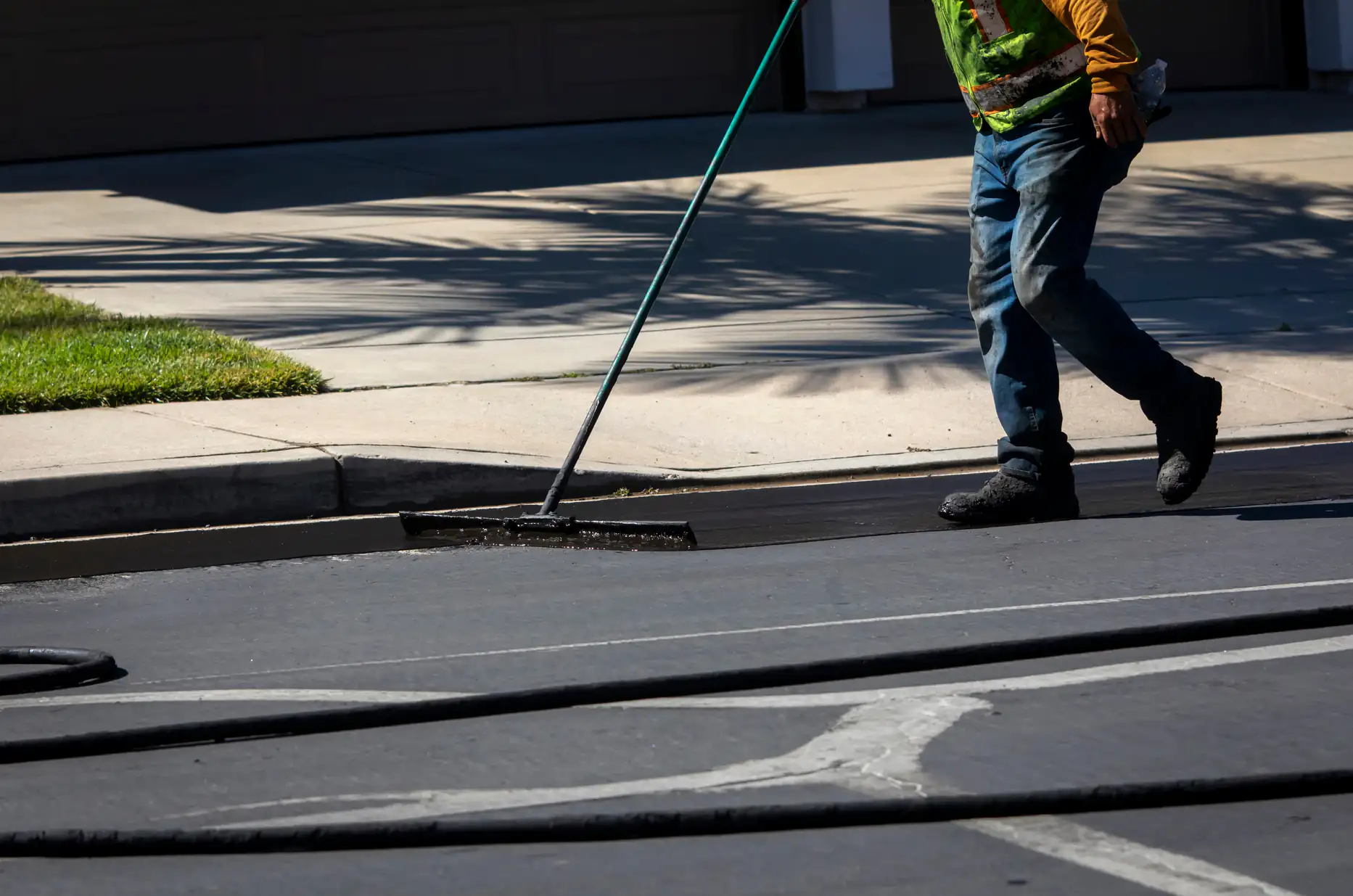
Then we apply the sealcoat itself. We use professional-grade materials that protect against UV damage, water penetration, and chemical exposure from de-icing salts. The application has to happen in the right weather conditions—temperatures above 50°F and no rain in the forecast for at least 24 hours. Rushing this step is how you end up with a sealcoat that peels or wears unevenly.
After application, your driveway needs time to cure. Most driveways are ready for foot traffic within 24 hours and vehicle traffic within 48 to 72 hours, depending on temperature and humidity. We’ll give you specific instructions based on the conditions during your job.
Ready to get started?
Driveway sealcoating in Kenvil typically runs between $0.15 and $0.40 per square foot. For a standard 600-square-foot driveway, that’s $180 to $270. New Jersey prices run about 15 to 20% higher than the national average because of our labor costs and the extra wear from freeze-thaw cycles, but that’s also why sealing matters more here than it does in warmer climates.
Your quote includes surface inspection, crack assessment, cleaning, and sealcoat application. If your driveway needs crack filling, that’s typically priced separately—small repairs run $100 to $300, while larger pothole repairs can cost $300 to $800 depending on depth and size. We’ll identify those issues upfront so there are no surprises.
Timing matters, too. The best time for asphalt driveway sealing in Kenvil is late spring through early fall when temperatures are consistently above 50°F. Sealing too early or too late in the season means the material won’t cure properly, and that shortens how long the protection lasts. Most driveways should be resealed every two to three years depending on traffic and exposure.
One more thing: if your driveway is brand new, wait at least six months before sealing. Fresh asphalt needs time to cure fully, and sealing too soon can trap oils that need to evaporate. If your driveway is older than 20 years and showing significant deterioration, sealing might not be enough—you may need resurfacing or replacement instead. We’ll tell you honestly which option makes sense for your situation.
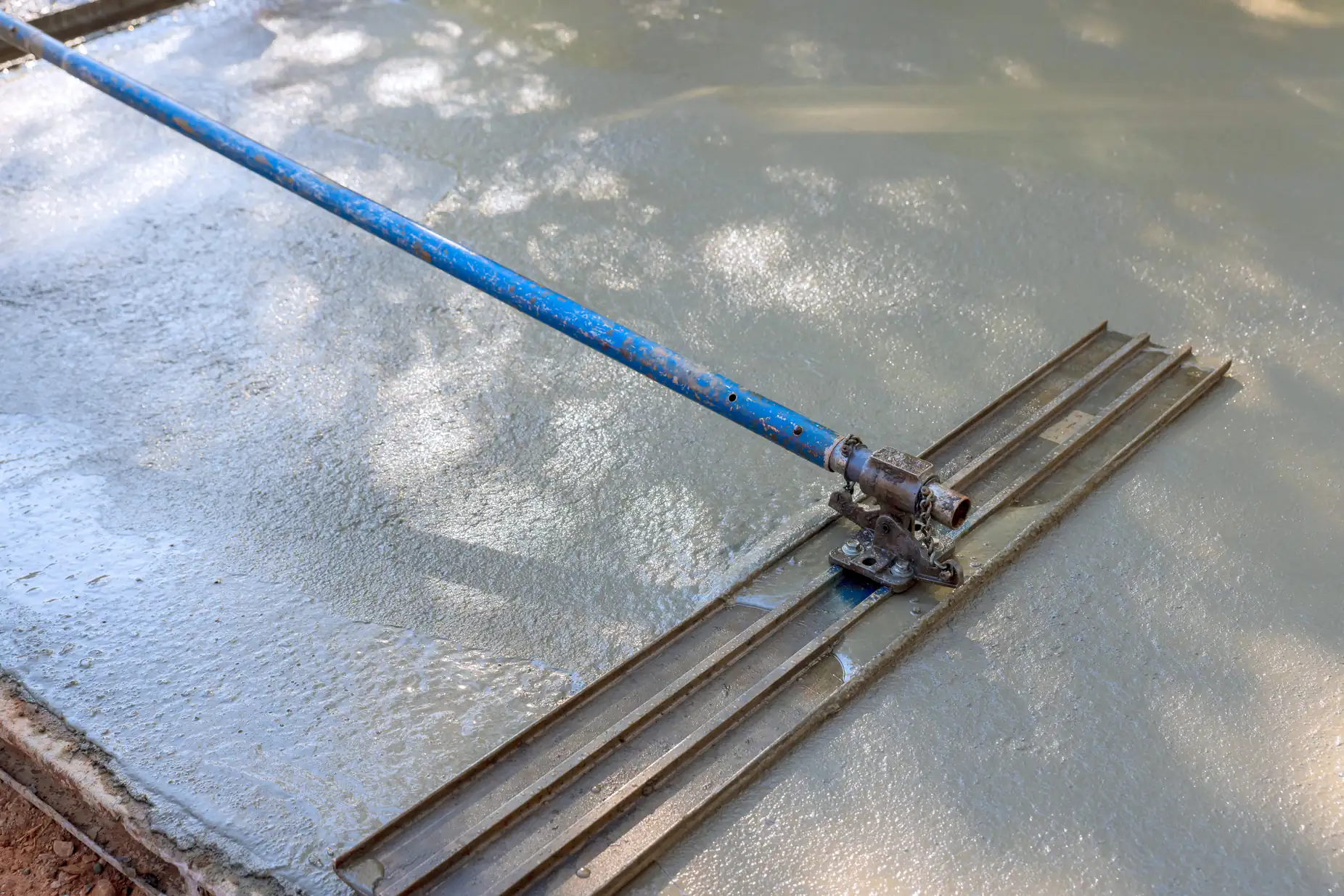
A professional sealcoat typically lasts two to three years in New Jersey, though that timeline depends on traffic, weather exposure, and how well the surface was prepped. Driveways that see heavy vehicle traffic or sit in full sun year-round may need resealing closer to the two-year mark.
North Jersey’s freeze-thaw cycles accelerate wear faster than in other regions. Every winter, your driveway goes through dozens of freeze-thaw events that break down the sealcoat layer. That’s why resealing every two to three years is standard here, even though national guidelines sometimes suggest longer intervals.
If you’re seeing faded color, water absorption instead of beading, or small cracks starting to reappear, it’s time to reseal. Waiting too long between coats means water gets back into the asphalt base, and once that happens, you’re looking at more expensive crack repairs or even structural damage.
Crack filling repairs existing damage, while sealcoating prevents future damage. They’re two different processes, and most driveways need both to stay in good shape.
Crack filling uses a rubberized material to seal cracks that are already present in your asphalt. This stops water from getting into the base layer and causing bigger problems like potholes or sunken areas. If your driveway has cracks wider than a quarter-inch, those need to be filled before you sealcoat. Applying sealcoat over unfilled cracks doesn’t fix the underlying issue—it just hides it temporarily.
Sealcoating, on the other hand, is a protective layer applied to the entire surface. It blocks UV rays, repels water, and resists oil and chemical damage. Think of crack filling as fixing what’s broken and sealcoating as protecting what’s still good. Most driveways in Kenvil benefit from doing both, especially if they’re more than five years old.
You can buy DIY sealcoat products at hardware stores, but the results usually don’t compare to professional application. The biggest difference is in surface prep and material quality.
We use commercial-grade sealers that last longer and bond better than consumer products. We also have equipment that cleans the surface thoroughly and applies the sealer evenly at the right thickness. Too thin and it wears off quickly. Too thick and it can crack or peel. Getting that balance right takes experience and the right tools.
The other issue is timing and conditions. If you apply sealer when it’s too cold, too hot, or with rain in the forecast, it won’t cure properly. We know how to read weather conditions and plan application timing so the sealcoat performs the way it should. DIY jobs often fail because the conditions weren’t right, not because the homeowner didn’t follow the instructions. For a 600-square-foot driveway, the cost difference between DIY and professional work is a few hundred dollars—worth it for results that actually last.
Late spring through early fall is the ideal window for driveway sealcoating in Kenvil. You need consistent temperatures above 50°F during the day and no overnight freezing for at least 48 hours after application.
May through September typically offers the most reliable conditions. Sealing too early in spring means you risk a late cold snap that prevents proper curing. Sealing too late in fall means shorter days, cooler nights, and a higher chance of rain—all of which interfere with how well the sealcoat bonds and dries.
Summer is popular, but extreme heat can be tricky too. If temperatures climb above 90°F, the sealer can dry too fast and not bond properly. That’s why we watch the forecast closely and schedule jobs during stable weather windows. If you’re planning to seal your driveway, reach out in early spring to get on the schedule for optimal timing. Waiting until late summer or early fall means you might run out of good weather before the job gets done.
Most residential driveways in Kenvil cost between $180 and $270 to sealcoat, based on the typical size of 600 square feet. Larger driveways or those requiring extra prep work will cost more, while smaller driveways may come in under that range.
The price per square foot usually falls between $0.15 and $0.40, depending on the condition of your asphalt, how much cleaning is needed, and whether crack filling is required before sealing. If your driveway has significant cracking, budget an additional $100 to $300 for crack repairs. Larger potholes can add $300 to $800 depending on how deep and widespread the damage is.
New Jersey prices run higher than the national average because of labor costs and the fact that our driveways take more abuse from winter weather. But compare that to the cost of replacing your driveway—$3,000 to $10,000 for most residential properties—and sealing every few years is an easy decision. The investment extends your driveway’s lifespan significantly and prevents the kind of damage that forces a full replacement.
Yes, and it’s one of the most effective things homeowners can do to prevent freeze-thaw damage. Sealcoating creates a waterproof barrier that stops moisture from penetrating your asphalt. That matters because water is what causes most winter damage.
When water seeps into unsealed asphalt and freezes, it expands by 9%. That expansion creates pressure inside the pavement, leading to cracks, potholes, and surface deterioration. Kenvil experiences 55 to 75 freeze-thaw cycles every winter, which means your driveway goes through that expansion-contraction process dozens of times each season. Without sealcoating, that cycle breaks down your asphalt fast.
Sealcoating also protects against de-icing salts, which are corrosive and accelerate asphalt breakdown. A sealed surface resists salt penetration and makes it easier to clear snow and ice without damaging the pavement underneath. Driveways that get sealed regularly can last 25+ years, while unsealed driveways in New Jersey often need replacement after just 12 to 15 years. The protection is real, and the cost difference over time is significant.