
Hear from Our Customers
Highland Lakes sees 55 to 75 freeze-thaw cycles every winter. Water gets into small cracks, freezes, expands by 9%, and pushes your asphalt apart from below. That’s why you see driveways that looked fine in October covered in new cracks by March.
Sealcoating every 2-3 years creates a waterproof barrier that stops this cycle before it starts. You’re not just making your driveway look darker—you’re blocking UV rays that dry out the asphalt binder, preventing water infiltration that leads to base failure, and protecting against oil stains and ice melt chemicals that break down the surface.
Most Highland Lakes homeowners who sealcoat regularly get 25+ years from their driveways. Those who skip it? They’re repaving at year 12 or 15, spending five figures on a problem that cost a few hundred dollars to prevent.
We’ve worked in Highland Lakes and across Morris, Sussex, and Somerset Counties since the early 2000s. We know what New Jersey weather does to asphalt because we’ve seen it happen to thousands of driveways.
Your property isn’t like the one next door. Highland Lakes has everything from flat lakefront lots to sloped hillside properties with drainage challenges. We factor in your specific grade, sun exposure, and traffic patterns before we start work.
You get a callback within 24-48 hours when you request a quote. We show up when we say we will, explain what we’re doing and why, and give you upfront pricing with no surprise charges.
First, we clean the entire surface with commercial blowers and power brooms. Oil stains, dirt, and loose debris prevent sealant from bonding properly, so this step matters more than most homeowners realize.
Next, we fill any cracks wider than a quarter-inch with hot rubberized crack filler. This isn’t optional—sealing over unfilled cracks just hides the problem for a few months until water gets underneath and makes it worse.
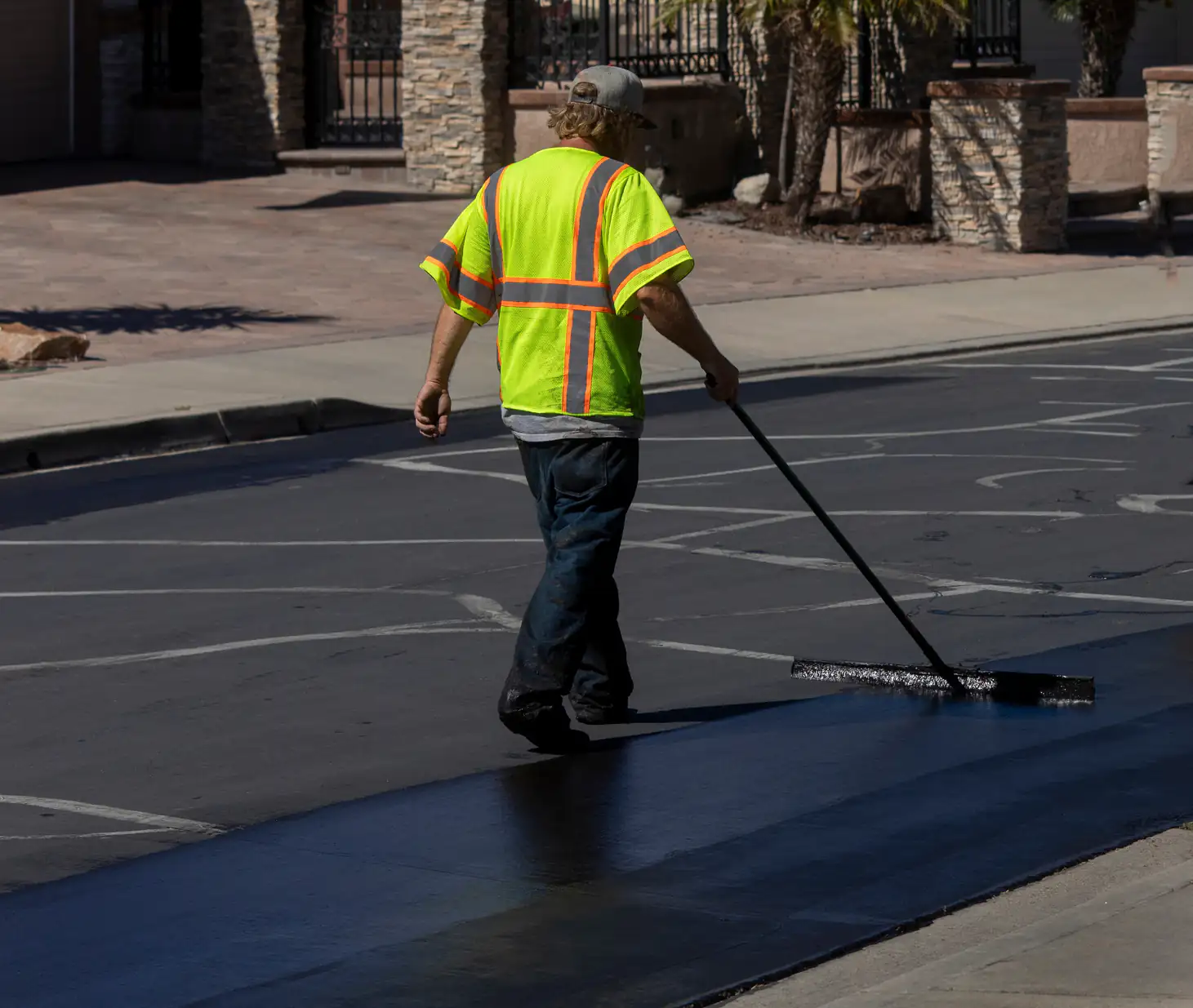
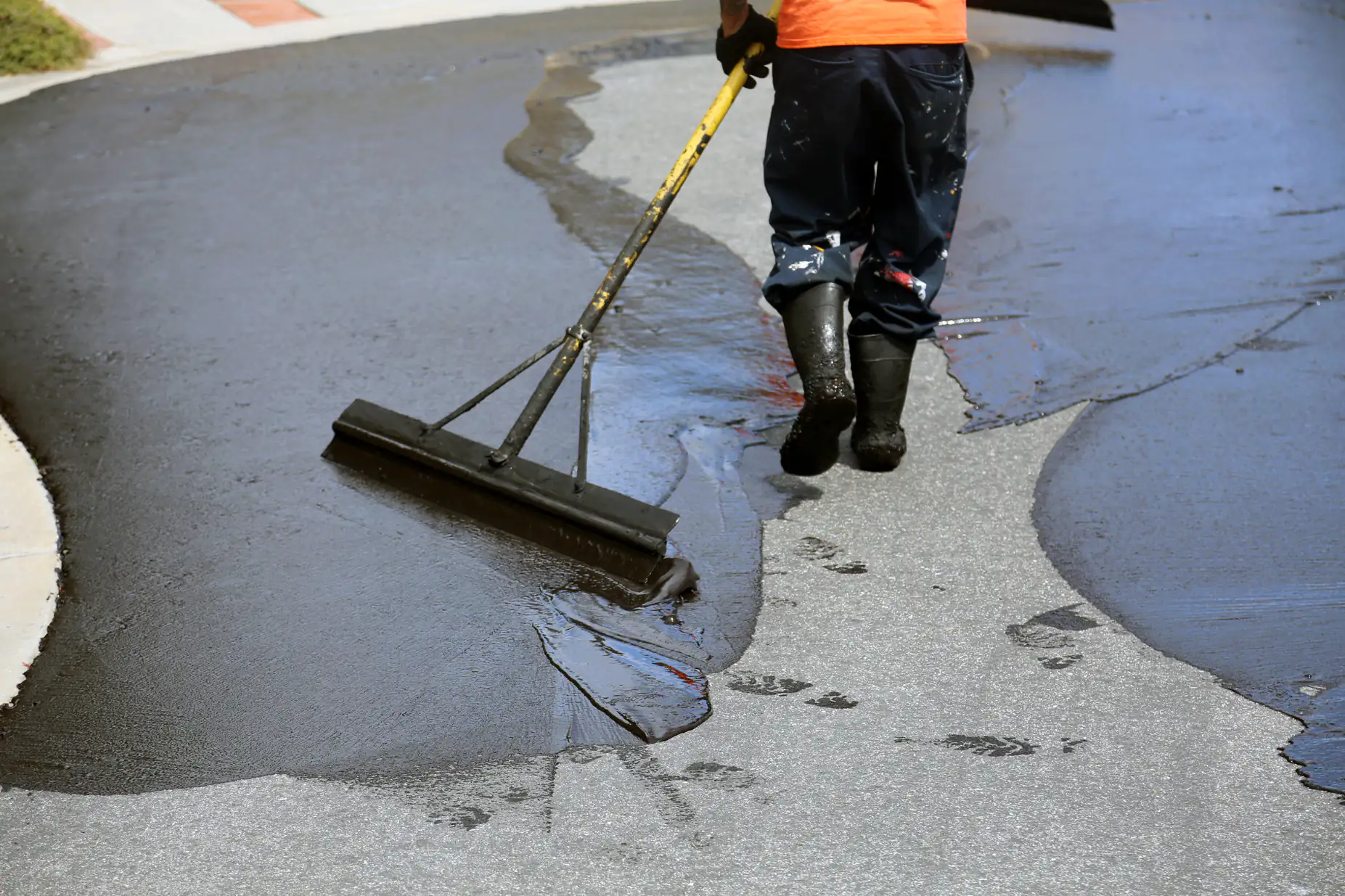
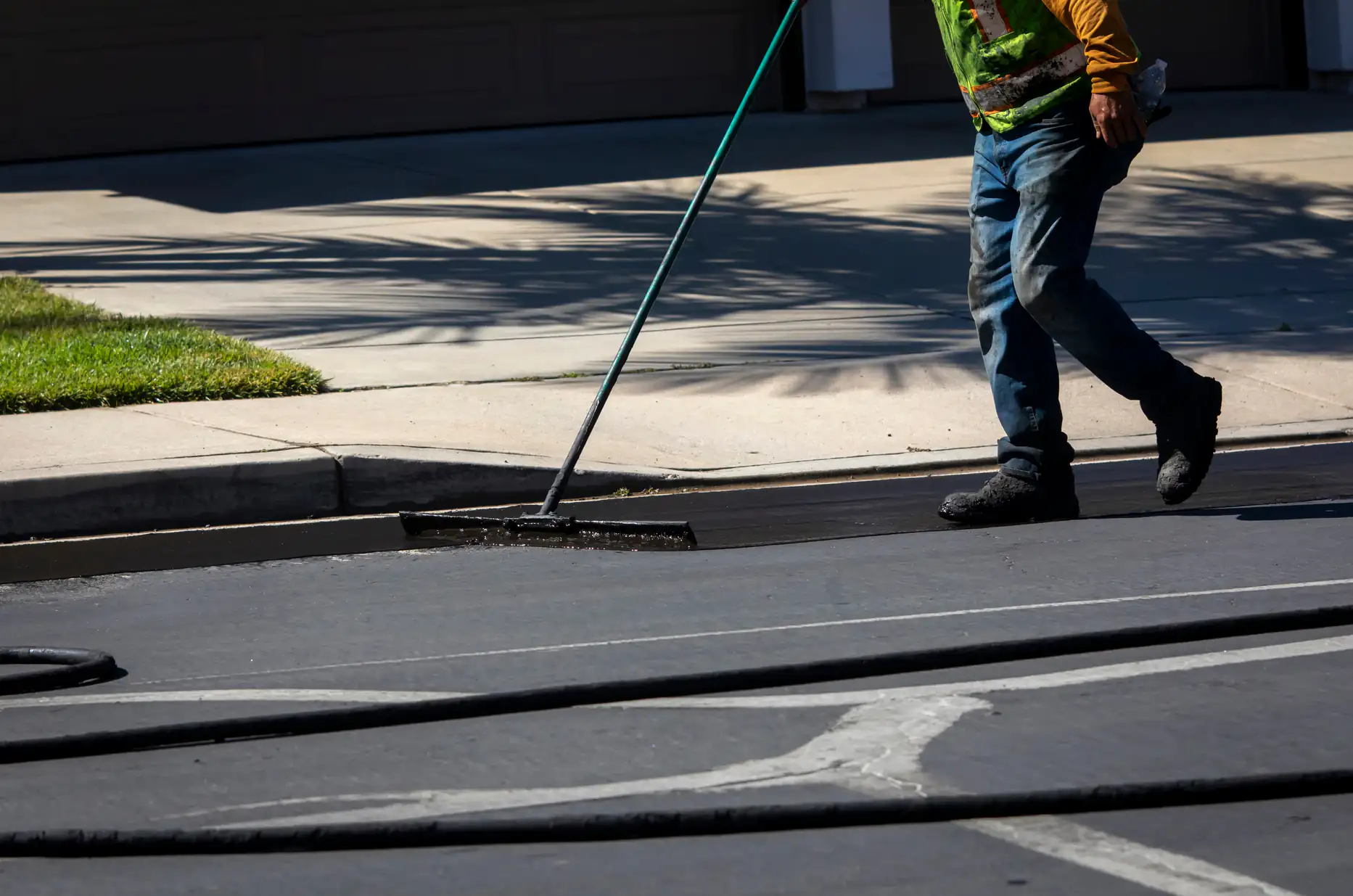
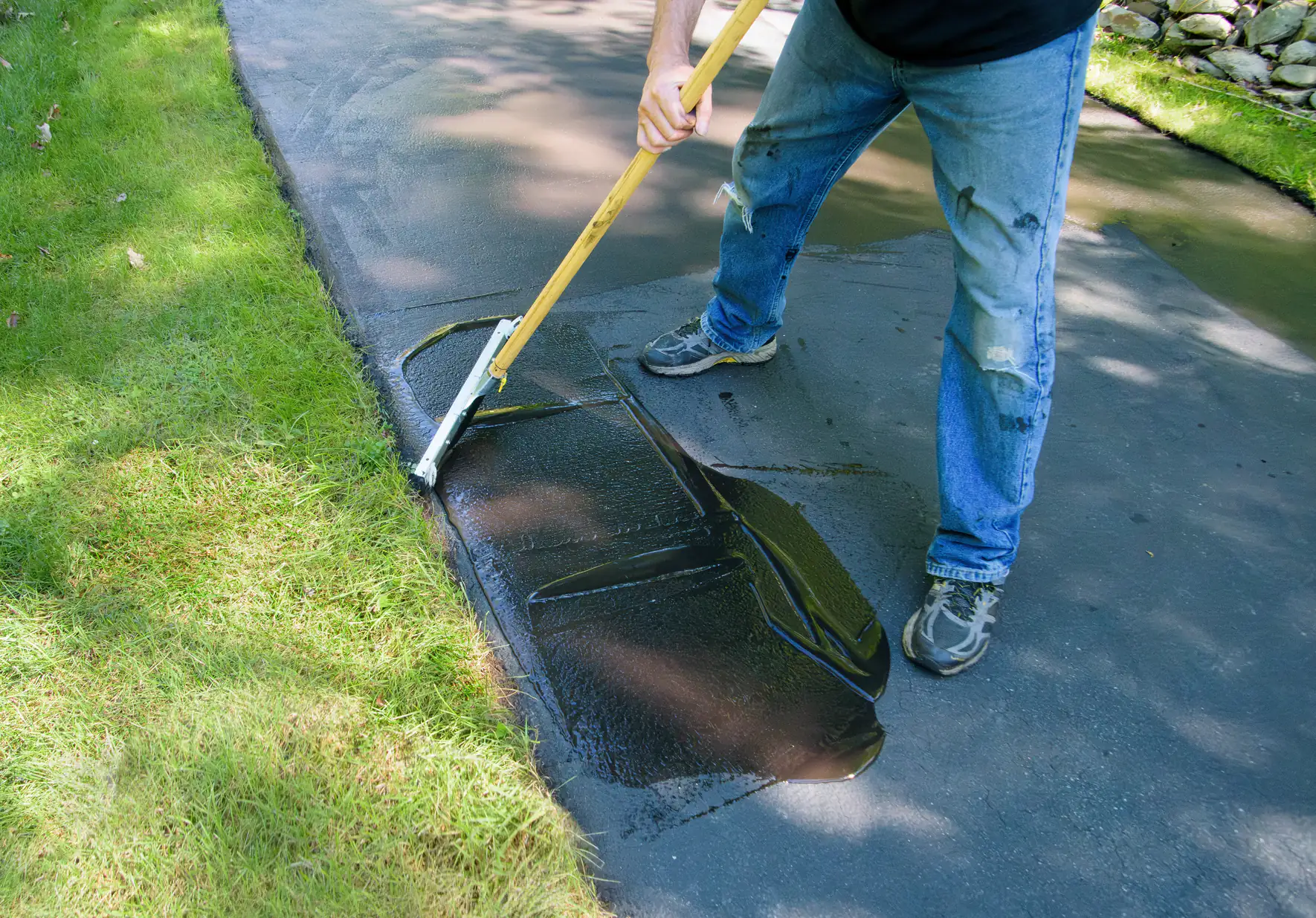
Then we apply two coats of commercial-grade coal tar or asphalt emulsion sealer. We use squeegees and spray equipment depending on your driveway’s texture and condition. The first coat seals the surface, the second coat ensures even coverage and maximum protection.
You can walk on it after 24 hours. You can drive on it after 48-72 hours, depending on temperature and humidity. We schedule most Highland Lakes jobs between May and October when temperatures stay consistently above 50°F day and night, because sealant needs warm weather to cure properly.
Ready to get started?
Most Highland Lakes homeowners with a standard two-car driveway (around 600 square feet) pay $180-270 for professional sealcoating in 2025. That includes surface cleaning, crack filling up to 50 linear feet, and two coats of premium sealer.
Larger driveways, properties with significant cracking, or surfaces that haven’t been sealed in 5+ years cost more because they need more prep work. If your driveway has alligator cracking or base failure, sealcoating won’t fix it—you need patching or resurfacing first, which runs $2-5 per square foot.
You’re paying for materials that actually protect your asphalt, not the cheapest product we can source. You’re paying for proper surface prep, which determines how long the sealcoat lasts. And you’re paying for experience—we know how thick to apply it, how to handle slopes and drainage areas, and when weather conditions are right for curing.
This isn’t a luxury service. It’s the most cost-effective maintenance you can do. A professionally installed asphalt driveway in Highland Lakes typically lasts 15-20 years with proper maintenance. Skip the sealcoating and you’re looking at 10-12 years before you need expensive repairs.
Every 2-3 years for most driveways. New asphalt should be sealed 6-12 months after installation, once the oils in the fresh asphalt have cured. After that, you’re looking at a reapplication every 24-36 months depending on traffic, sun exposure, and how well the previous sealcoat held up.
If your driveway gets heavy use—multiple vehicles daily, delivery trucks, snowplows in winter—you might need to seal it every two years. Driveways in full sun fade faster than shaded ones because UV rays break down the asphalt binder more quickly.
You can tell it’s time when the surface looks gray instead of black, when you see small cracks forming, or when water stops beading up and starts soaking in. Don’t wait until you have major cracking. At that point you’re paying for crack filling and possibly patching before you can even seal it.
Asphalt and concrete need completely different products and approaches. Asphalt sealcoating uses coal tar or asphalt emulsion to create a protective layer that blocks water, UV rays, and chemicals. It’s a thick coating that fills small surface voids and gives you that fresh black appearance.
Concrete sealing uses penetrating sealers or topical acrylics that protect against moisture, salt damage, and staining without changing the appearance much. You’re not filling voids—you’re creating a barrier that stops water from getting into the pores of the concrete.
The application process differs too. Asphalt sealcoating goes on thick with squeegees or spray equipment and needs 48-72 hours to cure. Concrete sealer penetrates the surface or forms a thin topcoat and usually cures faster. Both protect against freeze-thaw damage, which matters in Highland Lakes, but they work differently because the materials themselves are different.
You can buy DIY sealcoating products at home improvement stores for $20-30 per 5-gallon bucket. Whether you should depends on your time, equipment, and expectations. DIY sealer is thinner than commercial-grade products and typically doesn’t last as long—maybe 1-2 years instead of 2-3.
You’ll need a driveway broom or blower, crack filler and a caulking gun, squeegees or a spray system, and enough product to cover your square footage with two coats. Most homeowners underestimate how much prep work matters. If you don’t clean the surface thoroughly or fill cracks properly, your sealer won’t bond well and you’ll see premature failure.
Professional application costs $0.15-0.40 per square foot in Highland Lakes. You’re paying for commercial-grade materials, proper equipment, experience with application thickness and technique, and the knowledge to spot underlying problems before they become expensive repairs. If your driveway is small and in good condition, DIY might work. If it’s large, sloped, or has drainage issues, professional application usually makes more sense.
Yes, but only if the asphalt underneath is still structurally sound. Sealcoating prevents water from penetrating the surface, which is critical because water is what causes freeze-thaw damage. When water gets into cracks and pores, it freezes when temperatures drop below 32°F, expands by about 9%, and pushes the asphalt apart with up to 30,000 psi of pressure.
Highland Lakes experiences this cycle 55-75 times every winter. A properly applied sealcoat creates a waterproof barrier that stops this process before it starts. But it’s not magic—if you already have deep cracks, potholes, or base failure, sealcoating won’t fix those problems. You need to repair the damage first, then seal to prevent new damage.
Think of it like waterproofing a roof. If your shingles are intact, waterproofing extends their life significantly. If your roof already has holes and water damage, waterproofing the surface doesn’t fix the structural problems underneath. Same principle applies to your driveway.
Late spring through early fall—typically May through October. Sealcoating needs consistent temperatures above 50°F both day and night for at least 48 hours after application. The sealer has to cure properly, and cold temperatures prevent that from happening.
You also need dry conditions. Rain within 24 hours of application can wash away uncured sealer or cause streaking and uneven coverage. Highland Lakes weather can be unpredictable, so we watch the forecast closely and schedule accordingly.
Early fall is actually ideal because temperatures are moderate, humidity is lower than summer, and you’re protecting your driveway right before winter hits. Summer works too, but extreme heat can make the sealer dry too fast, and you can’t use your driveway during the hottest part of the day. Spring is good once nighttime temperatures stay consistently above 50°F. We don’t seal in winter or early spring when freeze-thaw cycles are still happening.
Two to three years with proper application and normal use. That timeline assumes you’re starting with asphalt in decent condition, the surface was properly cleaned and prepped, two coats of commercial-grade sealer were applied, and the driveway gets typical residential traffic.
Heavy use shortens that timeline. If you have multiple vehicles, regular delivery trucks, or snowplow activity every winter, you might see wear after 18-24 months. Sun exposure matters too—driveways in full sun fade faster than shaded ones because UV rays break down the sealer.
You’ll know it’s wearing out when the surface starts looking gray instead of black, when water stops beading up, or when you notice small cracks forming. That’s your signal to schedule another application. The goal isn’t to wait until the sealcoat completely fails—you want to reapply while it’s still providing some protection, so you’re maintaining a continuous barrier against water, UV damage, and chemicals.