
Hear from Our Customers
Your driveway stops bleeding money. That’s the short version.
Here’s what actually changes: water can’t get into the cracks anymore. When temperatures drop and rise 40+ times each winter in North Jersey, that water isn’t there to freeze, expand, and tear your asphalt apart from the inside. The small cracks you’re looking at right now won’t turn into potholes by spring.
You’re also buying time. A properly sealed driveway in Franklin lasts 25-30 years. One that never gets sealed? You’re looking at 5-7 years before you’re calling someone about replacement. The difference isn’t small—it’s the cost of a new car versus a few hundred dollars every couple of years.
And if you’re thinking about selling, the driveway is the first thing buyers see. A fresh seal makes your property look maintained, not neglected. It’s a small detail that changes the entire first impression.
We’ve worked in Franklin and across Morris County for over 20 years. We know what winter does to asphalt here because we’ve seen it happen to thousands of driveways.
We’re not the cheapest option you’ll find. We use a proprietary sealcoating product with over 50% solids—higher than the industry standard of 47%—and we back it with a written 2-year guarantee. Most driveway sealer companies in the area offer one year, if they offer anything in writing at all.
We also won’t take your money if we can’t deliver. If your driveway is too far gone to seal properly, we’ll tell you. We’re not interested in doing work we can’t stand behind.
First, we inspect your driveway for cracks, drainage issues, and base damage. If there are cracks, we fill them before sealing—otherwise you’re just covering up problems that’ll come back worse.
Next, we clean the surface. Oil stains, dirt, and debris prevent sealcoating from bonding properly. This step matters more than most contractors want to admit.
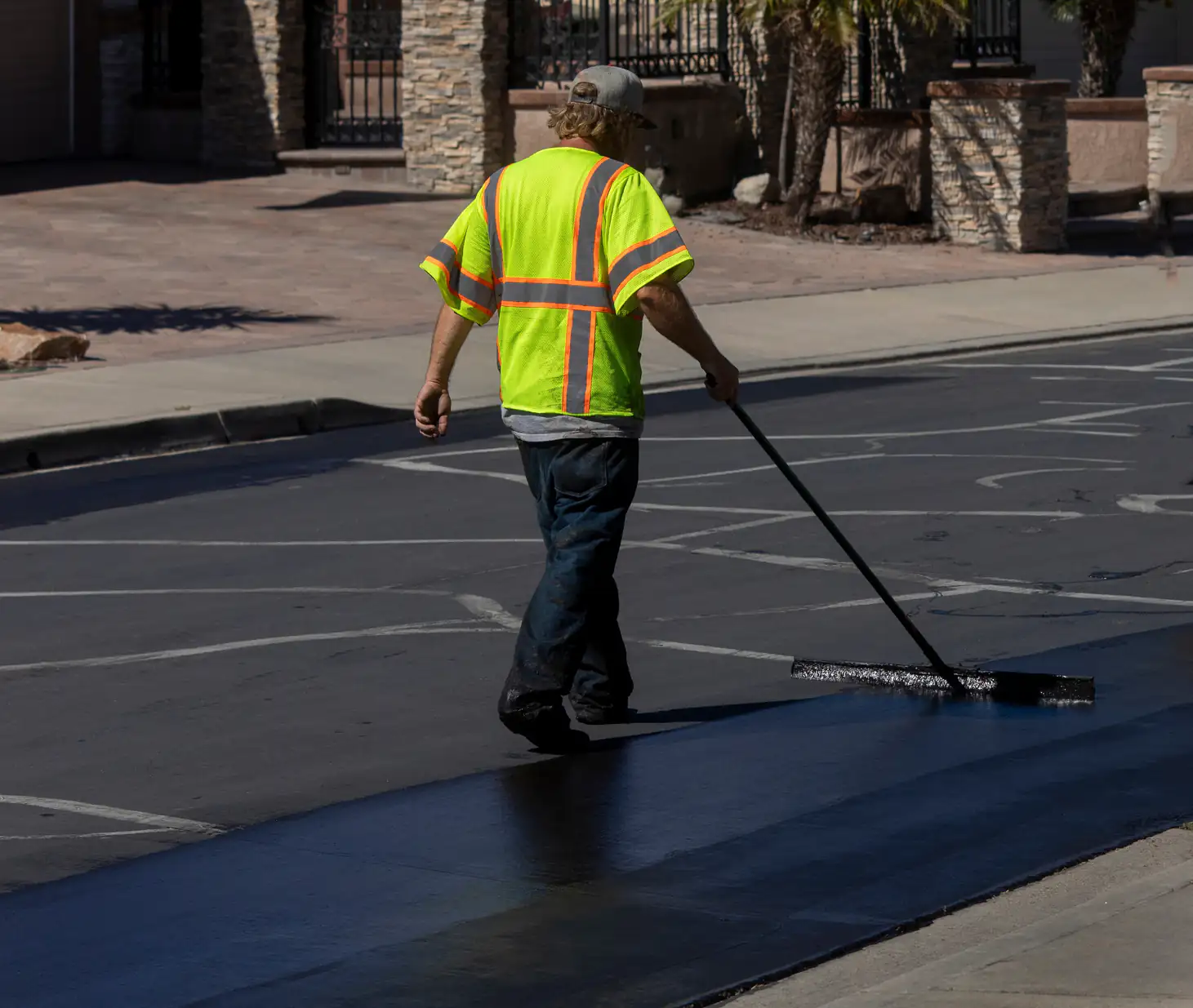
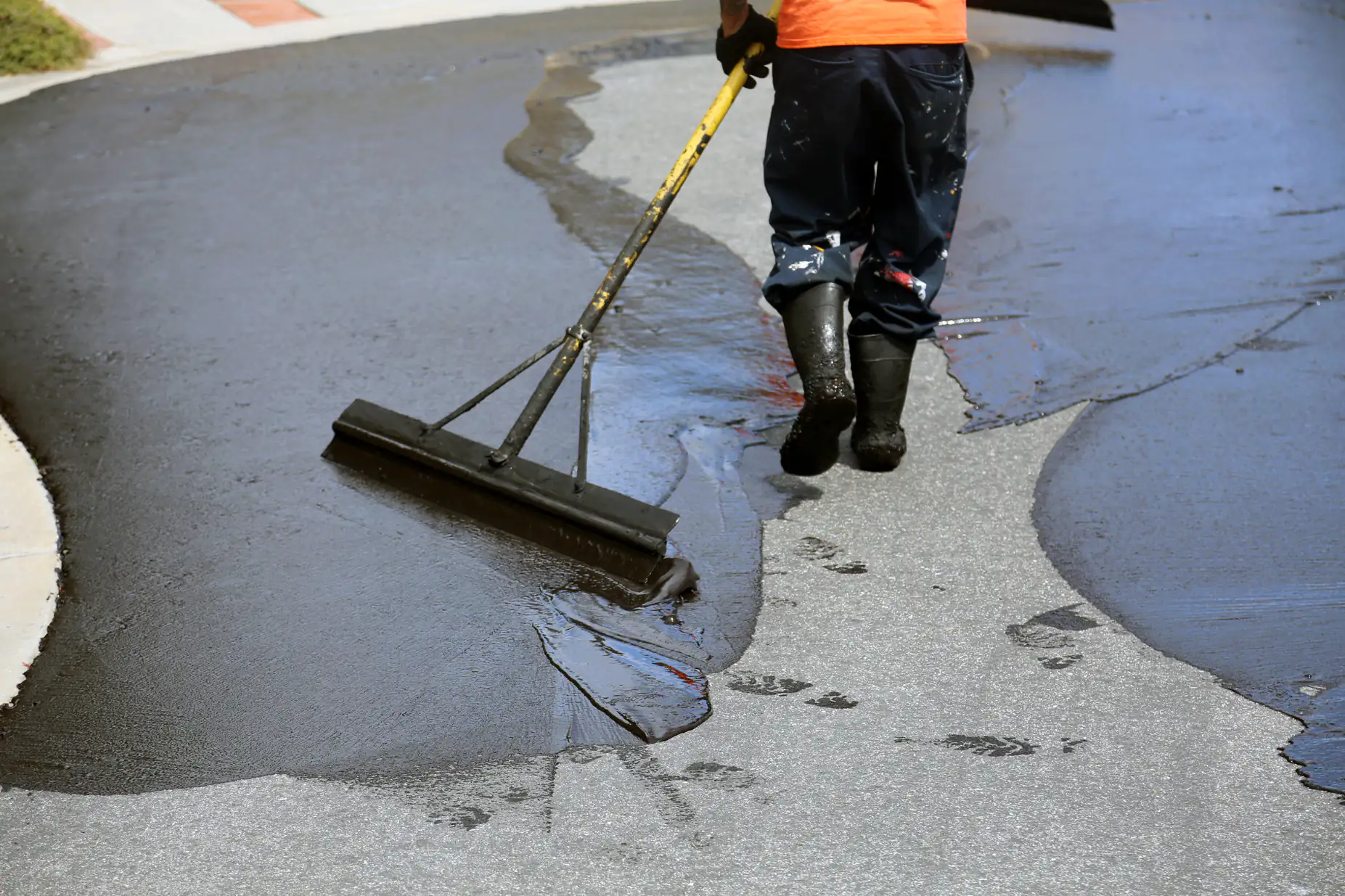
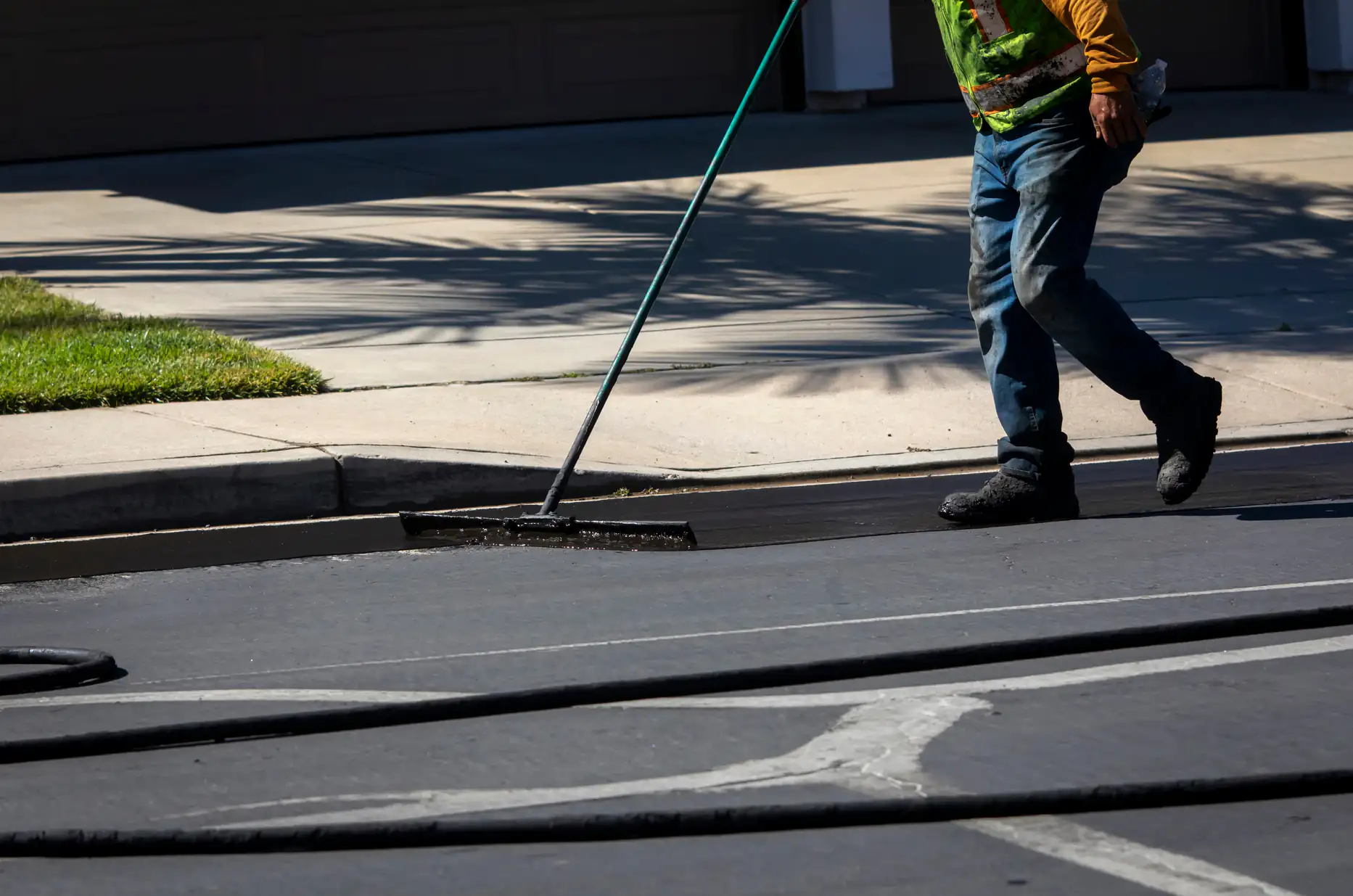
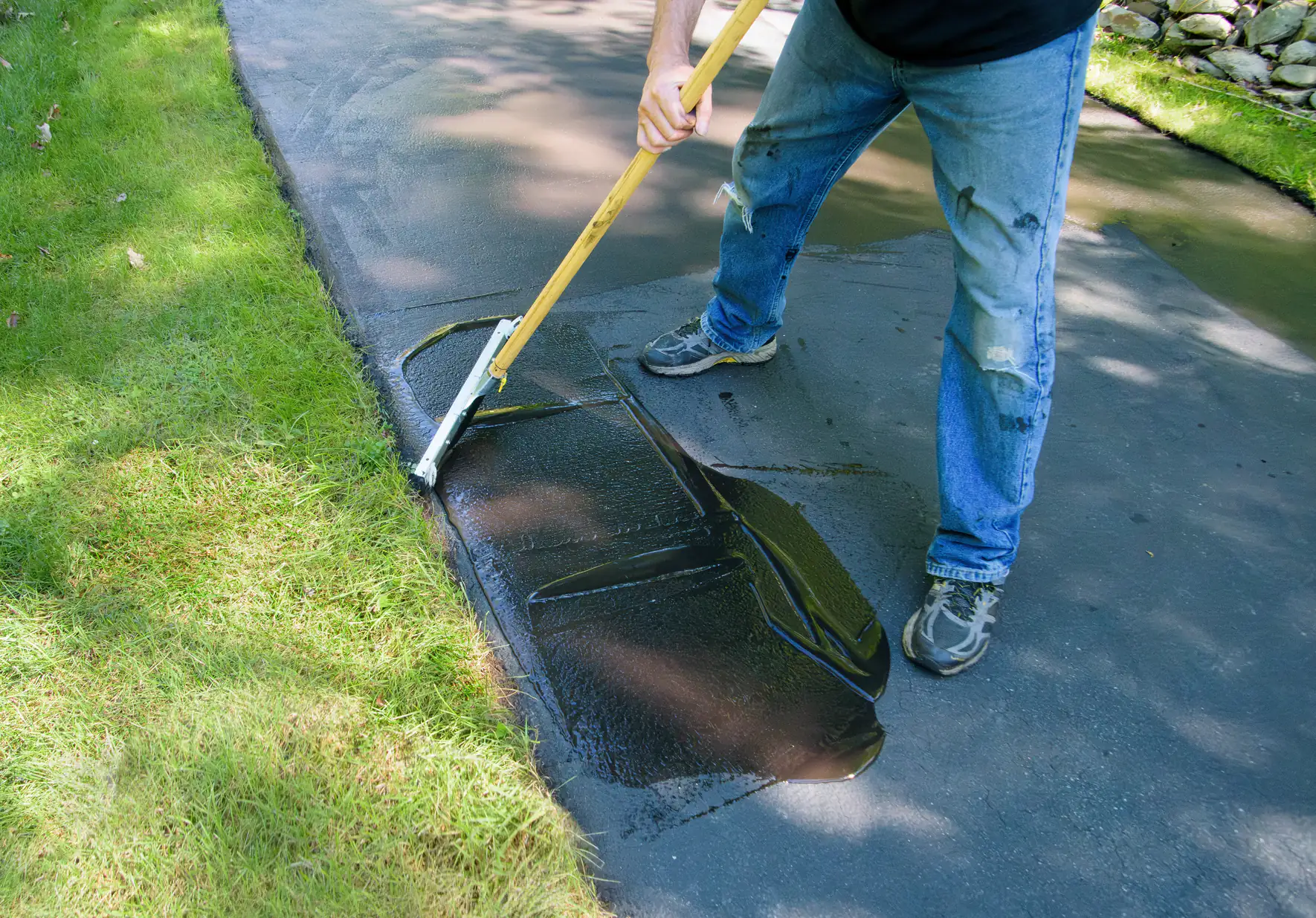
Then we apply the sealant by hand. Not sprayed. Hand application works the material into every pore and crevice, creating an even coat that actually protects. We spread it smooth, let it cure for 24-48 hours depending on weather, and you’re done.
Most residential driveways in Franklin take a few hours to complete. You’ll need to stay off it for about two days. After that, you’ve got a protective barrier that keeps water, oils, and UV damage from breaking down your asphalt.
Ready to get started?
Driveway sealing in Franklin typically runs between $200 and $500 for a standard residential driveway, depending on size and condition. That’s every 2-3 years. Compare that to $5,000+ for a full replacement and the math is pretty straightforward.
You’re paying for materials that actually last. Our sealcoating contains polymer modifiers that make it more flexible and durable than standard products. It resists cracking in cold weather and holds up better under traffic.
You’re also paying for proper application. A lot of driveway sealer contractors will spray and go. We hand-apply, which takes longer but creates a bond that won’t peel or flake. That’s why we can offer a 2-year written guarantee.
And you’re paying for crack sealing and surface prep. Those aren’t extras—they’re part of doing the job right. If water is already getting under your asphalt, sealing over it won’t help. We fix the entry points first, then seal.
Franklin’s weather is tough on asphalt. You’re in a zone that sees more freeze-thaw cycles than most of New Jersey. That means water infiltration is your biggest enemy, and sealcoating is your cheapest defense.
Every 2-3 years for most driveways. If your driveway is new, wait 6-12 months before the first seal—fresh asphalt needs time to cure fully before you lock it in.
After that, you’re looking at a seal every couple of years depending on traffic and weather exposure. If you park multiple cars daily or your driveway gets full sun, you might lean toward every 2 years. Light use in a shaded area can stretch to 3.
The key is watching the surface. When water stops beading and starts soaking in, it’s time. That means the previous seal has worn down and your asphalt is exposed again.
About 15-20 years of usable life. Asphalt that gets sealed regularly lasts 25-30 years. Asphalt that doesn’t gets 5-7 years before you’re dealing with serious damage.
Sealcoating creates a waterproof barrier. Without it, water seeps into the porous asphalt, freezes when temperatures drop, and expands. That expansion creates cracks. Those cracks let in more water. The cycle repeats 40+ times each winter in Franklin, and by spring you’ve got potholes.
It also protects against oil, gas, and UV rays—all of which break down asphalt over time. A sealed driveway holds its structure. An unsealed one deteriorates faster every year.
You can buy sealant at a hardware store, but the results won’t match professional work. Here’s why: most DIY products contain 35-40% solids. Professional-grade sealcoating has 47-50%+ solids, which means better coverage and longer protection.
Application matters just as much. Homeowners typically spray or roll sealant on, which doesn’t work it into the asphalt’s pores. We hand-apply and squeegee it in, creating a bond that lasts. DIY jobs often peel or wear off in under a year.
There’s also the prep work. If you don’t fill cracks first, clean oil stains properly, or apply in the right weather conditions, you’re wasting time and material. Most people don’t have the equipment or experience to handle that correctly.
If your driveway is small and in great shape, DIY might save you money short-term. But if you want it done right and backed by a guarantee, hire someone who does this daily.
A quality seal job lasts 2-3 years in Franklin’s climate. That’s with proper application, good materials, and normal wear. Cheap sealant or poor application might give you one winter.
New Jersey weather is hard on asphalt. You’re dealing with freeze-thaw cycles, heavy rain in spring and fall, summer heat, and road salt in winter. All of that breaks down sealcoating over time.
The lifespan also depends on traffic. A driveway with two cars coming and going daily wears faster than one with a single vehicle. Turning your wheels while stationary also grinds away at the surface.
When you start seeing faded color or water soaking in instead of beading up, the sealcoat is done. That’s your signal to reseal before water starts damaging the asphalt underneath.
Late spring through early fall—basically May through September in Franklin. You need temperatures above 50°F during application and for 24-48 hours after, with no rain in the forecast.
Sealcoating cures through evaporation. If it’s too cold, it won’t dry properly. If it rains before it’s fully cured, you’ll get streaks, thin spots, or complete failure. Summer is ideal because you get consistent warm, dry weather.
Early fall works too, but you’re racing the calendar. You want the seal fully cured and hardened before the first freeze. If temperatures drop too soon after application, the sealant can’t bond correctly.
Avoid sealing in spring if your driveway is less than a year old. New asphalt needs time to cure fully before sealing, and most driveways installed in summer or fall won’t be ready until the following spring at the earliest.
No. Sealcoating protects the surface—it doesn’t repair structural damage. If you have cracks or potholes, those need to be filled before sealing, or they’ll just get worse.
Small cracks get filled with rubberized crack filler that flexes with temperature changes. Larger cracks or potholes need patching with hot asphalt. Once those repairs are done, then we seal over everything to lock it in and prevent new damage.
Some contractors will seal right over cracks to make the driveway look better temporarily. That’s a waste of your money. Water is still getting in through those cracks, and within months you’ll see them reappear—often worse than before.
If your driveway has extensive cracking, alligator patterns, or sunken areas, sealcoating won’t help. At that point, you’re looking at resurfacing or replacement. We’ll tell you honestly if your driveway is past the point where sealing makes sense.