
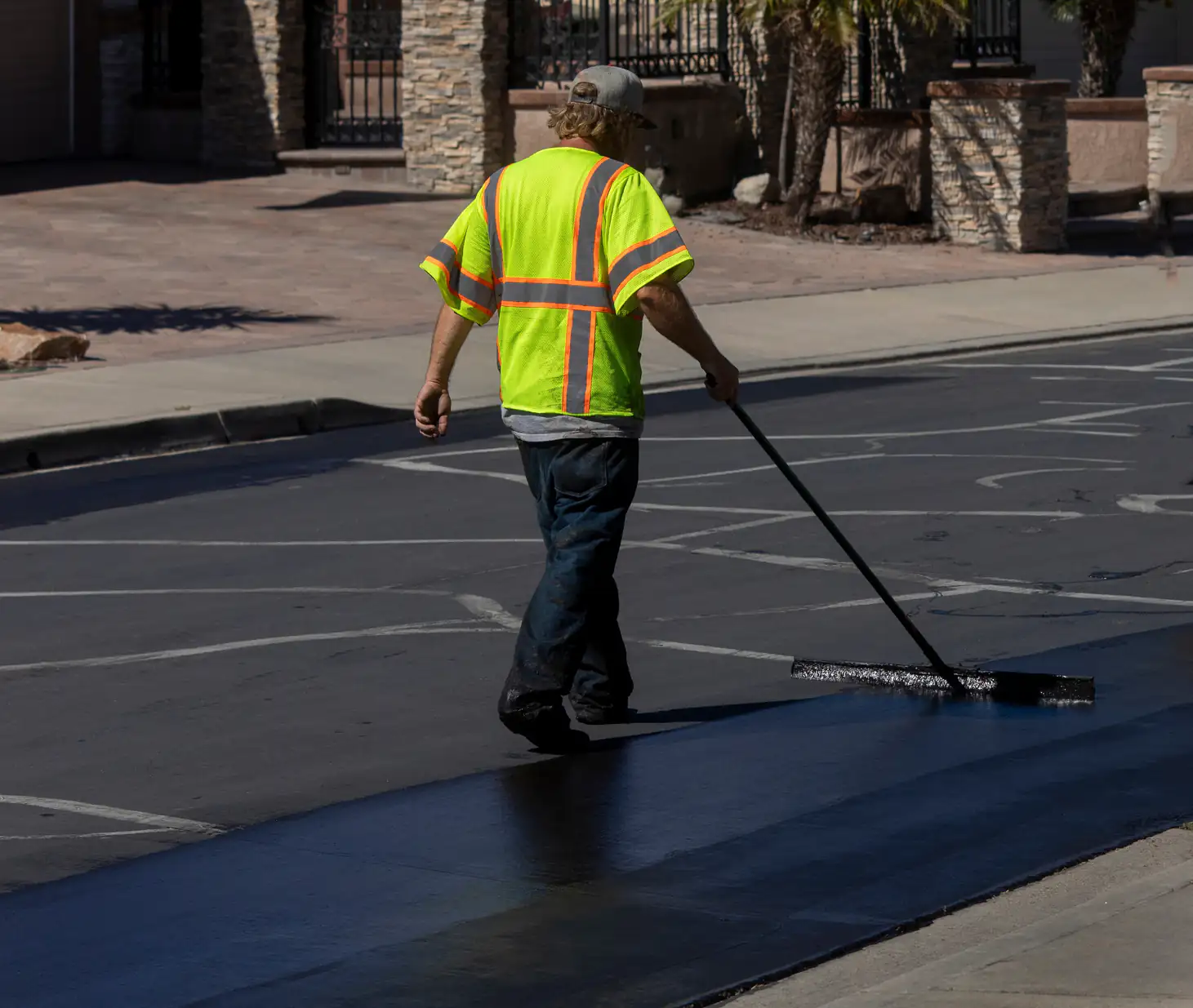
Hear from Our Customers
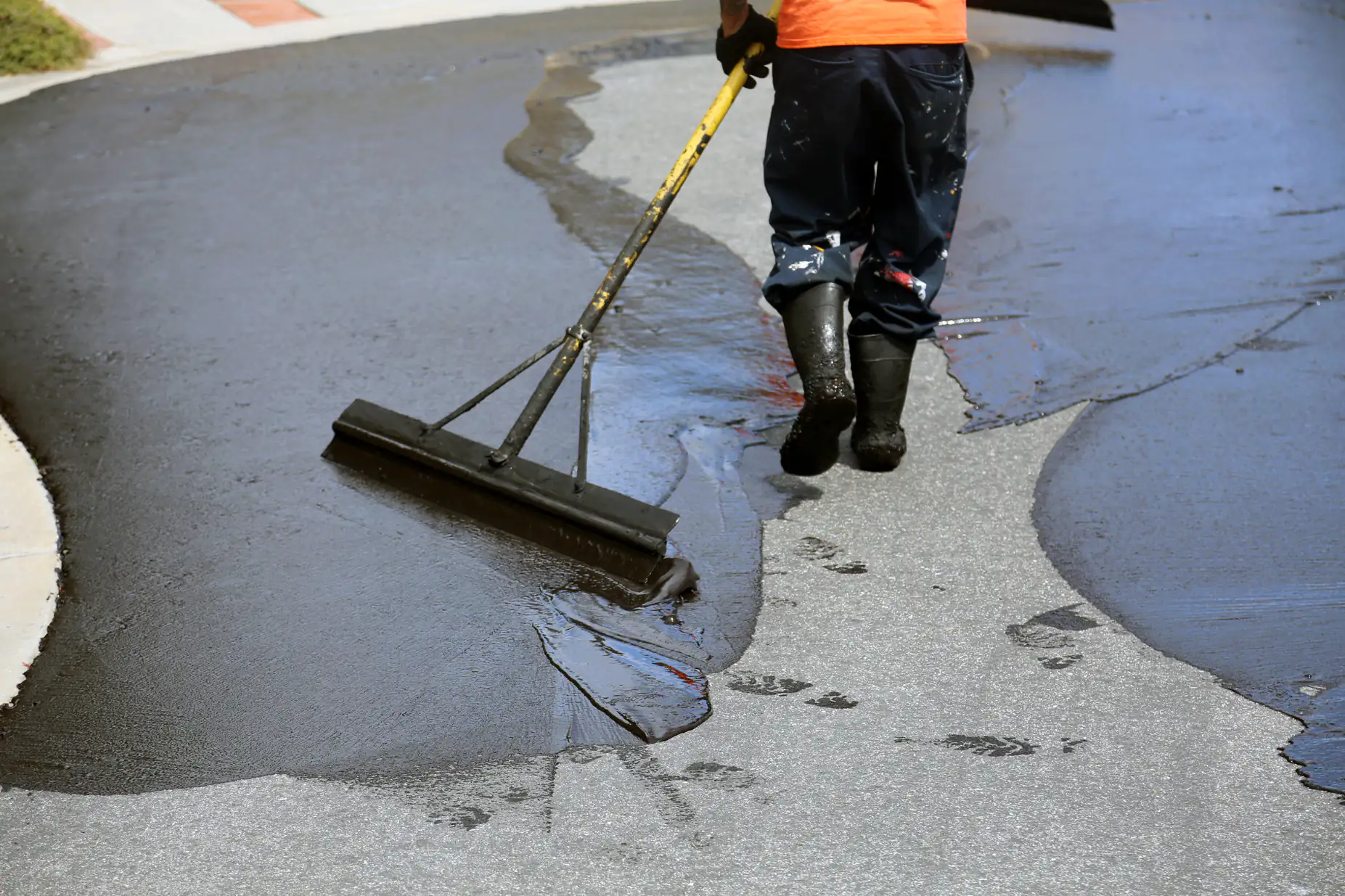
Here’s what most Chester homeowners don’t realize until it’s too late: that small crack in your driveway isn’t staying small. One winter of freeze-thaw cycles turns a hairline crack into a quarter-inch gap. Two winters and you’re looking at a pothole.
Professional asphalt driveway sealing stops that cycle before it starts. You get a protective barrier that keeps water out, resists the 500,000+ tons of road salt New Jersey dumps on roads every winter, and shields your asphalt from UV damage that makes it brittle and weak.
The math is simple. Sealcoating every 2-3 years costs you $200-$500. A full driveway replacement runs $5,000 or more. You’re not just protecting asphalt—you’re protecting what might be the most expensive feature of your property’s exterior.
And if you’re thinking about selling? Buyers notice driveways. A fresh, sealed surface signals that the home has been maintained. A cracked, faded one raises questions about what else has been ignored.
We’ve been serving Chester and the surrounding Morris County area since 1956. We’re a third-generation, family-owned contractor, which means we’re not showing up, doing the job, and disappearing. We live here. Our reputation depends on the work we do in your driveway.
Every sealcoating project gets owner supervision. Every proposal includes New Jersey insurance coverage. And every job is done with equipment and materials chosen specifically for North Jersey’s climate—not whatever’s cheapest or fastest.
Chester homeowners deal with temperature swings, heavy snowfall, and road treatments that eat through asphalt faster than almost anywhere else in the country. We’ve spent over 20 years learning how to protect driveways in exactly these conditions. That’s not something you get from a crew that works three states and disappears after one season.
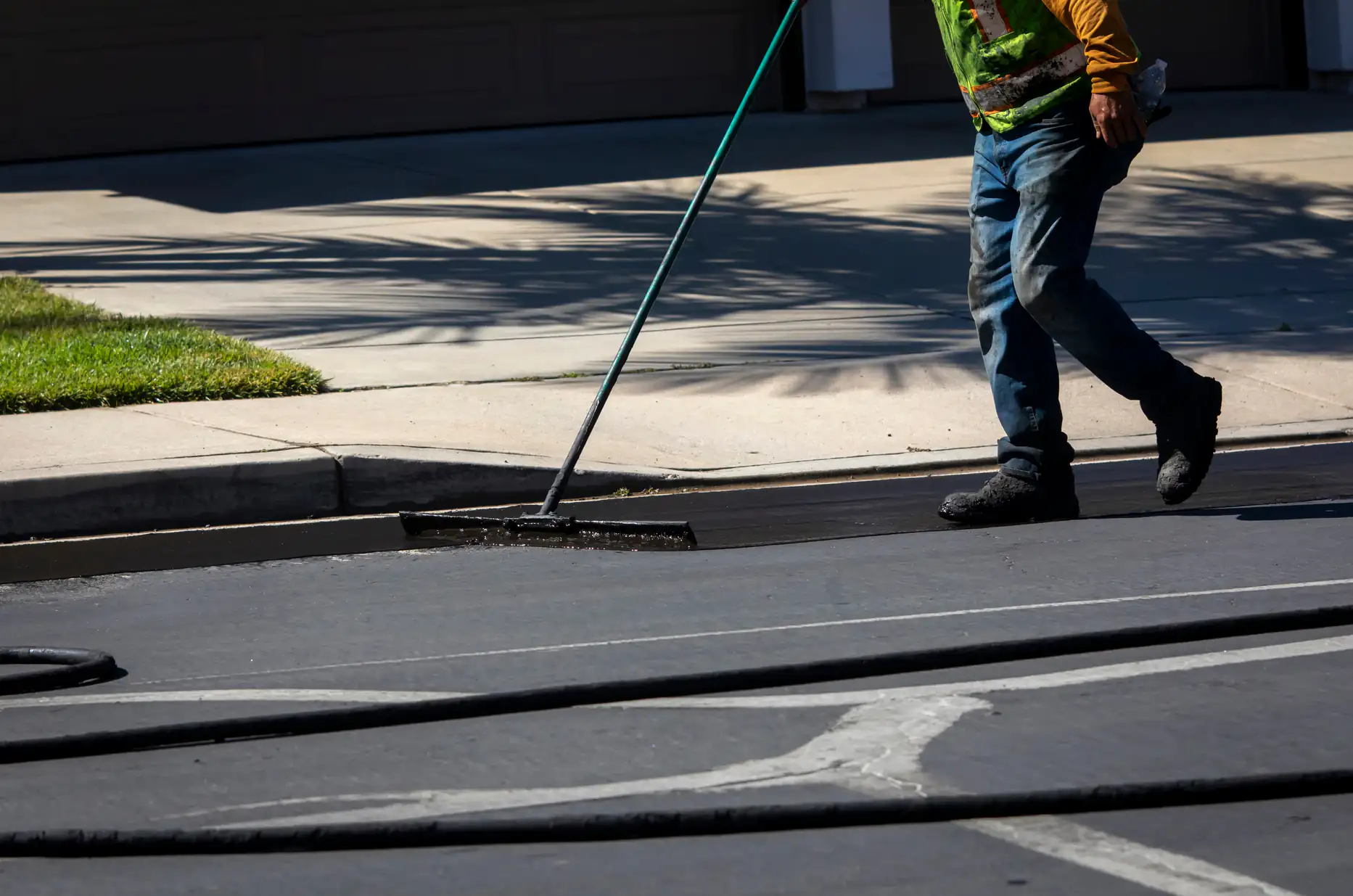
First, we assess the condition of your asphalt. If there are cracks wider than a quarter-inch, we fill them before sealing. Sealcoat doesn’t fix structural damage—it prevents it. So if repairs are needed, we handle that first.
Next, we clean the surface. Oil stains, dirt, debris—all of it has to go. Sealcoat only bonds to clean asphalt, so we don’t skip this step even when it’s tedious.
Then we apply a commercial-grade asphalt emulsion sealer. Not coal tar—that’s banned in parts of New Jersey and for good reason. We use asphalt-based sealants formulated for this climate, applied evenly with professional equipment that ensures proper coverage and thickness.
The sealer needs 24-48 hours to cure, depending on temperature and humidity. During that time, you’ll need to stay off the driveway. No shortcuts here—if it doesn’t cure properly, it won’t perform properly.
Once cured, your driveway gets that rich, dark finish that makes it look freshly paved. More importantly, it’s now protected against water infiltration, chemical damage, and UV breakdown. You’ve just added years to its lifespan.
Ready to get started?
Chester sits in a climate zone that sees 60-80 freeze-thaw cycles every winter. That’s 60-80 opportunities for water to seep into cracks, freeze, expand, and tear your asphalt apart from the inside. Professional sealcoating creates a waterproof barrier that stops this process cold.
You’re also getting chemical resistance. Road salt, gasoline drips, oil leaks—these break down the binders in asphalt and cause it to crumble. A quality sealant protects against all of it.
And because Chester homeowners tend to have longer driveways and multiple vehicles, wear patterns matter. Sealcoating smooths the surface, reduces friction, and makes your driveway easier to clean. Snow removal is easier. Stains wipe off faster. Small details, but they add up over 20+ years of ownership.
We don’t use one-size-fits-all products. The sealer we apply is selected based on your driveway’s age, condition, and exposure. A driveway in full sun needs different protection than one shaded by trees. We adjust our approach accordingly, because that’s what actually works long-term.
Spring and fall are ideal for sealcoating in New Jersey—mild temperatures, lower humidity, proper curing conditions. We’ll let you know the best timing for your specific project.
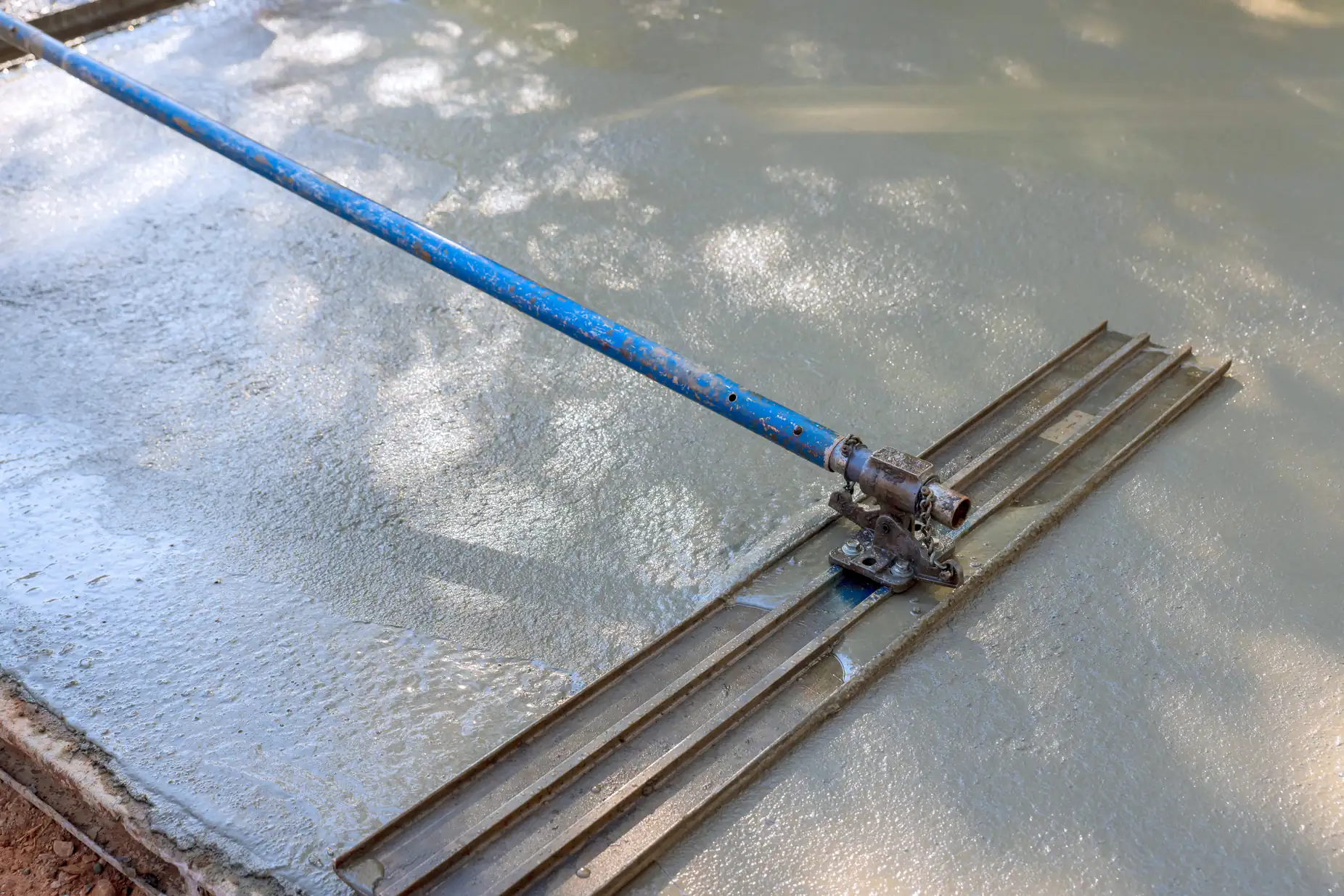
Every 2-3 years is the standard recommendation for residential driveways in Morris County. That timeline assumes normal wear—two cars, regular use, no heavy equipment.
If your driveway gets more traffic, sits in full sun all day, or has a steep slope that channels water, you might need sealing closer to every two years. Shaded driveways or those with lighter use can sometimes stretch to three years.
Here’s the test: if water stops beading on the surface and starts soaking in, it’s time. That means the previous sealcoat has worn through and your asphalt is exposed. The longer you wait past that point, the more damage occurs.
Crack filling is a repair. Sealcoating is prevention. They’re not interchangeable, and most driveways need both at some point.
Crack filling uses a rubberized material to fill gaps in the asphalt and stop them from expanding. It’s what you do when damage has already started. Sealcoating, on the other hand, is a protective layer applied over the entire surface to prevent cracks from forming in the first place.
If your driveway already has cracks, we fill those first, let them cure, then apply sealcoat over the whole surface. If we just sealed over cracks without filling them, water would still get in and the problem would continue. Both services work together, but they solve different problems.
You can buy DIY sealcoating products at any home improvement store. Whether you should is a different question.
The biggest issue is application quality. Box-store sealers are thinner and require multiple coats to match the protection of one professional-grade coat. Most homeowners don’t apply enough product, don’t prep the surface correctly, or seal in conditions that prevent proper curing.
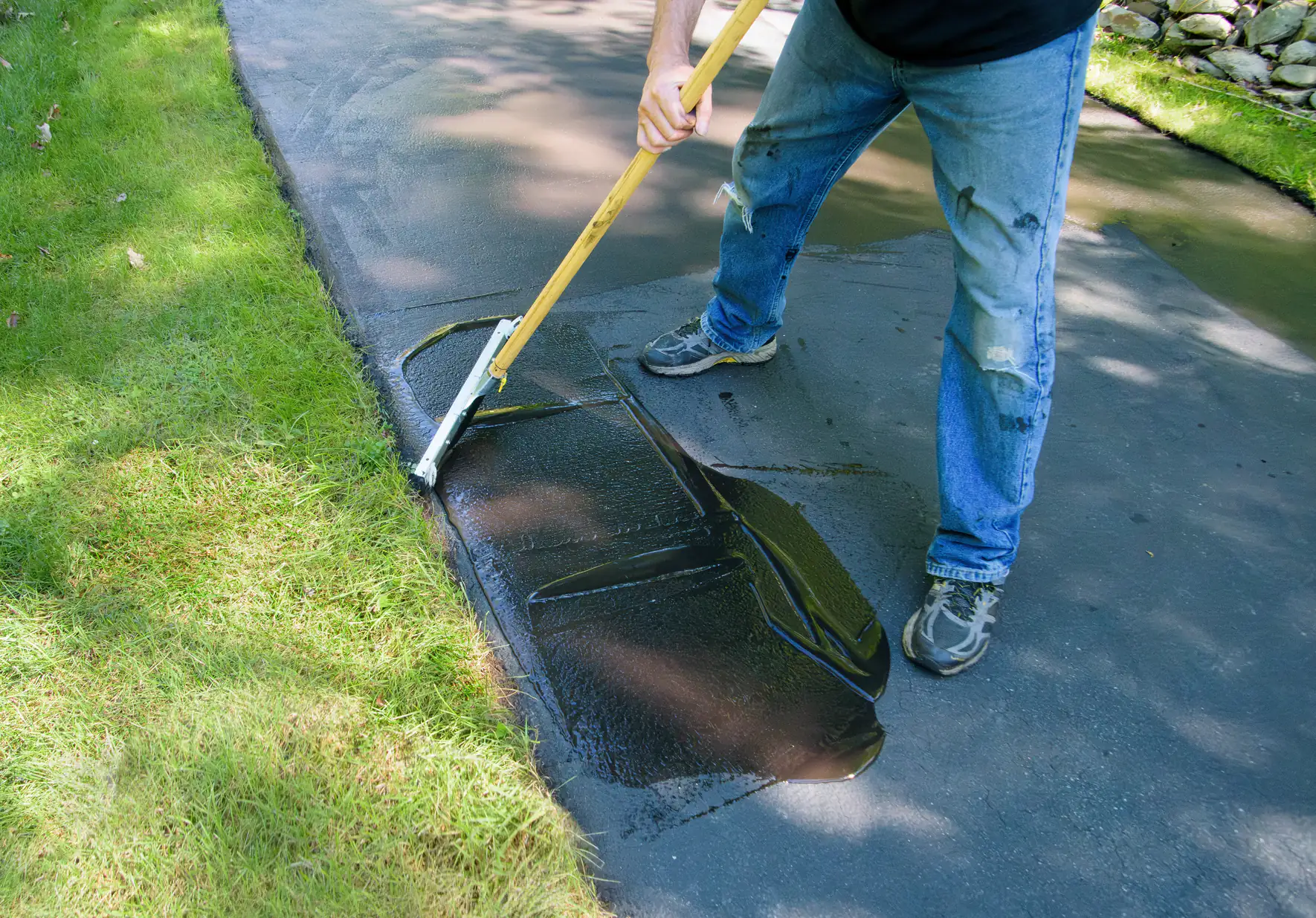
Then there’s equipment. We use commercial sprayers or squeegees designed for even coverage. A brush or broom from your garage won’t give you the same result, and uneven application means uneven protection.
If your driveway is small and you’re comfortable with the work, DIY can save money upfront. But if the job isn’t done right, you’ll pay for it in shorter lifespan and earlier repairs. For most Chester homeowners with larger driveways and significant property values, professional application is the smarter investment.
A professionally applied sealcoat typically lasts 2-3 years in New Jersey’s climate. That’s accounting for freeze-thaw cycles, road salt exposure, UV damage, and normal vehicle traffic.
The lifespan depends on a few factors. Driveways with southern exposure fade faster because of constant sun. Driveways near busy roads get more salt and chemical exposure. And driveways that aren’t cleaned regularly accumulate debris that wears through the sealant faster.
You’ll know it’s wearing out when the surface starts looking faded or grayish instead of deep black. Once water stops beading and starts absorbing into the asphalt, the protective layer is gone and it’s time to reseal. Waiting too long past that point means you’re back to unprotected asphalt, and that’s when cracks and damage accelerate.
Spring and fall are your best windows in Chester. You need temperatures above 50°F during application and for at least 24 hours afterward. You also need dry conditions—no rain in the forecast for at least 24-48 hours.
Spring is ideal because you’re sealing before summer heat starts breaking down exposed asphalt. Fall works because you’re adding protection right before winter freeze-thaw cycles begin.
Summer can work, but extreme heat causes issues. If it’s too hot, the sealer dries too fast and doesn’t bond properly. Early morning or late afternoon applications help, but spring and fall are more forgiving.
Winter is out. The sealer won’t cure in cold temperatures, and even if it appears dry, it won’t have the durability or adhesion it needs. We don’t schedule sealcoating projects between November and March for that reason.
Yes, and the difference is significant. An unsealed asphalt driveway in New Jersey typically lasts 15-20 years before it needs replacement. A properly maintained, regularly sealed driveway can last 25-30 years.
The reason is simple: sealcoating prevents the damage that kills driveways early. Water infiltration, freeze-thaw cracking, UV oxidation, chemical breakdown—these are what turn smooth asphalt into a cracked, potholed mess. Sealcoating blocks all of them.
Think of it like changing the oil in your car. Skipping it won’t destroy the engine immediately, but over time, the damage adds up until you’re facing a massive repair bill. Sealcoating is the same kind of maintenance—small, regular investment that prevents expensive replacement down the line.
The cost difference is dramatic. Sealing a typical Chester driveway runs $300-$500 every few years. Replacing that same driveway costs $5,000-$8,000 or more. Even if you seal it five times over 15 years, you’re still spending a fraction of replacement cost while getting years of additional life.