
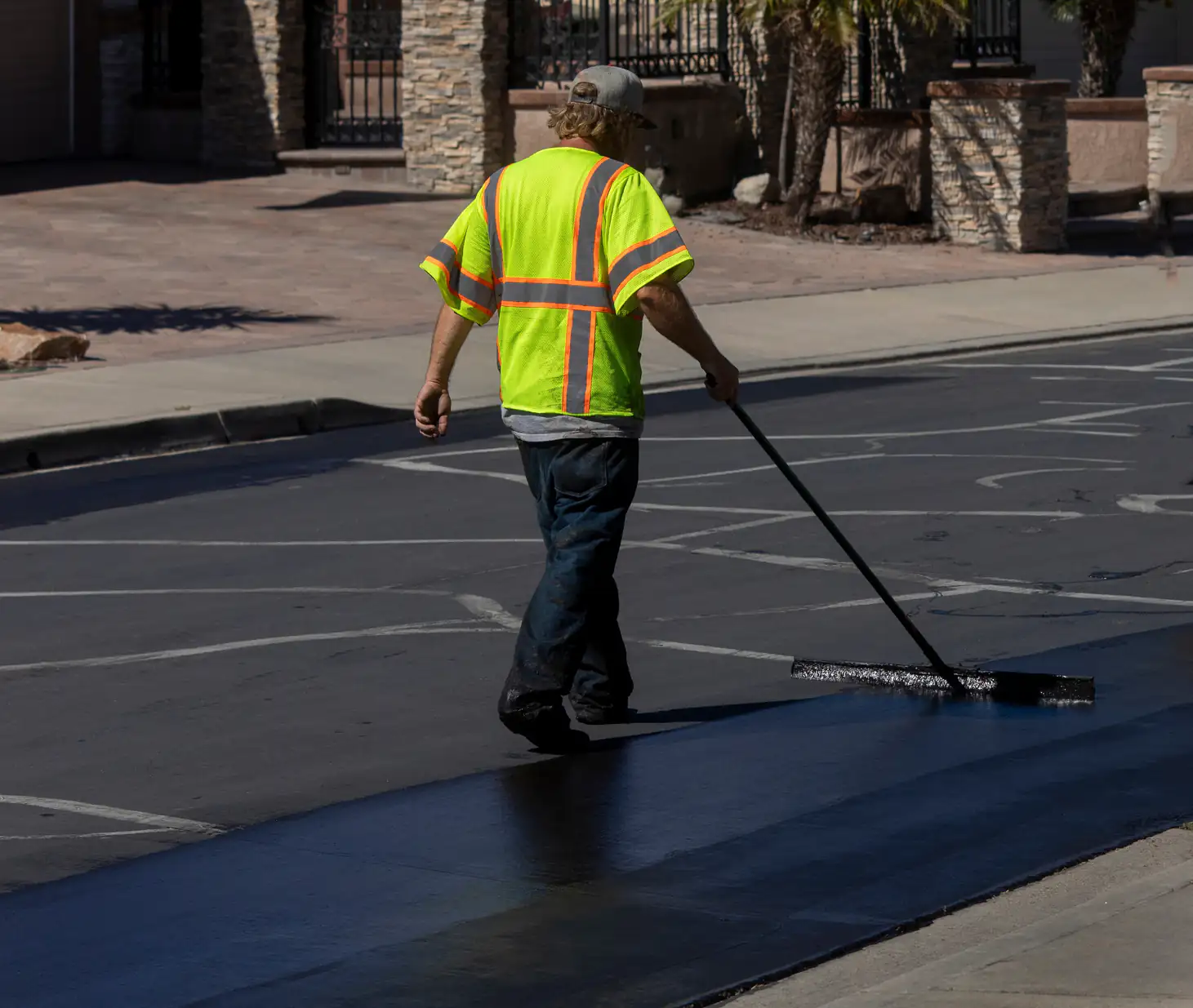
Hear from Our Customers
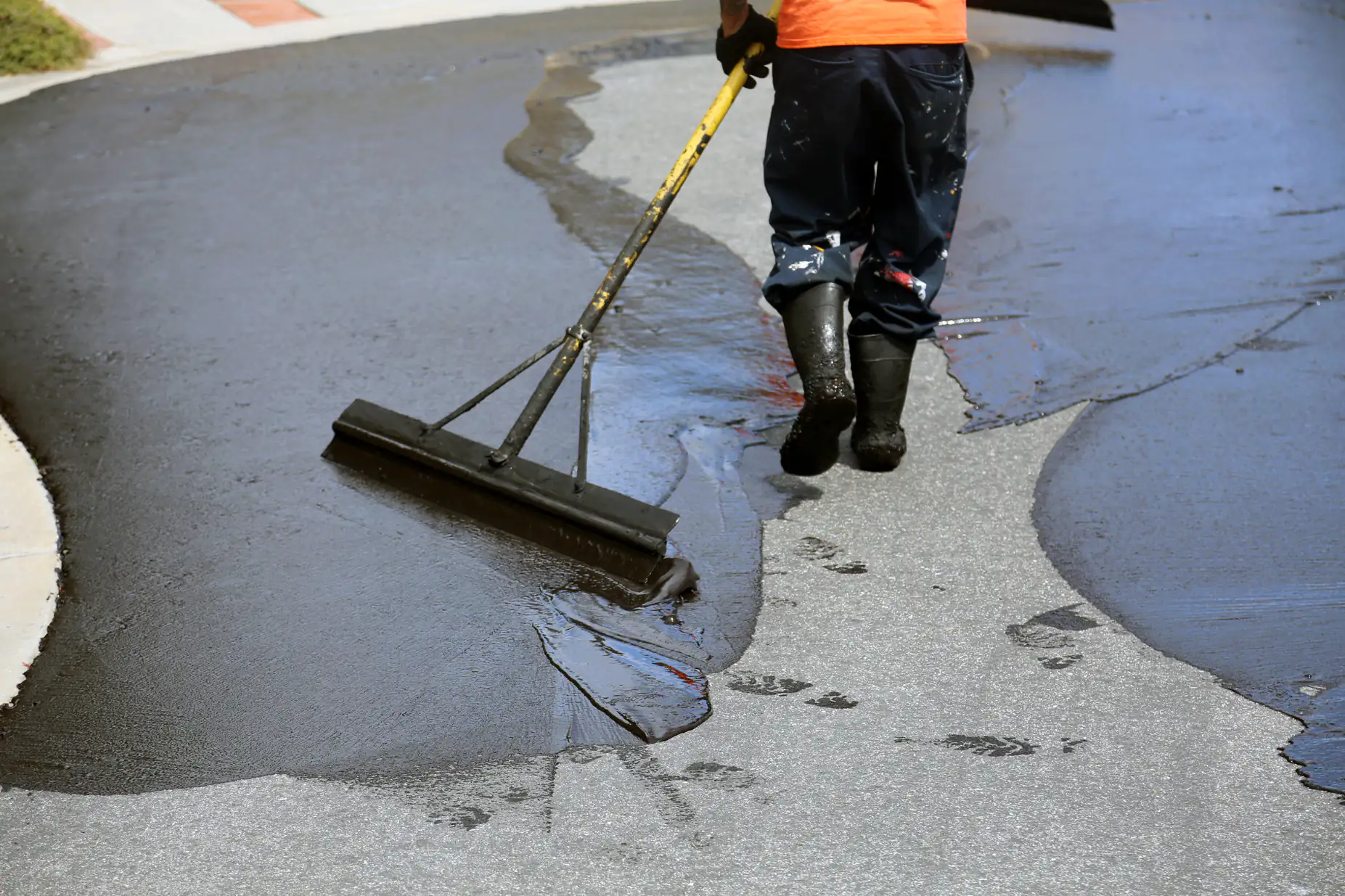
Here’s what happens when you skip sealing. Water gets into those hairline cracks during fall rains. When temperatures drop, that water freezes and expands by 9%, creating up to 30,000 psi of pressure against your pavement. North Jersey gets hit with 40-50 freeze-thaw cycles every winter, and each one makes those cracks worse.
By spring, you’re looking at potholes. By next year, you might be facing a full repaving job that costs ten times what proper maintenance would have run you.
Sealcoating creates a waterproof barrier that stops this cycle before it starts. It fills surface voids, blocks water penetration, and gives you 3-4 years of protection against everything Morris County weather throws at your driveway. That’s not just about looks—though the fresh black finish doesn’t hurt—it’s about keeping small problems small.
We’ve spent over 20 years working exclusively in Morris, Sussex, and Somerset Counties. We’re not a franchise operation or a crew that shows up from three states away. We’re based right here, which means we understand exactly what North Jersey’s climate does to asphalt.
We’ve seen what happens to driveways in Chatham when contractors cut corners—using cheap sealer, skipping proper crack filling, or applying product in the wrong weather conditions. We’ve also seen how much longer properly maintained asphalt lasts when the work is done right.
That’s why we’re licensed with the NJ Division of Consumer Affairs, fully insured, and we back our work with real warranties. Not because we have to, but because we’re still going to be here when you need us again in three years.
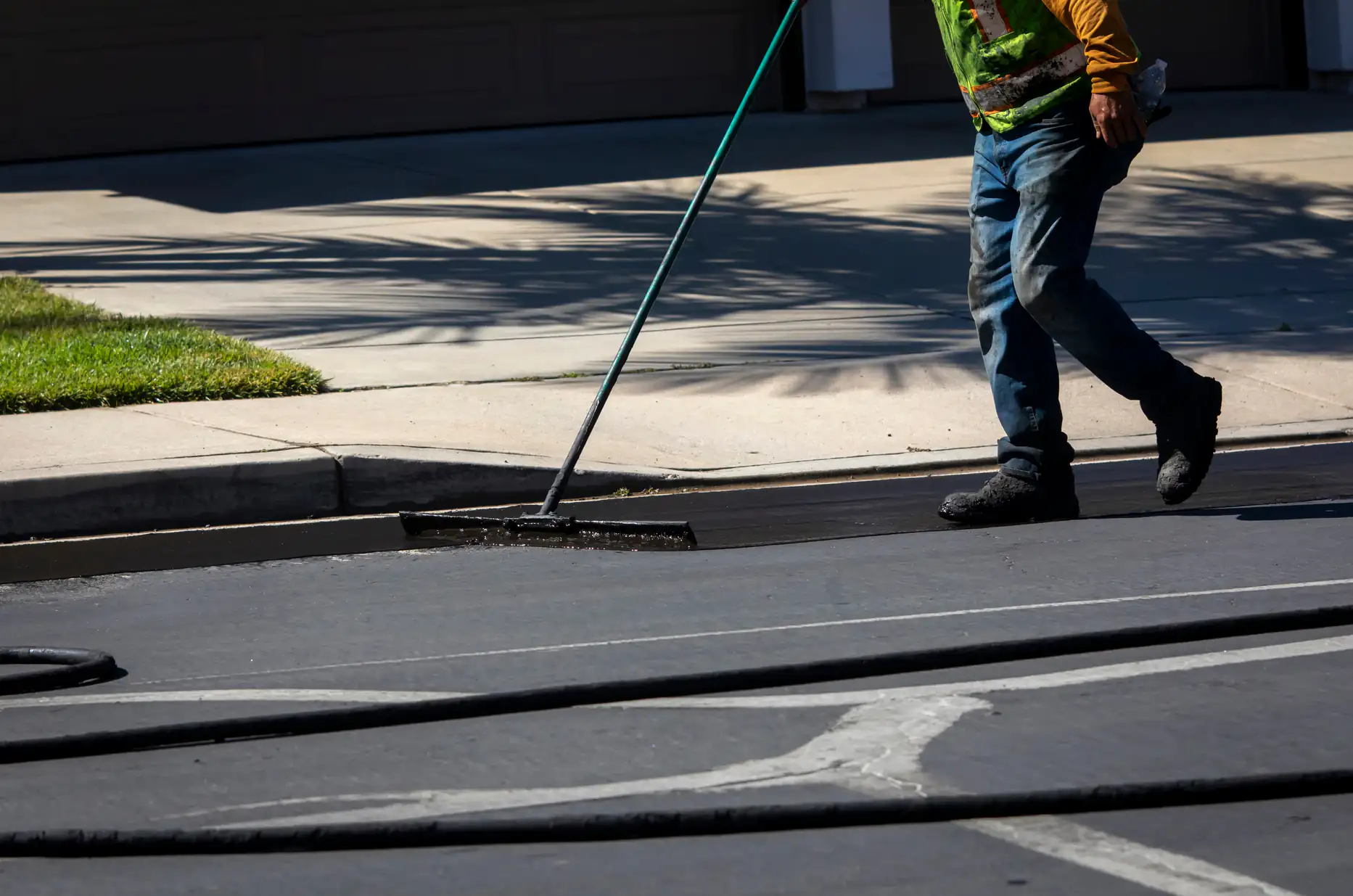
First, we inspect your driveway for damage. If there are cracks wider than a quarter-inch, we fill them with hot rubberized crack filler before any sealer goes down. This step matters—sealer alone won’t fix structural problems.
Next, we power wash the entire surface to remove dirt, oil, vegetation, and any loose material. Sealer won’t bond to a dirty surface, and skipping this step is why some sealcoating jobs fail within a year.
Then we apply two coats of commercial-grade coal tar or asphalt emulsion sealer. Two coats are standard in North Jersey because of our freeze-thaw cycles. A single coat might work in Virginia, but it won’t hold up here. We add sand to the mix for traction and let each coat cure properly before applying the next.
The entire process takes one to two days depending on weather and driveway size. You’ll need to stay off the driveway for 24-48 hours while it cures. After that, you’re looking at 3-4 years of protection before you need to think about sealing again.
Ready to get started?
A proper sealcoating job in Chatham isn’t just someone spraying black liquid on your driveway. Here’s what you’re actually getting when the work is done right.
Complete crack filling comes first. We’re talking about hot pour rubberized filler for anything over a quarter-inch wide, not the cheap squeeze-bottle stuff from the hardware store. This creates a flexible seal that moves with your asphalt through temperature changes.
Power washing removes years of accumulated grime, oil stains, and loose aggregate. This prep work determines how well the sealer bonds and how long it lasts. Skip it, and you’re wasting money.
Two coats of commercial-grade sealer with sand additive give you the protection North Jersey driveways need. The first coat penetrates and seals. The second coat provides thickness and durability. The sand additive prevents slipping when the surface is wet.
Edge work along garage doors, walkways, and landscaping keeps sealer where it belongs. And proper curing time—which means keeping vehicles off for at least 24 hours—ensures the sealer sets up correctly.
Most residential driveways in Chatham run between $300-$500 depending on size and condition. That’s every 3-4 years. Compare that to $5,000-$8,000 for repaving when neglected asphalt finally gives up.
Every 3-4 years for residential driveways in North Jersey. That timeline assumes you’re using two coats of quality sealer and the driveway was in decent shape to begin with.
Some contractors will tell you every 2 years, but that’s usually overkill unless your driveway sees heavy commercial traffic or you’ve got drainage issues that keep it constantly wet. On the flip side, waiting 5+ years between sealcoating applications means you’re letting damage accumulate that could have been prevented.
The best indicator is the surface itself. When you start seeing more aggregate (the small stones in asphalt) showing through, or when water stops beading up on the surface and starts soaking in, it’s time. Don’t wait until you’ve got major cracking.
For a standard two-car driveway around 600 square feet, you’re looking at $300-$500 in Chatham. That includes crack filling, power washing, two coats of sealer, and sand additive.
Prices run higher in Morris County than the national average—about 15-20% more—because of labor costs and the fact that our climate demands better materials and more thorough prep work. A single-coat job might cost less, but it won’t last through our winters.
Larger driveways or ones with significant cracking will run more. If your driveway needs serious crack repair or has areas that need patching before sealing, that’s additional work. But even at the high end, you’re spending a fraction of what repaving costs. And if a quote seems way too cheap, there’s usually a reason—either they’re skipping steps or using inferior materials.
Yes, but the cracks need to be filled first. Sealer alone won’t fix cracks—it’s a protective coating, not a structural repair product.
For cracks up to about a half-inch wide, we use hot rubberized crack filler before applying sealer. This creates a flexible, waterproof seal that moves with the asphalt as temperatures change. For anything wider than that, you might need patching or more extensive repair work before sealcoating makes sense.
Here’s the thing: if your driveway looks like a road map with cracks running everywhere, sealing might just be putting lipstick on a pig. At a certain point, the base has failed and you’re better off repaving. But for driveways with minor to moderate cracking, proper crack filling plus sealcoating can add years of life and prevent those small cracks from becoming big problems.
Late spring through early fall—basically May through September. You need consistent temperatures above 50°F during application and for at least 24 hours afterward while the sealer cures.
The sweet spot is late spring or early summer. Your driveway has dried out from winter and spring rains, temperatures are warm enough for proper curing, and you’re getting ahead of next winter’s freeze-thaw cycles. Fall can work too, but you’re racing against dropping temperatures and you need to make sure the sealer has time to fully cure before the first frost.
Avoid sealing in extreme heat—above 90°F—because the sealer can dry too fast and not bond properly. And never seal if rain is in the forecast within 24 hours. Moisture is the enemy during application and curing. Most reputable contractors in Morris County book up 4-6 weeks out during peak season, so plan ahead.
Three to four years with a proper two-coat application. Single-coat jobs might only give you 1-2 years, which is why they’re not worth the savings in our climate.
North Jersey’s freeze-thaw cycles are brutal on asphalt. We typically see 40-50 cycles every winter, and each one tests your sealer’s waterproofing ability. A thick, two-coat application holds up better because it provides more protection against water penetration.
Traffic patterns matter too. The area where you turn your wheels, or where you consistently park, will wear faster than areas that just get driven over. And if you’re using de-icing salts heavily in winter, that can shorten the lifespan as well. But with quality materials and proper application, 3-4 years is realistic. After that, you’re due for another application to maintain protection.
Sealcoating is preventive maintenance that protects existing asphalt. Repaving is replacement—you’re either putting down a new top layer or tearing everything out and starting over.
Think of sealcoating like changing your oil. It’s routine maintenance that extends the life of your driveway by protecting it from water, UV damage, and chemical spills. Cost runs $300-$500 for most residential driveways, and you do it every few years.
Repaving is like replacing your engine. It’s what happens when maintenance was skipped too long or when the base has failed. You’re looking at $5,000-$8,000 or more depending on whether you need a complete tear-out or just a new top layer. The math is simple: regular sealcoating every 3-4 years can extend your driveway’s life from 15 years to 25+ years. Skip it, and you’re replacing asphalt a decade earlier than necessary.