
Hear from Our Customers
Your driveway takes a beating in North Jersey. Water seeps into small cracks, freezes, expands with 30,000 psi of pressure, and turns minor surface issues into major structural problems. That’s not a scare tactic – that’s what happens when you skip maintenance in a climate that cycles through freeze-thaw conditions 40% more than Central or South Jersey.
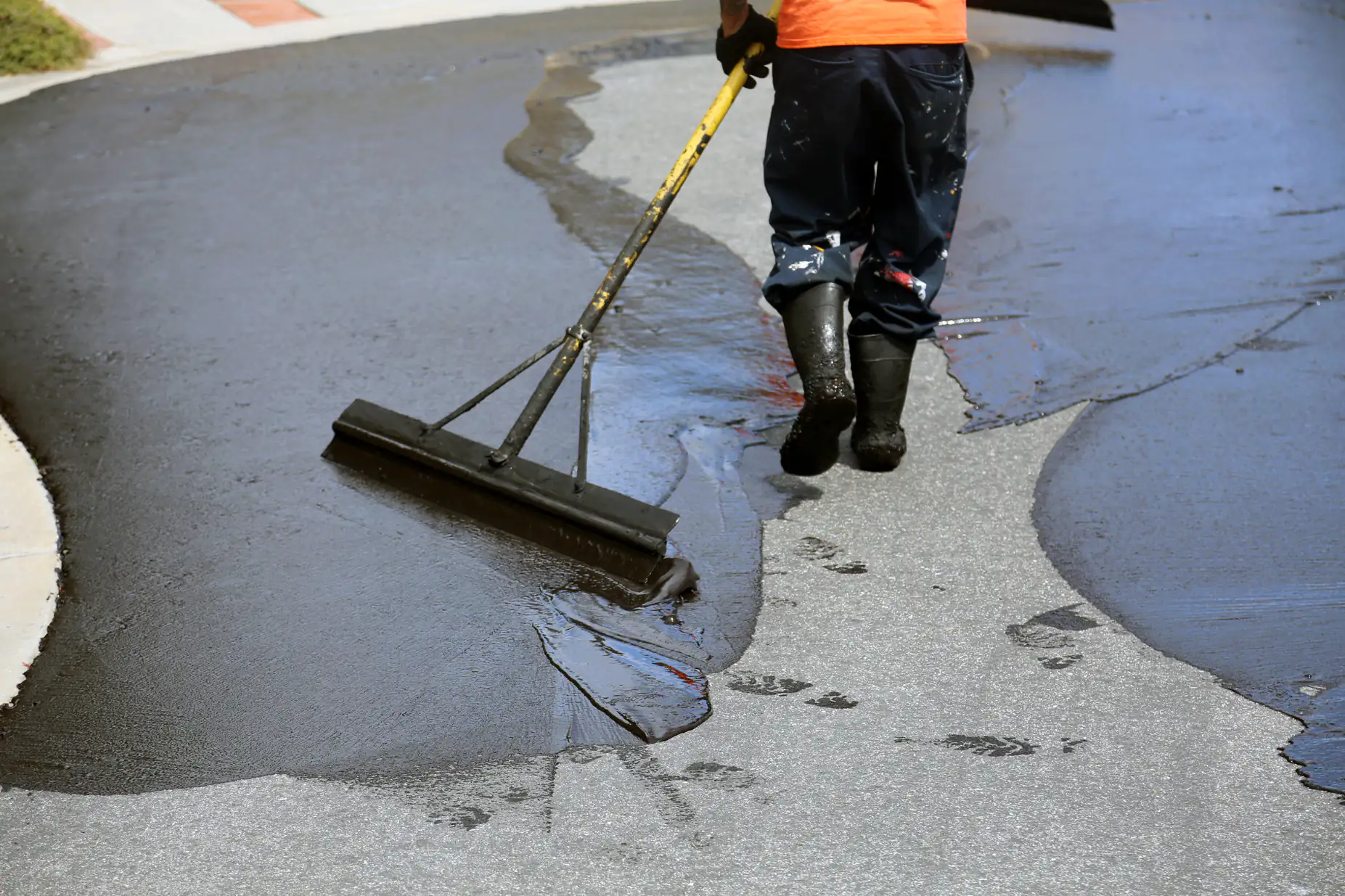
Sealcoating creates a waterproof barrier that blocks water infiltration before it starts. It also shields your asphalt from UV oxidation, which makes the surface brittle and prone to cracking. The result? A driveway that lasts 20-25 years instead of 12-15.
You’re not just making it look better. You’re preventing the kind of damage that forces a full replacement at $2.25-$3.25 per square foot. For a standard driveway, that’s the difference between a few hundred dollars every few years and $5,000-$8,000 for emergency repaving.
We’ve been handling asphalt and concrete work across Morris, Sussex, and Somerset Counties for years. We’re not a national franchise following a one-size-fits-all playbook. We’re local contractors who understand that Cedar Knolls driveways need different care than properties in warmer parts of the state.
We use high-grade hot mix asphalt applied at the right temperature and compacted for a dense finish. Our sealcoating isn’t the bargain-bin stuff you’ll see flaking off in a year. It’s professional-grade material applied during the optimal window – typically April through October when temperatures stay consistently above 55 degrees.
You’ll get clear pricing upfront, no surprise charges, and a 24-48 hour callback guarantee when you request a quote. We’re grounded in Morris County because this is where we live and work too.
First, we inspect your driveway for cracks, potholes, and drainage issues. If there’s structural damage, we’ll tell you upfront – sealcoating won’t fix a failing base. Minor cracks get filled and sealed before we move forward. Major issues need repair work first, and we’ll walk you through what that looks like.
Next, we clean the surface completely. Oil stains, dirt, and debris prevent proper adhesion, so this step isn’t optional. We’re talking power washing and thorough prep work, not a quick sweep.
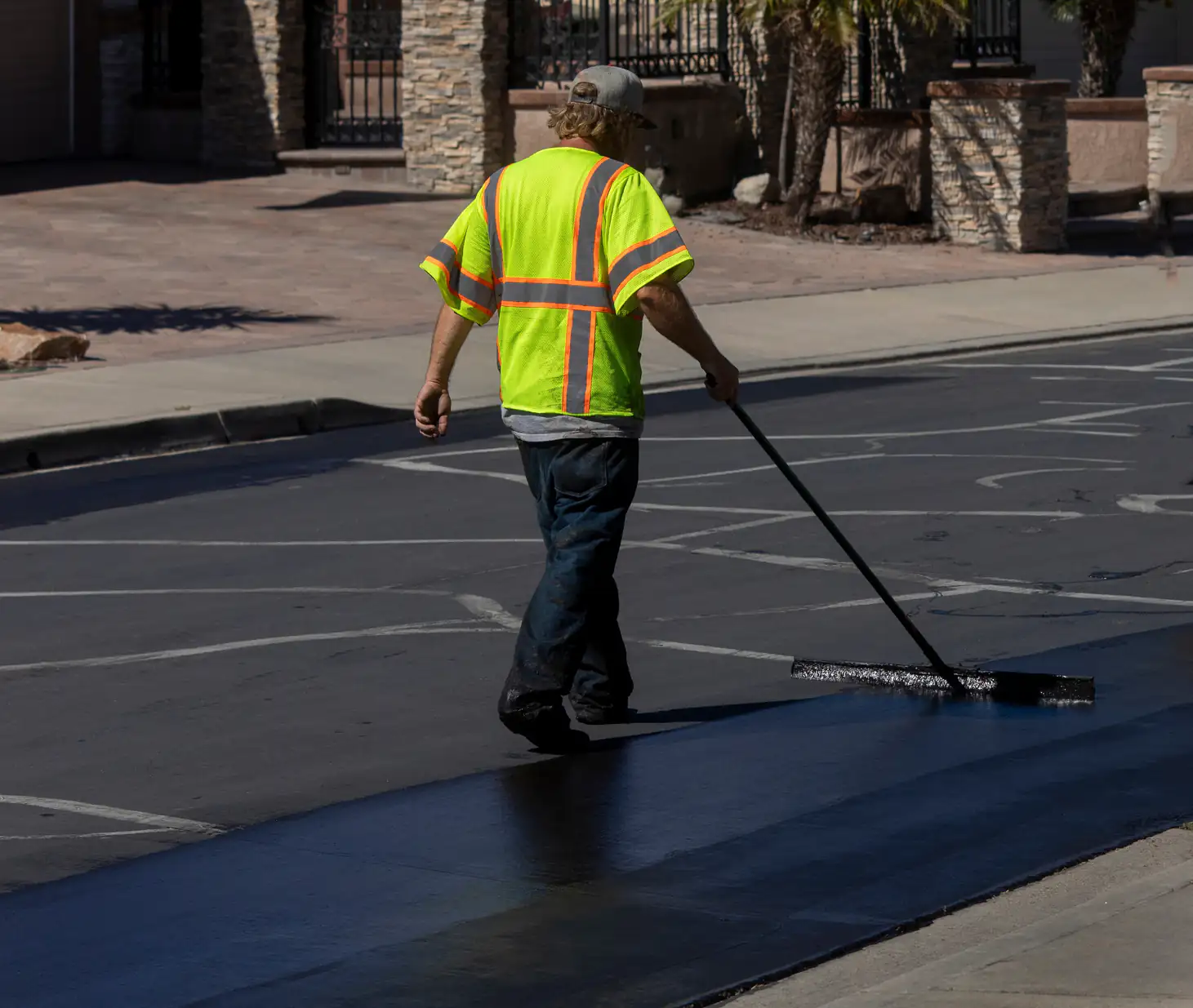
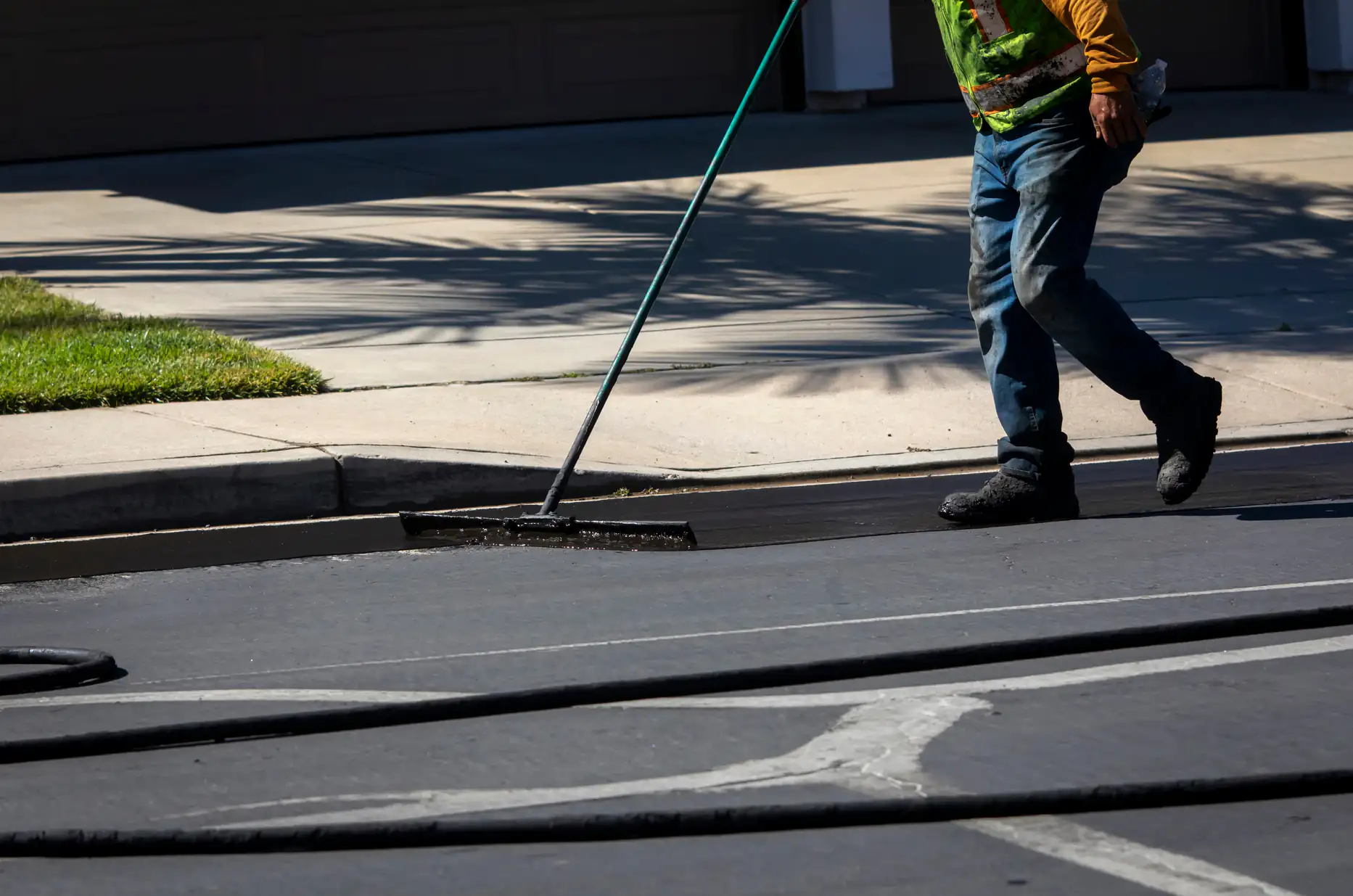
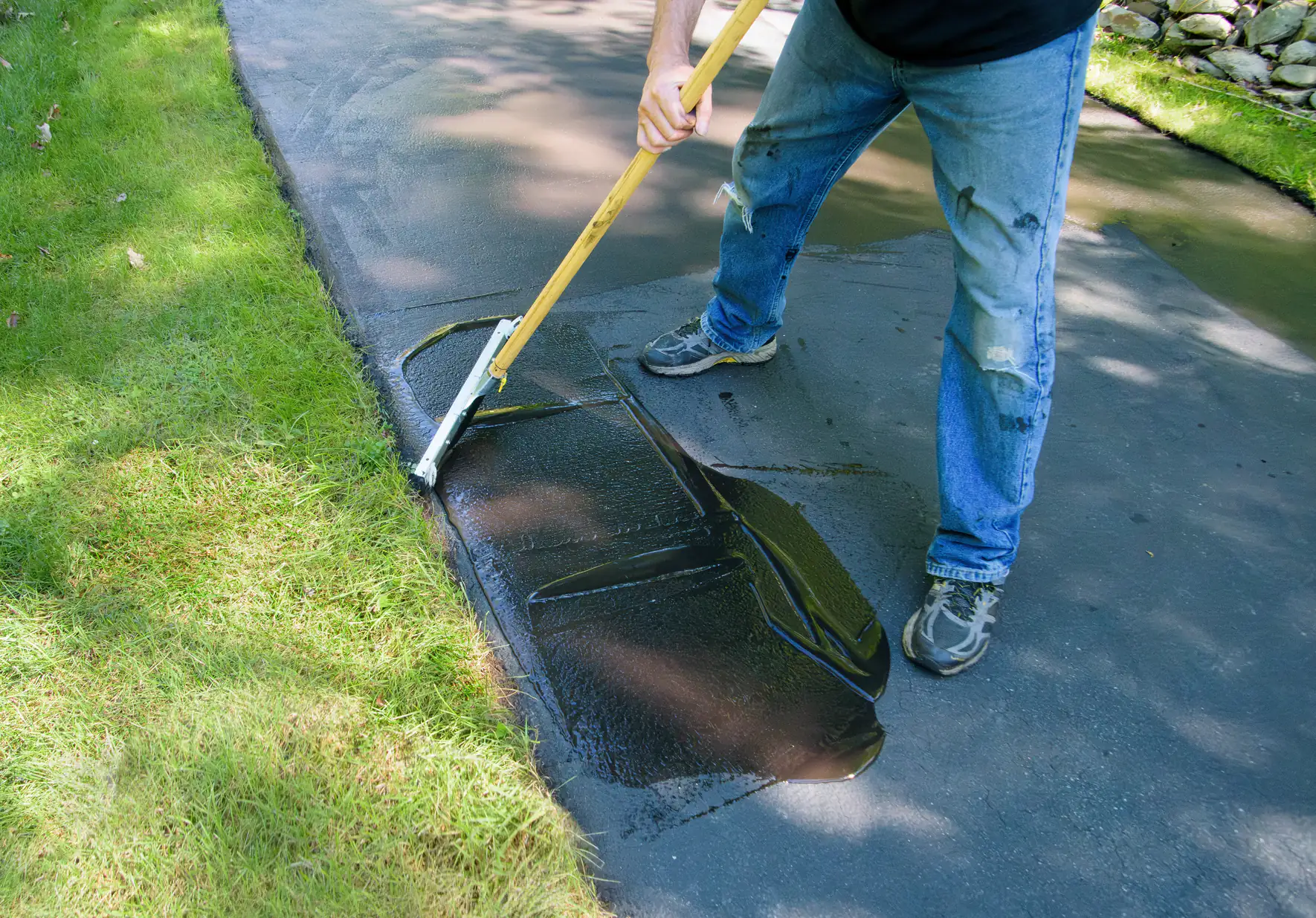
Then we apply the sealcoat in two thin layers using commercial-grade equipment. This isn’t a spray-and-pray job. Each layer needs time to cure properly, and we only work in weather conditions that support that. Temperature and humidity matter more than most homeowners realize.
Finally, we mark off the area and give you a realistic timeline for when you can park on it again. Rushing this part ruins the entire job, so we’ll be straight with you about cure times based on current conditions.
Ready to get started?
You get a complete inspection before we start, crack filling for minor surface issues, thorough cleaning and prep, and two coats of professional-grade sealant. We’re also checking your drainage situation because water pooling on your driveway accelerates damage even with fresh sealcoating.
In Cedar Knolls and throughout Morris County, fall is often the best time for this work. You get stable temperatures, lower humidity, and enough warm days left for proper curing. Spring works too, but you’re racing against unpredictable weather and the narrow window before summer heat makes the asphalt too soft.
We’ll also tell you what maintenance looks like going forward. Sealcoating isn’t a one-time fix – it’s a preventive measure you’ll want to repeat every 2-3 years depending on traffic and weather exposure. That schedule keeps your driveway in the 20-25 year lifespan range instead of limping to 12-15 years and failing.
The dark, smooth surface you get after sealcoating also melts snow and ice faster than untreated asphalt. That’s a practical winter benefit in North Jersey that most people don’t think about until they see the difference firsthand.
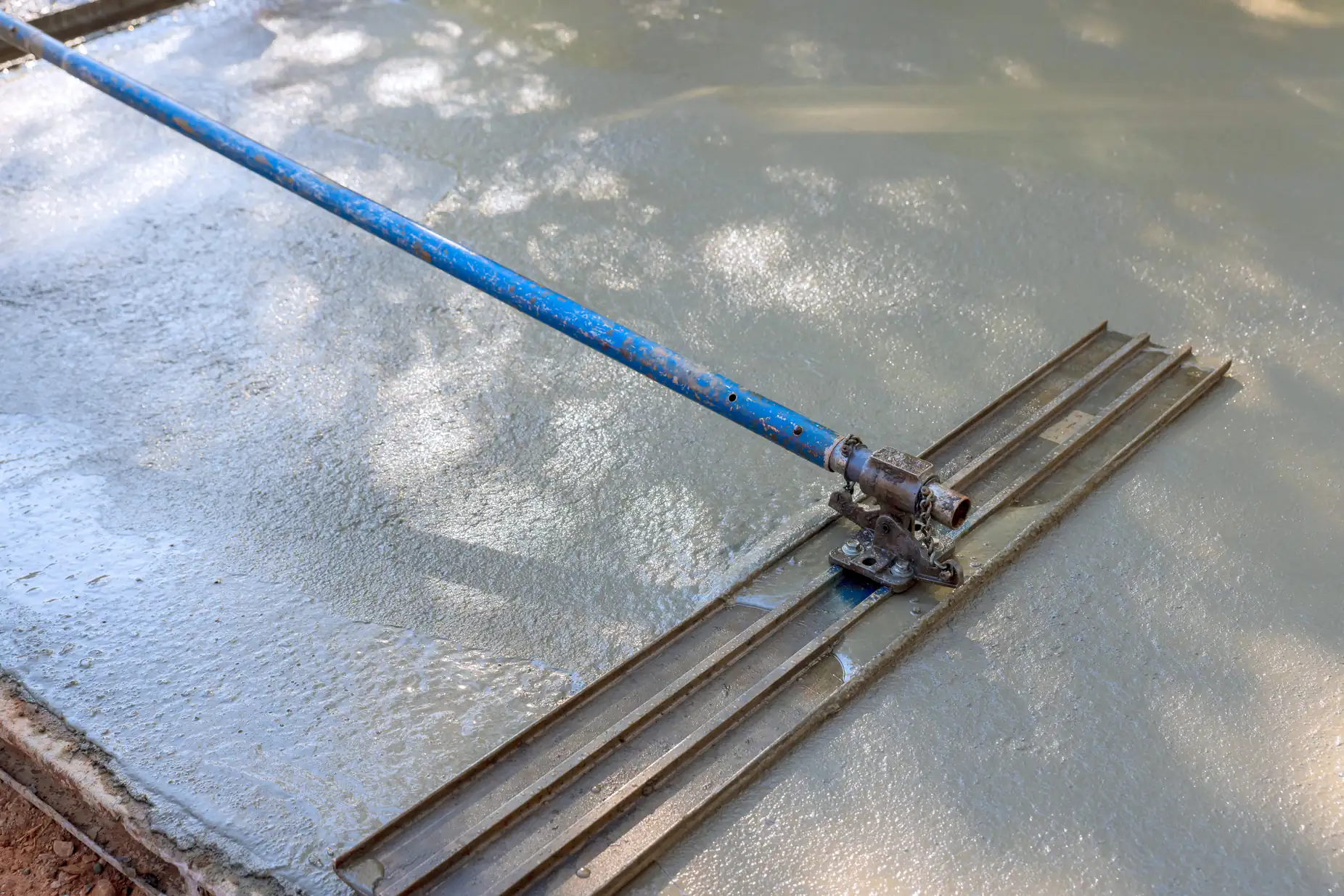
Cost depends on your driveway’s size, condition, and how much prep work is needed before sealing. A standard residential driveway typically runs a few hundred dollars for professional sealcoating. That’s significantly less than the $2.25-$3.25 per square foot you’d pay for full replacement if you let the damage go too far.
If your driveway has major cracks or potholes, you’ll need repair work first, which adds to the total. We’ll give you clear pricing upfront so you know exactly what you’re paying for. No hidden fees, no surprise charges after we start.
The real question isn’t what sealcoating costs – it’s what skipping it costs. Without regular maintenance, your driveway’s lifespan drops from 20-25 years down to 12-15 years. You’re either paying a little now or a lot later.
Fall is ideal because you get consistent temperatures and stable weather patterns. Sealcoating needs at least 55-degree temperatures during application and curing, and fall delivers that more reliably than spring in North Jersey. You also avoid the summer heat that makes asphalt too soft to work with properly.
Spring is your second-best option, but you’re dealing with unpredictable weather and the risk of cold snaps that interrupt curing. If you go this route, aim for late April through May when temperatures stabilize.
Don’t try to seal your driveway in winter or late fall. The material won’t cure properly in cold weather, and you’ll end up with a failed application that wastes your money. We only work during the April-October window for this exact reason.
Professional sealcoating typically lasts 2-3 years in Morris County before you need to reapply. That timeline shifts based on traffic volume, sun exposure, and how harsh the winter was. Driveways that see heavy use or sit in full sun all day wear faster than low-traffic areas with tree cover.
The key is staying on schedule with reapplication. If you seal every 2-3 years, your driveway can last 20-25 years total. Skip it, and you’re looking at 12-15 years before you need full replacement. The math is pretty straightforward.
You’ll know it’s time to reseal when the surface starts looking faded or you notice water isn’t beading up anymore. Those are signs the protective barrier is wearing thin and it’s time to refresh it before damage starts.
You can buy DIY sealcoating products, but the results usually don’t compare to professional application. The material quality is different, the equipment matters more than people realize, and surface prep is where most DIY jobs fail. If you skip thorough cleaning or apply it in the wrong conditions, you’re wasting time and money on a coating that won’t last.
We use commercial-grade sealant that’s formulated differently than retail products. We also have the equipment to apply it evenly in the right thickness – too thin and it won’t protect, too thick and it won’t cure properly.
The bigger issue is knowing when your driveway needs repair work before sealing. Sealcoating over structural problems just hides the damage temporarily. A professional inspection catches those issues upfront so you’re not throwing good money after bad.
Water infiltration is the biggest threat. It seeps into small cracks, freezes during winter, expands, and creates larger cracks and potholes. North Jersey’s freeze-thaw cycles make this process happen faster here than in most other parts of the country. What starts as hairline cracks turns into structural damage within a few seasons.
UV rays also break down the asphalt binder, making the surface brittle and prone to crumbling. You’ll see fading first, then oxidation, then chunks of asphalt breaking apart. Once that process starts, it accelerates quickly.
The financial impact is real. An unsealed driveway might last 12-15 years before it needs replacement. A properly maintained one lasts 20-25 years. That’s nearly double the lifespan for a maintenance cost that’s a fraction of replacement. You’re either paying for prevention or paying for repair – there’s no third option.
No. Sealcoating is a protective barrier, not a repair solution. It prevents damage from getting worse, but it won’t fix existing structural problems. If your driveway has cracks wider than a quarter-inch or potholes, those need to be filled and repaired before we seal.
Minor cracks get filled as part of the prep work before sealcoating. Larger cracks or areas where the base is failing need more extensive repair. We’ll assess the damage during inspection and tell you what needs to happen before sealing makes sense.
Trying to seal over major damage is like painting over rot – it looks better temporarily but the underlying problem keeps getting worse. We’d rather be straight with you about what your driveway needs than sell you a service that won’t solve the actual issue.