
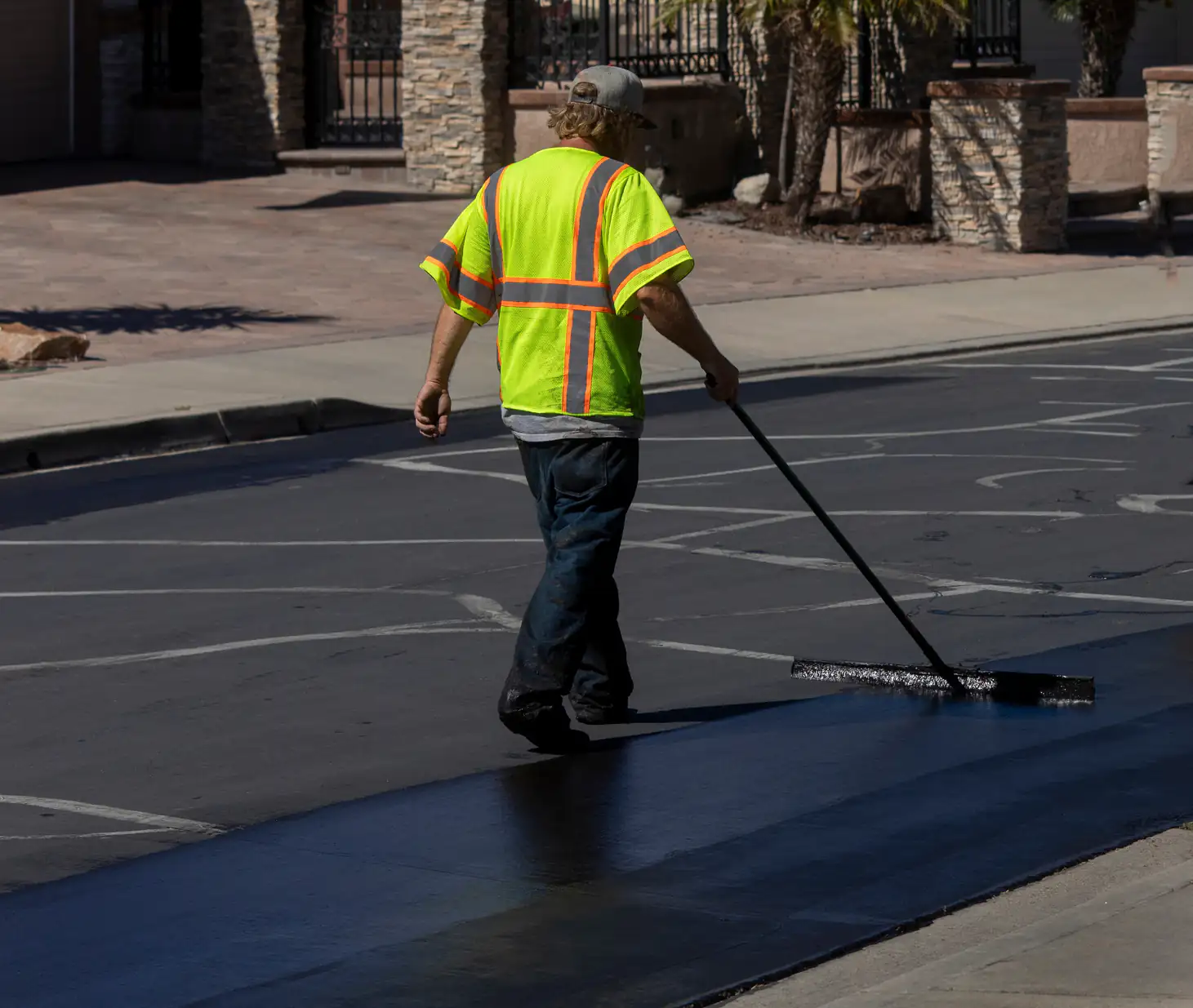
Hear from Our Customers
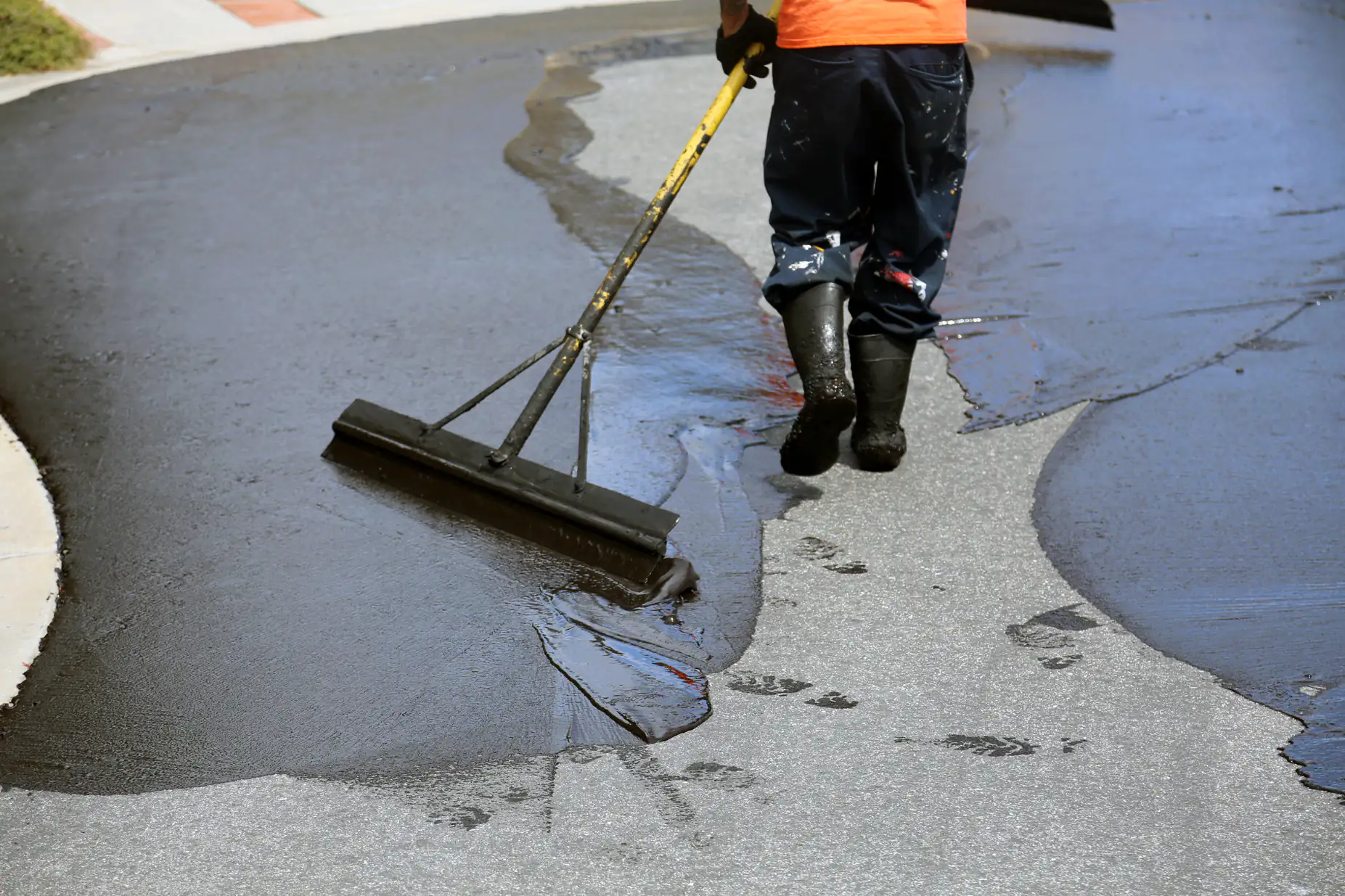
Your driveway stops aging so fast. The sealcoat creates a protective barrier that blocks water from seeping into tiny surface cracks. That matters in Butler because water is your asphalt’s worst enemy, especially during New Jersey’s freeze-thaw cycles.
Here’s what actually changes. Ice and snow melt faster on a sealed surface, which means less time for damaging moisture to sit on your pavement. Oil stains, gas drips, and road salt can’t penetrate the way they used to. Your driveway goes from faded gray back to a clean matte black that makes your whole property look sharper.
The real payoff shows up years later. A $400 sealcoating job every 2-3 years prevents a $5,000+ repaving bill. You’re not just making it look better today—you’re buying yourself another decade of use before you need to think about replacement. That’s the difference between a driveway that lasts 15 years and one that makes it past 25.
We’ve spent over 20 years working on driveways across Butler and Morris County. We’re not new to how New Jersey winters treat asphalt. We’ve seen what happens when homeowners wait too long, and we know exactly what it takes to protect pavement in this climate.
We’re a family-owned operation, fully licensed and insured. Our crews use commercial-grade sealers and professional spray equipment—not the stuff you pick up at a hardware store. Every job gets at least two coats, sand additive for traction, and proper cure time before you drive on it.
You’re not dealing with a national franchise or a crew that disappears after one season. We’re based in Morris County, and we’ve been sealing driveways in Butler, Kinnelon, Bloomingdale, and the surrounding areas long enough to know which materials hold up and which don’t.
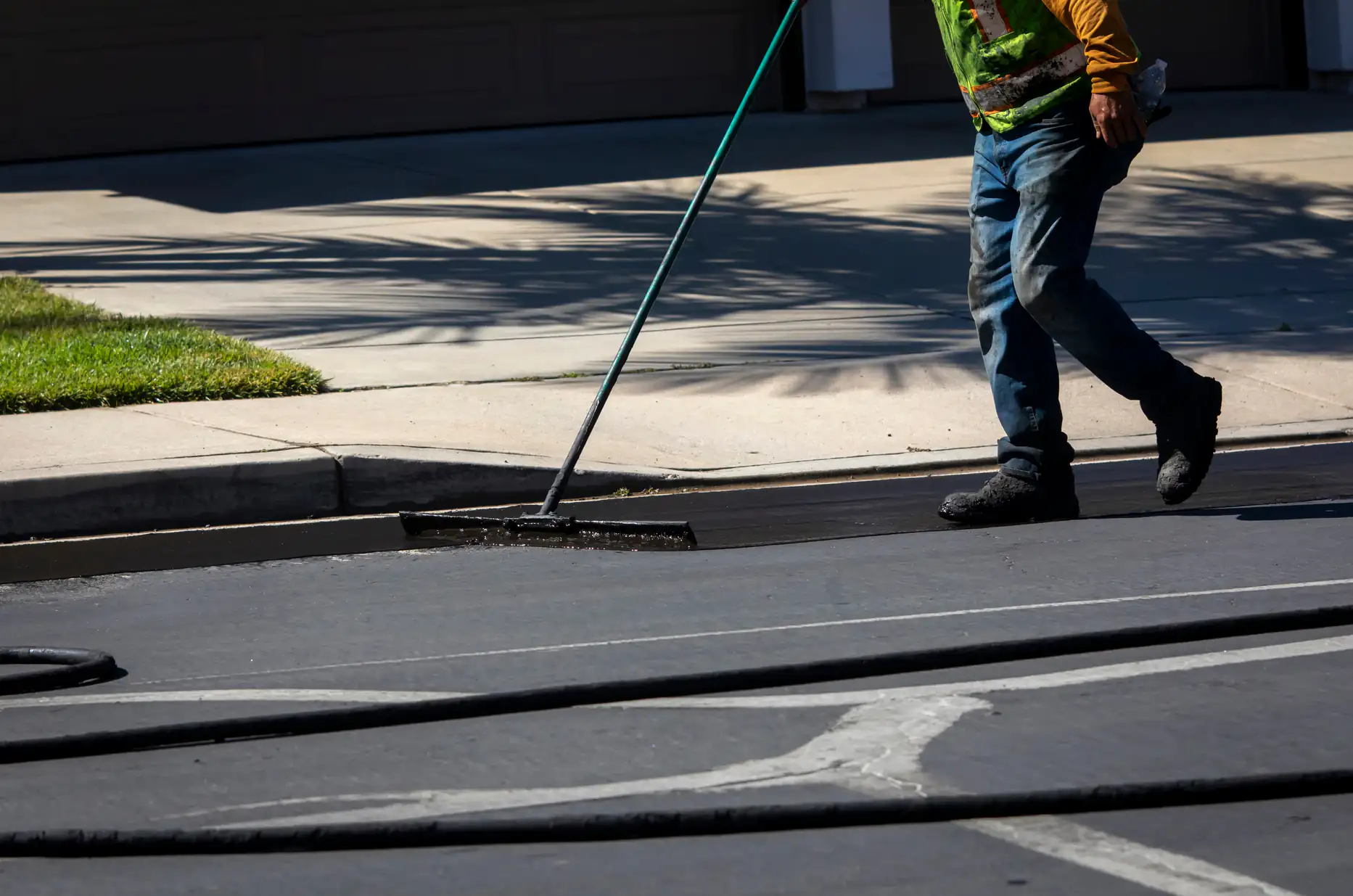
First, we clean the surface. That means removing dirt, debris, oil stains, and any vegetation growing in cracks. If the asphalt isn’t clean, the sealer won’t bond properly. We use power blowers and commercial cleaners to prep the surface the right way.
Next, we repair any cracks or damaged areas. Small cracks get filled with rubberized crack filler that stays flexible through temperature swings. Larger problem spots might need patching with hot asphalt. You can’t just seal over damage and expect it to hold—the prep work matters more than most people realize.
Then we apply the sealcoat. We use professional spray equipment to lay down two even coats, with sand mixed in for traction and durability. The sealer needs to cure for 24-48 hours depending on temperature and humidity. That means staying off the driveway completely—no foot traffic, no cars, nothing.
After it cures, you’ve got a sealed surface that’s ready for whatever Butler’s weather throws at it. The whole process usually takes one day for an average driveway, but the protection lasts 2-3 years before you need to think about resealing.
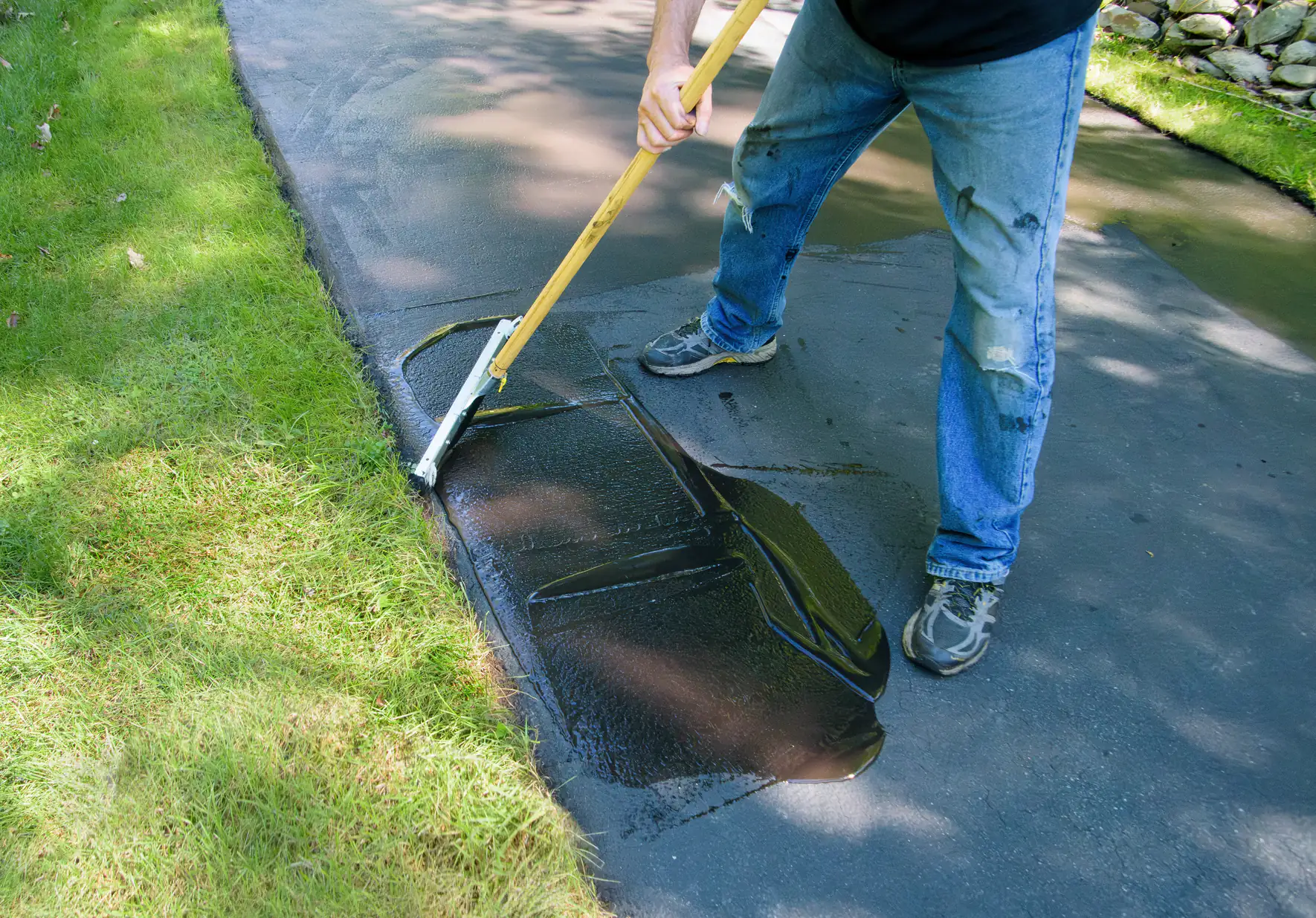
Ready to get started?
You get commercial-grade sealer that’s formulated for New Jersey’s climate. The products we use are designed to handle 40-50 freeze-thaw cycles per winter, which is exactly what Butler driveways face. They’re not the same as DIY bucket sealer—they’re thicker, more durable, and they last longer.
The application includes thorough surface cleaning, crack filling, two coats of sealer with sand additive, and proper edge work around your garage and walkways. We don’t cut corners on prep because that’s where most sealcoating jobs fail. If the surface isn’t ready, the sealer won’t perform no matter how good the product is.
You also get a 2-year warranty on the work. If the sealer fails prematurely because of application issues, we’ll make it right. Most driveways in Morris County need resealing every 2-3 years depending on traffic and sun exposure, so our warranty covers the expected lifespan of a professional sealcoating job.
Timing matters here. Late spring and early fall are the best windows for sealing in Butler. Temperatures need to stay above 50°F for proper curing, and you want the work done before winter hits. Once we’re into late October, the weather window starts closing fast.
Most residential driveways in Butler run between $300 and $600 for professional sealcoating, depending on size and condition. A standard two-car driveway around 600 square feet usually costs $250-$350. Larger driveways or those needing significant crack repair will be on the higher end.
That price includes surface cleaning, crack filling, two coats of commercial-grade sealer, and proper curing time. It doesn’t include major repairs like patching large potholes or fixing drainage issues—those are separate line items if your driveway needs them.
DIY sealing costs $150-$225 in materials, but you’re using consumer-grade products and you don’t get a warranty. The bigger risk is improper application. If you seal too thin, don’t prep correctly, or apply in wrong weather conditions, you’ve wasted your money and possibly damaged your asphalt. Most homeowners who try it once end up calling driveway sealer companies the next time around.
Every 2-3 years is the standard recommendation for Butler and Morris County driveways. New Jersey’s climate is tough on asphalt—you’re dealing with freeze-thaw cycles all winter, UV damage in summer, and road salt exposure that breaks down unsealed pavement fast.
If your driveway gets heavy use or sits in full sun most of the day, you’re looking at the 2-year end of that range. Driveways with lighter traffic or more shade can stretch to 3 years. The sealer itself starts breaking down after about 24-36 months of exposure to weather and traffic.
You can tell it’s time when the surface starts looking faded and gray instead of black, or when you notice water isn’t beading up anymore. Once water starts soaking in instead of running off, you’ve lost your protective barrier and you’re on borrowed time before cracks start forming. Don’t wait until you see damage—seal it before the protection wears off completely.
Late spring (May-June) and early fall (September-October) are your best windows in Butler. You need consistent temperatures above 50°F during the day and no rain in the forecast for at least 24-48 hours after application. The sealer has to cure properly or it won’t hold up.
Fall is actually ideal for New Jersey driveways. The temperatures are moderate, humidity is lower than summer, and you’re getting your driveway protected right before winter hits. That’s when freeze-thaw damage happens, so sealing in September or early October gives you maximum protection when you need it most.
Avoid sealing after Halloween. Once temperatures start dropping below 50°F regularly, the sealer won’t cure right. If it freezes within 30 days of application, the coating will fail by spring and you’ve wasted your money. Summer works too, but you need to avoid the hottest days—sealcoating in 90°F+ heat causes its own problems with too-fast drying and poor adhesion.
Yes, by a significant margin. A properly maintained asphalt driveway in Butler can last 20-25 years with regular sealcoating. The same driveway with no maintenance typically fails around 10-15 years. You’re essentially doubling your pavement’s lifespan for about 20% additional cost over those years.
The protection comes from blocking water infiltration. Water is what destroys asphalt in New Jersey—it seeps into tiny cracks, freezes overnight, expands by 9%, and splits the pavement apart. This happens dozens of times every winter. Sealcoating creates a waterproof barrier that stops this cycle before it starts.
The numbers back it up. Research shows sealcoating extends asphalt life by roughly 60% compared to unsealed pavement. That’s the difference between replacing your driveway in 2030 versus 2040. A $400 seal job every few years prevents a $6,000-$8,000 replacement. The math isn’t even close—sealing always wins.
You can do it yourself, but most homeowners who try it once don’t do it again. The materials cost $150-$225 for a DIY job versus $300-$500 for professional driveway sealcoating, so you’re saving maybe $200-$300. The question is whether that savings is worth the risk of doing it wrong.
The problems with DIY sealing are prep work and application technique. Most people don’t clean the surface thoroughly enough, don’t fill cracks properly, apply the sealer too thin, or work in less-than-ideal weather. Consumer-grade bucket sealer is also thinner than commercial products, so it doesn’t last as long even when applied correctly.
We use spray equipment that lays down an even coat at the right thickness. We’re applying commercial-grade materials that are formulated for New Jersey’s climate. And you get a warranty—if something goes wrong with the application, we fix it. If your DIY job fails after one winter, you’re out the money and the time, plus you still need to hire someone to redo it properly.
No, sealcoating protects existing asphalt—it doesn’t repair structural damage. If your driveway already has cracks, potholes, or sunken areas, those need to be fixed before sealing. Sealer is only about 1/8 inch thick, so it can’t fill gaps or level uneven surfaces.
What we do is fill cracks as part of the prep work before applying sealer. Small cracks (under 1/4 inch) get filled with rubberized crack filler that stays flexible through temperature changes. Larger cracks or damaged areas need to be cut out and patched with hot asphalt. Then once the repairs are done, we seal over everything to protect it.
Think of sealcoating as preventive maintenance, not repair work. It stops new damage from forming by keeping water out of your pavement. But if the damage is already there, you need repairs first. The good news is that catching problems early—when they’re still just cracks—is way cheaper than waiting until you have potholes and base failure. That’s when you’re looking at full replacement instead of simple patching and sealing.