
Hear from Our Customers
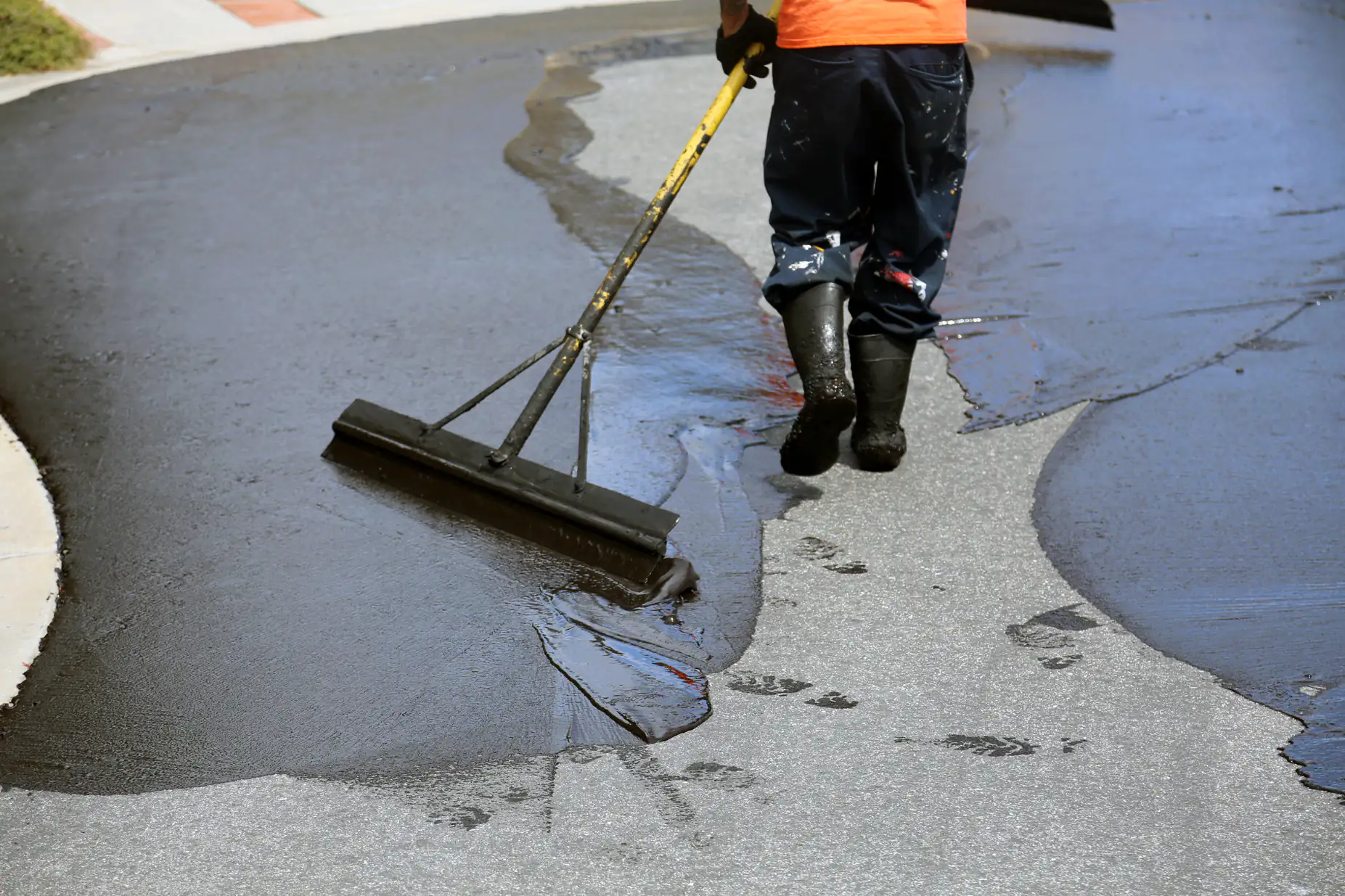
Every winter in Brookside does real damage to asphalt. Water seeps into small cracks, freezes overnight, and expands with enough force to turn hairline fractures into major problems by spring. You’ve seen it happen.
Sealcoating creates a waterproof barrier that stops this cycle before it starts. You’re not just making your driveway look better—you’re preventing the kind of damage that leads to expensive repairs or full replacement. A $300 sealcoating job now saves you from a $1,500 repair project later.
The math is simple. Driveways that get sealed every few years last 15-20 years. Driveways that don’t? Maybe 8-12 years before they need replacement. That’s real money staying in your pocket, and real peace of mind knowing your driveway can handle whatever Morris County weather throws at it.
We’ve been sealing driveways across Morris County for over 20 years. We’re not a national chain or a crew passing through with leftover materials. We’re local, licensed, and we understand exactly what Brookside’s clay-heavy soils and freeze-thaw cycles do to asphalt.
We use professional-grade materials designed for northern New Jersey’s climate. That means hot-pour rubberized crack filler heated to 400 degrees, not the stuff you squeeze from a tube at the hardware store. It means two coats of high-quality asphalt emulsion sealer that actually lasts 3-4 years instead of one rough winter.
You’ll get a callback within 24-48 hours of requesting a quote. No surprises on price, no upselling once we’re on site, and no cutting corners because we know you’ll be checking our work every time you pull into your driveway.
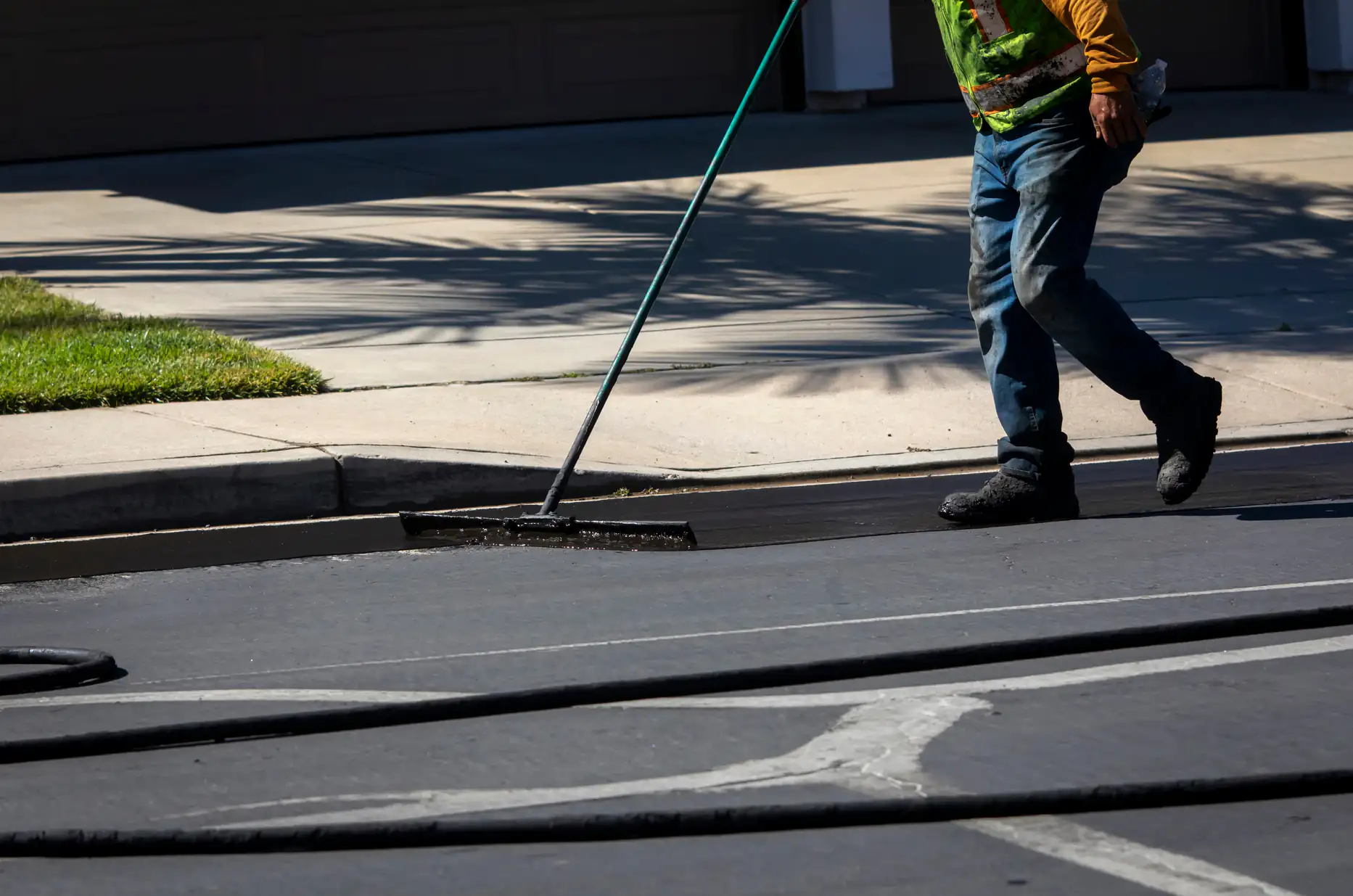
First, we assess your driveway’s current condition. If there are cracks wider than a quarter-inch, we fill them with hot-pour rubberized material before any sealer goes down. Sealcoating protects against future damage—it doesn’t fix existing problems, so we handle those first.
Next, we clean the surface completely. Oil spots, dirt, vegetation growing in cracks—all of it has to go or the sealer won’t bond properly. This step separates professional work from the guy who shows up with a squeegee and a bucket.
Then we apply two coats of commercial-grade asphalt emulsion sealer. The first coat soaks in and creates the protective base. The second coat provides the finished layer that blocks UV rays, repels water, and gives you that fresh black appearance. We let each coat cure properly based on temperature and humidity—rushing this step ruins the whole job.
You stay off the driveway for 24-48 hours depending on weather conditions. After that, it’s ready for normal use and protected for the next several years.
Ready to get started?
Professional driveway sealing in Brookside typically runs $0.15-$0.40 per square foot depending on your driveway’s size and condition. An average two-car driveway costs $200-$500 for complete sealcoating with crack filling included where needed.
That price covers hot-pour crack filling for any damage wider than a quarter-inch, thorough cleaning and surface prep, two coats of commercial-grade sealer applied at proper thickness, and edging work around garage doors and walkways. You’re also getting materials specifically rated for Morris County’s climate—not the cheapest option, but the one that actually holds up through multiple freeze-thaw cycles.
Brookside’s location in Morris County means your driveway faces steeper temperature swings than properties closer to the coast. Fall is your window to seal—temperatures are stable enough for proper curing, and you’re getting protection in place before winter hits. Spring sealing works too, but you’re already dealing with whatever damage winter caused instead of preventing it.
The return on this investment is straightforward. Sealcoating every 2-3 years costs a fraction of what you’d spend on repairs or replacement, and it keeps your property value intact. Buyers notice driveways—72% say curb appeal influences their first impression, and a cracked, faded driveway signals deferred maintenance on the rest of the property.
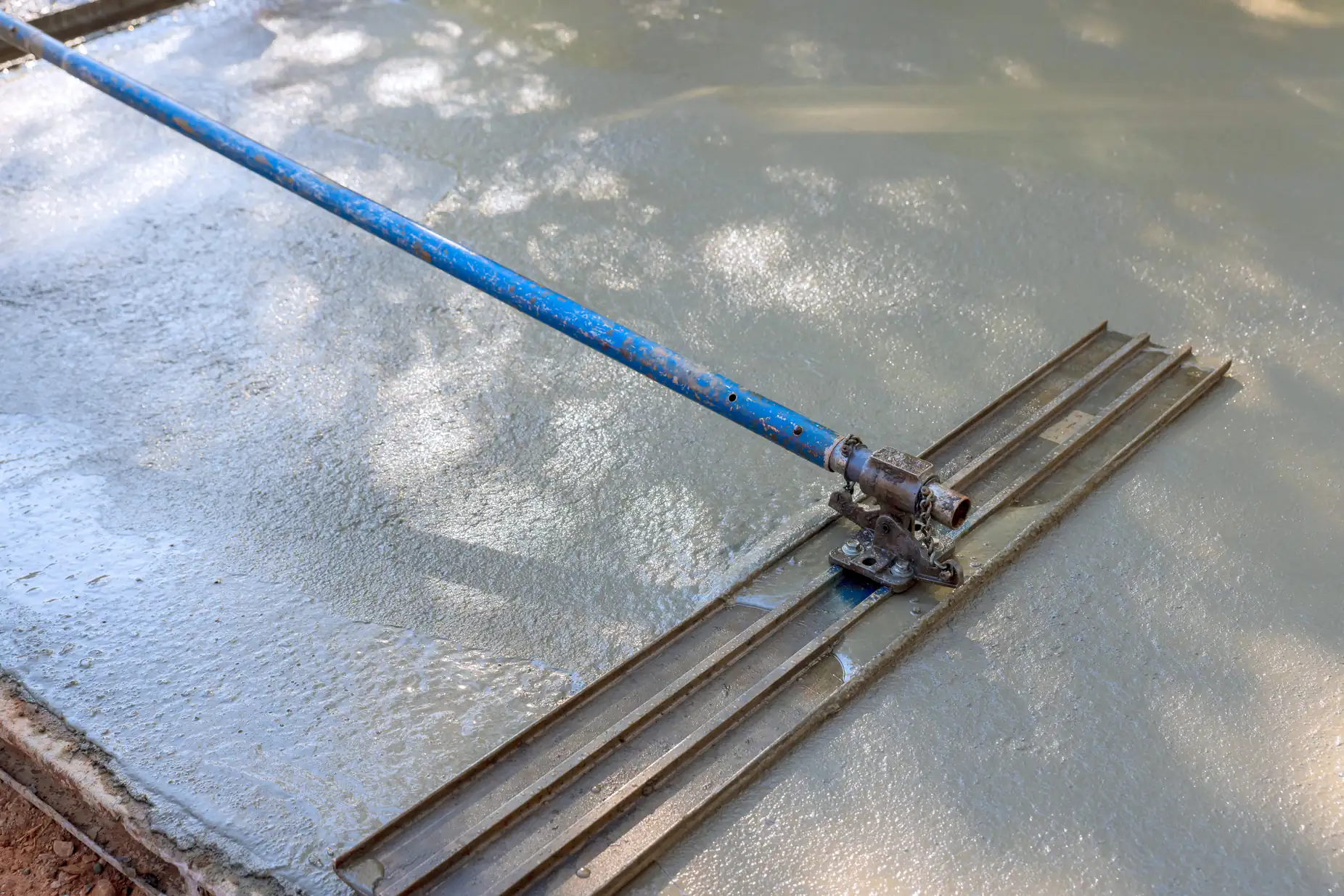
Every 2-3 years is the standard recommendation for Morris County driveways, but your specific timeline depends on a few factors. If your driveway gets heavy use—multiple vehicles, frequent turning, commercial equipment—you might need sealing closer to every two years. Driveways in full sun fade faster from UV exposure and benefit from more frequent sealing.
You can tell it’s time when the surface starts looking gray instead of black, or when water stops beading up and starts soaking in. Those are signs the previous seal coat has worn through and your asphalt is exposed to the elements again.
New driveways need their first sealcoating 6-12 months after installation, not immediately. Fresh asphalt needs time to cure and release oils before sealer will bond properly. After that first application, you’re on the regular 2-3 year schedule.
Fall is ideal for Brookside—September through early November when daytime temperatures stay consistently between 50-85 degrees and rain is less frequent. Sealer needs at least 24-48 hours of dry weather to cure properly, and fall gives you that window while still getting protection in place before winter.
Spring works as a second option, typically late April through June once overnight temperatures stay above 50 degrees. The downside is you’re sealing after winter has already done its damage rather than preventing it. You’ll likely need more crack filling in spring than you would have needed if you’d sealed the previous fall.
Summer is possible but trickier. Sealer can dry too fast in extreme heat, making application difficult and potentially affecting how well it bonds. Early morning applications help, but you’re still dealing with afternoon temperatures that can hit 90+ degrees in Morris County.
Never seal when rain is forecast within 24 hours, when temperatures will drop below 50 degrees overnight, or when your driveway is damp. These conditions prevent proper curing and you’ll end up with sealer that peels, tracks into your garage, or fails within months.
You can buy sealer at any home improvement store, but there’s a real difference between DIY and professional results. The sealer available to homeowners is thinner and less durable than commercial-grade products. It might last one winter instead of three or four, which means you’re sealing more often and probably spending more money over time.
The bigger issue is application. We use commercial sprayers that apply sealer at consistent thickness and proper coverage rates. Brush and squeegee application—what you’re doing with DIY—often goes on too thick in some spots and too thin in others. Too thick and it never fully cures. Too thin and it wears through quickly.
Crack filling is where DIY really falls short. The cold-pour crack filler you squeeze from a tube doesn’t bond like hot-pour rubberized material heated to 400 degrees. It shrinks, pulls away from crack edges, and lets water infiltrate within a season. Professional crack filling actually moves with your asphalt through temperature changes instead of cracking out.
If your driveway is in good shape with minimal cracking and you’re comfortable with the physical work, DIY might save you money upfront. But if you’ve got significant cracking, drainage issues, or oil stains, professional equipment and materials make a measurable difference in how long the work lasts.
Most Brookside driveways run between $200-$500 for complete professional sealcoating, which breaks down to roughly $0.15-$0.40 per square foot. A standard two-car driveway of about 600 square feet typically costs $250-$350 including crack filling and two coats of sealer.
Price varies based on your driveway’s current condition. Heavy cracking means more prep work and materials before any sealer goes down. Oil stains require special primers. Driveways that haven’t been maintained in years need extra attention to get them back to a condition where sealcoating will actually bond and last.
Size obviously matters—larger driveways cost more in total dollars but often less per square foot since setup and equipment costs get spread over more area. Steep driveways or properties with difficult access can add to the price because of the extra labor involved.
Be cautious of prices that seem too good. Crews offering $99 driveway sealing are either using substandard materials, skipping proper prep work, or applying sealer so thin it won’t last. You’ll end up resealing sooner and spending more money over time. Quality sealcoating done right costs what it costs because the materials and labor required to do it properly have real value.
No. Sealcoating prevents future damage—it doesn’t repair existing problems. If your driveway has cracks, they need to be filled before any sealer goes down. If there are potholes or areas where the base has failed, those require patching or more extensive repair work.
This is important to understand because some homeowners expect sealcoating to make existing damage disappear. What actually happens is sealer flows into cracks and low spots, wastes material, and still leaves you with a cracked driveway underneath a fresh black coat. Within weeks, those cracks telegraph back through to the surface.
Professional driveway sealing includes crack filling as part of the service. We use hot-pour rubberized material that stays flexible through temperature changes and actually bonds to the crack edges. This creates a waterproof seal that prevents the crack from widening. Then sealcoating goes over the entire surface to protect everything—the original asphalt and the crack repairs.
If your driveway has significant structural damage—large potholes, widespread alligatoring, base failure causing settling—sealcoating won’t help. You need repair work or possibly replacement. We’ll tell you this upfront rather than taking your money for sealcoating that won’t solve the real problem. We assess every driveway before quoting and give you an honest evaluation of whether sealing makes sense or if you need more extensive work first.
Yes, and this is one of the most important reasons to seal your driveway before winter hits. Rock salt and ice melt products are highly corrosive to asphalt. They break down the binder that holds aggregate together, leading to surface deterioration, pitting, and accelerated cracking.
Sealcoating creates a protective barrier between your asphalt and these chemicals. The sealer takes the hit instead of your driveway’s surface. You’ll still see some wear over time—sealcoating isn’t permanent—but your asphalt underneath stays intact instead of degrading with every winter.
Morris County winters mean you’re using salt and ice melt repeatedly throughout the season. Each application, each freeze-thaw cycle, each snowplow scraping across your driveway adds up. Unsealed asphalt absorbs all of that damage directly. Sealed asphalt has a protective layer that significantly reduces how much harm gets through to the pavement structure.
Fall sealcoating gives you maximum protection because you’re getting that barrier in place before winter weather starts. Spring sealing still helps, but you’ve already exposed your driveway to a full winter of salt damage. The difference in long-term pavement condition between driveways sealed every few years and those left unsealed is dramatic—we’re talking years of additional life and thousands of dollars in avoided repairs.