
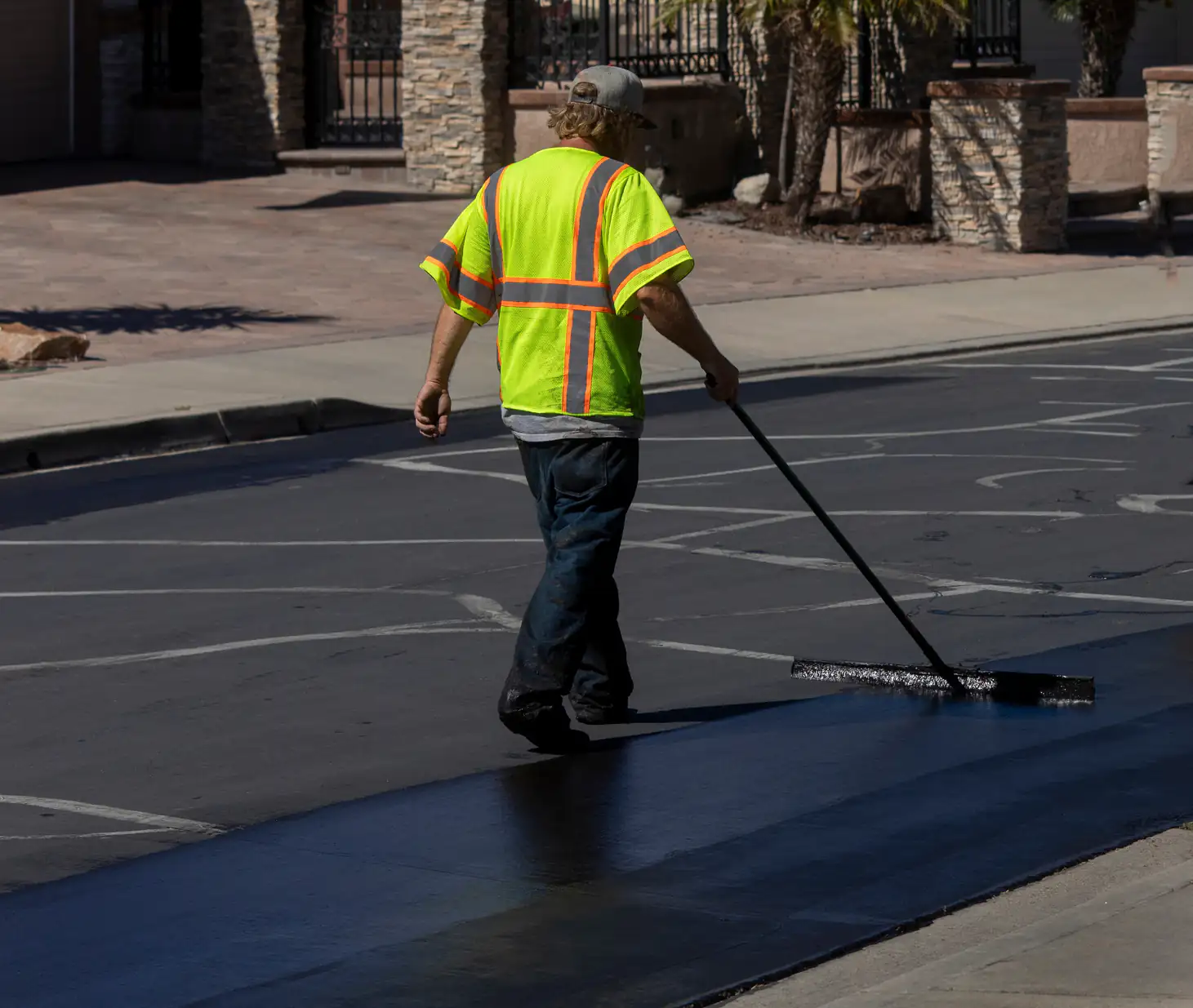
Hear from Our Customers
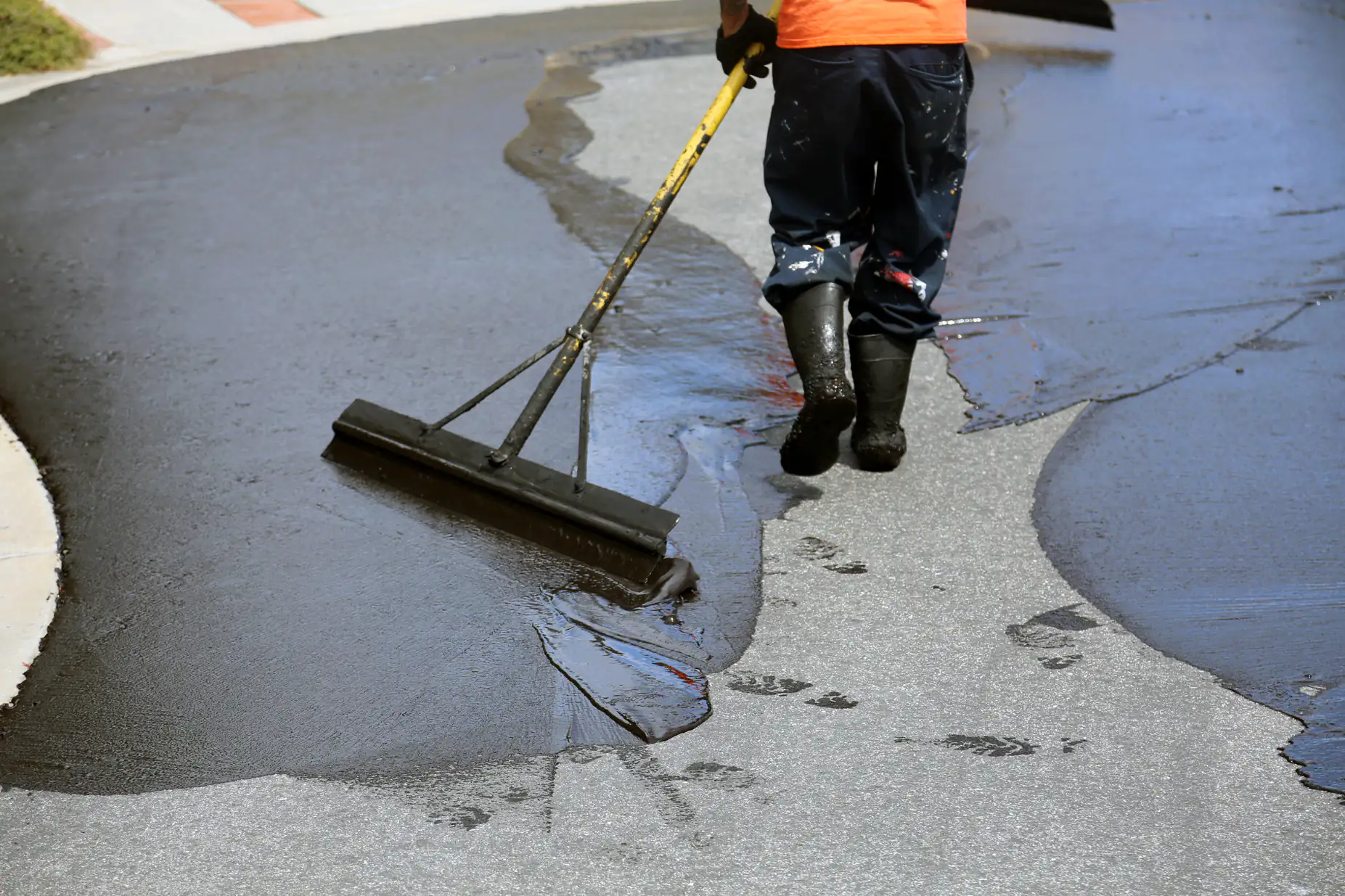
Your driveway stops bleeding money. That’s the short version.
Every winter in Bradley Gardens brings 55 to 75 freeze-thaw cycles. Water gets into cracks, freezes, expands by 9%, and breaks your asphalt apart from the inside. By spring, those hairline cracks become potholes. By next winter, you’re looking at a $5,000 repaving bill instead of a $300 sealcoat.
Proper asphalt sealcoating creates a waterproof barrier that keeps moisture out. It blocks UV rays that dry out your pavement. It resists oil stains from your cars. And it restores that rich black color that makes your property look maintained instead of neglected.
The difference between a driveway that lasts 15 years and one that lasts 25 years isn’t the asphalt itself. It’s whether you seal it every 2-3 years. Most homeowners in Morris and Somerset County don’t realize that until it’s too late.
We’re based in Morris County. We’ve worked in Bradley Gardens, Bridgewater, Somerville, and throughout the surrounding areas since before most sealcoat companies even existed online.
We’re not the cheapest option. We use professional-grade materials designed for New Jersey’s climate, not the watered-down stuff that fails in 30 days. We prep the surface correctly, fill cracks before sealing, and apply sealant at the right temperature and thickness.
You get a 24-48 hour callback on quote requests, transparent pricing with no surprise charges, and work done by people who understand what winter does to asphalt in this part of the state. We live here. We know what works.
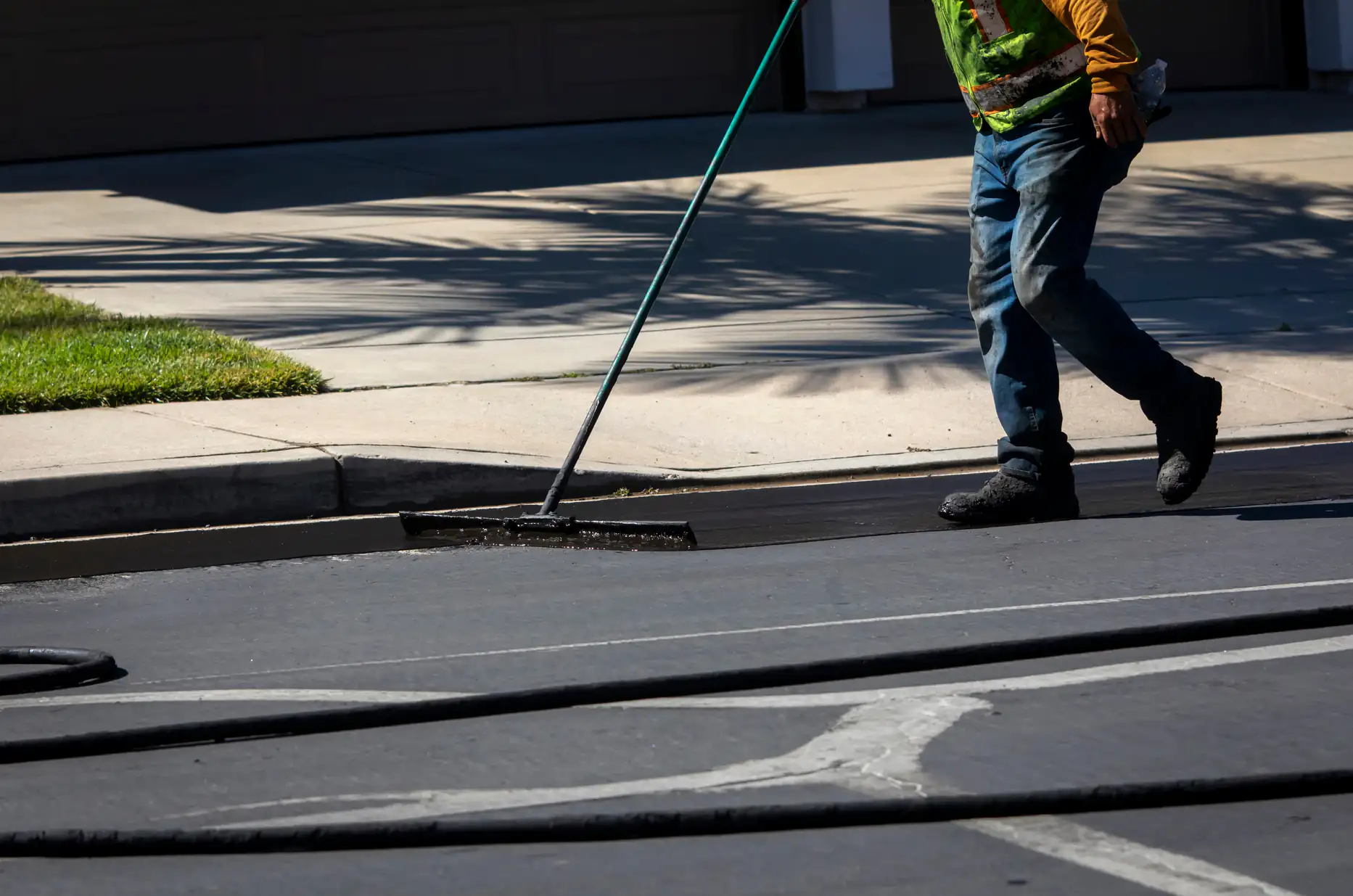
First, we clean your driveway completely. Dirt, oil, debris—all of it has to come off or the sealant won’t bond. We use professional equipment, not a garden hose.
Next, we inspect for cracks and damage. Anything wider than a quarter-inch gets filled before we seal. Sealcoating over cracks without filling them is like painting over rust—it looks fine for a month, then fails.
Then we apply two coats of high-quality asphalt sealer. The first coat penetrates and bonds. The second coat provides the protective layer. We work in temperatures above 50°F and make sure there’s no rain in the forecast for 24-48 hours.
Your driveway needs to cure for 24-48 hours before you can drive on it. We’ll tell you exactly when it’s safe to use. Most jobs in Bradley Gardens are done in a day, and you’re back to normal within two days.
The whole process takes a few hours of actual work. But it buys you years of protection against the weather that destroys untreated asphalt.
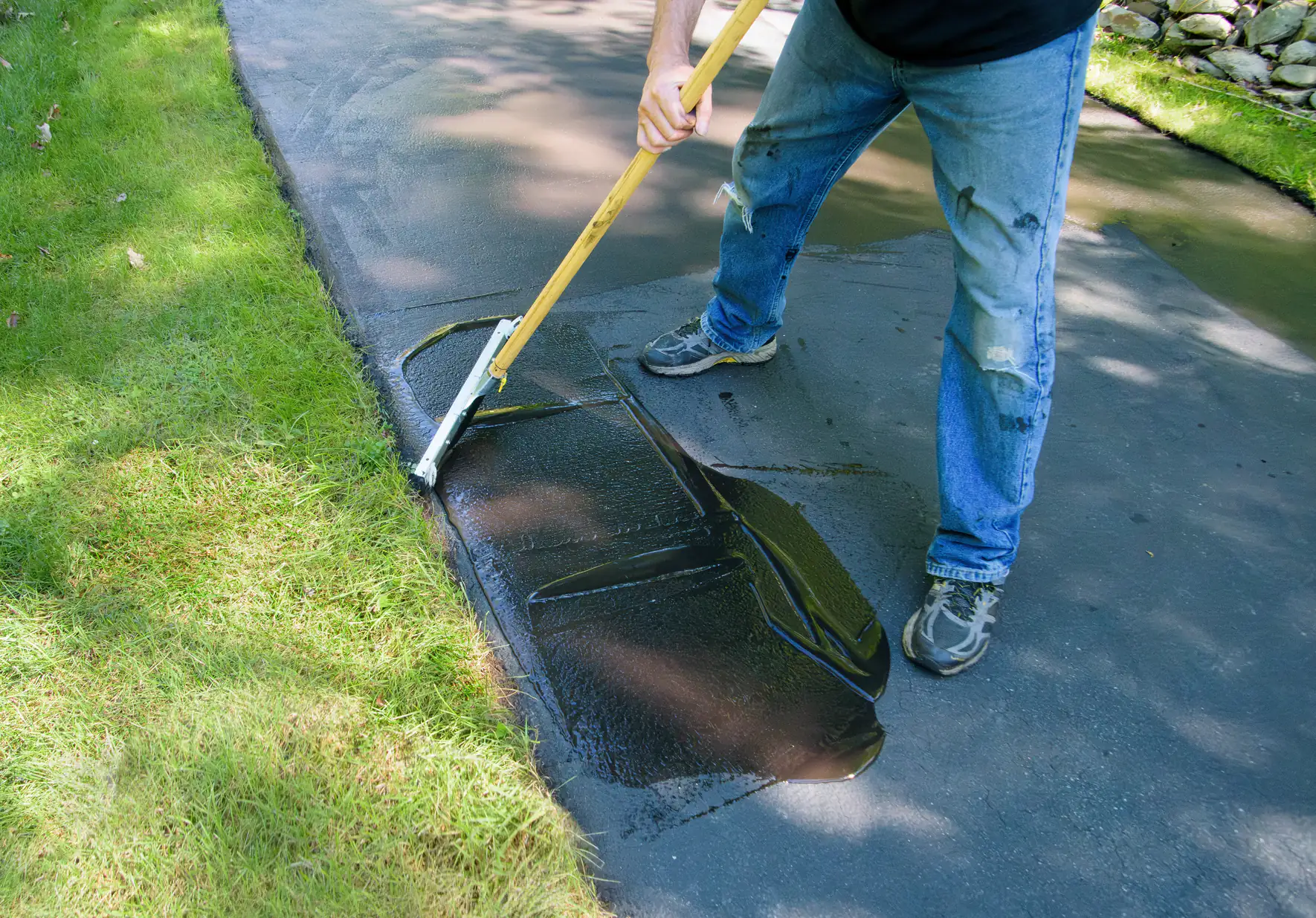
Ready to get started?
You get a full surface cleaning with professional equipment. You get crack filling for any damage that needs repair before sealing. You get two coats of commercial-grade asphalt sealer that’s mixed and applied correctly.
We’re talking about materials that cost more because they last longer. The sealcoat products we use are designed for New Jersey’s temperature swings and moisture levels. They’re not the cheap stuff that some driveway sealer companies use to undercut pricing.
In Bradley Gardens and the surrounding Morris County area, your driveway faces some of the harshest conditions in the state. Heavy spring rains, humid summers, wet falls, and winters that regularly drop below freezing. Your sealcoat needs to handle all of it.
We also give you a realistic timeline for resealing. Most driveways need it every 2-3 years depending on traffic and sun exposure. Driveways that face south or get heavy use might need it sooner. We’ll tell you what to expect based on your specific situation, not a generic schedule.
Most residential driveways in Bradley Gardens cost between $300 and $800 to seal, depending on size and condition. The average cost runs about $0.15 to $0.25 per square foot for professional sealcoating in Morris and Somerset County.
A standard two-car driveway is usually around 600-800 square feet. If your driveway has significant cracking that needs repair first, that adds to the cost. But even with crack filling, you’re typically looking at under $1,000 total.
Compare that to $3,000-$8,000 for a full driveway replacement. Sealcoating every few years is the cheapest maintenance you can do. It’s not even close.
Every 2-3 years for most driveways in Bradley Gardens and the surrounding area. That’s the standard recommendation, and it’s based on how quickly sealant breaks down under New Jersey weather conditions.
If your driveway gets heavy use, faces south and gets constant sun exposure, or has standing water issues, you might need to seal it every 18-24 months. Driveways in shaded areas with light traffic can sometimes go 3-4 years.
The easiest way to tell is by looking at the color. When your asphalt starts looking gray instead of black, the sealant is wearing off. That’s your window to reseal before water starts penetrating and causing damage.
Late spring through early fall—basically May through October in Bradley Gardens. You need consistent temperatures above 50°F during application and for 24-48 hours after.
The ideal conditions are dry weather with temperatures between 60-80°F and no rain in the forecast for at least two days. That’s why most driveway sealcoating work happens in late spring or early fall when temperatures are stable.
Summer works too, but extremely hot days can make the sealant dry too fast. And you probably don’t want to avoid using your driveway for two days in the middle of summer when you’re in and out constantly. Fall is usually the sweet spot—good weather, stable temps, and you’re protecting your driveway right before winter hits.
Yes. An unsealed asphalt driveway in New Jersey typically lasts 12-15 years. A properly sealed and maintained driveway can last 25-30 years. That’s not marketing talk—that’s what happens when you keep water out of your pavement.
The main killer of asphalt is moisture infiltration. Water gets into small cracks, freezes, expands, and breaks the pavement apart. Sealcoating creates a waterproof barrier that prevents this cycle from starting.
It also protects against UV damage, which dries out the asphalt binder and makes your driveway brittle. And it resists oil and gas stains that break down the pavement surface. All of this adds up to significantly longer pavement life—but only if you maintain a regular sealing schedule.
Poor surface prep, cheap materials, or improper application. Those are the three main reasons sealcoating fails early in Bradley Gardens and throughout New Jersey.
If the driveway isn’t cleaned properly before sealing, the sealant doesn’t bond to the asphalt—it bonds to the dirt and oil sitting on top. That peels off quickly. If contractors use diluted or low-quality sealer to save money, it breaks down fast under traffic and weather. And if they apply it too thin, in cold temperatures, or right before rain, it never cures correctly.
Professional driveway sealing means using commercial-grade materials, cleaning the surface thoroughly, filling cracks first, and applying the right thickness in the right conditions. When it’s done correctly, sealcoating should last 2-3 years minimum. If it’s failing in weeks or months, someone cut corners.
You can do it yourself, but most homeowners who try it once hire professionals the second time. The materials at big box stores aren’t the same quality as commercial products, and application is harder than it looks.
The biggest issues are surface prep and even application. If you miss spots during cleaning or apply the sealer unevenly, you’ll see it immediately—and you can’t fix it once it dries. You also need the right weather conditions and enough time to do two coats properly.
We have commercial-grade equipment, better materials, and the experience to handle problems like oil stains, uneven surfaces, or drainage issues. For a few hundred dollars, you get it done right the first time with materials that actually last. Most homeowners find that’s worth it compared to spending a weekend doing a mediocre job with inferior products.