
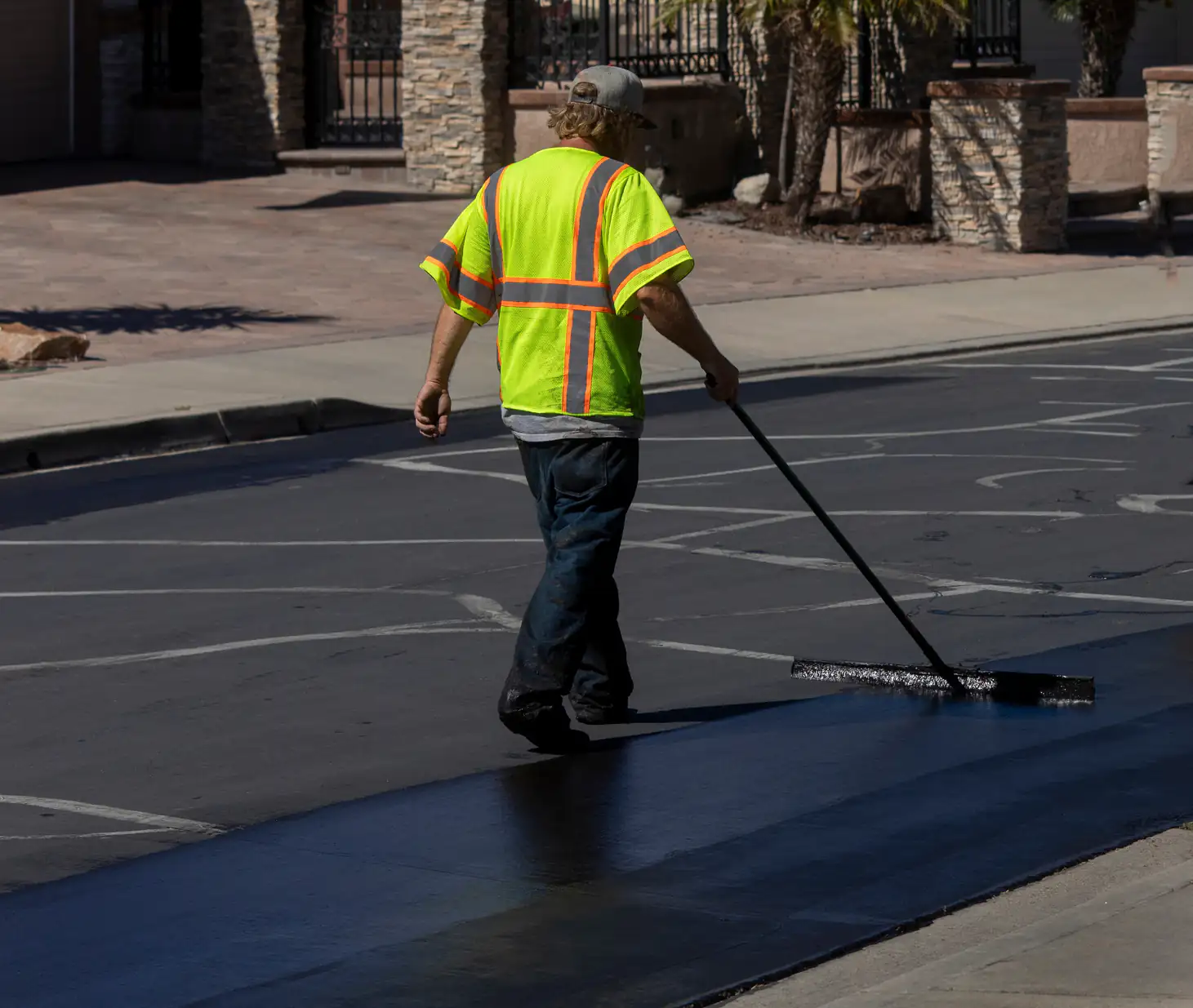
Hear from Our Customers
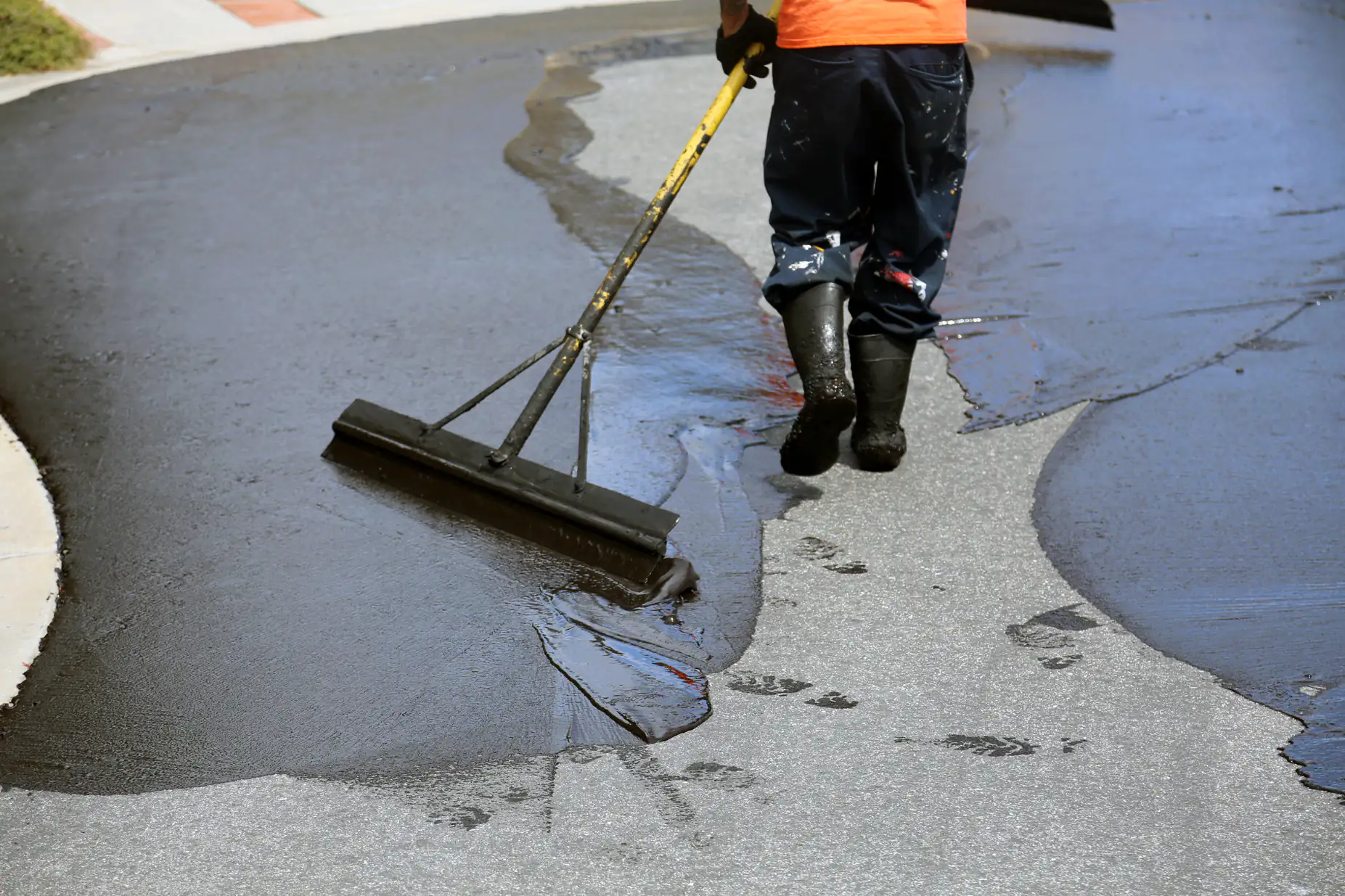
You’re not just getting a fresh black coat. You’re creating a waterproof barrier that keeps moisture from seeping into the asphalt base. That matters here in Somerset County, where we get hit with 40% more freeze-thaw cycles than central Jersey.
Water gets in through tiny cracks. It freezes, expands, and breaks apart your driveway from the inside out. By March, those hairline cracks you ignored in November become potholes that cost real money to fix.
Sealcoating blocks that cycle entirely. It also protects against UV oxidation, which is what turns your driveway gray and brittle over time. Road salt, oil drips, gas spills—all of it gets stopped at the surface instead of eating through your asphalt.
The result? Your driveway lasts 20 to 25 years instead of 15. You avoid a $5,000 repaving job. And your home looks better when friends pull up or when you’re ready to sell.
We’ve been sealing and paving driveways in Belle Mead and surrounding areas for over 20 years. We’re a third-generation, family-owned contractor, which means we’re not disappearing after your job is done.
We know this area. We understand how Belle Mead’s soil conditions, drainage patterns, and weather extremes affect asphalt differently than they do in other parts of the state. That knowledge shows up in how we prep your surface, what sealer we use, and when we recommend scheduling the work.
You’ll also notice we don’t operate like the fly-by-night crews saturating this market right now. We use professional-grade equipment, not Home Depot sprayers. We explain what we’re doing and why. And we back our work with a two-year written guarantee against peeling, flaking, or premature wear.
First, we clean your driveway completely. That means power washing or blowing off all dirt, debris, and loose material. Sealer won’t bond to a dirty surface, so this step matters more than most contractors admit.
Next, we fill any cracks wider than a quarter-inch with hot rubberized crack filler. This prevents water infiltration and keeps the crack from spreading. Small surface cracks get sealed over, but anything structural gets addressed first.
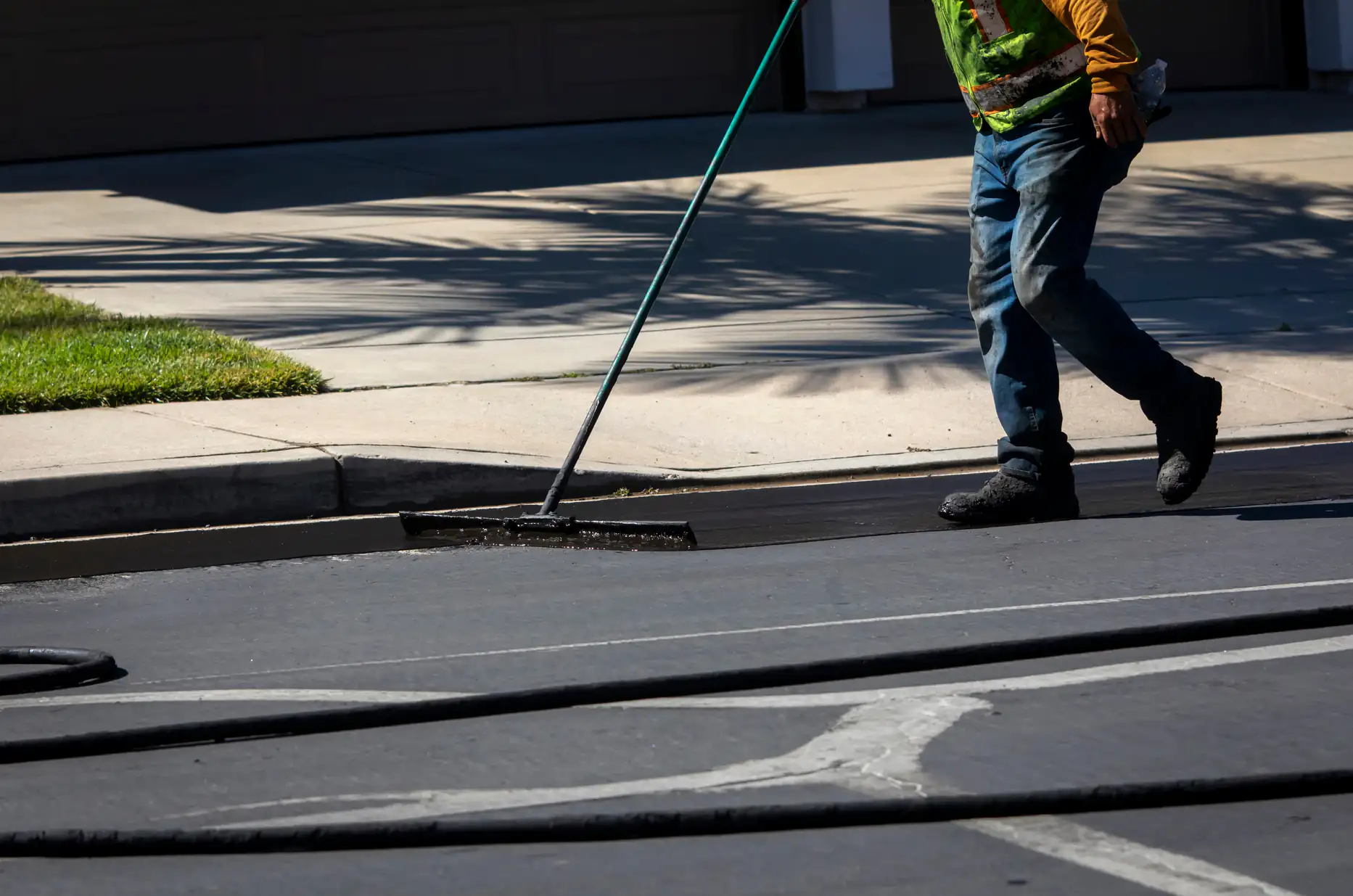
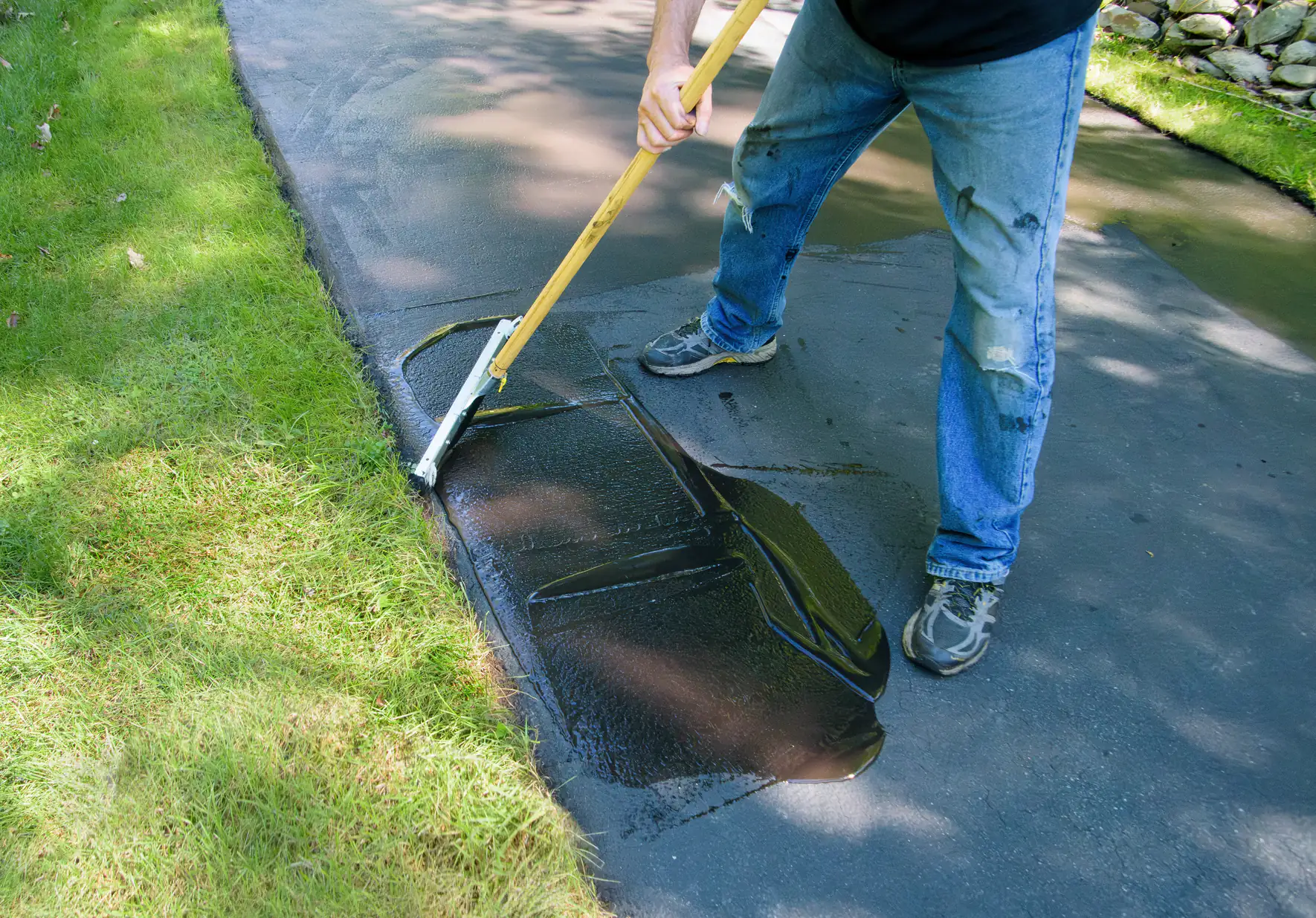
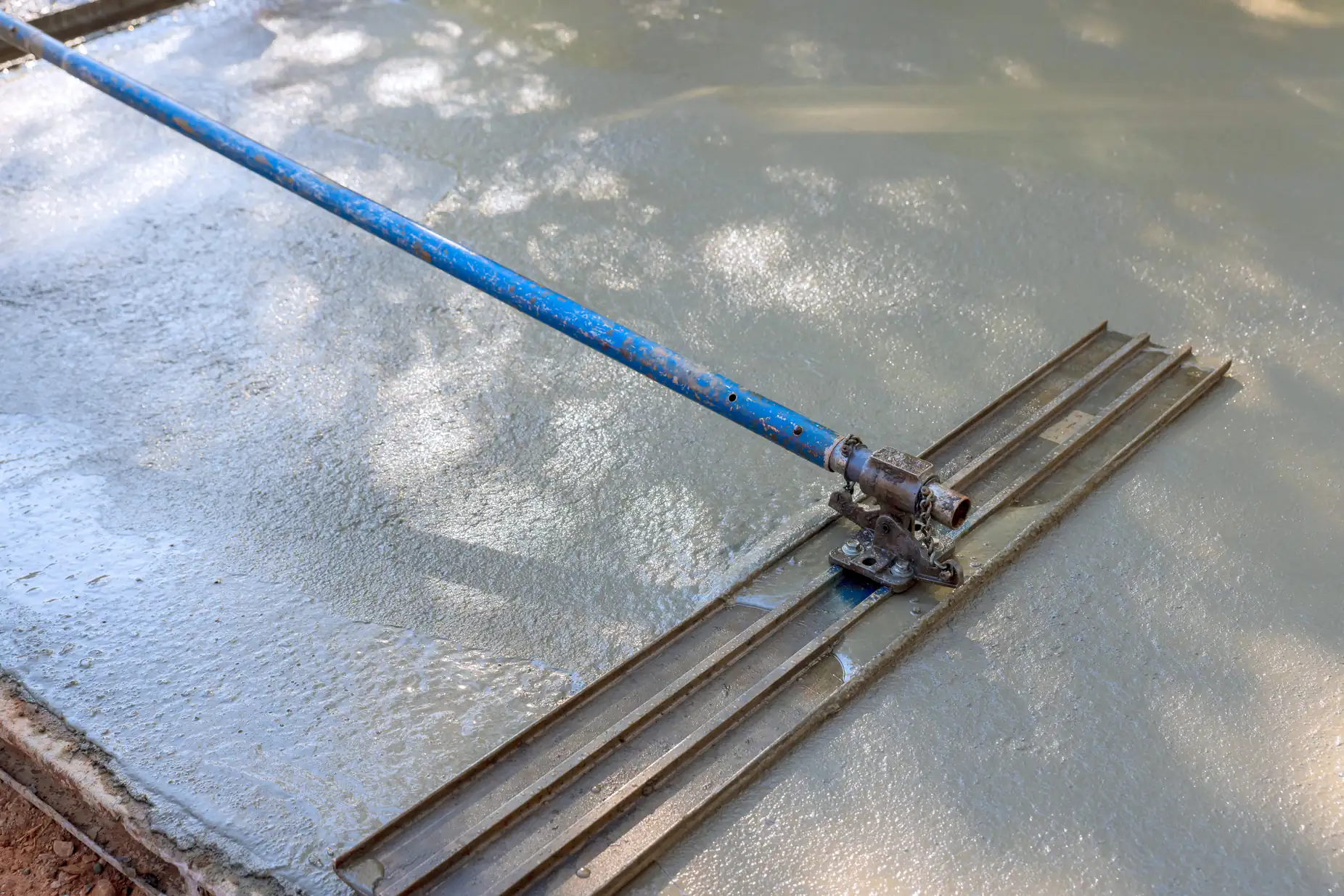
Then we apply two coats of commercial-grade coal tar or asphalt emulsion sealer. We use squeegee application for even coverage and proper thickness—not the spray-only method that leaves thin, inconsistent coats. Each coat needs to dry fully before the next goes on.
The entire process takes one to two days depending on weather and driveway size. You’ll need to stay off the driveway for 24 to 48 hours after the final coat. After that, you’re good to park, and your asphalt is protected for the next two to three years.
Ready to get started?
Most residential driveways in Belle Mead run between $200 and $500 for professional sealcoating. That breaks down to about $0.15 to $0.40 per square foot depending on your driveway’s size, condition, and how much crack repair is needed before sealing.
New Jersey pricing runs 15% to 20% higher than the national average. That’s due to higher labor costs and the fact that our climate beats the hell out of asphalt. You’re paying for materials that can handle freeze-thaw cycles, not the cheap stuff that peels off by spring.
Here’s the math that matters: a $300 sealcoat every three years costs you about $100 per year. A full driveway replacement costs $3,000 to $6,000 and happens around year 15 if you skip maintenance. Sealcoating pushes that replacement out to year 25 or beyond. You’re spending $2,400 over 24 years to avoid spending $5,000 at year 15.
Fall is the best time to seal in New Jersey. Temperatures are moderate, humidity is lower, and the sealer cures properly before winter hits. Spring works too, but you’re racing against summer heat and afternoon thunderstorms that can ruin a fresh application.
Every two to three years is the standard recommendation for residential driveways in northern New Jersey. That timing keeps the protective layer intact without over-sealing, which can cause surface issues.
If your driveway sees heavy use—multiple vehicles, frequent turning, commercial traffic—you might need to seal every two years. Light use can stretch it to three. The test is simple: if water stops beading up on the surface and starts soaking in, it’s time to reseal.
Don’t seal too frequently. Applying sealer every year builds up layers that can crack and peel. You want protection, not thickness.
Coal tar sealer is more durable and offers better protection against gas, oil, and UV damage. It’s what we and most professional driveway sealcoating contractors use for residential work in New Jersey. It lasts longer and holds up better in our climate.
Asphalt emulsion is more environmentally friendly and dries faster, but it doesn’t protect as well against petroleum spills or harsh freeze-thaw cycles. Some towns have restrictions on coal tar due to environmental concerns, so we check local regulations before starting any job.
For Belle Mead homeowners, coal tar is usually the better choice unless you have specific environmental preferences or local restrictions. It costs slightly more upfront but saves you money over time because you’re resealing less often.
You can do it yourself if you’re comfortable with the prep work and have realistic expectations about the results. DIY sealcoating costs $50 to $150 in materials for an average driveway, but the finish won’t match professional work.
The issue isn’t applying sealer—it’s the prep. You need to thoroughly clean the surface, properly fill cracks, and apply the sealer at the right thickness and temperature. Most homeowners under-prep and over-apply, which leads to peeling and uneven coverage.
We use commercial-grade materials that aren’t available at retail stores. We also have the equipment to apply consistent coats and the experience to spot underlying problems before they become expensive repairs. If your driveway has significant cracking, drainage issues, or base failure, DIY won’t fix it—you’ll just be covering up damage that’s getting worse underneath.
You’ll need to stay off your driveway for 24 to 48 hours after the final coat goes down. That’s for foot traffic. For vehicles, wait the full 48 hours minimum—longer if temperatures are cool or humidity is high.
Sealer dries from the top down, so even if the surface looks dry after 12 hours, the bottom layer is still curing. Driving on it too early leaves tire marks, scuffs the finish, and can pull up the sealer entirely in spots.
Weather plays a huge role. We won’t seal if rain is forecasted within 24 hours or if overnight temperatures are dropping below 50°F. Cool, damp conditions slow the curing process significantly. In ideal conditions—75°F and sunny—you’re looking at the shorter end of that window. In marginal weather, we’ll tell you to wait three days to be safe.
No. Sealcoating protects the surface—it doesn’t repair structural damage. If you have cracks wider than a quarter-inch or any potholes, those need to be filled and repaired before sealing.
We handle crack filling as part of the prep process using hot rubberized filler that flexes with temperature changes. Small hairline cracks get sealed over. Larger cracks get filled first, then sealed. Potholes require patching with hot mix asphalt, which is a separate repair that happens before sealcoating.
Think of sealcoating as a preventive maintenance step, not a fix for existing damage. It stops new cracks from forming and keeps small cracks from getting worse, but it won’t make structural problems disappear. If your driveway is heavily damaged, we’ll tell you honestly whether sealing makes sense or if you’re better off repaving sections first.
Look for contractors who’ve been operating locally for years, not crews that show up in spring and disappear by summer. Ask how long they’ve been in business and whether they’re insured. A legitimate contractor will provide proof of liability insurance without hesitation.
Get a written estimate that breaks down prep work, materials, number of coats, and square footage. Be skeptical of quotes that come in way below everyone else—they’re either cutting corners on prep, using watered-down sealer, or planning to upsell you once they’re on site.
Ask what type of sealer they use and how they apply it. Professional crews use commercial-grade coal tar or asphalt emulsion and apply it with squeegees for even coverage. If they’re only spraying, you’re getting a thinner coat that won’t last. And make sure they offer some kind of warranty. Our two-year guarantee against peeling and flaking is standard for quality work—if a contractor won’t stand behind their application, that tells you something.