
Hear from Our Customers
You’re looking at 15 to 20 years from a properly installed asphalt driveway in New Jersey. That’s with basic maintenance like sealcoating every few years. Most driveways fail early because of what you can’t see: poor base preparation, inadequate compaction, or drainage that was never right to begin with.
When the base is built correctly and water has somewhere to go, your driveway doesn’t sink in spots or develop those spiderweb cracks within the first year. It stays level. Water runs off instead of pooling. You’re not calling someone back in three years wondering why your “new” driveway already looks terrible.
The difference shows up in how your driveway ages. Proper installation means you’re dealing with normal wear over time, not premature failure. You’ll need maintenance eventually, but you’re not looking at expensive repairs or full replacement years before you should be.
We work throughout Morris, Somerset, and Sussex Counties. We’re based in Morris County, and we’ve been installing asphalt in areas like Watchung long enough to understand what the climate does to pavement here.
The freeze-thaw cycle in this part of New Jersey is real. Water gets into small cracks, freezes, expands, and turns minor issues into major ones. That’s why proper drainage and quality materials matter more here than in milder climates. We use high-grade hot mix asphalt applied at the right temperature, and we don’t skip steps on base preparation.
You’ll get a written estimate that breaks down what’s included. No surprises, no hidden costs. If you request a quote online, we’ll call you back within 24 to 48 hours.
We start with site analysis. That means looking at your existing driveway or the area where one will go, checking drainage, and identifying any problems with the current base. If there’s failing material underneath, we excavate it. You can’t build a lasting driveway on top of a bad foundation.
Next comes base construction. We grade and compact an aggregate base properly because this layer determines how well your driveway performs long-term. Compaction is critical. Without it, you get settling and sinking later. We use heavy rollers to achieve the density your driveway needs for strength and stability.
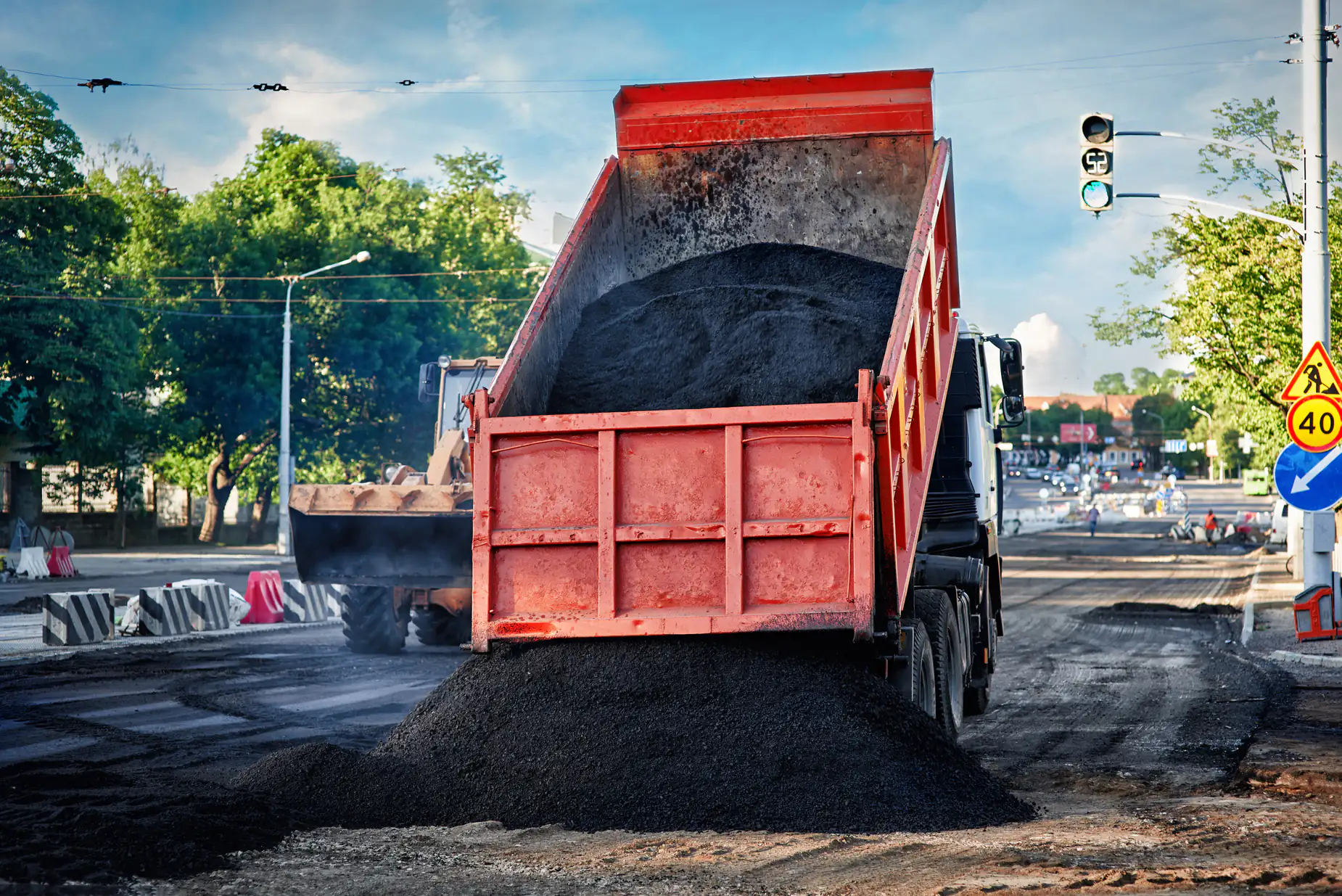
Then we apply the hot mix asphalt. It’s distributed uniformly by paving machines while it’s still at proper temperature. Temperature matters because asphalt that’s too cool doesn’t compact correctly. After application, we compact the asphalt layer itself, reducing air voids and locking everything together.
The result is a driveway that’s built to handle traffic and weather from day one. Drainage is factored in throughout the process because water is the biggest threat to asphalt longevity in Watchung.
Ready to get started?
Every project starts with measuring and marking the area. If you’re replacing an existing driveway, we remove the old asphalt and evaluate what’s underneath. Poor soil compaction is one of the most common reasons driveways fail early, so we address that before anything else goes down.
You’re getting a properly graded and compacted aggregate base. This isn’t optional. It’s the foundation that prevents sinking and cracking as your driveway settles over time. We also make sure water drains away from your home’s foundation, which protects both your driveway and your house from expensive water damage.
The asphalt itself is high-grade hot mix applied at the right thickness for your specific use. Residential driveways and commercial parking lots have different requirements. We adjust the approach based on what kind of traffic and weight your pavement will see. In Watchung, we also consider local requirements and how Somerset County’s weather patterns affect material performance.
Sealcoating isn’t included in initial installation, but it’s something you’ll want to do every three to five years. It protects against weather damage and extends your driveway’s life significantly. We can explain when and why you’ll need it.
Most residential driveways in Watchung run between three and seven dollars per square foot. A typical 600 square foot driveway costs somewhere between $1,800 and $4,200, but that range shifts based on what your project actually involves.
If you’re doing a simple overlay on an existing driveway that’s in decent shape, you’re on the lower end. If we’re removing old asphalt, excavating failing base material, regrading for drainage, and building everything from scratch, you’re looking at the higher end. Site access, thickness requirements, and any decorative elements also affect final cost.
The cheapest bid usually means someone’s cutting corners. That might be thinner asphalt, inadequate base prep, or skipping proper compaction. You’ll pay for those shortcuts later with early failure and expensive repairs. We give you written estimates that break down exactly what’s included so you know what you’re getting.
Most residential driveways take two to three days from start to finish. Day one is usually demolition and base work if you’re replacing an existing driveway. We remove old asphalt, excavate any failing material, and build the new aggregate base. That base needs time to settle and compact properly.
Day two is when we pave. The actual asphalt application goes relatively quickly, but we can only do it when conditions are right. Temperature matters because asphalt needs to be applied and compacted while it’s hot. We won’t pave in rain or when it’s too cold because that compromises the final result.
You can typically walk on your new driveway within 24 hours and drive on it within two to three days. Full curing takes longer, but you’re not waiting weeks to use it. We’ll give you specific guidance based on weather conditions and the scope of your project. Larger commercial parking lots take longer, but the process is similar.
Poor base preparation causes most early failures. When the underlying soil isn’t compacted properly or the aggregate base is too thin, your driveway doesn’t have adequate support. It settles unevenly, and you get sinking in spots and cracks as the asphalt tries to bridge gaps in the foundation.
Water is the other major culprit, especially in New Jersey. Poor drainage means water pools on your driveway or seeps underneath. When that water freezes in winter, it expands. That expansion creates pressure that breaks down asphalt and widens existing cracks. Over time, small cracks become big problems.
Tree roots, heavy vehicles on pavement that wasn’t built for the weight, and skipping maintenance like sealcoating also contribute. But if your driveway is cracking within the first few years, it’s almost always an installation issue. Properly installed asphalt with good drainage holds up to normal use and weather for 15 to 20 years in Watchung’s climate.
If the damage is isolated to specific areas and your driveway is less than 10 years old, repairs usually make sense. We can patch potholes, fill cracks, and address small sections that have failed. Sealcoating after repairs helps protect the rest of the surface and extend overall life.
Full replacement makes more sense when you’re seeing widespread cracking, significant sinking in multiple areas, or your driveway is already 15 to 20 years old. At that point, you’re dealing with base failure or the asphalt itself is just worn out. Patching becomes a temporary fix that doesn’t address the underlying problem.
Sometimes an overlay works as a middle option. We can pave a new layer of asphalt over your existing driveway if the base is still solid and the current surface isn’t too damaged. This costs less than full replacement but gives you a fresh surface. We’ll assess your specific situation and tell you honestly what makes sense. There’s no point in selling you a full replacement if repairs will get you another five years.
Sealcoating every three to five years significantly extends your driveway’s life in New Jersey’s climate. It’s a protective layer that shields asphalt from UV damage, water penetration, and the chemicals that come from de-icing salts in winter. Without it, your driveway deteriorates faster.
The best time to sealcoat is after your driveway has cured for at least six months to a year after installation. After that, you’re looking at reapplication every few years depending on traffic and weather exposure. You’ll know it’s time when the surface starts looking faded or gray instead of deep black.
Sealcoating isn’t permanent protection, but it’s one of the most cost-effective ways to maintain your investment. It fills small surface cracks before they become bigger problems and makes your driveway easier to clean. For what it costs compared to repairs or early replacement, it’s worth doing. We can handle sealcoating for you or explain how to evaluate contractors if you’re getting quotes.
Asphalt costs less upfront and handles freeze-thaw cycles better than concrete in New Jersey. It’s more flexible, so it moves slightly with temperature changes instead of cracking as easily. When asphalt does need repairs, they’re usually simpler and less expensive than fixing concrete. You’re also looking at faster installation and the ability to use your driveway sooner.
Concrete lasts longer if it’s maintained well, potentially 30 years or more compared to asphalt’s 15 to 20 years. It holds up better under extremely heavy loads and doesn’t need sealcoating. You can also do decorative stamped patterns with concrete that aren’t possible with standard asphalt. But concrete costs more initially, takes longer to cure, and when it cracks, repairs are more visible and involved.
For most residential driveways in Watchung, asphalt makes more sense. It performs well in our climate, costs less, and requires maintenance that’s straightforward and affordable. Concrete works better for specific situations where appearance is a priority or you need maximum durability under heavy commercial traffic. We install both, so we can walk you through which option fits your situation and budget.