
Hear from Our Customers
A properly installed driveway in Voorhees should give you 15 to 20 years without major repairs. That only happens when the base is compacted right, drainage is planned before the first truck shows up, and the asphalt mix is designed for New Jersey’s climate.
Most driveways fail because of what you can’t see. Water gets under the surface, freezes, expands, and cracks everything apart. Voorhees sits in Camden County where freeze-thaw cycles hit hard every winter.
When the work is done right, you’re looking at a surface that sheds water, resists cracking, and holds up under snow plows. You’re not calling someone back in two years to patch potholes or redo sections that settled wrong.
We’ve spent over 20 years working in Morris, Sussex, Somerset, and Camden County. We know what holds up here and what doesn’t.
Voorhees is a bedroom community with a mix of residential driveways and commercial parking lots. The soil conditions, drainage patterns, and weather exposure all factor into how we approach each job. We’re not a traveling crew that shows up in spring and disappears by fall.
Every project starts with a site assessment. We look at drainage, soil stability, and existing pavement conditions before we talk about materials or pricing. You get clear numbers upfront, and we stick to the schedule we give you.
First, we assess your site. That means checking how water moves across your property, testing soil stability, and measuring the area. If there’s old pavement, we determine whether it needs full removal or can serve as part of the base.
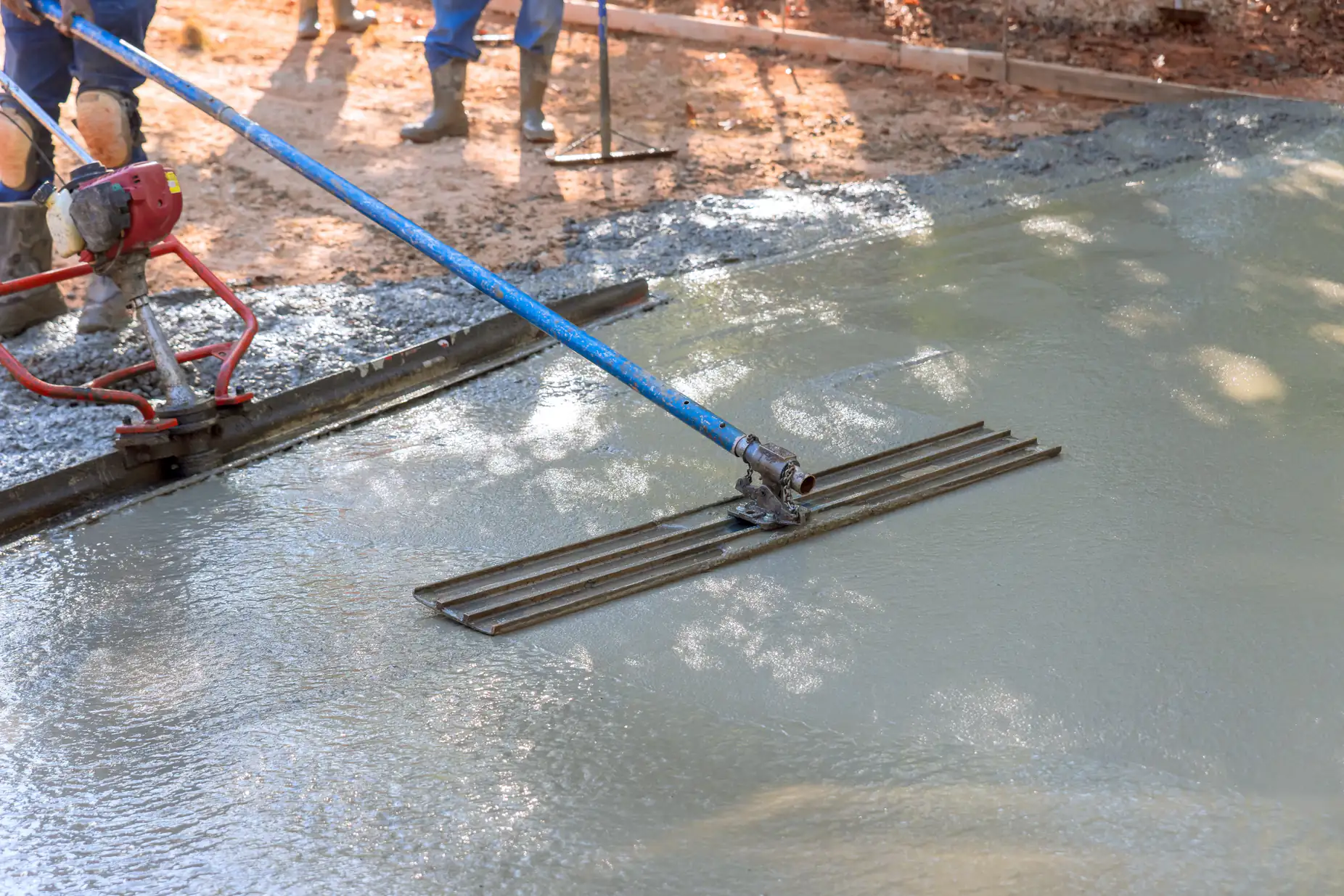
Next comes excavation and grading. We remove unsuitable material, establish proper slope for drainage, and compact the subgrade. Then we bring in aggregate base material, spread it in lifts, and compact each layer. This base is what keeps your driveway from settling or cracking.
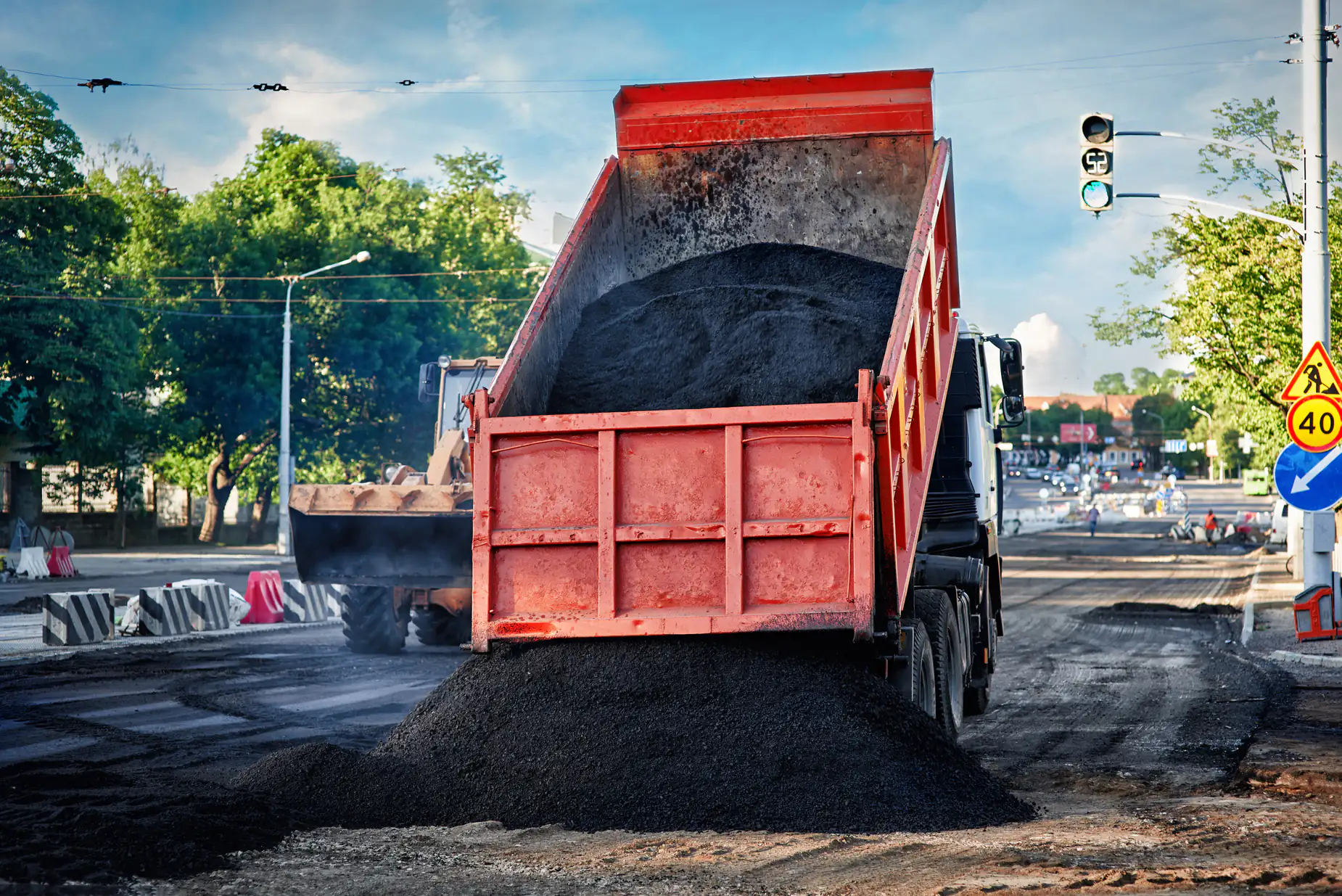
Once the base is solid, we apply hot mix asphalt at the right temperature. The mix grade matters – we use blends designed for New Jersey’s freeze-thaw cycles. After spreading, we compact the asphalt with rollers to achieve proper density.
The surface needs 24 to 48 hours before you can drive on it. Full curing takes longer, but you’re back to normal use within two days. We clean up completely and walk you through basic maintenance that’ll extend the life of your driveway.
Ready to get started?
You get a complete installation, not just asphalt on top of whatever’s there. That includes site prep, proper grading for drainage, compacted aggregate base, and high-grade hot mix asphalt applied at the correct temperature.
In Voorhees and throughout Camden County, drainage is critical. Properties here deal with significant rainfall, and standing water is one of the fastest ways to destroy a driveway. We plan slope and drainage before any material goes down.
For commercial projects like parking lots, we factor in heavier traffic loads and different use patterns. The base needs to be thicker, and the asphalt mix is selected for durability under constant vehicle weight. We also handle line striping, curbing, and ADA-compliant access if your project requires it.
You also get a realistic timeline and clear communication. We’re not showing up when we feel like it or leaving you guessing about when the job will finish. Most residential driveways in Voorhees take two to three days from start to finish, depending on size and site conditions.
A properly installed asphalt driveway in Voorhees typically lasts 15 to 20 years. That lifespan depends entirely on three things: base preparation, material quality, and maintenance.
The base is the foundation. If it’s not compacted correctly or if drainage wasn’t planned right, you’ll see settling and cracking within the first few years. New Jersey’s freeze-thaw cycles are brutal on any weak points in the base.
Maintenance extends life significantly. Sealcoating every three to four years protects the surface from water infiltration and UV damage. Filling cracks as they appear prevents water from getting underneath and causing bigger problems. Most homeowners spend a few hundred dollars on preventive maintenance versus thousands on premature replacement.
Late spring through early fall is ideal for asphalt paving in Voorhees. We generally avoid paving when temperatures drop below 50°F because asphalt needs heat to compact properly and cure correctly.
Spring and fall offer the best conditions. Temperatures are moderate, and there’s less chance of extreme heat or unexpected cold snaps. Summer works too, but extremely hot days can make the asphalt too soft during installation.
If you’re planning a project, book early. Peak season runs from late March through October, and quality paving contractors fill their schedules fast. Waiting until you see cracks spreading across your driveway means you’re competing with everyone else who also waited too long. Plan ahead, and you get better scheduling options and aren’t forced into emergency repairs during less-than-ideal weather.
Residential driveway paving in Voorhees typically ranges from $3,000 to $8,000 for a complete replacement, depending on size, site conditions, and material choices. Repairs and resurfacing cost less, usually a few hundred to a couple thousand dollars.
Several factors affect price. A driveway that requires significant excavation or has drainage issues costs more than a straightforward replacement on stable ground. Thickness matters too – a standard residential driveway uses a different asphalt depth than a commercial parking lot that handles heavier loads.
Material costs have been climbing due to oil price fluctuations and supply chain issues. Asphalt is a petroleum product, so global oil markets directly impact what you pay. That’s why getting quotes sooner rather than later makes sense if you’re planning a project. We provide detailed estimates that break down exactly what you’re paying for – no surprise charges after we start work.
Asphalt makes more sense for most Voorhees driveways. It handles freeze-thaw cycles better than concrete, costs less upfront, and is easier to repair when damage does occur.
Concrete cracks in cold weather. When water seeps into those cracks and freezes, it expands and makes the damage worse. Asphalt has more flexibility, so it tolerates temperature swings without breaking apart. That matters in New Jersey where winter temperatures swing wildly.
Asphalt also costs about 30% less than concrete for the same area. If you’re looking at a typical two-car driveway, that difference adds up to thousands of dollars. Maintenance is simpler too – sealcoating asphalt every few years keeps it protected, while concrete requires more intensive care and repairs are more visible and expensive.
Concrete does have advantages for decorative applications. If appearance is your top priority and you want stamped patterns or specific colors, concrete offers more options. But for pure functionality and durability in Voorhees weather, asphalt wins.
If more than 30% of your driveway surface shows damage, replacement usually makes more sense than patching. Look for widespread cracking, multiple potholes, significant settling, or areas where the base has failed.
Small cracks and minor surface damage can be repaired. A few isolated potholes or edge crumbling doesn’t mean you need to tear everything out. But when cracks connect across large sections, when water pools in multiple spots, or when you see the base material coming through, the structural integrity is compromised.
Age factors in too. If your driveway is over 20 years old and showing significant wear, repairs are just delaying the inevitable. You’ll spend money on patches that only last a season or two, then still need replacement. A site assessment gives you a clear answer – we’ll tell you honestly whether repair makes sense or if you’re throwing money at a driveway that’s past its useful life.
Yes, we handle commercial parking lots throughout Voorhees and Camden County. Commercial paving requires thicker base material, heavier-duty asphalt mixes, and different planning than residential driveways.
Parking lots deal with constant traffic, heavier vehicles, and more stress on the pavement. The base needs to support that load without settling, and drainage becomes even more critical because standing water creates liability issues and accelerates pavement breakdown.
We also handle the details commercial properties need – ADA-compliant access, proper line striping, curbing, and coordination with business operations to minimize disruption. Most commercial projects happen in phases so you’re not shutting down your entire parking area at once. We work with your schedule, not the other way around.