
Hear from Our Customers
You’re not dealing with another round of patching come spring. The asphalt stays smooth, water drains where it should, and your property looks the way it’s supposed to.
That’s what happens when hot mix asphalt gets applied at the right temperature with proper base prep. Vernon Valley sits in Sussex County, where freeze-thaw cycles hit hard between November and March. Water seeps into cracks, expands when it freezes, and tears asphalt apart from the inside out.
We install asphalt engineered for this climate. The base gets compacted correctly, drainage gets planned before we pour, and the mix bonds at the temperature it’s supposed to. You’re not paying for a surface that looks good for six months and fails by year two.
Driveways hold up under snow plows. Parking lots don’t develop potholes every spring. And you’re not calling around for emergency repairs because the job was done right from the start.
Platinum Paving operates out of Morris County with over 20 years of paving experience across North Jersey. We’re licensed in New Jersey, fully insured, and we’ve earned an A+ rating with the Better Business Bureau.
Vernon Valley properties face specific challenges. You’re dealing with elevation changes, rocky soil conditions, and temperature swings that most paving companies don’t account for. We do, because we’ve been working in Sussex County long enough to know what fails and what lasts.
You’ll get an upfront quote that breaks down the work, the materials, and the timeline. No surprise charges. No disappearing after the deposit clears. Just a crew that shows up, does the work, and leaves your property in better shape than we found it.
You request a quote online or by phone, and we get back to you within 24 to 48 hours. We’ll schedule a time to walk your property, measure the area, and talk through what you need. That’s when we assess drainage, base conditions, and any site-specific issues that affect the install.
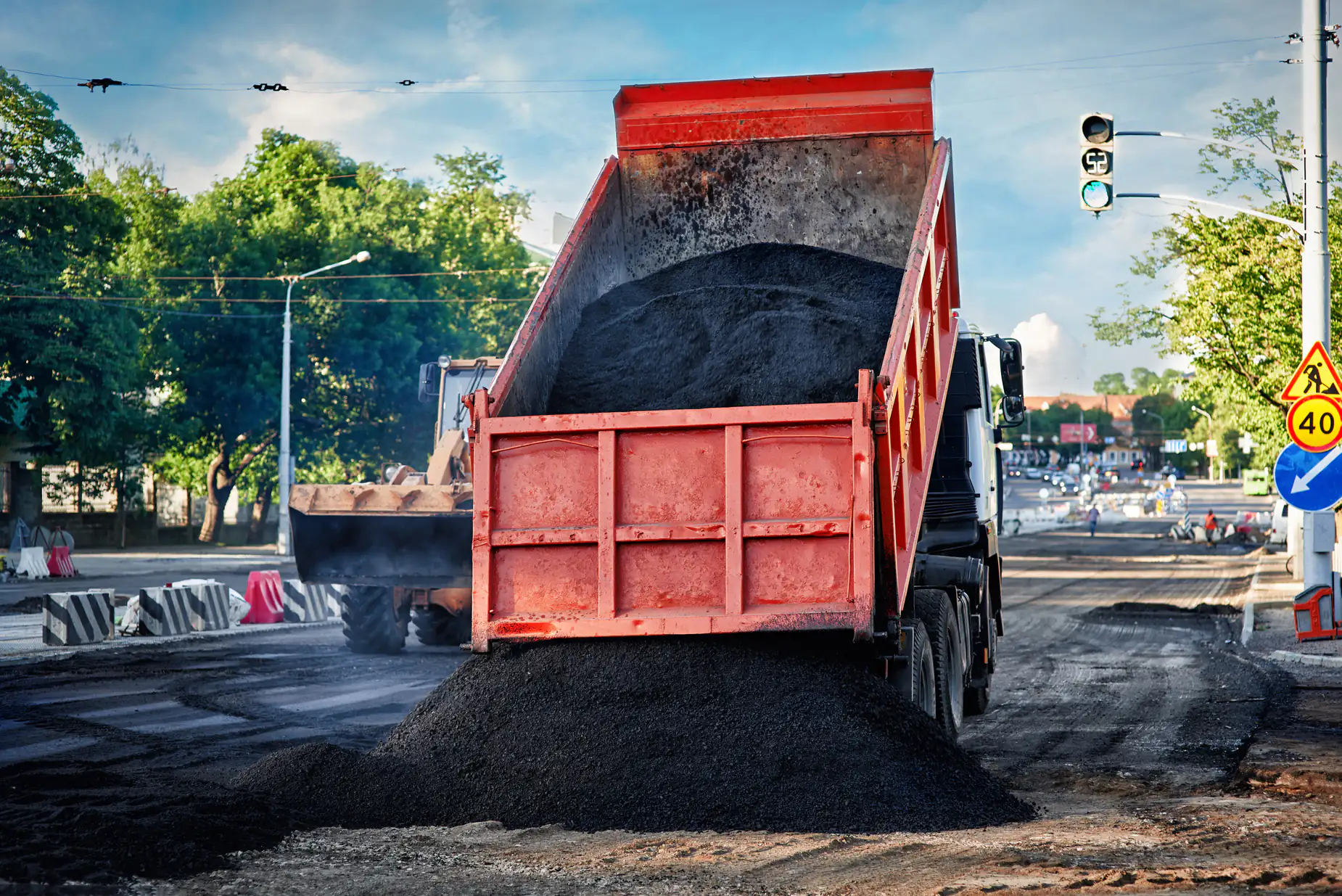
Once you approve the quote, we schedule the work. We’ll remove old asphalt if needed, grade and compact the base, and make sure water flows away from your foundation. Then we apply hot mix asphalt at the proper temperature so it bonds correctly and compacts evenly.
The crew works efficiently. We’re not dragging projects out or leaving equipment sitting in your driveway for weeks. Most residential driveways get completed in one to two days depending on size and complexity.
After installation, you’ll need to stay off the surface for 24 to 48 hours while it cures. We’ll walk you through the timeline and answer any questions about sealcoating, maintenance, or long-term care. You’re not guessing what comes next, because we’ll tell you exactly what to expect.
Ready to get started?
You’re getting high-grade hot mix asphalt applied at the temperature it needs to bond and compact correctly. We’re not cutting corners with cold patch or recycled mix that breaks down in two years.
Base preparation matters more than most property owners realize. We excavate to the right depth, compact the subbase, and ensure proper drainage before any asphalt goes down. Vernon Valley’s rocky terrain and elevation changes mean water management isn’t optional. If water pools on your driveway or parking lot, it’s going to freeze, expand, and destroy the surface.
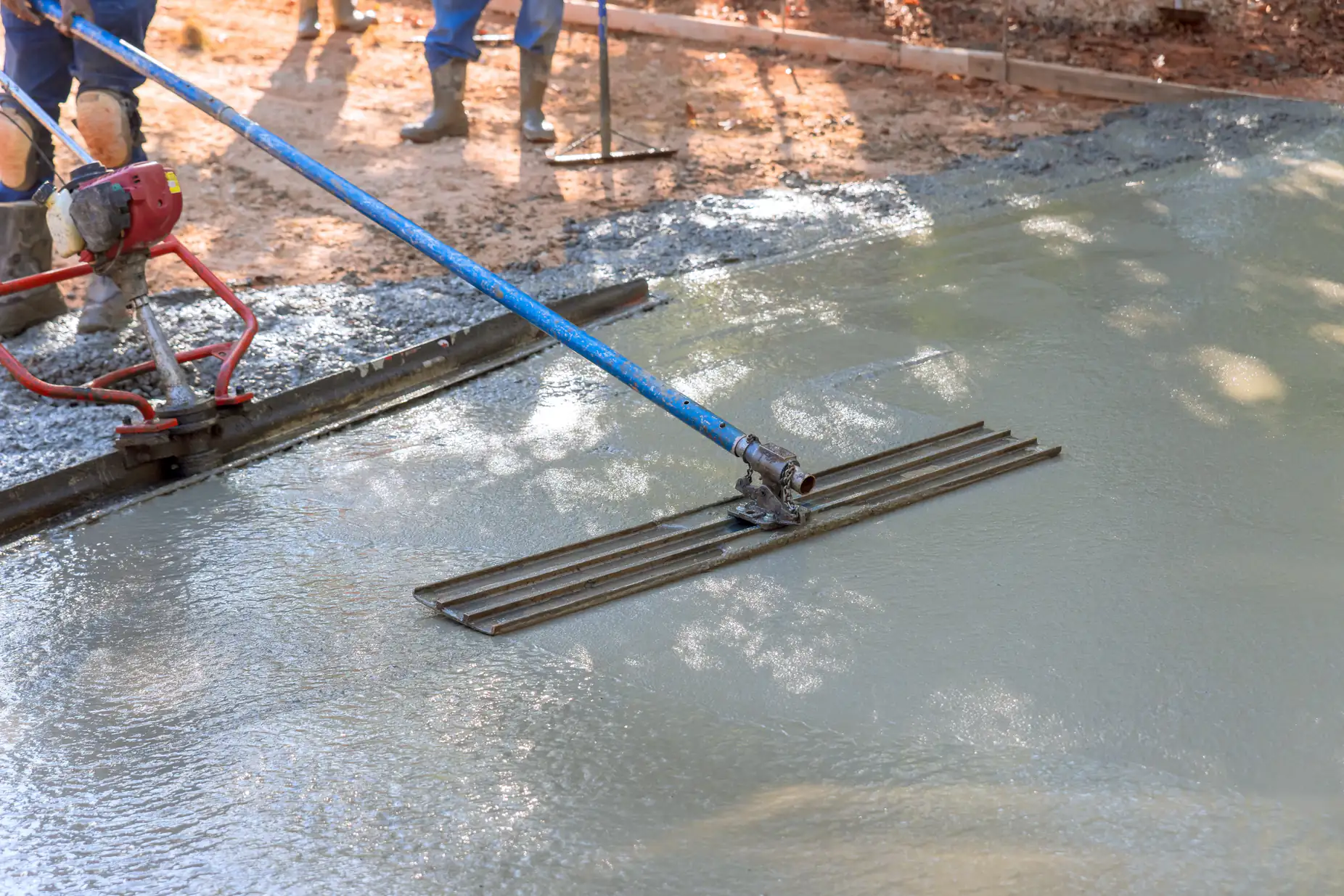
We handle residential driveways, commercial parking lots, and blacktop repairs. If you need decorative stamped concrete for walkways or patios, we do that too. The crew has experience with everything from small residential jobs to larger commercial projects.
You’ll also get clear communication throughout the process. We’re available to answer questions, adjust timelines if weather doesn’t cooperate, and make sure you know what’s happening at every stage. North Jersey weather can be unpredictable, especially in spring and fall. If conditions aren’t right for paving, we’ll tell you and reschedule rather than install asphalt that won’t perform.
A properly installed asphalt driveway lasts 15 to 20 years in North Jersey with regular maintenance. That means sealcoating every two to three years and addressing small cracks before they turn into bigger problems.
Vernon Valley’s freeze-thaw cycles are tough on asphalt. Water gets into small cracks, freezes overnight, expands, and creates bigger cracks. If you stay on top of sealcoating and crack filling, you’re protecting the surface from water infiltration and extending the lifespan significantly.
The install quality matters just as much as maintenance. If the base wasn’t compacted correctly or the asphalt was applied at the wrong temperature, you’re looking at premature failure regardless of how well you maintain it. That’s why starting with a proper installation saves you money and headaches over the long term.
Late spring through early fall is the ideal window for asphalt paving in North Jersey. You need consistent temperatures above 50 degrees for the asphalt to compact and cure properly.
Vernon Valley can see frost as late as early May and as early as mid-October. We don’t recommend paving when overnight temperatures drop below 50 degrees, because the asphalt won’t bond correctly. Cold weather installations lead to premature cracking and surface failure.
Summer is busy season for paving contractors, so if you’re planning a project, reach out in early spring to get on the schedule. Waiting until July or August often means longer lead times. And if you wait until fall, you’re risking weather delays that push the project into winter when paving isn’t feasible.
Residential driveway paving typically runs between $3 and $7 per square foot depending on site conditions, base prep requirements, and driveway size. A standard two-car driveway averages 600 to 800 square feet, putting most projects in the $2,500 to $5,000 range.
That price includes excavation, base preparation, grading, and hot mix asphalt installation. If your property has drainage issues, steep grades, or requires significant base work, costs go up. Properties in Vernon Valley often have rocky soil and elevation changes that require more prep work than flat suburban driveways.
We provide upfront quotes that break down the work so you know exactly what you’re paying for. No hidden fees or surprise charges after the work starts. And if site conditions change once we start excavating, we’ll talk through options before proceeding.
Yes, but not immediately. New asphalt needs six to twelve months to fully cure before you apply sealcoat. Sealcoating too early traps oils in the asphalt that need to evaporate, which can cause the sealcoat to fail.
After that initial curing period, sealcoating every two to three years protects the surface from UV damage, water infiltration, and chemical exposure from oil or gas spills. Vernon Valley’s winters are hard on asphalt, and sealcoating adds a protective layer that extends the lifespan of your driveway significantly.
Think of sealcoating like maintaining your car. You wouldn’t skip oil changes and expect the engine to last. Same principle applies to asphalt. Regular sealcoating is inexpensive compared to repaving, and it keeps your driveway looking good and performing well for years longer than neglected asphalt.
Sometimes, but it depends on the condition of the existing asphalt and the base underneath. If your current driveway has minor surface cracks but the base is still solid, an overlay can work. If the base has failed or the existing asphalt is severely damaged, you need full removal and reinstallation.
We’ll assess your driveway during the quote process and tell you honestly whether an overlay makes sense. Overlays cost less than full removal, but they’re not always the right solution. If the base has drainage issues or structural problems, adding new asphalt on top just delays the inevitable failure.
Vernon Valley properties often have base issues because of freeze-thaw cycles and water infiltration. If water has been pooling on your driveway or you’re seeing significant cracking and heaving, an overlay won’t fix the underlying problem. We’ll walk you through the options and explain what makes sense for your specific situation.
Hot mix asphalt is heated to around 300 degrees and applied while hot, which allows it to compact properly and bond with the base. It’s what you want for new driveways, parking lots, and permanent repairs. Cold patch is a temporary fix used for potholes and small repairs when temperatures are too low for hot mix.
Cold patch doesn’t bond the same way hot mix does. It’s designed to fill holes quickly, not to last long-term. If a paving company is offering cold patch as a permanent solution, walk away. It’ll fail within months, especially in North Jersey’s climate.
We use high-grade hot mix asphalt for all installations and permanent repairs. It costs more than cold patch, but it lasts decades instead of months. You’re paying for a surface that performs, not a quick fix that fails the first winter.