
Hear from Our Customers
A properly installed driveway or parking lot doesn’t crack after one winter. It doesn’t puddle when it rains. And it doesn’t need major repairs two years in.
You get a surface that handles freeze-thaw cycles without falling apart. Proper drainage that keeps water moving away from your foundation. And a finish that looks clean, not patchy or uneven.
North Jersey winters are relentless. Between December and March, your pavement goes through more freeze-thaw cycles than almost anywhere else in the state. That’s why the prep work matters just as much as the asphalt itself. If the base isn’t compacted right or the grading is off, you’ll see cracks and settling before the first snow melts.
When the work is done correctly from the start, you’re not calling someone back in six months. You’re not dealing with standing water or crumbling edges. You’re just using your driveway or lot the way it’s supposed to work.
We’ve been working in Morris, Somerset, and Sussex Counties since before the traveling crews started showing up every spring with “leftover asphalt” and motel addresses.
We’re based here. We know what happens to pavement in Vauxhall, Morristown, Parsippany, and everywhere in between when it’s installed wrong. And we’ve seen what happens when property owners hire the cheapest bid without asking the right questions.
You’ll get a clear estimate with no surprise charges. A realistic timeline. And a crew that knows the difference between doing it fast and doing it right. We’re not the cheapest option, but we’re the one you won’t have to call back next year.
First, we assess your property. That means looking at drainage, checking soil stability, and figuring out what’s causing problems if you already have pavement that’s failing.
Then we prep the site. Old asphalt or concrete gets removed. The area is cleared, graded, and sloped so water moves away from buildings and doesn’t pool on the surface. We compact a solid aggregate base because that’s what keeps your driveway or parking lot from sinking or shifting.
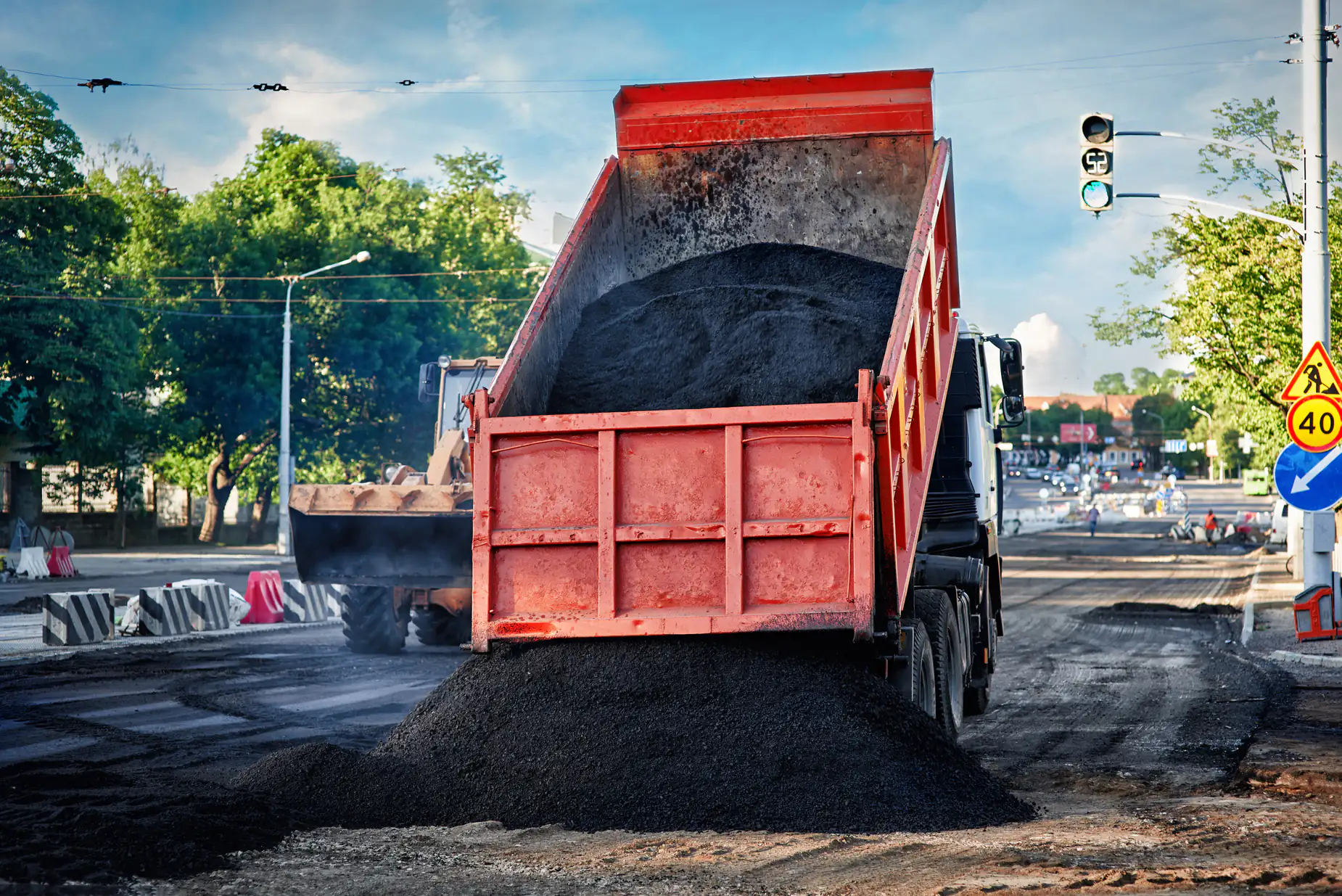
Next comes the asphalt. We use high-grade hot mix asphalt applied at the right temperature and compacted while it’s still hot. That creates a dense, resilient surface that holds up under traffic and weather. For concrete work, we use Portland cement mixes reinforced with rebar where needed.
Timing matters too. We schedule paving between late April and early October when temperatures stay above 50°F consistently. That’s the window where asphalt cures properly and bonds the way it should. If someone’s offering to pave your driveway in March or November, that’s a red flag.
Ready to get started?
You’re getting more than just a layer of asphalt. Site preparation includes clearing debris, removing old pavement, leveling the surface, and building proper drainage into the grade. That’s the foundation of a long-lasting installation.
The base layer gets compacted with commercial equipment to prevent settling. Then we apply hot mix asphalt at the proper thickness for your specific use—residential driveways, commercial parking lots, or roadways all have different requirements.
In Vauxhall and the surrounding Morris County area, drainage is critical. Properties here deal with heavy spring rains and rapid snowmelt. If your pavement doesn’t shed water correctly, you’ll see damage fast. We slope and grade every project so water moves off the surface and away from structures.
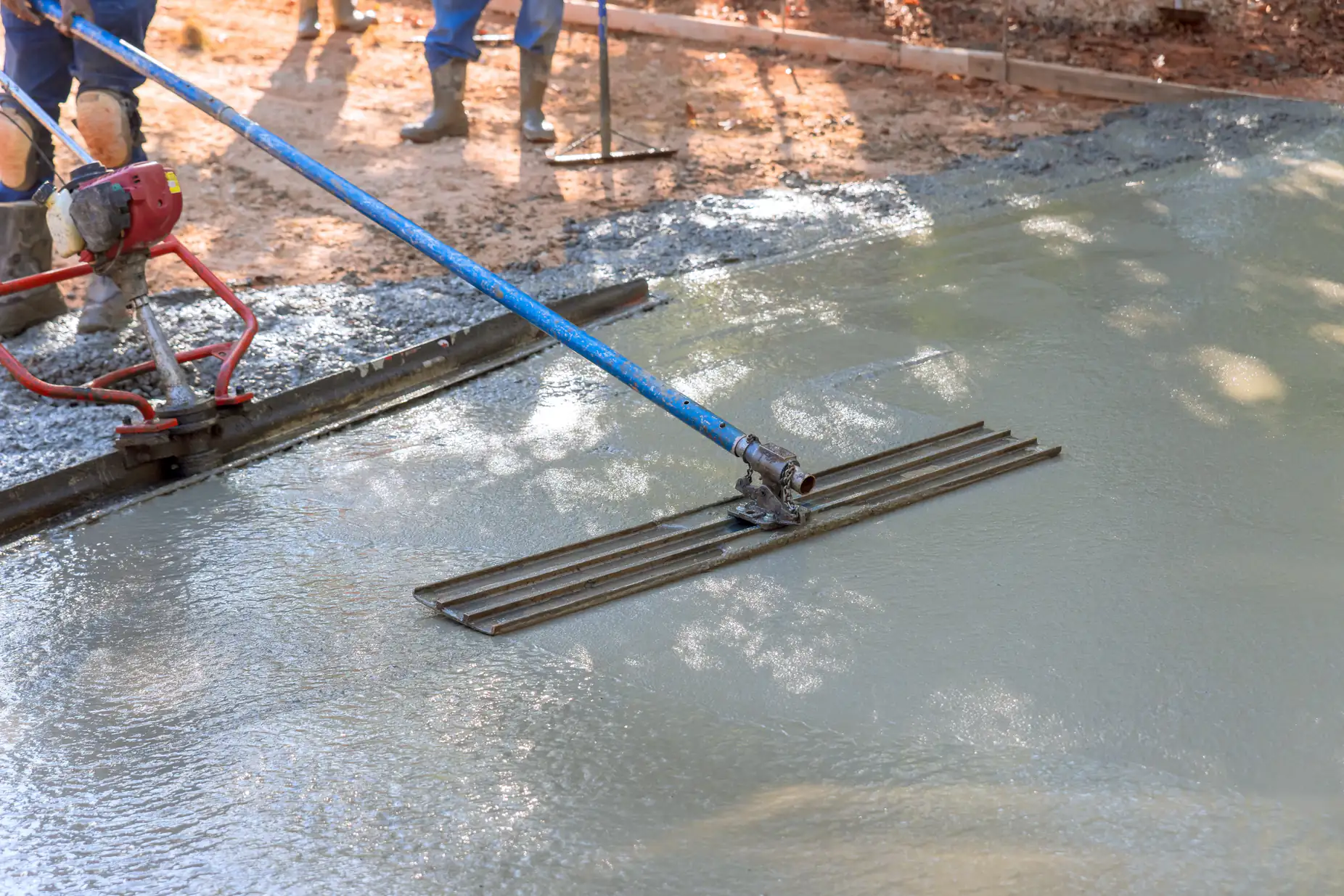
For concrete work, we offer standard poured surfaces and decorative stamped patterns. Concrete costs more upfront—typically $8 to $12 per square foot compared to $3 to $7 for asphalt—but it’s the right choice for certain applications. We’ll walk you through what makes sense for your property and budget.
We also handle repairs, patching, and sealcoating. Not every problem needs a full replacement. Sometimes you just need to address a specific area before it gets worse.
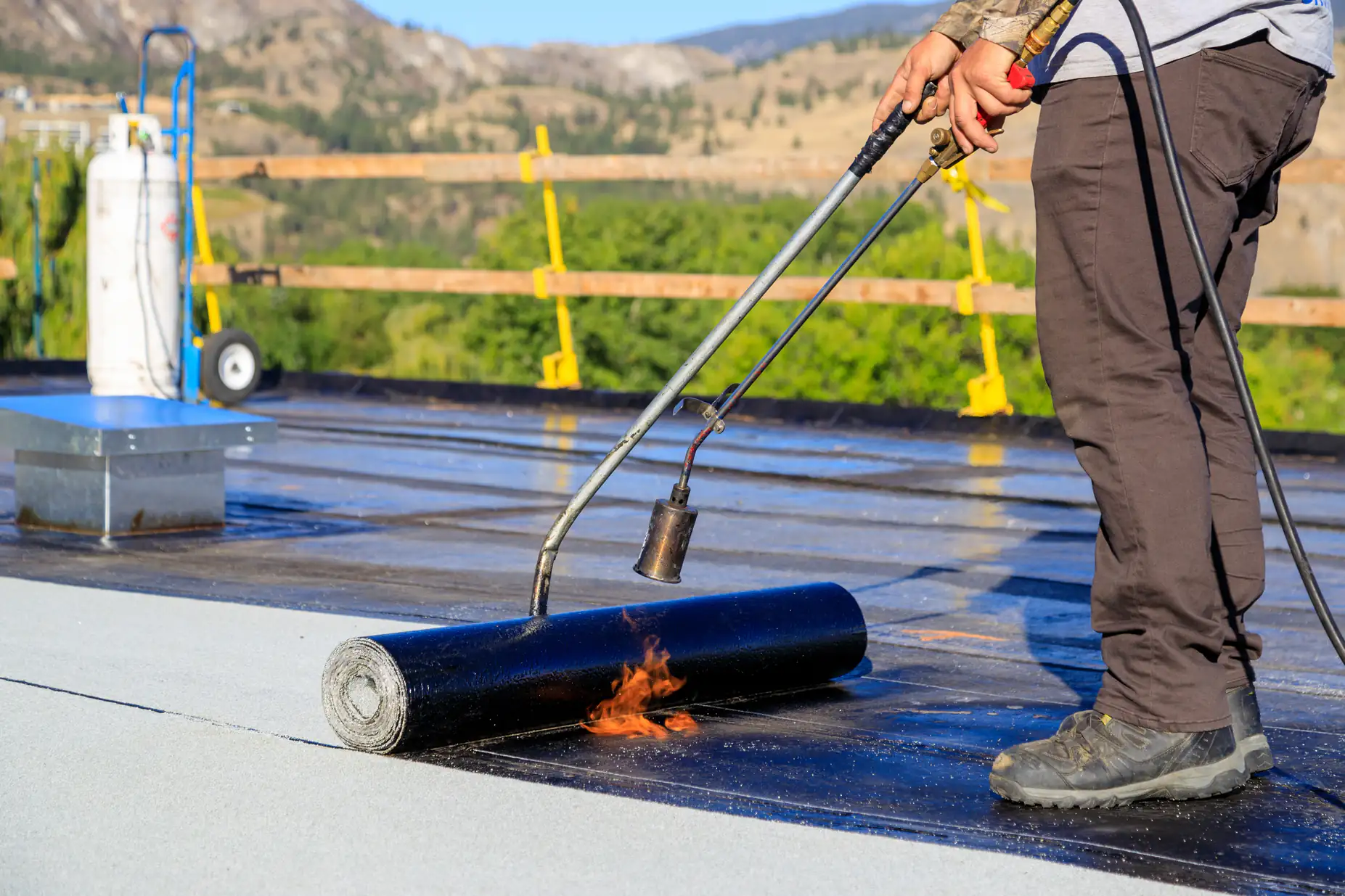
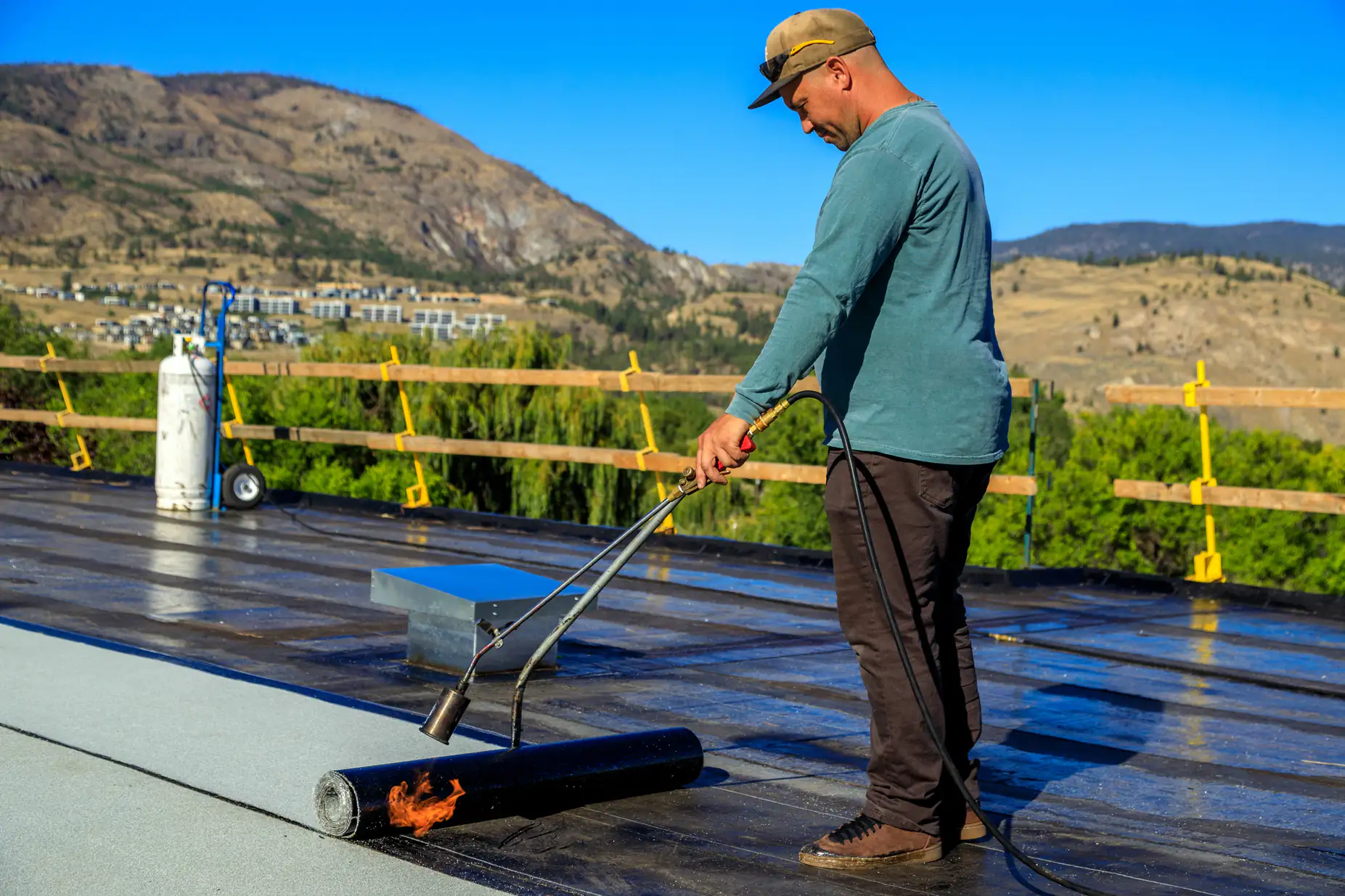
Sealcoating is a protective layer that extends the life of asphalt that’s still in good shape. It fills small cracks, protects against UV damage and water penetration, and refreshes the appearance. If your driveway or parking lot has minor surface wear but the structure is still solid, sealcoating makes sense.
Repaving is necessary when you have widespread cracking, potholes, sunken areas, or drainage problems. If water pools on the surface or the pavement is crumbling at the edges, sealcoating won’t fix that. You need to remove the damaged asphalt and start over with proper base preparation.
A lot of contractors will push sealcoating because it’s quick money. Or they’ll suggest repaving when a repair would work fine. An honest assessment looks at the actual condition of your pavement and what’s causing the damage. If the base is failing or drainage is broken, no amount of sealcoating will help.
Late spring through early fall is the ideal window—specifically late April through early October. Asphalt needs consistent temperatures above 50°F to cure properly and compact into a dense, durable surface.
If it’s too cold, the asphalt cools too quickly and doesn’t bond correctly. You’ll end up with a surface that’s more prone to cracking and premature wear. If it’s too hot—mid-summer in the high 90s—the asphalt can stay soft longer and be more vulnerable to damage during the curing process.
Summer schedules fill up fast in busy areas like Parsippany, Morristown, and Vauxhall. If you want a project done between June and August, you should book as early as March or April. Otherwise, you might be waiting until fall or the following spring.
A properly installed asphalt driveway should last 15 to 20 years in North Jersey’s climate, assuming regular maintenance like sealcoating every few years.
The lifespan depends heavily on installation quality. If the base wasn’t compacted correctly, if drainage is poor, or if the asphalt was applied at the wrong temperature, you’ll see problems much sooner—sometimes within the first few winters.
North Jersey gets hammered by freeze-thaw cycles. Water seeps into small cracks, freezes, expands, and creates bigger cracks. That cycle repeats all winter long. Morris County sees about 40% more freeze-thaw cycles than central or southern New Jersey, which is why proper installation and drainage are so critical here.
Regular maintenance extends the life of your pavement. Sealcoating every 2 to 3 years protects the surface. Filling cracks before they spread prevents water from getting into the base. And addressing drainage issues early stops bigger problems from developing.
Because they’re cutting corners somewhere. Usually it’s in the prep work, the materials, or both.
Traveling crews that show up in spring with “leftover asphalt” aren’t licensed or insured. They’re not using proper materials or equipment. And when the work fails—and it will—they’re already gone. Most operate out of motels or campgrounds and move on to the next town before anyone can hold them accountable.
Legitimate paving contractors carry insurance, use quality materials, and invest in proper equipment. That costs money. So does doing the prep work right—excavating old pavement, grading for drainage, and compacting a solid base.
A lowball estimate usually means thin asphalt over poor base prep. Or recycled asphalt that’s been reheated too many times and doesn’t compact properly. You might save money upfront, but you’ll pay for it later in repairs or a full replacement years earlier than you should need one.
Start with a local address and proof of insurance. If they can’t provide both immediately, move on. Ask how long they’ve been working in the area and whether they’ll be using their own crew or subcontracting the work.
Get a detailed written estimate that breaks down prep work, materials, and labor. Vague estimates with one lump sum are a warning sign. You should know what you’re paying for at each stage of the project.
Ask about the process. How deep will they excavate? What type of base material are they using? How thick will the asphalt be? What’s the timeline? A contractor who knows what they’re doing can answer these questions clearly without getting defensive.
Check references, but don’t just rely on the ones they give you. Look for recent projects in your area. Drive by and see how the work looks. Talk to property owners if you can. And pay attention to how the contractor communicates. If they’re hard to reach or vague during the estimate process, that’s how they’ll be if something goes wrong.
It depends on the condition of the existing pavement and what’s underneath it. If the current asphalt is structurally sound with only minor surface damage, an overlay can work. That means milling down the top layer and applying new asphalt over the existing base.
But if there are drainage problems, widespread cracking, or areas that have sunk or shifted, an overlay just hides the problem temporarily. You’ll see the same issues come back through the new layer within a year or two.
Full removal and replacement is necessary when the base has failed. That means excavating the old asphalt, addressing any drainage or grading issues, compacting a new aggregate base, and then paving. It costs more upfront, but it actually fixes the underlying problems instead of covering them up.
A proper assessment looks at what’s causing the damage, not just what’s visible on the surface. Cracks and potholes are symptoms. Poor drainage, inadequate base prep, or soil issues are usually the real problem. Fixing it right means addressing the cause, not just the symptoms.