
Hear from Our Customers
When asphalt is done right, you’re not calling someone back in two years to fix cracks that shouldn’t be there yet. You’re getting a surface that drains properly, stays level through temperature swings, and doesn’t crumble at the edges when snow gets plowed.
That matters in Troy Hills, where lakeside moisture and wide temperature swings put real stress on paved surfaces. Water seeps into small cracks, freezes, expands by about 9%, and turns a $50 repair into a $5,000 replacement if the base layer gets compromised.
Proper paving means the right materials applied at the right temperature with attention to drainage and base prep. It means you’re not dealing with standing water, uneven patches, or safety hazards in your driveway. It means the first impression of your property stays strong, and you’re not throwing money at emergency fixes every few years.
We’ve worked in Troy Hills and throughout Morris County long enough to know what holds up here and what doesn’t. We’ve seen what happens when contractors cut corners on drainage, pave over soft soil, or lay asphalt too thin. We’ve also repaired plenty of those jobs.
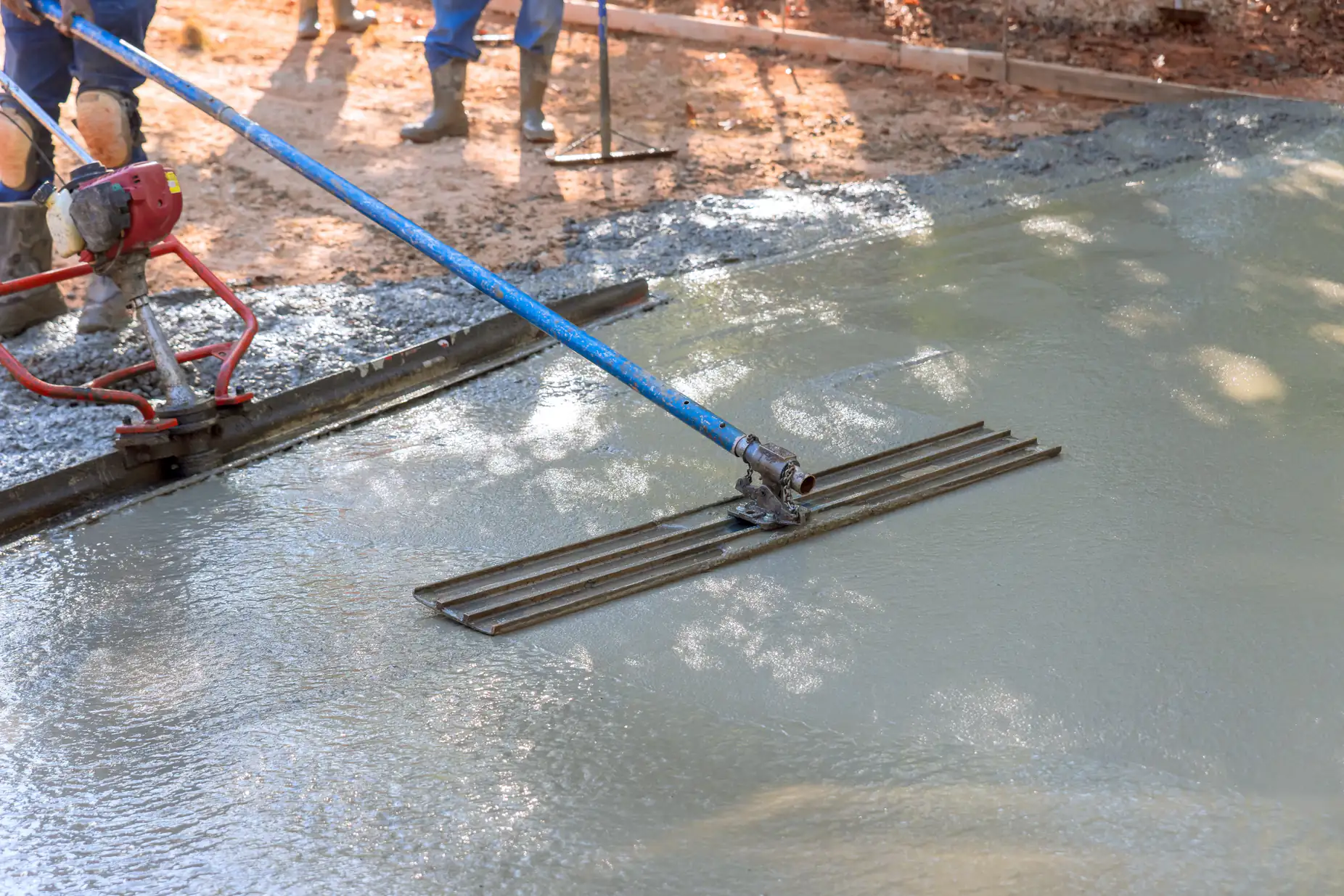
We’re a local, family-owned asphalt and concrete paving company. We use high-grade hot mix asphalt applied at proper temperature, and when we’re working with concrete, we use Portland cement mixes with rebar reinforcement. Not because it’s easier for us, but because it lasts longer for you.
Troy Hills has a median home value over $800,000. Your property deserves paving work that matches that investment, not the cheapest bid that cracks by next spring.
We start with a site assessment. That means looking at drainage, checking soil stability, and measuring the area. If there’s an existing surface, we evaluate whether it needs full removal or if resurfacing makes sense.
Next comes base preparation. This is where a lot of paving companies cut corners, and it’s also where most failures start. We excavate to the right depth, compact the soil, and lay a stable base that won’t shift or settle. If drainage is an issue, we address it now, not after your driveway turns into a pond.
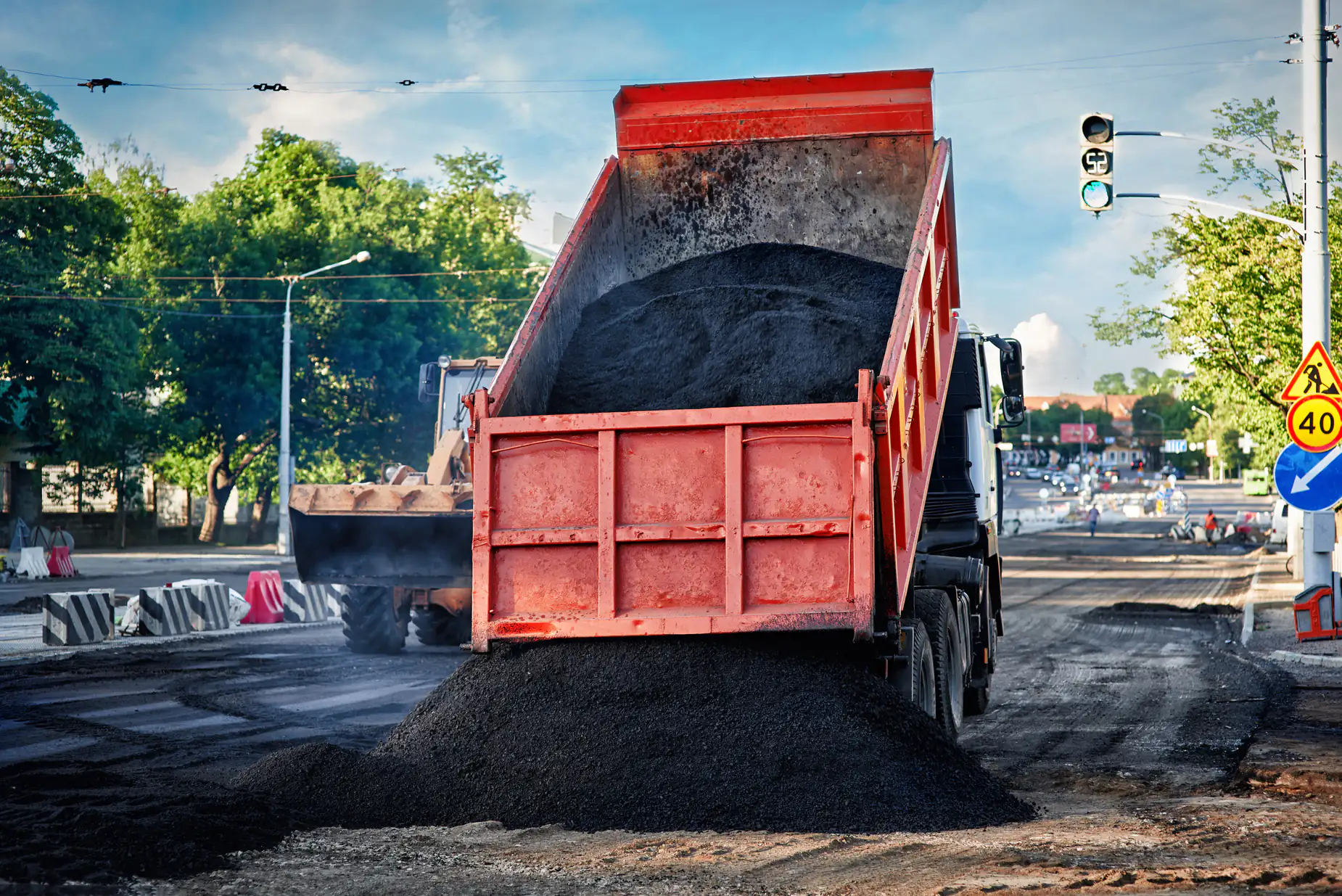
Then we apply the asphalt. We use hot mix asphalt at the correct temperature and thickness for your specific use, whether that’s a residential driveway, a commercial parking lot, or a private road. The material gets compacted properly with professional equipment, not guesswork.
After installation, we give you a clear timeline for curing. You’ll know when you can drive on it, when to expect settling, and what maintenance looks like going forward. No surprises, no vague instructions.
Ready to get started?
We handle residential driveways, commercial parking lots, private roads, and patching or repair work. That includes new installations, full replacements, resurfacing, and crack sealing. If you’re dealing with potholes, uneven sections, or edge crumbling, we can assess whether a repair makes sense or if you’re better off replacing the whole surface.
For homeowners in Troy Hills, that often means driveway work. The area has a 58.9% homeownership rate with a median property value of $655,000 as of late 2024. People here expect quality work that protects their investment. We also work with property managers, businesses, and HOAs that need parking lot paving or maintenance.
We serve Morris, Sussex, and Somerset County. We’re based in Morris County, so Troy Hills is part of our core service area. That means we’re familiar with local soil conditions, weather patterns, and the specific challenges that come with paving in North Jersey. We’re not learning on your driveway.
You’ll get clear upfront pricing with no surprise charges, a 24-48 hour callback guarantee when you request a quote online, and a timeline we actually stick to. We’re licensed, bonded, and insured, which should be the baseline but isn’t always the case with every paving contractor you’ll find.
A properly installed asphalt driveway in Troy Hills typically lasts 15 to 25 years, depending on how much traffic it sees, how well it was installed, and how you maintain it. The key word there is “properly installed.”
If the base wasn’t compacted correctly, if drainage wasn’t addressed, or if the asphalt was laid too thin, you’ll start seeing cracks and failures within a few years. Morris County’s freeze-thaw cycles are tough on asphalt. Water gets into small cracks, freezes, expands, and breaks apart the surface and base layer.
Regular maintenance extends the life of your driveway. That means sealcoating every few years and addressing cracks early before they turn into bigger problems. A small crack you can seal for under $50 can turn into thousands in repairs once the base layer is compromised.
There’s no real difference. Blacktop and asphalt are the same material—hot mix asphalt, or HMA. The terms get used interchangeably, though “blacktop” is more common in residential conversations and “asphalt” is the industry standard term.
Both refer to a mixture of aggregate (stone, sand, gravel) and liquid asphalt cement that’s heated, mixed, and applied hot. It cools and hardens into the durable surface you drive on.
What matters more than the name is the quality of materials, the temperature during application, the thickness of the layer, and how well the base was prepared. A paving company might use the term “blacktop” because that’s what homeowners search for, but the actual product and process should be the same as any professional asphalt installation.
Late spring through early fall—roughly May through October—is the best window for asphalt paving in New Jersey. Asphalt needs warm temperatures to be applied and compacted correctly. If it’s too cold, the material cools too fast and doesn’t compact properly, which leads to premature cracking and surface failure.
That said, spring is often the busiest season because everyone’s dealing with winter damage and wants repairs done before summer. If you’re flexible, late summer or early fall can be a good time. The weather’s still warm, crews are available, and you’re getting ahead of the next winter.
Avoid paving in winter or when temperatures drop below 50°F consistently. Some contractors will do it, but the quality suffers. You’re better off waiting a few months than dealing with a driveway that fails early because it was installed in poor conditions.
Cost depends on the size of your driveway, the condition of the existing surface, and whether you need full removal and replacement or just resurfacing. As a rough estimate, expect to pay between $3 and $7 per square foot for residential asphalt paving in Morris County.
A standard two-car driveway (around 600 square feet) might run $1,800 to $4,200, but that can go higher if there’s significant prep work, drainage issues, or if the base needs rebuilding. Resurfacing an existing driveway in good condition costs less than a full tearout and replacement.
Prices for asphalt have been climbing. In New Jersey, asphalt went from around $299 per ton in 2016 to $460 per ton by 2021, and it’s continued to rise with inflation and infrastructure demand. Waiting usually means paying more, not less. Get a few quotes, make sure they include the same scope of work, and don’t assume the lowest bid is the best value. Cheap paving jobs often mean shortcuts that cost you more in repairs down the road.
Yes, sealcoating protects your asphalt from water, UV damage, and chemicals like oil or gasoline. It’s not just cosmetic—it extends the life of your driveway by preventing small cracks from turning into big problems.
You should sealcoat a new asphalt driveway about six months to a year after installation, once the asphalt has fully cured. After that, plan on resealing every two to three years, depending on traffic and weather exposure.
In Troy Hills, where you’re dealing with freeze-thaw cycles and moisture from the nearby lakes, sealcoating is especially important. Water is the enemy of asphalt. It seeps into tiny cracks, freezes, expands, and breaks apart the surface. Sealcoating fills those small cracks and creates a protective barrier. It’s a small cost compared to repaving your entire driveway because you skipped maintenance.
It depends on the condition of the existing driveway. If the current asphalt is structurally sound—meaning no major cracks, the base is stable, and there’s no significant settling or drainage issues—then resurfacing (also called an overlay) can work. We’d apply a new layer of asphalt over the old surface.
But if the existing driveway has deep cracks, potholes, or base failure, resurfacing won’t fix the underlying problem. You’ll just be covering up issues that will come back through the new layer within a year or two. In those cases, full removal and replacement is the better option.
We assess this during the site visit. If your driveway has small surface cracks and the base is solid, an overlay saves you money. If the base is compromised or there’s poor drainage, we’ll recommend a full replacement. It’s not about upselling—it’s about doing the job right so you’re not calling us back in two years with the same problems.